

Walking into a beauty store can feel like entering a candy shop where everything is vibrant, sparkling, and utterly overwhelming. You see rows upon rows of palettes featuring every shade imaginable, from electric blues to subtle taupes. While the options are endless, the confusion often starts the moment you pick up a brush. Which shades will make your eyes pop? Which ones will wash you out? Makeup is an art form, but there is also a bit of color theory science behind the magic.
Many beginners grab the colors they like in the pan rather than the colors that actually flatter their unique features. This often leads to a drawer full of barely-used products and a sense of frustration with your makeup routine. The good news is that you do not need to be a professional makeup artist to understand the basics of color selection.
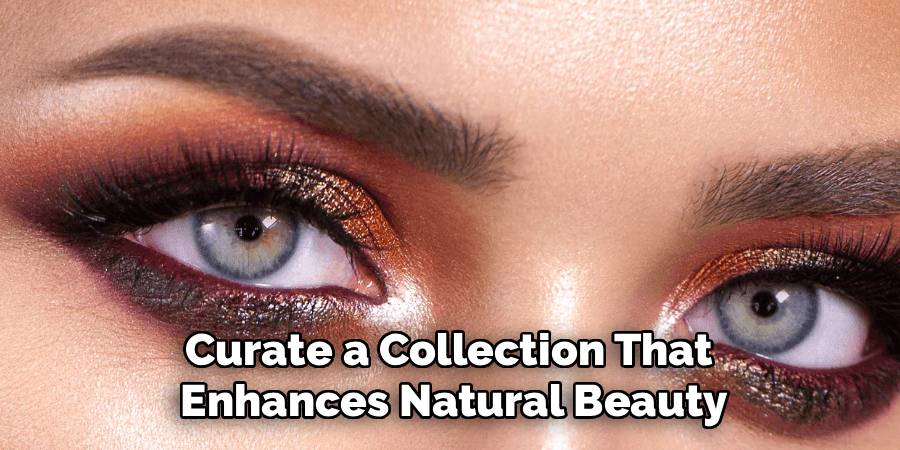
By considering your skin undertone, eye color, and hair contrast, you can curate a collection that enhances your natural beauty rather than fighting against it. If you have ever wondered how to choose colors for eyeshadow that truly work for you, this guide will demystify the process and help you paint with confidence.
The Ultimate Guide on How to Choose Colors for Eyeshadow
Step 1: Identify Your Skin’s Undertone
The first and most crucial step in selecting flattering makeup is understanding what lies beneath the surface of your skin. Your undertone is different from your surface skin tone, which can change with sun exposure or seasons. To find your undertone, look at the veins on the inside of your wrist in natural light. If they appear blue or purple, you likely have cool undertones. If they look green or olive, you are warm.
If you cannot quite tell or see a mix of both, you are likely neutral. This matters because eyeshadows also have temperatures. Cool undertones generally shine in jewel tones, silvers, grays, and icy pinks. Warm undertones look radiant in golds, bronzes, coppers, and warm terracottas. Matching the temperature of your shadow to your skin ensures the makeup looks harmonious and blended rather than stark or jarring against your complexion.
Step 2: Leverage the Color Wheel for Your Eye Color
Once you know your skin’s temperature, you must look at the color of your irises. The color wheel is a makeup artist’s secret weapon because it helps identify complementary colors. Complementary colors are opposites on the wheel, and when placed next to each other, they create the highest level of contrast. This makes your eye color appear brighter and more intense.
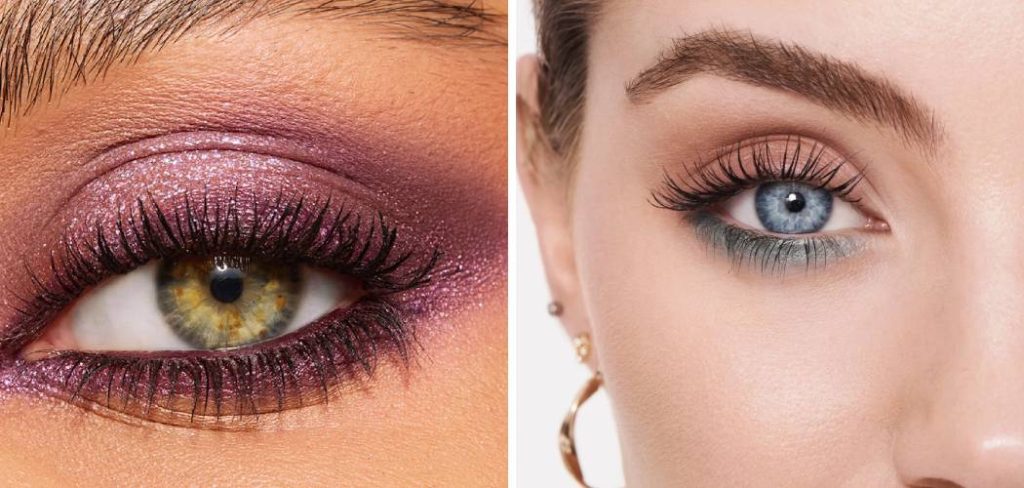
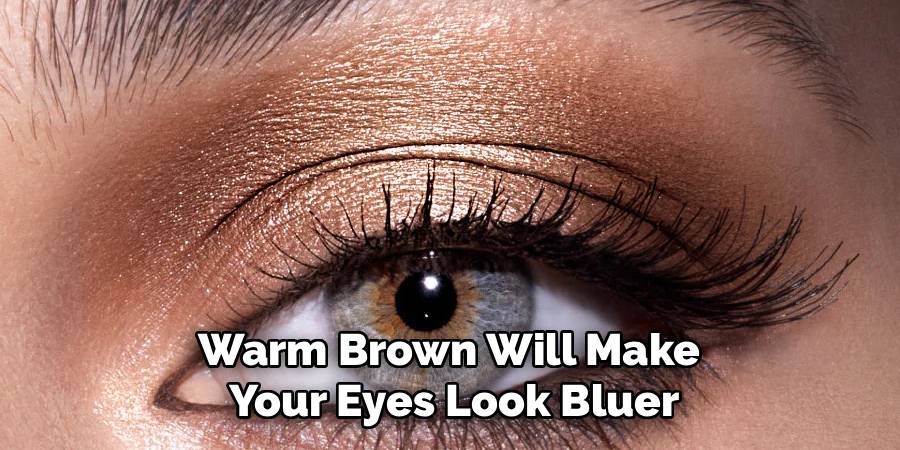
For example, if you have blue eyes, orange is your opposite, so shades like copper, peach, and warm brown will make your eyes look bluer. Green eyes pop against reds and purples, so think burgundy, violet, or mauve. Brown eyes are a mix of primary colors, meaning they are versatile, but they often look deepest and richest next to teals, purples, and midnight blues. Understanding this contrast is a key component of learning how to choose colors for eyeshadow effectively.
Step 3: Assess Your Hair Color and Contrast Level
Your hair color acts as a frame for your face and plays a significant role in how much drama your features can handle. You need to consider the contrast level between your skin and your hair. If you have very fair skin and dark black hair, you have high contrast, which means you can typically pull off bolder, more saturated jewel tones and smoky looks without looking overwhelmed.
Conversely, if you have low contrast features, such as light skin and light blonde hair, extremely dark or harsh black shadows might look too heavy or Gothic for a daily look. In this case, softer shades like champagne, rose gold, and soft browns will harmonize better. Redheads have a unique warmth that pairs beautifully with earthy greens and warm browns. Always try to balance the intensity of your eyeshadow with the intensity of your natural coloring to create a cohesive appearance.
Step 4: Determine the Finish and Texture
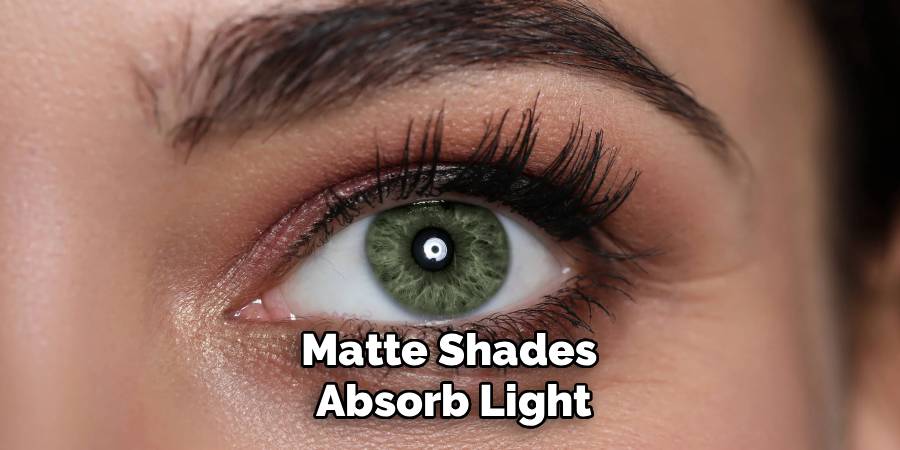
Color is not just about the pigment; it is also about the finish. Eyeshadows typically come in matte, shimmer, satin, and glitter formulas, and choosing the right one depends on your eye shape and skin texture. Matte shades absorb light and are excellent for reshaping the eye or creating depth in the crease. Shimmer and satin shades reflect light, making them perfect for bringing forward areas like the center of the lid or the inner corner.
However, you must be careful with texture if you have mature skin or fine lines around your eyes. Highly glittery or metallic textures can settle into lines and accentuate crepey skin texture. In those cases, soft satins or creamy mattes are much more flattering. When building a palette, aim for a mix of finishes. A look made entirely of shimmers can look messy, while an all-matte look can sometimes appear flat or chalky without dimension.
Step 5: Select a Base, Transition, and Accent Shade
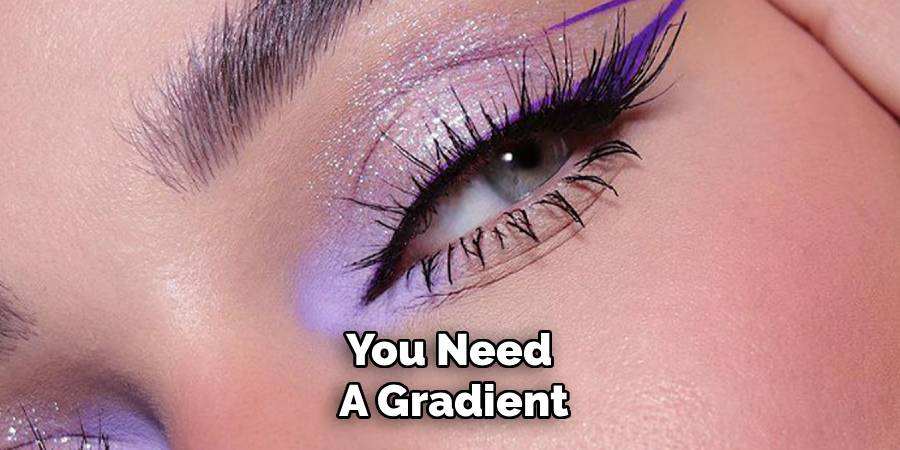
A complete eyeshadow look generally requires three distinct tones to create dimension: a light base, a medium transition, and a dark accent. You cannot just pick one color; you need a gradient. Your base shade should be close to your skin tone or slightly lighter, used to neutralize any discoloration on the lid. Your transition shade should be a matte color that is two or three shades darker than your skin tone.
This color bridges the gap between your lid color and your brow bone, ensuring there are no harsh lines. Finally, your accent shade is the darkest color, used in the outer corner or along the lash line to add depth and drama. When shopping for colors, try to find trios or quads that are pre-curated with this gradient in mind. If you are building your own, ensure you have this range of light-to-dark values within your chosen color family.
Step 6: Consider the Lighting and Occasion
Context is everything when applying makeup. A shade that looks stunning in a dimly lit restaurant might look harsh and unblended under the fluorescent lights of an office. When selecting your colors for the day, think about where you will be spending your time. For professional settings or daytime events, lean towards neutral, matte tones that define the eyes subtly without screaming for attention.
Browns, taupes, and soft pinks are safe bets here. For evening events, weddings, or parties, you can afford to be more adventurous with darker pigments, glitters, and vibrant hues because low lighting tends to wash out subtle colors. The key is adaptability. Having a versatile palette that contains both your “safe” office neutrals and a few “fun” bold shades allows you to transition your look from day to night easily. This situational awareness is a major part of the process of how to choose colors for eyeshadow for real life.
Frequently Asked Questions
What are the best eyeshadow colors for hazel eyes?
Hazel eyes are incredibly unique because they often contain flecks of gold, brown, and green. This means you can manipulate the color based on which eyeshadow you choose.
- To bring out the green: Opt for rich purples, lavenders, or reddish-browns like maroon. The red undertones in these shades contrast sharply with the green.
- To highlight the gold: Use warm neutrals like bronze, copper, and gold shimmers.
- To emphasize the brown: Stick to earthy greens or khaki shades.
Avoid heavy blues, as they can sometimes make hazel eyes look muddy or dull rather than vibrant.
Can I wear bold colors if I have hooded eyes?
Absolutely, but placement is more important than color when it comes to hooded eyes. Since the mobile lid is often hidden when your eyes are open, placing bold colors solely on the lid means they will disappear.
- Apply above the crease: Take your bold transition or accent shade higher up onto the prominent hood so it is visible when looking straight ahead.
- Keep it matte: Use matte shades on the hood to help recede the puffiness visually.
- Inner corner pop: Use your bright shimmers on the inner corner or lower lash line for impact without overwhelming the eye shape.
How do I stop my eyeshadow from creasing or fading?
The longevity and vibrancy of your eyeshadow color depend heavily on how you prep the canvas.
- Use an Eyeshadow Primer: Unlike face primer, eye primer is tacky and specifically designed to grip pigment and prevent oils from breaking down the makeup.
- Set with Powder: If you have very oily lids, lightly dust translucent powder over your primer before applying shadow.
- Press, Don’t Sweep: When applying metallic or shimmer shades, press the pigment onto the lid with a flat brush or finger rather than sweeping back and forth. This packs the color on more densely.
Is it necessary to match my eyeshadow to my outfit?
Matching your eyeshadow exactly to your clothing is generally considered a dated trend, reminiscent of the 80s and 90s. Instead of an exact match, aim for coordination or complementary tones.
- Monochromatic: If you are wearing a blue dress, a soft slate grey or navy eyeliner is better than bright blue shadow.
- Complementary: If you are wearing cool tones like silver or blue, a warm eye look (gold or bronze) can add a beautiful, modern contrast.
- Neutral Ground: When wearing a busy print or a very loud color, a neutral eye is often the best choice to keep the look balanced and polished.
Do I really need expensive brushes to get good color payoff?
While high-end brushes can feel luxurious, you do not need to break the bank to get excellent results. The shape and material of the brush matter more than the brand name.
- Natural vs. Synthetic: Synthetic brushes work great for creams and liquids, while natural hair (or high-quality faux natural) is better for picking up powder pigments.
- Density: A dense, flat shader brush will pack on color for high impact. A fluffy, tapered blending brush creates a soft wash of color.
- Maintenance: Keeping whatever brushes you have clean is vital. Dirty brushes muddy colors and reduce pigment payoff, making even expensive shadows look cheap.
Conclusion
Selecting the right makeup shades does not have to be a guessing game. By taking the time to analyze your natural features—from the veins in your wrist to the flecks in your iris—you can build a palette that feels personalized and intuitive. Remember that these rules are merely guidelines to help you get started.
Makeup is ultimately a form of self-expression, and if you love a color that technically “clashes” with your chart, wear it with pride! The best color for you is the one that makes you feel most like yourself. Now that you have mastered how to choose colors for eyeshadow, you are ready to experiment, blend, and create looks that turn heads for all the right reasons.

About the Author
Jane Hubbard is a passionate beauty expert with a wealth of experience in makeup, hair, and overall beauty techniques. After years of working as a hairdresser specialist, she followed her entrepreneurial spirit and started her own consultancy business.
Jane has always been driven by her desire to help others feel confident in their own skin, and she does this by sharing her knowledge, experiences, and practical beauty tips. Through her consultancy, she empowers individuals to embrace their unique beauty, offering tailored guidance that boosts both self-esteem and personal style.
Professional Focus
Specializes in makeup, hairstyling, and beauty consulting.
Provides personalized beauty advice, tips, and techniques to help individuals feel confident in their appearance.
Dedicated to staying up-to-date with the latest industry trends and developments.
Passionate about creating a comfortable and empowering experience for every client.
Education History
University of Craft and Design – Bachelor of Fine Arts (BFA) in Woodworking and Furniture Design
Woodworking Apprenticeships – Extensive hands-on training with skilled craftsmen to refine carpentry and furniture making techniques
Online Courses & Masterclasses – Continued education in advanced woodworking techniques, design principles, and specialized tools
Expertise:
Makeup artistry, hairstyling, and beauty consulting.
Personalized beauty techniques to enhance confidence and self-expression.
Educating clients on how to maintain their beauty routines at home.