

Lash extensions can be a wonderful way to enhance your eyes, providing length and volume that mascara alone often can’t achieve. This popular beauty treatment gives you a ready-to-go look, saving time and boosting confidence.
While most people enjoy their lash extensions without any issues, a small number may experience an allergic reaction. This can be an uncomfortable and alarming situation, but understanding what’s happening and how to respond is the first step toward relief. Knowing how to treat the reaction properly ensures your eye health and comfort. In this guide on how to treat allergic reaction to lash extensions, we will discuss the common causes of lash extension allergies, signs and symptoms to look out for, and steps you can take to alleviate discomfort.
Understanding Allergic Reactions to Lash Extensions
An allergic reaction to lash extensions is typically a form of contact dermatitis. It occurs when your immune system overreacts to a substance it perceives as a threat. In the context of lash extensions, the most common culprit is the adhesive used to bond the synthetic lashes to your natural ones. Specifically, an ingredient called cyanoacrylate is often the primary allergen. While the fumes from the adhesive curing are usually the trigger, direct contact with the skin can also cause a reaction.
Symptoms usually appear within 48 hours of the application. They can range from mild to severe and commonly include itching, redness, and swelling along the eyelid and lash line. You might also experience watery eyes, a burning sensation, or dry, flaky skin on your eyelids. It’s important to distinguish these symptoms from simple irritation, which is usually less severe and subsides within a few hours. An allergic reaction is more persistent and often worsens over time if not addressed.
Immediate Steps to Take if a Reaction Occurs
If you suspect you’re having an allergic reaction, taking swift action is crucial to prevent the symptoms from escalating. The very first step should be to contact the lash technician or salon where you had the extensions applied. Inform them of your symptoms immediately. A professional technician will be trained to recognize the signs of an allergic reaction and can advise you on the next steps, which will almost always involve removing the extensions.
While waiting for professional help, avoid rubbing or scratching your eyes, as this can worsen the inflammation and potentially damage your natural lashes or the delicate skin around your eyes. A cool compress can provide temporary relief from itching and swelling. Gently apply a clean, soft cloth soaked in cold water to your closed eyelids for a few minutes at a time. Over-the-counter hydrocortisone cream (1%) can also be applied sparingly to the eyelid (but not in the eye) to reduce inflammation.
7 Simple Step-By-Step Guidelines on How to Treat Allergic Reaction to Lash Extensions
Step 1: Contact Your Lash Technician and a Medical Professional
The moment you notice persistent redness, swelling, or itching, your first call should be to your lash technician. They need to be aware of the situation and can schedule an emergency removal. They are trained to use a special solvent that safely breaks down the adhesive without harming your natural lashes. Simultaneously, it is highly recommended to consult a doctor or an ophthalmologist. An allergic reaction involves your eyes, which are incredibly sensitive.
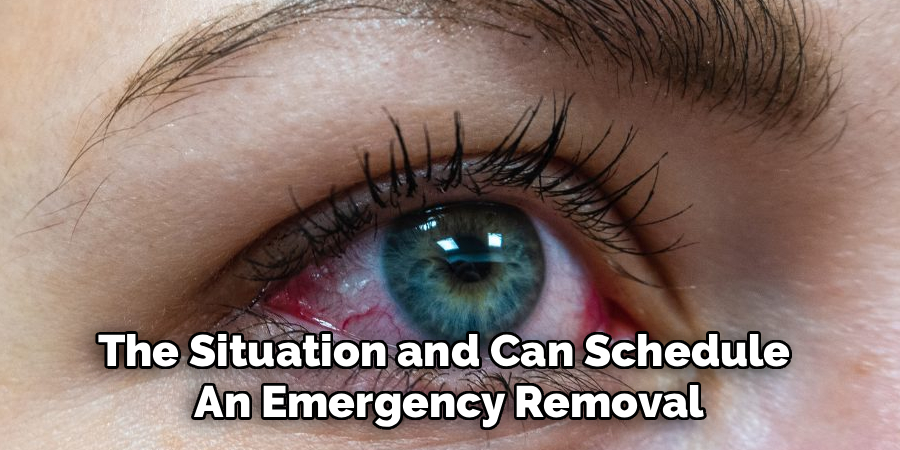
A medical professional can accurately diagnose the issue, confirm that it is an allergic reaction and not an infection, and prescribe the appropriate treatment. This may include prescription-strength steroid creams, oral antihistamines, or eye drops to manage the symptoms effectively and safely. Do not attempt to self-diagnose or rely solely on home remedies without a professional medical opinion, as this could put your eye health at risk. Seeking both professional beauty and medical advice is the most responsible course of action.
Step 2: Have the Extensions Professionally Removed
Under no circumstances should you attempt to remove the lash extensions yourself. Pulling or picking at them can cause significant damage to your natural lashes, leading to bald spots that can take months to regrow. You also risk scratching your cornea or further irritating the already sensitive skin. Lash adhesives are incredibly strong, and only a professional-grade remover can dissolve the bond safely and completely. Your technician will apply this gel or cream remover carefully, allowing it to sit for a few minutes to break down the adhesive before gently sliding the extensions off.
Professional removal is the most critical step in stopping the allergic reaction. As long as the extensions and the adhesive residue remain on your lashes, your body will continue to react to the allergen. The removal process is usually quick and painless. It eliminates the source of the irritation, allowing the healing process to begin. Resisting the urge to pull them off yourself will protect your natural lashes and prevent any additional, unnecessary trauma to your eyes.
Step 3: Use a Cold Compress to Reduce Swelling
Once the extensions are off, your eyelids may still be swollen, red, and itchy. A cold compress is a simple yet highly effective way to soothe these symptoms. The cold temperature helps to constrict the blood vessels, which can significantly reduce swelling and inflammation. It also provides a numbing effect that offers immediate relief from persistent itching and discomfort. To create a compress, you can use a clean washcloth soaked in cold water, a bag of frozen peas wrapped in a towel, or specialized gel eye masks that can be chilled in the refrigerator.
Apply the cold compress gently over your closed eyes for 10-15 minutes at a time, several times a day. Be sure that whatever you use is clean to avoid introducing any bacteria to the irritated area. Never apply ice directly to the skin, as this can cause damage. This simple therapeutic step can make a major difference in your comfort level during the initial days of recovery, helping to calm the angry skin around your eyes while the medication starts to work.
Step 4: Apply Topical Corticosteroid Cream
After consulting with a doctor, they will likely recommend or prescribe a topical corticosteroid cream. For mild reactions, an over-the-counter 1% hydrocortisone cream can be effective. This type of cream works by reducing the inflammation, itching, and redness associated with the allergic reaction. It’s a key part of calming the skin’s immune response and promoting faster healing. You should apply a very thin layer of the cream to the affected eyelid skin, being extremely careful not to get any product into your eyes.
Always follow the instructions provided by your doctor or on the product label. Typically, you would apply the cream once or twice a day. It is important to use it only for the recommended duration, as long-term use of steroids on the thin skin of the eyelids can have side effects. If your doctor provides a prescription-strength cream, use it exactly as directed. This targeted treatment is essential for managing the dermatitis on your eyelids and bringing the reaction under control.
Step 5: Take Oral Antihistamines
In addition to topical treatments, oral antihistamines can be a powerful tool in combating an allergic reaction. These medications work systemically throughout your body to block the effects of histamine, the chemical your immune system releases during an allergic response. Blocking histamine helps to alleviate common allergy symptoms like itching, redness, and swelling from the inside out. Over-the-counter options like Benadryl (diphenhydramine), Zyrtec (cetirizine), or Claritin (loratadine) are readily available.
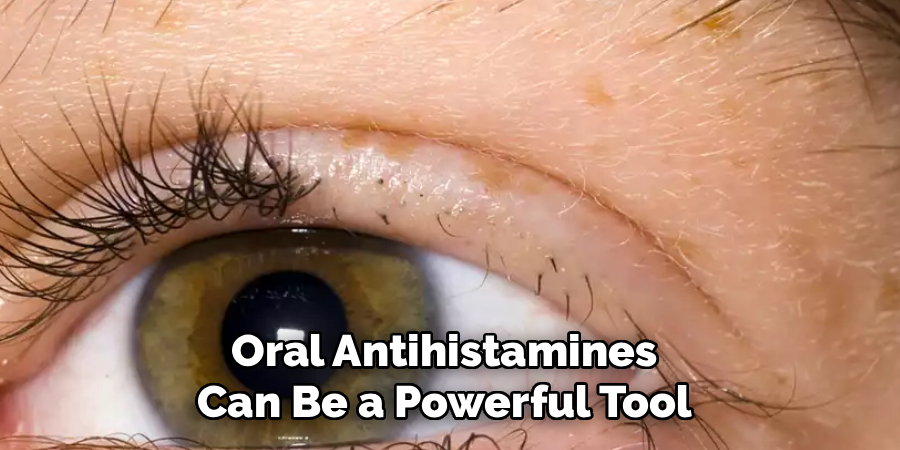
Benadryl is known to be very effective but can cause drowsiness, making it a good option to take before bed to help you sleep without being bothered by itching. Non-drowsy formulas like Zyrtec or Claritin are better for daytime use. Taking an antihistamine can provide significant relief, especially from the overwhelming urge to itch your eyes. As always, consult with your doctor or pharmacist before starting any new medication to ensure it is appropriate for you and won’t interact with other medicines you may be taking.
Step 6: Keep the Eye Area Clean and Makeup-Free
During the healing process, it’s vital to keep the eye area exceptionally clean and free from any potential irritants. This means you should avoid wearing any eye makeup—including mascara, eyeliner, and eyeshadow—until your symptoms have completely resolved. Makeup products can harbor bacteria and contain ingredients that may further irritate your already sensitive eyelids, delaying your recovery. Furthermore, the act of applying and removing makeup can cause friction that aggravates the inflamed skin.
Gently cleanse your eye area twice a day using a mild, fragrance-free cleanser or just lukewarm water. Pat the area dry with a soft, clean towel; do not rub. This practice helps to remove any lingering allergens, crusts, or debris without causing further irritation. Giving your eyes a complete break from all products allows the skin to breathe and heal properly, ensuring a quicker and more comfortable recovery period without any setbacks.
Step 7: Stay Hydrated and Patient
Recovery from an allergic reaction doesn’t happen overnight. It is a process that requires patience and proper care. Staying well-hydrated by drinking plenty of water can support your body’s natural healing processes and help flush out inflammatory substances. Your body is working hard to return to a state of balance, and providing it with adequate hydration is a simple way to support that effort. This also helps keep your skin, including the delicate skin on your eyelids, hydrated from within.
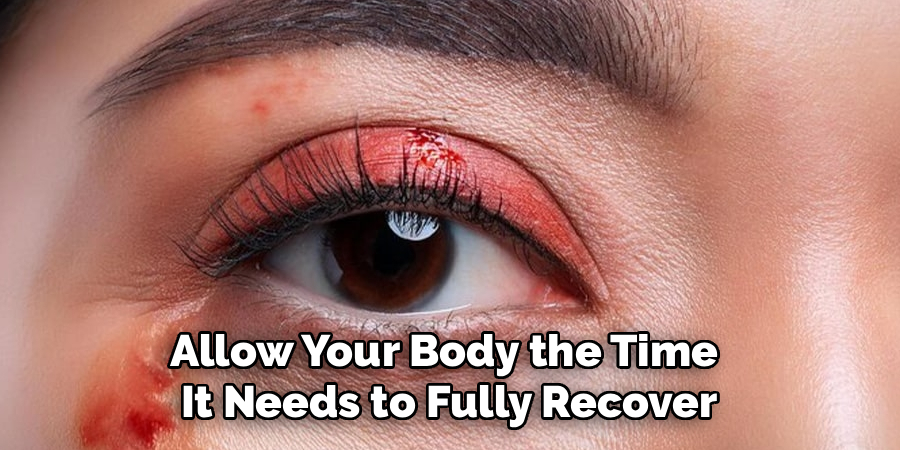
Be patient with your body. The redness and swelling will gradually subside, but it may take several days to a week or more for your eyes to feel completely normal again. Continue following your doctor’s advice and using any prescribed treatments for the full recommended duration, even if you start to feel better. Rushing back into your old routines or trying new lash products too soon can cause a relapse. Allow your body the time it needs to fully recover.
Following these steps on how to treat allergic reaction to lash extensions can help alleviate symptoms and prevent future reactions. It’s important to keep in mind that allergies can develop over time, so even if you’ve had lash extensions before without any issues, you may still experience an allergic reaction in the future.
Preventing Allergic Reactions in the Future
To avoid a future reaction, always request a patch test 48 hours before your appointment. This involves applying a small amount of adhesive to your skin.
Ask your technician to use a sensitive or hypoallergenic adhesive, as these are formulated without cyanoacrylate. Ensure your technician is certified and works in a well-ventilated space to minimize fume exposure.
Safe Removal of Lash Extensions
Attempting to remove lash extensions at home is risky and can damage your natural lashes. The only safe method is professional removal. A lash technician uses a specialized gel or cream remover designed to dissolve the powerful adhesive bond without causing harm.
The remover is applied and left to sit for several minutes before the extensions are gently wiped away, ensuring your natural lashes remain intact and healthy.
Signs of Infection vs. Allergy
It’s crucial to differentiate between an allergic reaction and an infection, as they require different treatments. An allergic reaction typically affects both eyes with symptoms like itching, redness, and swelling along the lash line. In contrast, an infection is often confined to one eye and may present with symptoms like thick, yellow or green discharge, a gritty feeling in the eye, and pain rather than just itching.
An infection is caused by bacteria or viruses, often due to poor hygiene, whereas an allergy is an immune response to an allergen. If you see pus-like discharge, seek medical attention immediately, as you may need antibiotics.
Recovery Tips
After the extensions are removed, continue to be gentle with your eye area. Avoid harsh cleansers and eye makeup until all signs of irritation have disappeared completely. Continue using any prescribed medications for the full course.
A nourishing lash serum can help strengthen and condition your natural lashes as they recover. Protect your eyes from dust and other environmental irritants, and give them ample time to rest and heal before considering any other eye enhancement procedures.
Frequently Asked Questions
Q1: Can You Suddenly Develop an Allergy to Lash Extensions?
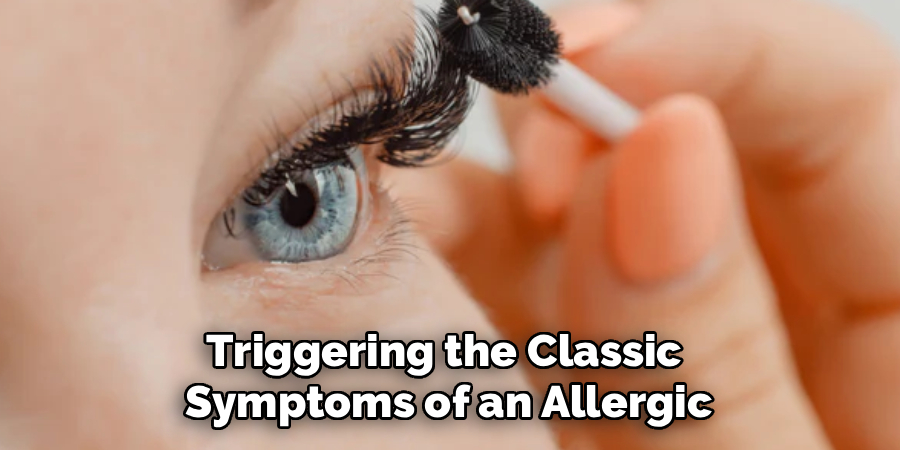
A1: Yes, it is possible to suddenly develop an allergy to lash extensions even if you have had them multiple times before without any issues. This is known as acquired sensitivity. Each exposure to an allergen, such as the cyanoacrylate in lash adhesive, increases the chance of your immune system developing a sensitivity. Over time, your body can reach a threshold where it begins to react, triggering the classic symptoms of an allergic reaction.
Q2: How Long Does It Take for an Allergic Reaction to Go Away?
A2: The duration of an allergic reaction to lash extensions varies depending on the severity and how quickly you act. Once the lash extensions are professionally removed, mild symptoms like itching and redness may begin to improve within a day or two. However, more significant swelling and irritation can take a week or longer to fully resolve with proper treatment, including medication and avoiding irritants. Consistent care is key to a speedy recovery.
Conclusion
Experiencing an allergic reaction to lash extensions can be distressing, but with prompt and proper care, you can manage the symptoms and ensure a full recovery. The most important steps are to seek professional removal of the lashes and consult a doctor to confirm the diagnosis and receive appropriate treatment.
By understanding the signs, acting quickly, and taking preventive measures in the future, you can protect your eye health. Always prioritize safety when it comes to any beauty treatment. Thanks for reading this guide on how to treat allergic reaction to lash extensions.

About the Author
Jane Hubbard is a passionate beauty expert with a wealth of experience in makeup, hair, and overall beauty techniques. After years of working as a hairdresser specialist, she followed her entrepreneurial spirit and started her own consultancy business.
Jane has always been driven by her desire to help others feel confident in their own skin, and she does this by sharing her knowledge, experiences, and practical beauty tips. Through her consultancy, she empowers individuals to embrace their unique beauty, offering tailored guidance that boosts both self-esteem and personal style.
Professional Focus
Specializes in makeup, hairstyling, and beauty consulting.
Provides personalized beauty advice, tips, and techniques to help individuals feel confident in their appearance.
Dedicated to staying up-to-date with the latest industry trends and developments.
Passionate about creating a comfortable and empowering experience for every client.
Education History
University of Craft and Design – Bachelor of Fine Arts (BFA) in Woodworking and Furniture Design
Woodworking Apprenticeships – Extensive hands-on training with skilled craftsmen to refine carpentry and furniture making techniques
Online Courses & Masterclasses – Continued education in advanced woodworking techniques, design principles, and specialized tools
Expertise:
Makeup artistry, hairstyling, and beauty consulting.
Personalized beauty techniques to enhance confidence and self-expression.
Educating clients on how to maintain their beauty routines at home.