

You spend precious time blending the perfect eyeshadow and applying a flawless wing, only for a single tear to ruin everything. Watery eyes can turn a carefully crafted makeup look into a smudged, stinging mess in seconds.
Whether your eyes water due to seasonal allergies, product sensitivity, or harsh application techniques, dealing with tears disrupts your beauty routine and compromises your eye health.
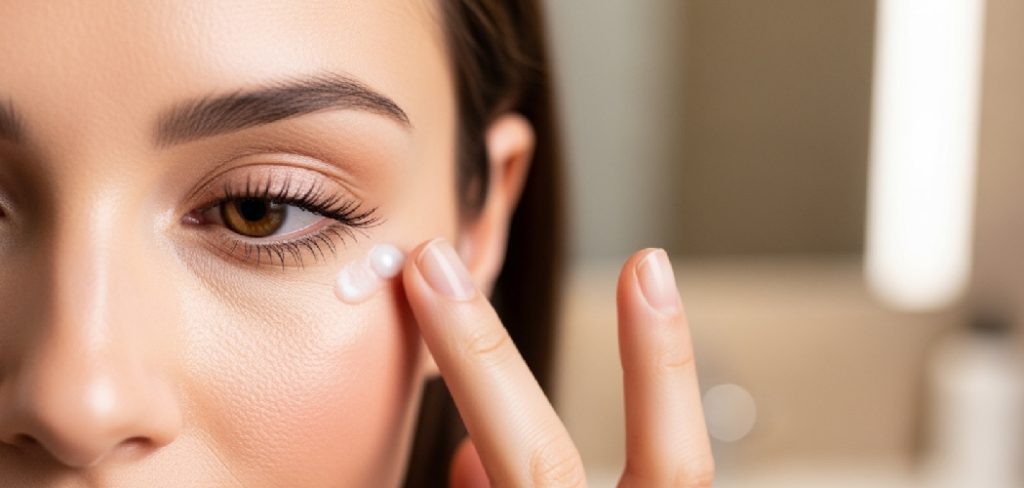
This guide on how to stop eyes from watering when wearing makeup provides practical, everyday solutions to help you maintain a stunning, tear-free makeup look. We will explore the root causes of eye irritation and outline a complete preventative strategy.
What Will You Need?
Before you begin your tear-free makeup application, gather the right tools and products to protect your sensitive eyes. Having these items on hand ensures a smooth, non-irritating process.
- Gentle eyelid cleanser
- Lubricating or allergy eye drops
- Hypoallergenic eye primer
- Clean makeup brushes
- Cream or liquid eyeshadows
- Waterproof, ophthalmologist-tested mascara
- Gentle makeup remover or micellar water
10 Easy Steps on How to Stop Eyes from Watering When Wearing Makeup
Step 1: Start With Clean Eyelids and Lashes
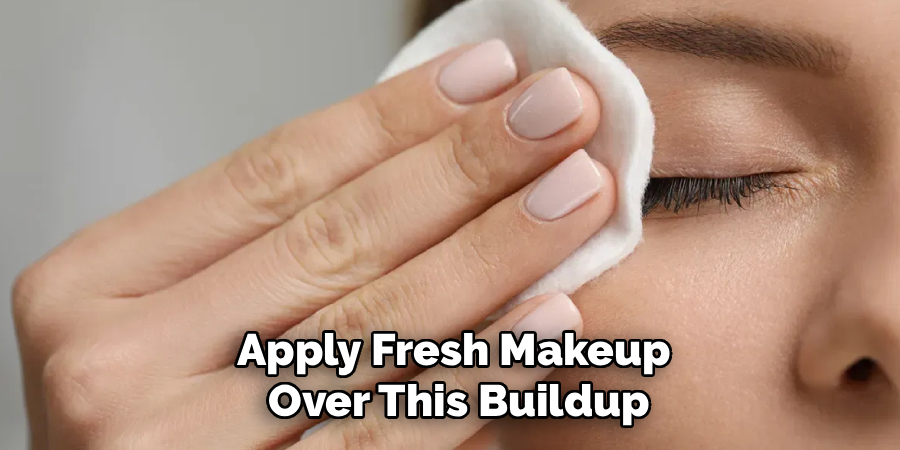
The foundation of any successful makeup routine begins with a completely clean canvas. Dust, microscopic debris, and leftover oils from your skincare routine easily settle along your lash line overnight. If you apply fresh makeup over this buildup, you push those irritants directly into your eye, triggering an immediate watering response. Use a gentle, oil-free micellar water or a specialized eyelid cleanser on a cotton pad to gently sweep away impurities. Pay close attention to the base of your eyelashes, as this area traps the most debris. Allow your eyelids to dry completely before reaching for any cosmetic products.
Step 2: Apply Allergy Eye Drops Before Makeup
If you suffer from seasonal allergies or general product sensitivity, your eyes naturally produce excess tears to flush out perceived threats. Stop this histamine reaction before it starts by applying soothing eye drops ten minutes prior to your makeup application. Choose a lubricating drop for general dryness or a targeted antihistamine drop if you have known allergies. Tilt your head back, apply one drop per eye, and keep your eyes closed for a few moments to let the liquid spread evenly over the ocular surface. Gently dab away any excess moisture from your skin with a clean tissue, ensuring the area is perfectly dry before applying primer.
Step 3: Choose Hypoallergenic Eye Makeup
The ingredients inside your cosmetics play a massive role in how your eyes react throughout the day. Many conventional mascaras and eyeliners contain harsh preservatives, heavy fragrances, and irritating dyes that easily trigger watering. Transition your makeup bag to products explicitly labeled as hypoallergenic and ophthalmologist-tested. These specialized formulas omit common irritants and utilize gentler binding agents. When shopping, avoid products containing parabens, sulfates, and synthetic fragrances. While hypoallergenic makeup might require a slightly larger initial investment, the comfort it provides to highly sensitive eyes makes it an essential upgrade for your daily routine.
Step 4: Use an Eye Primer to Lock Products in Place
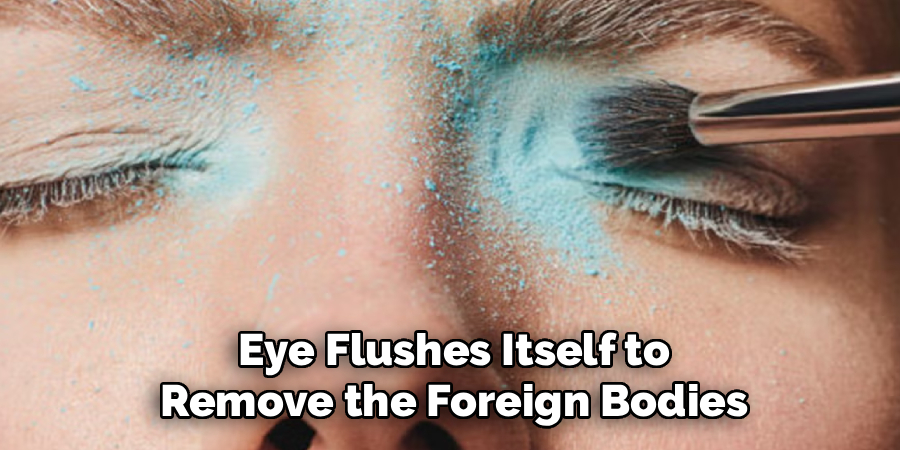
Eyeshadow fallout serves as one of the leading causes of watering eyes. When microscopic particles of pigment drop down into the tear film, the eye flushes itself to remove the foreign bodies. An eye primer acts as a double-sided adhesive tape, gripping the skin while holding tightly onto your makeup. Apply a tiny, pea-sized amount of hypoallergenic primer across your entire lid, blending it from the lash line up to the brow bone. Give the primer about thirty seconds to set and become slightly tacky. This barrier not only intensifies the color of your eyeshadow but physically prevents loose powders from migrating into your eyes.
Step 5: Clean Your Makeup Brushes Regularly
Dirty makeup brushes act as breeding grounds for bacteria, dead skin cells, and stale product. When you use an unwashed brush near your eye, you introduce a massive payload of irritants directly to your most sensitive skin. Establish a strict cleaning schedule to wash your eye brushes at least once a week. Use a gentle brush cleanser or baby shampoo mixed with warm water, swirling the bristles to release trapped pigments. Rinse them thoroughly until the water runs clear, squeeze out the excess moisture, and lay them flat on a clean towel to dry. Using fresh, clean tools dramatically reduces the risk of bacterial irritation and watering.
Step 6: Keep Eyeliner Away From the Waterline
Tightlining, or applying eyeliner directly to the inner rim of the eyelid, looks striking but spells disaster for sensitive eyes. The waterline houses the meibomian glands, which secrete the essential oils that keep your tears from evaporating. Blocking these glands with thick, waxy eyeliner disrupts your tear film, causing immediate irritation and excessive watering. To achieve a defined look without the tears, apply your eyeliner strictly to the lash line itself, stamping the product between the roots of your lashes. This technique delivers the illusion of thicker lashes and bold definition while keeping the delicate waterline entirely clear of cosmetic products.
Step 7: Opt for Waterproof Mascara and Eyeliner
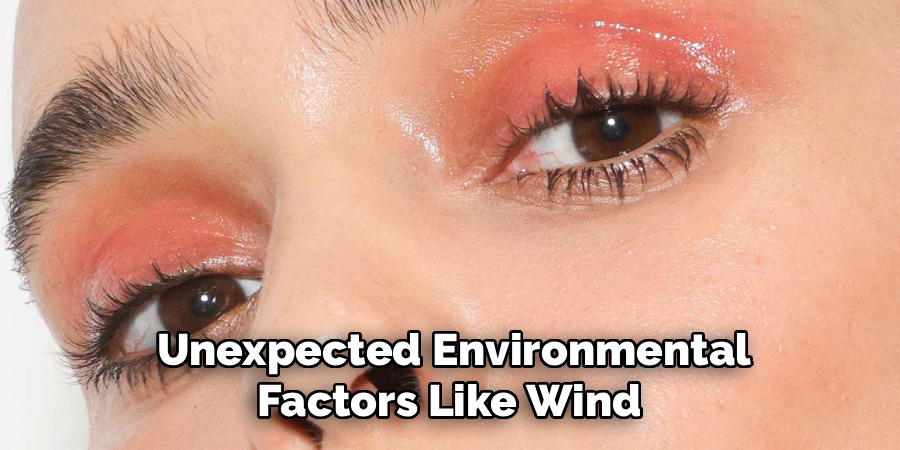
Even with the best preparation, unexpected environmental factors like wind or humidity can cause a slight tear. If you wear traditional makeup, that single tear creates a smudged track of black pigment that further irritates the eye. Waterproof formulas utilize specific waxes and silicones that repel moisture, keeping the product bound to your lashes and skin. When selecting waterproof mascara, look for tubing formulas, which wrap individual lashes in water-resistant polymers rather than painting them with heavy waxes. Tubing mascaras resist flaking throughout the day, ensuring no tiny black specks fall into your eyes to trigger the watering cycle.
Step 8: Set Your Undereye Concealer Carefully
The undereye area requires delicate handling to prevent irritation. Liquid concealers often creep upward as you blink, eventually migrating past the lower lash line and into the eye itself. To stop this movement, you must set your concealer with a finely milled setting powder. However, applying loose powder carelessly creates a cloud of dust that instantly irritates the eye. Instead of using a large, fluffy brush, use a slightly damp makeup sponge to press a very small amount of pressed powder directly over the concealer. This pressing motion locks the liquid in place without launching airborne powder particles into your sensitive eyes.
Step 9: Avoid Powdery Eyeshadows That Create Fallout
Highly pigmented, chalky eyeshadows create a beautiful matte look but generate an incredible amount of loose dust during application. If your eyes water easily, you must rethink the textures you use on your lids. Cream eyeshadows, liquid tints, and baked powders offer stunning color payoff without the dangerous fallout. Cream formulas glide onto the lid and dry down to a smudge-proof finish, eliminating the risk of particles dropping into your eyes. If you absolutely must use a powder shadow, tap your brush vigorously against the side of the palette to remove excess pigment before bringing the tool anywhere near your face.
Step 10: Remove Makeup Thoroughly Every Night
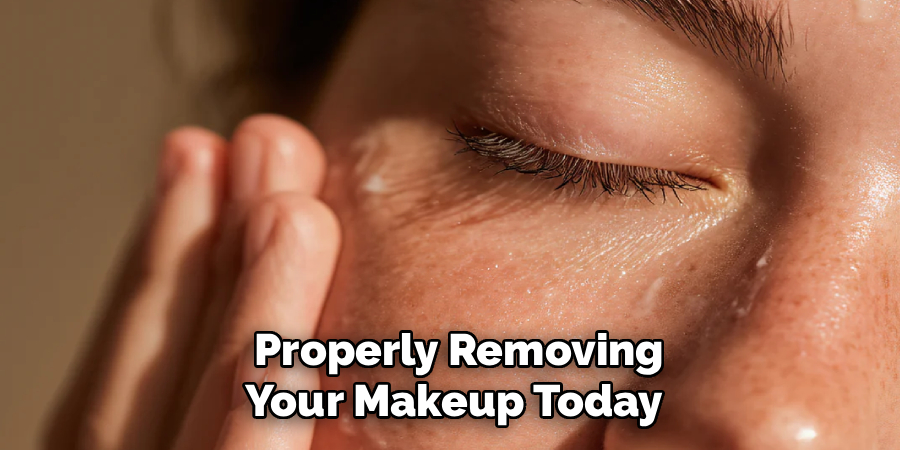
The most critical step to preventing watery eyes tomorrow is properly removing your makeup today. Sleeping with mascara and eyeliner on guarantees that dried, flaky product will find its way into your eyes overnight, causing severe morning irritation and hypersensitivity. Use a dedicated, oil-based makeup remover designed for waterproof formulas to break down the cosmetics gently. Soak a cotton pad in the remover, press it against your closed eye for twenty seconds to melt the waxes, and wipe downward gently. Never scrub or pull at the skin. Follow up with your standard facial cleanser to ensure absolutely no residue remains on the lashes or skin.
5 Things You Should Avoid
- Using Expired Makeup: Cosmetics have a limited shelf life. Using mascara older than three months or eyeliner past six months introduces dangerous bacteria to your eyes. Always check the period-after-opening symbol on your products and discard anything that smells strange or changes texture.
- Sharing Eye Makeup: Never share eyeliner, mascara, or makeup brushes with friends. Sharing tools easily transfers bacteria and viruses, including conjunctivitis, leading to severe eye infections and chronic watering.
- Applying Makeup in Moving Vehicles: Applying eyeliner or mascara in a car or train increases the risk of scratching the cornea. A corneal abrasion causes intense watering and pain and requires medical attention to heal properly.
- Using Heavy Fragrances: Many conventional setting sprays and face powders contain strong synthetic perfumes. These volatile compounds evaporate off your skin and irritate the sensitive ocular surface, prompting your eyes to tear up as a defense mechanism.
- Rubbing Your Eyes: If your eyes feel slightly irritated, rubbing them only makes the situation worse. Friction pushes makeup deeper into the eye and damages the delicate skin, increasing inflammation and tearing.
Conclusion
Stopping your eyes from watering when wearing makeup requires a thoughtful combination of preparation, product selection, and application techniques.
By understanding that watery eyes serve as a defense mechanism against irritants, you can proactively alter your routine to eliminate the triggers. Starting with clean tools, choosing hypoallergenic formulas, and keeping products away from your delicate waterline will drastically reduce irritation and tears.
Hopefully, these tips on how to stop eyes from watering when wearing makeup will help you achieve the perfect makeup look without any pesky watering eyes!

About the Author
Jane Hubbard is a passionate beauty expert with a wealth of experience in makeup, hair, and overall beauty techniques. After years of working as a hairdresser specialist, she followed her entrepreneurial spirit and started her own consultancy business.
Jane has always been driven by her desire to help others feel confident in their own skin, and she does this by sharing her knowledge, experiences, and practical beauty tips. Through her consultancy, she empowers individuals to embrace their unique beauty, offering tailored guidance that boosts both self-esteem and personal style.
Professional Focus
Specializes in makeup, hairstyling, and beauty consulting.
Provides personalized beauty advice, tips, and techniques to help individuals feel confident in their appearance.
Dedicated to staying up-to-date with the latest industry trends and developments.
Passionate about creating a comfortable and empowering experience for every client.
Education History
University of Craft and Design – Bachelor of Fine Arts (BFA) in Woodworking and Furniture Design
Woodworking Apprenticeships – Extensive hands-on training with skilled craftsmen to refine carpentry and furniture making techniques
Online Courses & Masterclasses – Continued education in advanced woodworking techniques, design principles, and specialized tools
Expertise:
Makeup artistry, hairstyling, and beauty consulting.
Personalized beauty techniques to enhance confidence and self-expression.
Educating clients on how to maintain their beauty routines at home.