

Dealing with heavy, sagging eyelids often causes considerable frustration for those experiencing structural facial shifts. The delicate tissue positioned above the eye frequently loses its inherent elasticity as time progresses. We could interpret this aesthetic change as a natural biological progression.
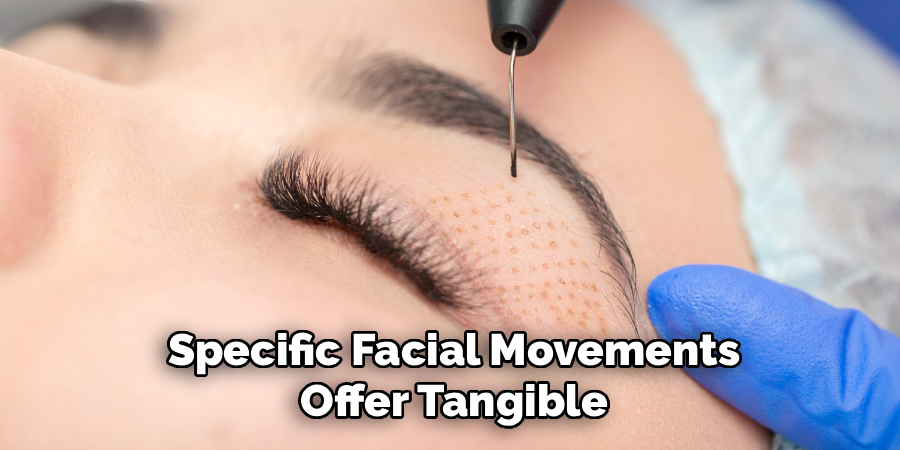
Many individuals actively seek actionable solutions to restore a firmer, more awakened appearance. You might discover that non-surgical methods, potent topical compounds, and specific facial movements offer tangible improvements. Understanding how to tighten upper eyelid skin fundamentally requires a measured, scientific approach.
Consistent, gentle care might yield visible lifting results without necessitating invasive surgical procedures. This discussion will explore the underlying causes of tissue laxity alongside practical, evidence-based management strategies. Implementing these targeted interventions could gradually reshape the contour of your brow and lid.

Understanding Upper Eyelid Sagging
Before attempting to treat the surface, one must comprehend the biological mechanisms driving this physical change. The anatomical structure of the eye region features the thinnest epidermis on the human body. This fragility means the area often reflects internal cellular degradation long before other facial zones.
Sagging rarely occurs due to a single isolated variable. A combination of internal decline and external wear usually precipitates the visible drooping.
The Role of Collagen and Elastin Loss
Natural aging slows down the production of structural proteins within the dermal matrix. Fibroblasts become less active, which could indicate why the skin gradually loses its snap. Collagen provides the necessary rigid framework, while elastin allows the tissue to stretch and retract.
When these proteins degrade, the extremely thin skin on the eyelids begins to stretch and droop downward. The underlying fat pads might also shift, placing additional physical weight on the weakened surface layer.
Environmental and Genetic Factors
Ultraviolet radiation from chronic sun exposure accelerates the breakdown of firmness in the upper eye area. UV rays actively sever the remaining collagen bonds, destroying whatever structural integrity remains. Chronic rubbing of the eyes due to allergies might also stretch the tissue mechanically over decades.
Furthermore, natural genetic predispositions heavily influence your specific facial geometry. If your parents developed prominent hoods, your own sagging could simply reflect an inherited biological timeline.
Essential Skincare Ingredients for Firming
Selecting the most effective topical treatments requires moving beyond basic moisturizers. You should focus heavily on clinically proven ingredients rather than relying on brand marketing claims. Active compounds might physically alter the cellular behavior of the epidermis.
Applying these ingredients demands precision. The ocular cavity is highly sensitive to chemical migration.
Retinol: The Gold Standard for Cell Turnover
A gentle, eye-safe retinol stimulates fresh collagen production deep within the dermal layers. This Vitamin A derivative forces sluggish cells to regenerate at an accelerated pace. Over several months, this process could thicken the skin significantly.
Thicker tissue naturally resists the downward pull of gravity. You must introduce this potent active slowly to prevent severe localized dehydration or peeling.
Peptides: Building Blocks of Firm Skin
Peptides function as cellular messengers within the body’s complex biological network. They signal the skin to repair itself by synthesizing new proteins. Incorporating these short chains of amino acids might prove critical for firming up fragile upper lid tissue.
Unlike retinoids, peptides generally cause zero irritation. They offer a highly tolerable approach to rebuilding the structural matrix of a thinning eyelid.
Hyaluronic Acid for Instant Plumping
While long-term rebuilding occurs, immediate cosmetic improvements provide necessary encouragement. Hyaluronic acid draws ambient moisture directly into the superficial layers of the skin. This rapid influx of water instantly plumps fine lines.
The hydration temporarily fills out the slack tissue, giving the eyelids a noticeably lifted, smoother look. It acts as a necessary superficial scaffolding while the deeper proteins regenerate.
Facial Exercises to Support the Eye Area
Facial resistance training introduces the concept of localized muscle toning. Strengthening the underlying musculature might indirectly pull the attached skin taut. The frontalis muscle and the levator palpebrae superioris control the physical position of the brow.
If these muscles atrophy from underuse, the entire region may shift downward. Consistent physical resistance could reverse this specific muscular decline.
The Brow Lift Hold
Place your index and middle fingers directly under the arch of your eyebrows. Lift the tissue upward against the prominent brow bone with moderate pressure. You should feel the skin stretch slightly.
Next, use your forehead muscles to push downward, resisting the upward force of your fingers. This opposing tension forces the lifting muscles to contract and build strength. Holding this position for ten seconds might gradually elevate the resting position of the brow.
The Eyelid Resistance Squeeze
Keep your eyebrows lifted high and totally immobile. Slowly force your eyes closed against this upward stretch. You are creating deliberate mechanical resistance that targets the levator muscles.
Squeeze the eyelids shut firmly for five seconds, then release the tension. Repeating this action daily could condition the muscles responsible for keeping the eye wide and open.
Step-by-Step Guide: How to Tighten Upper Eyelid Skin at Home
Establishing a clinical home routine provides the foundation for visible tissue remodeling. Haphazardly applying creams rarely yields the desired structural changes. You must follow a methodical sequence to ensure maximum ingredient penetration and physical stimulation.
This specific protocol details how to tighten upper eyelid skin through sequential daily actions. Proceeding carefully ensures the fragile barrier remains intact.
Step 1: Cleanse the Eye Area Gently
Begin by removing surface debris and residual cosmetics with a mild, fragrance-free cleanser. You must avoid scrubbing or pulling the delicate upper lid skin. Aggressive friction actively damages the weakened collagen fibers.
Use a soft, damp cotton pad to sweep away impurities. A completely clean canvas allows the subsequent active ingredients to absorb without obstruction.
Step 2: Apply a Firming Eye Serum
Dispense a single drop of a lightweight, fast-absorbing serum onto your ring finger. Formulations packed with antioxidants or caffeine might reduce any heavy fluid puffiness. Edema often exacerbates the appearance of sagging by adding physical weight to the lid.
Tap the serum lightly along the orbital bone. Avoid placing fluid directly on the lash line, as it could migrate into the tear duct.
Step 3: Use a Microcurrent Device or Massage Tool
Safe, low-level electrical currents can stimulate adenosine triphosphate (ATP) production in the facial muscles. Gliding an at-home microcurrent device over the brow bone might lift the muscle fascia temporarily. Alternatively, a chilled gua sha tool provides excellent manual lymphatic drainage.
Always apply a conductive gel before using electrical tools. Moving the instrument upward toward the hairline encourages the tissue to sit higher on the skull.
Step 4: Apply a Peptide-Rich Eye Cream
Once the serum absorbs, you need to seal the area with a richer compound. Take a small amount of a dense peptide or retinol cream. Tap this formula onto the upper eyelid and the brow bone.
Using the ring finger ensures you apply the least amount of physical pressure possible. This tapping motion promotes localized blood flow while maximizing absorption without creating friction.
Step 5: Seal with Sunscreen for Protection
Morning routines demand a final layer of environmental defense. Apply a mineral-based SPF carefully to the brow bone and the upper lid. Zinc oxide or titanium dioxide physically blocks the UV rays from breaking down your newly formed collagen.
Chemical sunscreens might cause stinging if they melt into the eye. Mineral formulations tend to sit securely on the surface without causing ocular irritation.
Step 6: Practice Nightly Maintenance
Your evening protocol should pivot heavily toward intense hydration and repair. Swap the caffeine serum for a rich ceramide ointment to prevent overnight trans-epidermal water loss. The body conducts its most aggressive cellular healing while you sleep.
You should also evaluate your sleeping position. Lying completely flat forces fluid to pool in the face, while sleeping on your side crushes the orbital tissue into the pillow. Elevating your head might prevent morning heaviness.

Non-Invasive Clinical Treatments
Skincare and manual manipulation require months to demonstrate efficacy. Some patients seek faster or more dramatic results than topical ingredients can reasonably provide. Modern aesthetic medicine offers several modalities that stop short of surgical excision.
Consulting a dermatologist could illuminate which technology best suits your anatomy. These interventions usually rely on controlled thermal damage.
Radiofrequency (RF) Skin Tightening
Radiofrequency devices deliver targeted heat energy deep into the dermal layers. Treatments like Thermage bypass the epidermis entirely to heat the underlying structural matrix. This thermal trauma causes existing collagen fibers to contract immediately.
Following the procedure, the body attempts to heal the heated zones by producing dense, fresh collagen. This biological response might visibly shrink the surface area of the eyelid over six months.
Laser Resurfacing for the Eyelids
Fractional ablative lasers create microscopic injuries across the surface of the skin. This technology physically removes the damaged, stretched outer layers of the epidermis. As the eyelid heals, it generates a tighter, smoother surface texture.
The recovery process requires strict adherence to medical aftercare. The resulting tissue remodeling often provides a significant, long-lasting reduction in superficial laxity.
Lifestyle Habits to Prevent Further Sagging
Clinical treatments lose their efficacy if daily habits constantly undermine them. Your systemic health directly influences the tension and quality of your facial tissues. Addressing basic biological needs could halt the progression of tissue degradation.
Simple behavioral adjustments serve as a necessary defense mechanism.
Prioritizing Quality Sleep
Adequate rest permits the endocrine system to repair daily cellular damage. Sleep deprivation elevates cortisol levels, which actively dissolve collagen networks. Furthermore, exhaustion frequently leads to fluid retention that visibly weighs down the eyelids.
Securing eight hours of uninterrupted sleep might drastically improve the appearance of the ocular region. Consistency in your resting schedule allows the skin to maintain its structural equilibrium.
Hydration and Diet
The foods you consume supply the raw materials needed for protein synthesis. Eating a diet rich in vitamin C and specific amino acids supports natural collagen production from the inside out. Processed sugars, conversely, cause glycation, which stiffens and breaks elastin fibers.
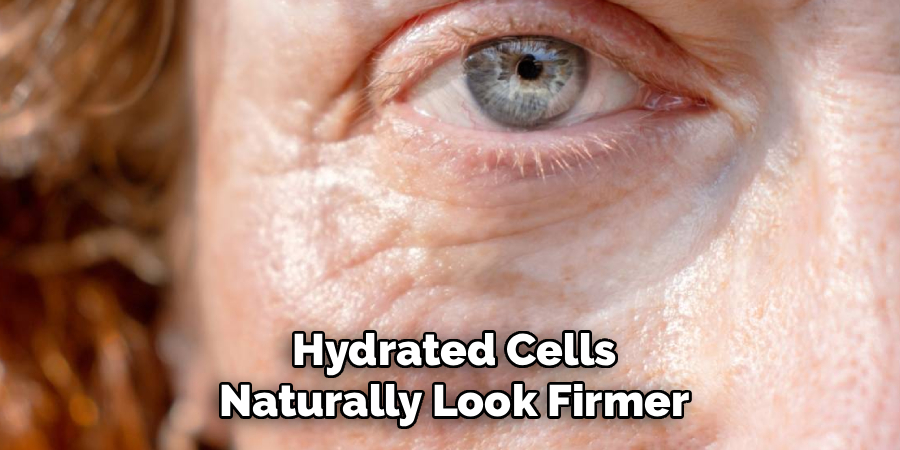
You must also drink plenty of water to maintain cellular turgor. Plump, hydrated cells naturally look firmer and more resilient than desiccated tissue.

Makeup Tricks to Create a Lifted Look
While waiting for physiological changes to occur, cosmetics offer immediate optical illusions. Strategic shading can visually disguise sagging skin entirely. Modifying how you apply pigment changes how light interacts with your facial geometry.
Applying standard eye makeup techniques to a hooded eye often yields disastrous, heavy results. You must adapt your approach to suit the shifting canvas.
Strategic Highlighting
Light colors bring recessed areas forward, while matte finishes absorb light. You might place a matte, bone-colored highlight directly under the arch of the eyebrow. This specific placement visually pushes the brow bone forward.
Consequently, the sagging tissue below appears to recede into the background. Avoid shimmer in the crease, as reflective particles will only emphasize the loose, textured skin.
Eyeliner Techniques
Drawing thick, dark lines across the lash base consumes whatever limited mobile lid space remains visible. Heavy eyeliner actively drags the visual weight of the eye downward. You must keep the pigment incredibly tight to the roots of the lashes.
Applying a micro-thin gel liner solely to the outer third of the upper lash line might create a subtle upward lift. Avoiding the inner corners keeps the eye looking open, wide, and structurally elevated.
Conclusion
Restoring the tension of the ocular region demands a multifaceted, highly consistent approach. While gravity and genetics eventually affect everyone, you possess several tools to manage and delay these physical shifts. Understanding how to tighten upper eyelid skin allows you to implement specific, science-backed interventions.
Topical retinoids and peptides could rebuild the degraded dermal matrix over time. Coupling these chemical agents with manual resistance exercises might restore the resting position of the brow muscles. Should these home methods prove insufficient, clinical radiofrequency offers a powerful non-surgical alternative. Evaluate your current skincare regimen tonight, select a targeted peptide cream, and begin the slow, rewarding process of firming your delicate eye area.

About the Author
Jane Hubbard is a passionate beauty expert with a wealth of experience in makeup, hair, and overall beauty techniques. After years of working as a hairdresser specialist, she followed her entrepreneurial spirit and started her own consultancy business.
Jane has always been driven by her desire to help others feel confident in their own skin, and she does this by sharing her knowledge, experiences, and practical beauty tips. Through her consultancy, she empowers individuals to embrace their unique beauty, offering tailored guidance that boosts both self-esteem and personal style.
Professional Focus
Specializes in makeup, hairstyling, and beauty consulting.
Provides personalized beauty advice, tips, and techniques to help individuals feel confident in their appearance.
Dedicated to staying up-to-date with the latest industry trends and developments.
Passionate about creating a comfortable and empowering experience for every client.
Education History
University of Craft and Design – Bachelor of Fine Arts (BFA) in Woodworking and Furniture Design
Woodworking Apprenticeships – Extensive hands-on training with skilled craftsmen to refine carpentry and furniture making techniques
Online Courses & Masterclasses – Continued education in advanced woodworking techniques, design principles, and specialized tools
Expertise:
Makeup artistry, hairstyling, and beauty consulting.
Personalized beauty techniques to enhance confidence and self-expression.
Educating clients on how to maintain their beauty routines at home.