

Waking up to eyes that feel perpetually dry, gritty, and irritated usually signals a structural issue along the lash line. These uncomfortable sensations frequently stem from blocked oil glands failing to lubricate the ocular surface. Addressing this friction early prevents chronic discomfort.
This guide provides clear, clinical methods for relieving this widespread annoyance safely at home. You will learn the exact mechanics of your tear film and how to deploy thermal therapy effectively. By the end of this text, you should know exactly how to unclog eyelid glands without risking corneal damage.
Understanding the basic anatomy of the eye appears to indicate the most successful path to long-term relief. We will explore the precise temperature requirements, physical massage techniques, and daily hygiene habits necessary for maintaining ocular health. Relief requires consistency.
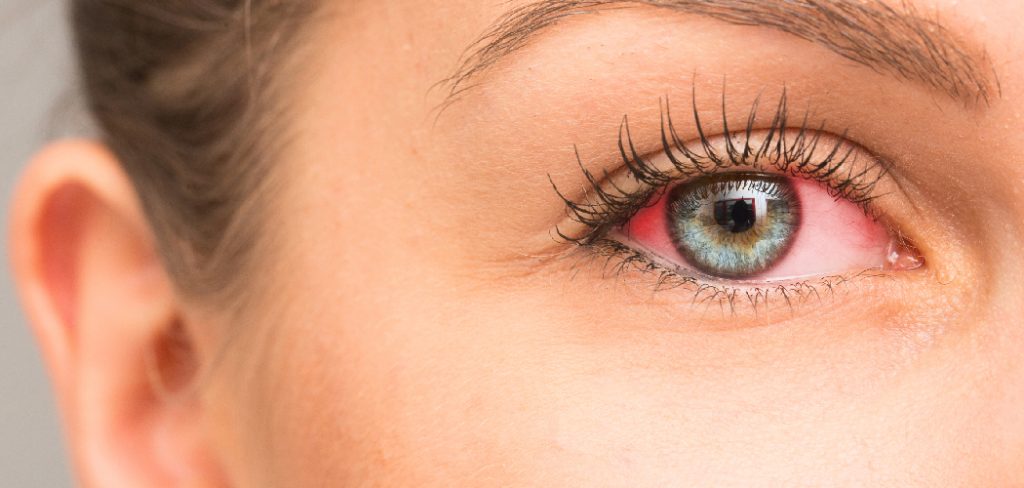
Understanding Meibomian Gland Dysfunction
To treat the problem accurately, one must first understand the microscopic structures lining the upper and lower lids. Meibomian Gland Dysfunction (MGD) currently stands as the leading cause of dry eye disease globally. This condition affects a remarkably high percentage of the adult population.
When these tiny mechanisms fail, the entire ocular ecosystem suffers. The issue is rarely a lack of water, but rather a lack of protective lipids.
What Are Meibomian Glands?
Dozens of these microscopic sebaceous glands sit vertically within the cartilage of your eyelids. They continuously secrete a highly specialized lipid layer that floats on top of your natural tears. This oil prevents the underlying aqueous layer from evaporating into the surrounding air.
Without this lipid barrier, tears vanish rapidly. This rapid evaporation leaves the sensitive corneal nerves entirely exposed to the atmosphere.
Common Causes of Blockages
Glandular obstruction rarely happens overnight. Advancing age naturally thickens these lipid secretions, making them prone to stagnation. Similarly, excessive screen time dramatically reduces our blink rate, which stops the physical pumping mechanism that normally pushes the oil out.
Wearing contact lenses for extended periods also alters the friction against the lid margin. Furthermore, poor cosmetic hygiene—specifically failing to remove eyeliner—can physically cement the gland orifices shut.
Recognizing the Symptoms of Blocked Glands
Correctly identifying the source of your discomfort ensures you apply the appropriate treatment. General redness could suggest a simple allergy, but specific localized sensations point directly to glandular failure. You must evaluate your daily symptoms carefully.
Waking up with crusty, stuck-together lashes is a primary indicator. If staring at a computer monitor causes an intense burning sensation, MGD is highly probable.
Dryness, Grittiness, and Irritation
The classic hallmark of a blocked meibomian gland is the distinct feeling of a foreign body trapped beneath the lid. You might feel as though sand or an eyelash is constantly scratching your eye. This occurs because the tears lack their essential, lubricating oil layer.
Without that smooth lipid boundary, the eyelid creates immense friction every single time you blink. This chronic mechanical irritation inflames the entire ocular surface.
Blurred Vision and Light Sensitivity
Many patients assume fluctuating vision requires a new optical prescription. However, a disrupted tear film causes light to scatter erratically as it enters the eye. If your vision clears temporarily after a few hard blinks, poor tear quality is likely the culprit.
This unstable tear film also exacerbates photophobia. Bright lights may suddenly feel piercing or uncomfortable when the corneal surface is poorly lubricated.
The Role of Warm Compresses in Eye Health
Thermal therapy serves as the absolute foundation of treating obstructed glands. You cannot simply wash away hardened internal lipids with cold water or soap. Heat must be applied to physically alter the state of the blockages.
Understanding the thermal mechanics is vital. Haphazardly applying a mildly warm cloth will yield zero clinical results.
How Heat Melts Hardened Oils
Healthy meibum possesses the consistency of clear olive oil. When the glands become dysfunctional, this secretion hardens into a thick, opaque paste that cannot flow through the narrow ducts.
Targeted heat physically transforms these stagnant, waxy secretions back into a fluid state. Clinical data suggests the oils must reach approximately 104°F (40°C) to melt successfully. Once liquified, the body can naturally expel the blockage.
Choosing the Right Compress Material
A simple wet washcloth cools down within sixty seconds, rendering it entirely ineffective for deep tissue warming. To achieve the sustained temperatures required, you must utilize specialized materials.
Microwaveable bead masks or gel packs retain consistent heat for the necessary duration. These tools provide steady, uniform thermal transfer to the heavy cartilage of the eyelids, maximizing the treatment’s efficacy.
Step-by-Step Guide: How to Unclog Eyelid Glands
This sequence forms the core mechanical treatment for ocular surface disease. You must follow these directions methodically to ensure safety and clinical effectiveness. Attempting to rush the process often leads to corneal abrasions or thermal burns.
Execute each phase with extreme gentleness. The tissues surrounding the eye are unforgiving of aggressive physical manipulation.
Step 1: Preparing Your Workspace and Washing Hands
Before touching your face, you must thoroughly wash your hands with antibacterial soap. The ocular surface is highly vulnerable to bacterial infiltration when inflamed.
Introducing foreign dirt to an already irritated lid margin may suggest the immediate onset of conjunctivitis. Ensure your workspace is clean and well-lit.
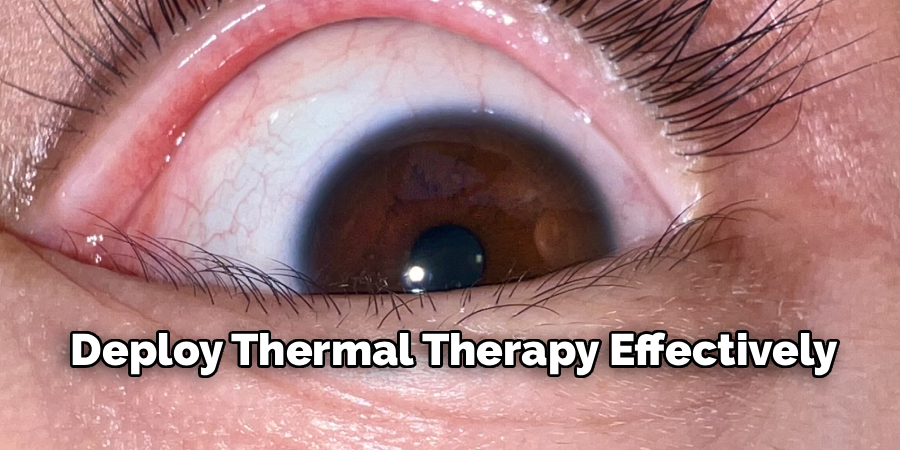
Step 2: Heating the Compressor to the Right Temperature
Prepare your specialized warm compress according to the manufacturer’s precise instructions. If using a microwaveable bead mask, heat it in short increments.
Always test the temperature against the sensitive skin on the inside of your wrist. It should feel deeply, comfortably warm, but never scalding or painful.
Step 3: Placing the Compress over Closed Eyes
Find a comfortable seated or reclined position. Close both eyes completely and gently rest the heated compress over your face.
You must leave the mask in place for a minimum of five to ten minutes. This extended duration allows the thermal energy to penetrate the thick tarsal plate and reach the deep glandular structures.
Step 4: Performing a Gentle Eyelid Massage
Once the oils are liquified by the heat, physical expression is required to clear the ducts. Use a clean fingertip or a sterile cotton swab to initiate the massage.
Roll your finger downward on the top eyelid, pushing toward the lashes. For the bottom lid, roll upward. This gentle, directional pressure forces the melted meibum out of the gland pores.
Step 5: Cleansing the Lash Line
Expressing the glands leaves a residue of oil and cellular debris along the lid margin. This material must be removed immediately to prevent re-clogging.
Use a dedicated, ophthalmologist-approved eyelid wipe to sweep across the base of the lashes. Alternatively, diluted baby shampoo on a clean cotton pad serves as a safe, mild surfactant for this specific task.
Step 6: Rinsing and Soothing the Eye Area
Conclude the physical treatment by rinsing the area thoroughly with sterile saline. Splashing the closed eyes with cool, clean water also removes any lingering cleanser.
Apply a single drop of a preservative-free artificial tear to hydrate the freshly exposed surface. This final step drastically reduces the immediate friction caused by the massage.
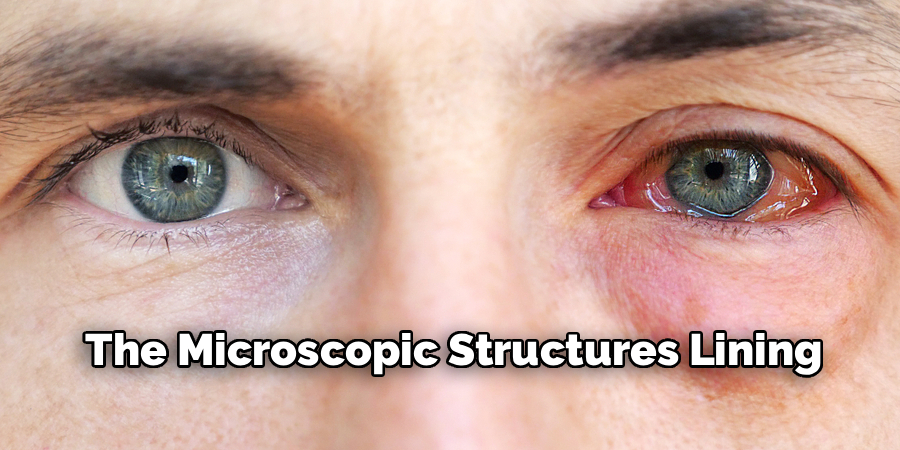
Maintaining Proper Eyelid Hygiene
Resolving the initial blockage only solves half the problem. You must implement preventative daily measures to keep the glandular pathways clear. Chronic conditions require chronic, sustained management.
Daily hygiene routines prevent the rapid accumulation of dead skin and hardened lipids. Think of it as dental flossing for your eyes.
Integrating Daily Eyelid Cleansers
Washing your face with standard cleansers rarely cleans the actual lash margin. Integrating a foaming tea tree oil eyelid cleanser every night removes microscopic debris.
These specialized washes mitigate the overpopulation of Demodex mites, which frequently cause severe lid inflammation. Consistent use keeps the glandular orifices entirely unobstructed.
The Importance of Thorough Makeup Removal
Sleeping on cosmetics is catastrophic for meibomian gland health. Eyeliner and mascara are formulated with heavy waxes and synthetic polymers.
These waterproof compounds directly plug the tiny gland openings. You must dissolve and remove all traces of cosmetics every single night to allow the eyes to breathe and lubricate properly.
Dietary Adjustments for Better Tear Production
Systemic health directly influences localized ocular functions. What you consume dictates the quality of the secretions your body produces. Treating the eye from the inside out provides a highly effective, holistic defense mechanism.
Clinical nutrition plays an undeniable role in lipid quality.
Incorporating Omega-3 Fatty Acids
Extensive studies appear to indicate that high-quality omega-3 fatty acids significantly thin the meibomian secretions. A diet rich in salmon, flaxseeds, and walnuts reduces systemic inflammation dramatically.
If dietary intake is insufficient, a highly purified fish oil supplement is strongly recommended. This nutritional intervention transforms the thick, waxy meibum back into a smooth, clear fluid over several months.
Staying Hydrated Throughout the Day
The underlying aqueous layer of the tear film relies entirely on your body’s overall hydration levels. If you are systemically dehydrated, your tear volume plummets.
Drinking adequate water throughout the afternoon supports tear production. This increased water volume perfectly complements the newly restored oil layer, ensuring a stable, comfortable eye surface.
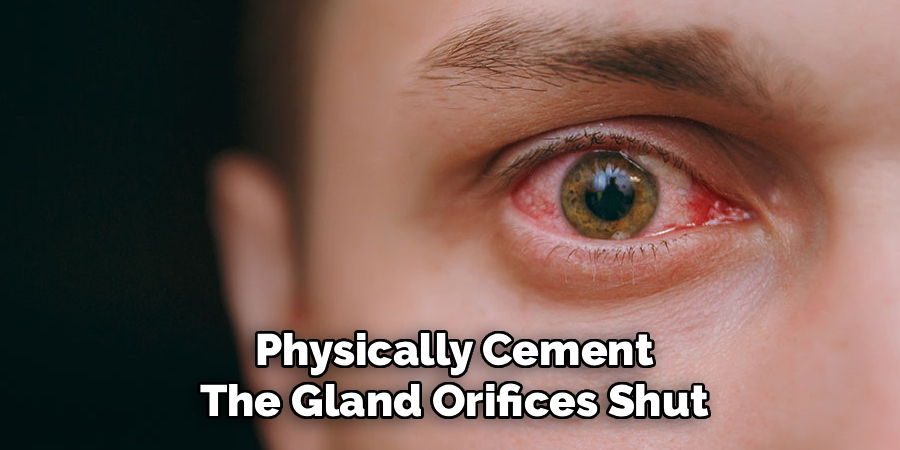
What to Avoid When Treating Blocked Glands
In an attempt to find rapid relief, patients often resort to highly dangerous home remedies. The delicate architecture of the eye cannot withstand aggressive chemical or physical assaults. You must recognize which actions actively worsen the condition.
Avoiding further trauma is just as critical as applying the correct therapy.
Avoiding Harsh Chemicals and Soaps
Standard facial astringents, alcohol-based toners, and acne washes must never touch the lid margin. These harsh chemicals strip away the minimal oils your eye is desperately trying to produce.
Applying these compounds near the tear film causes severe chemical toxicity. Stick strictly to products labeled specifically for ocular use.
The Dangers of Rubbing or Popping
It is incredibly tempting to squeeze a swollen eyelid bump like a standard pimple. You must absolutely refrain from this aggressive action.
Attempting to force a blockage out can rupture the gland internally. This internal explosion of trapped oil and bacteria frequently leads to a massive, painful chalazion or stye that may require surgical excision.
When to See a Doctor for Persistent Issues
While thermal therapy resolves the majority of mild obstructions, some blockages prove too severe for home management. Establishing a threshold for professional intervention protects your long-term visual acuity. You must know when to abandon the warm compresses.
Ophthalmologists possess advanced diagnostic tools to view the structural integrity of your eyes.
Identifying Signs of Infection
If the eyelid becomes intensely swollen, hot to the touch, or severely painful, a bacterial infection is highly probable. Thick green or yellow discharge also mandates an immediate clinical evaluation.
Any sudden decrease in visual clarity or an onset of extreme light sensitivity requires emergency attention. These symptoms could suggest a corneal ulcer rather than a simple glandular obstruction.
Professional Treatment Options
When home treatments fail, an eye care specialist can deploy targeted medical interventions. They might prescribe a short course of topical antibiotics or mild corticosteroids to halt the inflammation cascade.
For chronic disease, doctors utilize thermal pulsation devices, such as LipiFlow, to heat and physically express the glands simultaneously. In-office manual expression provides immediate, profound relief for severely impacted tissues.
Conclusion
Restoring the delicate balance of your tear film requires patience, consistency, and the correct mechanical approach. By utilizing sustained heat, gentle physical expression, and daily hygiene you can successfully manage this frustrating condition. The methods outlined here demonstrate exactly how to unclog eyelid glands without causing secondary trauma to your vision.
The key to long-term ocular comfort lies in viewing these treatments as a permanent lifestyle adjustment rather than a temporary fix. Purchase a reusable, microwaveable compress today, and begin implementing this nightly routine. Your eyes will respond to the consistent care with lasting, highly noticeable relief.

About the Author
Jane Hubbard is a passionate beauty expert with a wealth of experience in makeup, hair, and overall beauty techniques. After years of working as a hairdresser specialist, she followed her entrepreneurial spirit and started her own consultancy business.
Jane has always been driven by her desire to help others feel confident in their own skin, and she does this by sharing her knowledge, experiences, and practical beauty tips. Through her consultancy, she empowers individuals to embrace their unique beauty, offering tailored guidance that boosts both self-esteem and personal style.
Professional Focus
Specializes in makeup, hairstyling, and beauty consulting.
Provides personalized beauty advice, tips, and techniques to help individuals feel confident in their appearance.
Dedicated to staying up-to-date with the latest industry trends and developments.
Passionate about creating a comfortable and empowering experience for every client.
Education History
University of Craft and Design – Bachelor of Fine Arts (BFA) in Woodworking and Furniture Design
Woodworking Apprenticeships – Extensive hands-on training with skilled craftsmen to refine carpentry and furniture making techniques
Online Courses & Masterclasses – Continued education in advanced woodworking techniques, design principles, and specialized tools
Expertise:
Makeup artistry, hairstyling, and beauty consulting.
Personalized beauty techniques to enhance confidence and self-expression.
Educating clients on how to maintain their beauty routines at home.