

You dust on the perfect shade in the morning. By early afternoon, you glance in a mirror, and something’s off.
The color has turned darker, maybe a touch orange, possibly muddy. It happened so gradually you never caught it in the act.
That shift has a name. It’s called oxidation, and it’s far more preventable than most people assume.
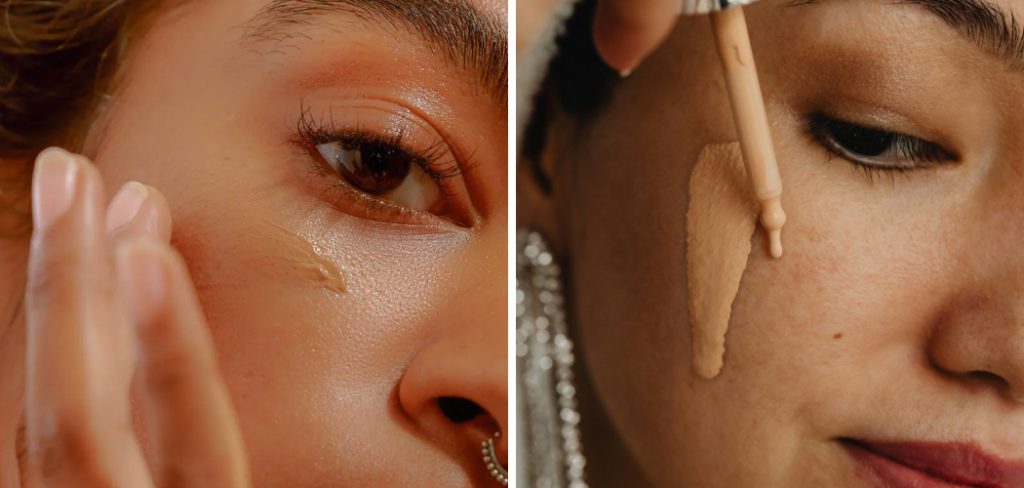
Oxidation happens when your foundation reacts with air, the natural oils on your skin, and sometimes the ingredients in your other products. As the hours pass, the tone quietly changes. Knowing how to prevent powder foundation from oxidizing comes down to a handful of small adjustments, not a whole new product lineup.
This guide walks through why it happens, what triggers it, and a step-by-step routine that keeps your shade true from morning to night. A few tweaks, and you may stop dreading that afternoon reflection.
What Oxidation Actually Means for Your Foundation
Let’s start with the science, told plainly. Understanding what’s going on takes the mystery out of the fixes.
Oxidation isn’t a flaw in you or your technique. It’s a chemical reaction, and reactions can be managed.
The Chemistry Behind the Color Shift
At its simplest, oxidation happens when the pigments in your foundation meet air and the oils on your skin. That contact nudges the formula to darken or warm up over time.
Think of a sliced apple browning on the counter. Different substance, similar idea. The pigment reacts, and the shade you started with drifts toward something deeper.
How Powder Foundation Reacts Differently
You might assume powder is safe from this. It’s dry, after all.
Not quite. Powder formulas can still oxidize once they mix with excess sebum, sweat, and certain skincare ingredients sitting underneath. The reaction may be slower than with a liquid, but it still shows up.
Why It Looks Worse by Afternoon
The timing is the tell. Oil builds up as the day goes on, and warmth speeds the whole process along.
That’s why so many people notice the darkest shift several hours after applying. Morning looks flawless; lunch tells a different story. The reaction simply needs time and oil to do its work.
Common Causes of Powder Foundation Oxidizing
Most oxidation traces back to a few everyday factors. The tricky part is that they’re invisible while they’re happening.
Spotting the culprits early gives you a real head start.
Excess Oil and Sebum
Oil is the main fuel here. An oily base gives foundation more to react with, which speeds up the color change.
You’ll usually see it worst on the shiniest areas. The forehead, the sides of the nose, the chin-wherever your skin produces the most sebum through the day.
Skincare and Primer Interactions
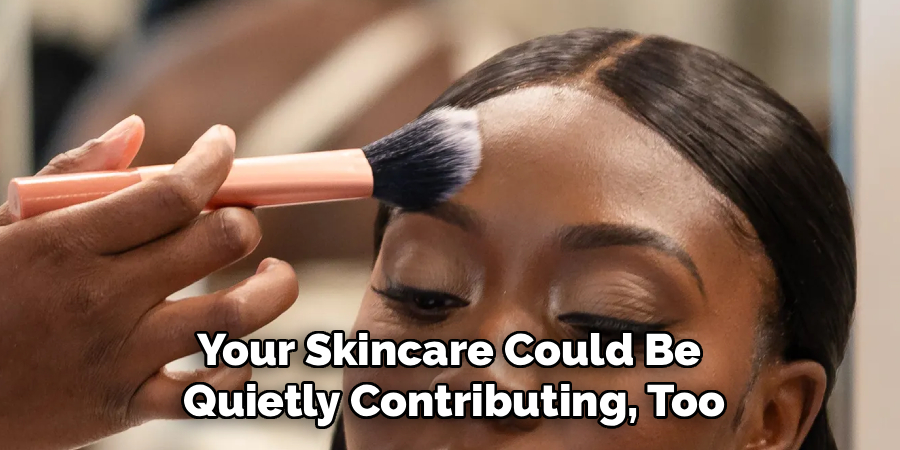
Your skincare could be quietly contributing, too. Certain active ingredients, or products that haven’t fully absorbed, can react with foundation pigments.
That interaction sometimes pushes the shade toward orange or a grayish cast. It’s not always the foundation misbehaving; occasionally it’s what’s sitting beneath it.
Choosing the Wrong Shade or Formula
Sometimes the problem starts before you even apply. Picking a shade slightly too dark leaves no room for error, so any minor shift looks obvious.
Certain formulas are also simply more prone to changing. Choose one that runs warm or dark, and you may be setting yourself up for oxidation from the first pass.
Prepping Your Skin the Smart Way
Here’s the reassuring truth. You can stop most oxidation before it starts, and it happens during prep.
A balanced base is your first line of defense. Get this right, and the rest gets much easier.
Balancing Oil With the Right Skincare
Since oil feeds the reaction, managing it early pays off. A lightweight, oil-balancing moisturizer hydrates without leaving skin greasy.
The goal isn’t to strip your skin dry, which can backfire and trigger more oil. It’s balance, keeping skin comfortable without giving foundation extra sebum to react with.
Letting Skincare Fully Absorb
This step tests your patience, and it matters more than it seems. Give your moisturizer and serums a few minutes to sink in before any makeup.
Rush it, and wet product mixes straight into your foundation. That mixing is exactly the kind of reaction you’re trying to avoid, so a short pause could save the whole look.
Using a Mattifying or Neutralizing Primer
A good primer does quiet, protective work. The right one creates a stable barrier between your skin and the foundation above.
Look for something mattifying if oil is your main issue, or a neutralizing primer if you tend toward a specific unwanted tone. Either way, it helps color stay true for longer.
Choosing Products That Resist Oxidation
Sometimes the smartest fix is choosing better from the start. The right formula and shade hold their color with far less effort on your part.
A little care at the shopping stage saves a lot of frustration later.
Selecting the Right Shade From the Start
Aim for a shade that matches your skin, not one a shade darker. Matching gives you a small margin before any minor shift becomes noticeable.
If you know your foundation tends to warm up, some people size down a half-shade to compensate. Test that carefully, though, since going too light has its own pitfalls.
Formulas Known to Stay True
Not all powders behave the same over a full day. Oil-controlling and long-wear formulas tend to resist oxidation better than richer, dewy ones.
Dewy finishes look lovely at first. But on oily skin especially, they may shift faster than a formula built to hold up against sebum.
Testing Before You Commit
The surest way to know? Wear it before you trust it.
Swatch a product and leave it on for a few hours before a big purchase. That short test reveals whether it shifts on your skin specifically, which lets you shop with real confidence rather than guesswork.
Step-by-Step Guide on How to Prevent Powder Foundation from Oxidizing
This is the part that matters most, so take it slowly the first time through. Every application after this one gets quicker and more instinctive. None of it is complicated.
Step 1: Cleanse and Balance the Skin First
Start with a clean, freshly cleansed face and a lightweight, oil-balancing moisturizer. Controlling excess oil from the very beginning removes the main fuel oxidation needs.
This quick prep sets the tone for everything that follows. Let the moisturizer absorb fully so nothing wet lingers to react with the powder later.

Step 2: Apply a Stabilizing Primer
Smooth on a thin layer of mattifying or color-neutralizing primer across the face. The primer creates a barrier that separates your skin’s oils and skincare from the foundation above.
Focus a little extra on the oil-prone zones, the forehead, nose, and chin. This simple layer is one of the most effective ways to keep color true, since it stops the reaction before it can begin.
Step 3: Set Your Base Before Foundation
Here’s a step people skip constantly. Lightly dust a translucent setting powder over the primer, especially on oily areas, before your foundation goes on.
This creates a dry, stable surface, so the powder foundation isn’t sitting directly against fresh oils. Keep a light hand to keep the finish natural. That thin buffer can dramatically slow the shade shift you usually see by afternoon.

Step 4: Apply Powder Foundation in Thin Layers
Buff on the foundation in thin, buildable layers using a fluffy brush. Lighter layers react less and blend more evenly than one heavy application.
Build coverage only where you actually need it, checking the tone as you go. A light, even veil holds its color far better than a thick coat that traps oil underneath.
Step 5: Lock It In With a Setting Spray
A fine mist of long-wear setting spray fuses the layers together and shields the finish from air and oil. It’s the seal on all your careful work.
This step helps lock the color in place, so the foundation is less exposed to the elements that trigger oxidation over the hours ahead. Let it dry fully before touching your face.
Step 6: Blot and Touch Up Without Rebuilding
As the day goes on, blot away excess oil with a tissue or blotting paper. Resist piling on more powder, tempting as it is.
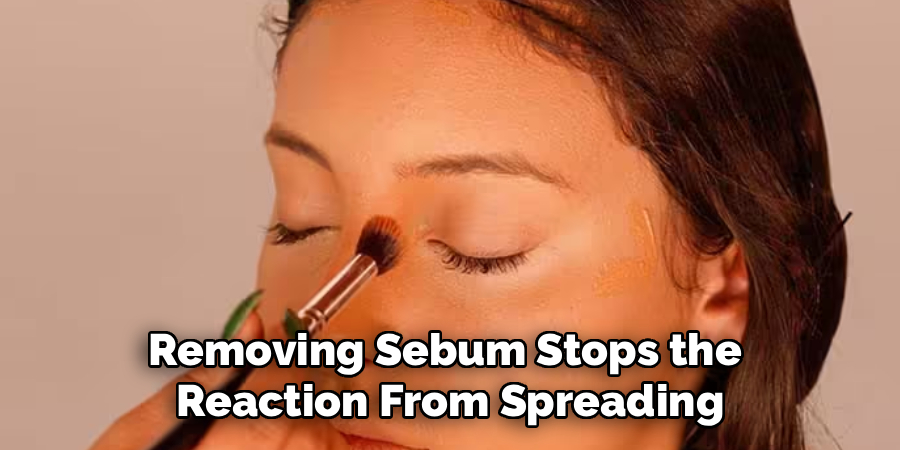
Removing sebum stops the reaction from spreading. A gentle blot, followed by a light dusting only where you need it, keeps the shade fresh without heavy buildup that reads as cakey.
Locking In True Color All Day
Application is only half the battle. The real test of oxidation plays out over the hours that follow, when oil and warmth get to work.
A few habits keep your shade consistent long after you’ve left the house.
The Power of Oil Control
Managing shine through the day is your strongest tool. Blotting papers and a light touch of powder keep sebum from reacting with the foundation and shifting the tone.
The instinct is to attack shine with more product. In practice, controlling oil at the source works far better than layering over it.
Smart Midday Touch-Ups
When your finish looks tired, refresh with restraint. A quick blot and a whisper of powder beat a full reapplication every time.
Rebuilding your whole face midday tends to look heavy and only adds more product to oxidize. Less really is more here, and it keeps the color balanced and natural.
Using a Setting Spray as a Sealer
That final mist does more than lock things in place. It adds a protective layer that slows the air and oil exposure behind oxidation.
Think of it as a light shield over everything you’ve built. A couple of even passes, allowed to dry, and your color has a better chance of lasting.
Common Mistakes to Avoid
Small slip-ups happen to nearly everyone, so don’t be discouraged. Recognizing the usual ones simply helps you sidestep them faster.
Most oxidation problems trace back to one of these three habits.
Applying Foundation Over Wet Skincare
Rushing before your products absorb is a common misstep. Wet skincare mixes into the foundation and triggers the very reaction you’re trying to prevent.
The fix costs you nothing but a minute or two. Let everything settle first, and you remove one of the biggest oxidation triggers outright.
Choosing a Shade Too Dark
Starting with a darker shade leaves no margin for error. Even slight oxidation quickly looks obvious and muddy on that foundation.
A shade that genuinely matches your skin gives you breathing room. Any minor shift stays far less noticeable, which is exactly what you want.
Piling On More Powder Instead of Blotting
When shine shows up, the temptation is to bury it under fresh powder. That just traps the reaction underneath and builds a heavy, uneven layer.
A simple blot solves the real problem. Remove the oil first, then add a light touch of powder only if you truly need it.
Building a Routine That Keeps Color Fresh
Knowing all this helps only if it becomes a habit. A repeatable routine keeps your foundation looking true without much thought each morning.
The trick is keeping it simple enough that you’ll actually stick with it.
A Simple Daily Prep Ritual
A quick morning rhythm carries most of the weight. Balance the skin, prime, set the base, then apply.
That short sequence gives your foundation the stable footing it needs to resist shifting. Keep it streamlined, and it becomes second nature within a week or two.
Adjusting for Weather and Activity
Your routine shouldn’t stay rigid year-round. Humid days and active plans call for extra oil control, plain and simple.
So adapt your touch-ups to the conditions. A hot afternoon or a busy day on your feet may need more frequent blotting than a quiet one indoors.
Keeping a Touch-Up Kit Handy
A small kit makes midday maintenance effortless. Blotting papers, your compact, and a mini setting spray cover nearly every situation.
Tuck it into your bag and forget about it until you need it. Having the right tools on hand means you protect your color wherever the day takes you.
Conclusion
Learning how to prevent powder foundation from oxidizing turns out to be simpler than that afternoon color shift makes it feel. Most of it comes down to managing oil and building a stable base before you ever pick up your foundation.
There’s a quiet satisfaction in catching your reflection late in the day and seeing the same fresh, true shade you started with. No orange cast, no muddy surprise, just the color you chose this morning.
The path stays the same each time. Balanced prep, a stabilizing primer, a set base, thin layers, a sealing spray, then mindful blotting rather than piling on more powder.
So try these steps today and treat each one as a small act of care for the finish you worked to get. Do it consistently, and true color from morning to night may stop feeling like luck and start feeling like the norm.

About the Author
Jane Hubbard is a passionate beauty expert with a wealth of experience in makeup, hair, and overall beauty techniques. After years of working as a hairdresser specialist, she followed her entrepreneurial spirit and started her own consultancy business.
Jane has always been driven by her desire to help others feel confident in their own skin, and she does this by sharing her knowledge, experiences, and practical beauty tips. Through her consultancy, she empowers individuals to embrace their unique beauty, offering tailored guidance that boosts both self-esteem and personal style.
Professional Focus
Specializes in makeup, hairstyling, and beauty consulting.
Provides personalized beauty advice, tips, and techniques to help individuals feel confident in their appearance.
Dedicated to staying up-to-date with the latest industry trends and developments.
Passionate about creating a comfortable and empowering experience for every client.
Education History
University of Craft and Design – Bachelor of Fine Arts (BFA) in Woodworking and Furniture Design
Woodworking Apprenticeships – Extensive hands-on training with skilled craftsmen to refine carpentry and furniture making techniques
Online Courses & Masterclasses – Continued education in advanced woodworking techniques, design principles, and specialized tools
Expertise:
Makeup artistry, hairstyling, and beauty consulting.
Personalized beauty techniques to enhance confidence and self-expression.
Educating clients on how to maintain their beauty routines at home.