

To clean stainless steel tweezers, rinse under warm water, scrub with dish soap, disinfect with isopropyl alcohol, treat any rust with white vinegar, and dry completely before storing. The full seven-step process takes under ten minutes and can meaningfully extend the life and safety of your tool.
Tweezers are one of those tools that get used constantly and cleaned almost never. They sit in a makeup bag, a first-aid kit, a craft drawer—quietly doing their job until one day they don’t grip the way they used to, or worse, cause a small infection after contact with broken skin. Most people reach for a new pair before they ever think to clean the one they have.
That’s worth reconsidering. Stainless steel tweezers, when maintained properly, can last for years. The cleaning process is genuinely simple—no specialized equipment, nothing you don’t already have at home. This guide on how to clean stainless steel tweezers covers everything: why regular cleaning matters, what supplies to gather, and a step-by-step routine that takes less time than brewing a cup of coffee.
Why Cleaning Stainless Steel Tweezers Actually Matters?
Every time tweezers contact skin, they pick up bacteria, skin oils, and whatever residue happens to be nearby—dried makeup, adhesive, debris from a craft project. That buildup isn’t just cosmetic. Bacteria like Staphylococcus aureus can survive on metal surfaces for hours, sometimes longer, which raises a real concern when tweezers are used near ingrown hairs, splinters, or any small break in the skin.
Beyond hygiene, there’s the performance side. Residue and moisture degrade the metal over time, leading to rust that softens the tips and reduces gripping precision. A pair of tweezers that once caught a single hair cleanly may start to slip—and repeated failed grabs near the skin can cause unnecessary irritation.
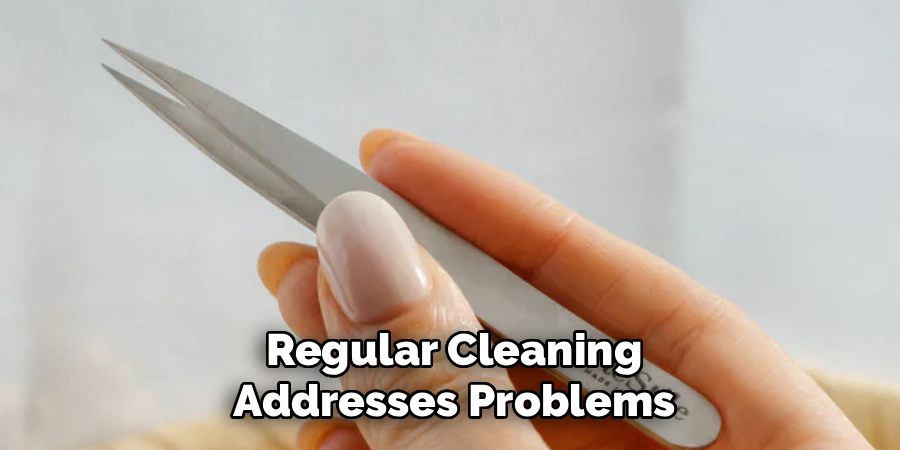
Regular cleaning addresses both problems at once.
Supplies You’ll Need
- Rubbing alcohol
- Cotton pads or balls
- A small container (optional)
7 Simple Step-By-Step Guidelines On How To Clean Stainless Steel Tweezers
Step 1: Rinse The Tweezers Under Warm Water
Hold the tweezers under warm running water for about 30 seconds. This loosens surface-level debris before any cleaning product gets involved. Open and close the tips a few times while rinsing—this flushes out anything trapped between them.
One note: avoid hot water at this stage. Extreme heat may affect the spring tension of finer precision tweezers, particularly those with thinner metal near the tips.
Step 2: Apply Dish Soap And Scrub Gently
Add a small drop of mild dish soap to a soft-bristled toothbrush, then scrub the entire surface of the tweezers. The inner edges and the tip area tend to collect the most residue, so spend a little extra time there.
Light, circular motions work better than hard back-and-forth strokes, which can scratch the metal finish over time. Aim for at least 30 to 60 seconds of scrubbing to get thorough coverage.
Step 3: Rinse Thoroughly To Remove Soap Residue
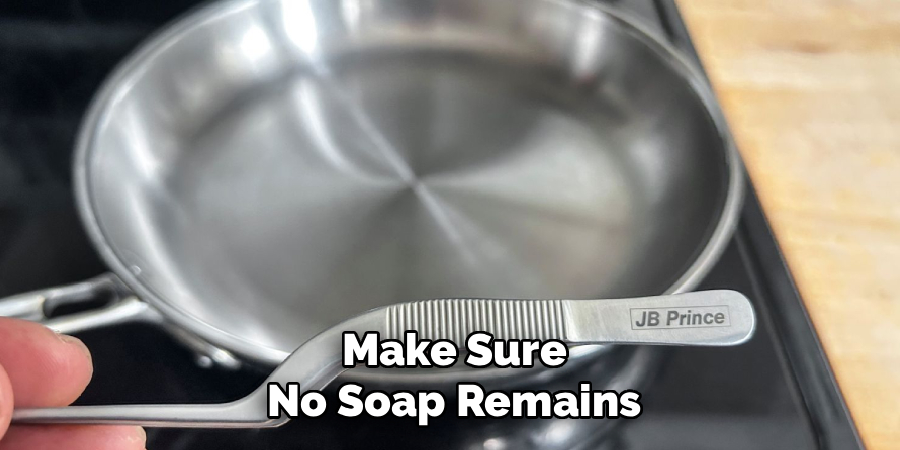
Rinse completely under warm water, making sure no soap remains—especially around the tips. Leftover soap film can attract new debris faster than a clean metal surface would.
After rinsing, hold the tweezers up to the light and inspect the tips closely. Any remaining dullness or buildup visible at this stage suggests a second round of scrubbing before moving on.
Step 4: Disinfect With Isopropyl Alcohol
Dampen a cotton ball with isopropyl alcohol at 70% concentration or higher, and wipe down the entire surface, focusing on the tips. Then let the alcohol sit for at least 30 seconds before wiping away. That dwell time appears to be what makes the difference—wiping immediately reduces its effectiveness against bacteria significantly.
Hydrogen peroxide works as an alternative if isopropyl alcohol isn’t available. Apply it the same way, allow it to sit briefly, then rinse and dry.
Step 5: Address Any Rust Spots
Orange or brown discoloration is rust, and it’s worth treating early before it spreads to the tip structure. Soak the tweezers in undiluted white vinegar for 10 to 15 minutes, then scrub the affected areas with a toothbrush. For spots that don’t lift easily, a fine-grit nail file or a small piece of steel wool can help—use light pressure to avoid scratching deeper into the metal than necessary.
Rinse thoroughly after treating rust. Vinegar left on the surface can itself cause corrosion over time if not removed.
Step 6: Dry Completely Before Storing
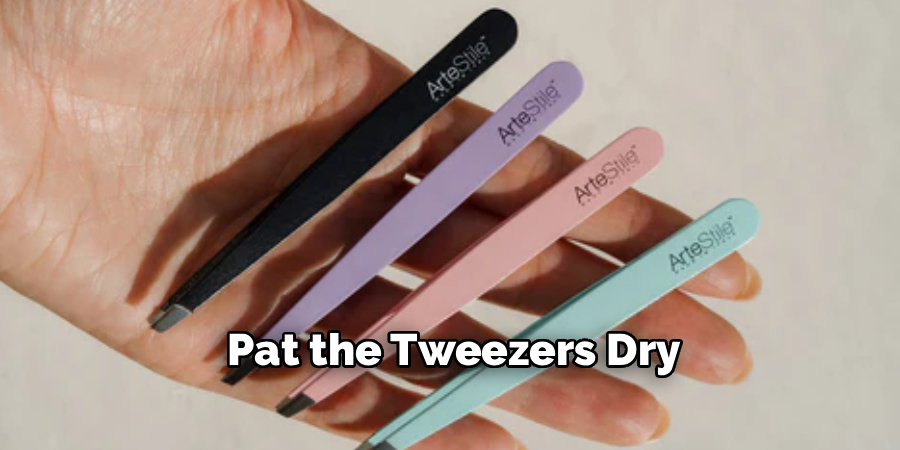
This step gets skipped more than any other, and it’s arguably the most important. Pat the tweezers dry with a clean cloth, then leave them in a dry area—not a closed drawer, not a makeup bag—for several minutes before putting them away.
Moisture is the main driver of rust on stainless steel tools. Storing tweezers while still slightly damp creates the exact conditions rust needs to take hold. A few minutes of air-drying costs nothing and could add years to the lifespan of a quality pair.
Step 7: Align And Test The Tips
Once clean and dry, hold the tweezers up and press the tips together gently. They should meet evenly along their entire length, with no visible gap. Even a small misalignment reduces gripping ability on fine tasks like ingrown hair removal or splinter extraction.
If the tips are slightly off, you can carefully bend them back into position using your fingers or a flat surface. Apply minimal pressure—too much force at once may warp the metal rather than correct it.
Following these steps on how to clean stainless steel tweezers can help maintain their quality and prolong their lifespan.
Common Mistakes To Avoid
When maintaining stainless steel tweezers, there are a few common mistakes to watch out for:
Using Harsh Chemicals
Avoid cleaning your tweezers with bleach or other harsh chemicals, as these can damage the stainless steel and cause corrosion over time.
Skipping Regular Cleaning
Neglecting to clean your tweezers regularly can lead to a buildup of dirt, oils, or bacteria, which may compromise their performance and hygiene.
Storing in Damp Environments
Keeping tweezers in damp or humid areas, such as a bathroom, can encourage rusting and reduce their lifespan.
Excessive Force During Adjustment
Over-bending or applying too much force while trying to align the tweezers’ tips can permanently damage the metal, making them less effective.
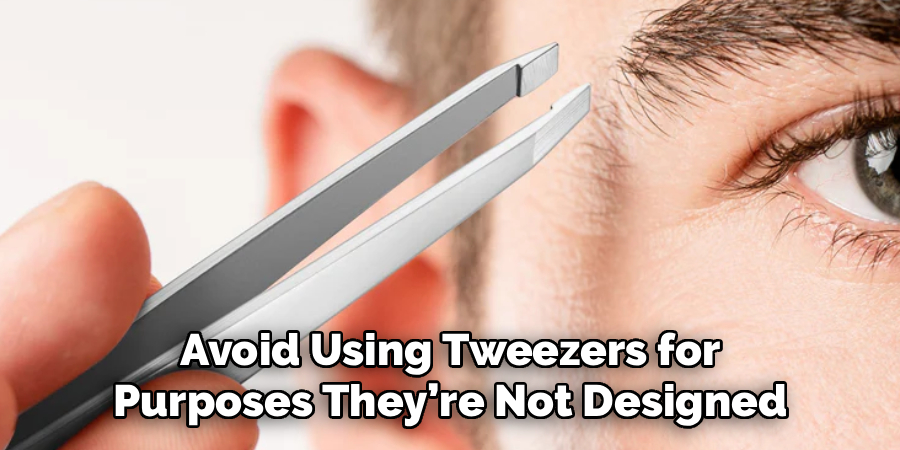
Using Them for the Wrong Tasks
Avoid using tweezers for purposes they’re not designed for, such as prying open objects, as this can dull the tips and weaken their structure.
By being mindful of these common mistakes, you can ensure your stainless steel tweezers remain in excellent condition for years to come.
How Often Should You Replace Tweezers?
With consistent care, a quality pair of stainless steel tweezers could reasonably last a decade or more. The clearer question is when to stop trying to maintain them. If the tips no longer close evenly despite realignment attempts, or if the metal shows deep pitting and rust that can’t be scrubbed away, replacement makes more sense than continued repair.
For regular users, a quality replacement every two to three years is a fair general expectation—though good maintenance habits may push that timeline considerably further.
Tips To Keep Tweezers In Good Condition
Cleaning is only part of the equation. Day-to-day storage and handling habits have a measurable impact on longevity:
- Store in a dry case or pouch to protect tips from moisture and physical damage
- Keep them away from damp environments like shower shelves or sink edges
- Avoid dropping them on hard surfaces—a single fall can chip or bend the tips
- Apply a tiny amount of mineral oil to the pivot point every few months to maintain smooth movement
- Clean after every use if the tweezers contact broken skin; for general grooming use, once a week is reasonable
Frequently Asked Questions
Can I Use Hydrogen Peroxide Instead Of Isopropyl Alcohol To Disinfect Tweezers?
Yes. Hydrogen peroxide is an effective alternative. It releases oxygen on contact with organic material, which helps kill bacteria and break down residue. Apply with a cotton pad, let it sit for 30 seconds, then rinse and dry thoroughly. Both options are accessible and safe for use on metal tools.
Is It Safe To Boil Stainless Steel Tweezers To Sterilize Them?
Generally, no—at least not for home use. While boiling may seem like the most thorough approach, prolonged heat can weaken spring tension and, in some cases, cause subtle warping over time. Isopropyl alcohol disinfection is safer, equally effective for hygienic purposes, and carries no risk of heat damage.
How Do I Remove Stubborn Makeup Or Adhesive Residue From Tweezers?
Soak the tweezers in warm, soapy water for five to ten minutes before scrubbing. For residue that doesn’t lift easily, apply isopropyl alcohol directly to the affected area and allow it to sit for about a minute before wiping. Avoid acetone or nail polish remover—both can be too aggressive for the metal finish.
Keep Your Tweezers Clean, Keep Them Effective
Clean tweezers are a safety and performance necessity. A consistent routine—rinse, scrub, disinfect, dry, check alignment—takes under ten minutes and protects both your skin and a tool worth maintaining.
Follow the seven steps on how to clean stainless steel tweezers regularly, catch rust and misalignment early, and a quality pair of stainless steel tweezers will stay sharp and reliable far longer than most people expect.

About the Author
Jane Hubbard is a passionate beauty expert with a wealth of experience in makeup, hair, and overall beauty techniques. After years of working as a hairdresser specialist, she followed her entrepreneurial spirit and started her own consultancy business.
Jane has always been driven by her desire to help others feel confident in their own skin, and she does this by sharing her knowledge, experiences, and practical beauty tips. Through her consultancy, she empowers individuals to embrace their unique beauty, offering tailored guidance that boosts both self-esteem and personal style.
Professional Focus
Specializes in makeup, hairstyling, and beauty consulting.
Provides personalized beauty advice, tips, and techniques to help individuals feel confident in their appearance.
Dedicated to staying up-to-date with the latest industry trends and developments.
Passionate about creating a comfortable and empowering experience for every client.
Education History
University of Craft and Design – Bachelor of Fine Arts (BFA) in Woodworking and Furniture Design
Woodworking Apprenticeships – Extensive hands-on training with skilled craftsmen to refine carpentry and furniture making techniques
Online Courses & Masterclasses – Continued education in advanced woodworking techniques, design principles, and specialized tools
Expertise:
Makeup artistry, hairstyling, and beauty consulting.
Personalized beauty techniques to enhance confidence and self-expression.
Educating clients on how to maintain their beauty routines at home.