

Wash microfiber makeup towels in warm water using a gentle, fragrance-free detergent on a delicate cycle. Add half a cup of white vinegar to eliminate odors, skip fabric softener entirely, and air dry or tumble dry on the lowest heat setting to preserve the fibers.
Microfiber makeup towels can quietly become one of the more problematic items in your beauty routine—not because they’re hard to use, but because they’re easy to ruin in the wash. A towel that’s been cleaned with the wrong detergent or dried on high heat may look fine on the outside while quietly losing the very properties that made it useful in the first place.
Done right, washing these towels takes minimal effort and costs almost nothing. This guide on how to wash microfiber makeup towels covers every step of the process—from materials to common mistakes—so you can keep your towels performing well for as long as possible.
Why Microfiber Makeup Towels are Popular?
There are a few key reasons why microfiber makeup towels have become so popular in recent years. First, they’re incredibly soft and gentle on the skin, making them ideal for removing makeup without any harsh scrubbing or tugging. They’re also highly absorbent, able to soak up even waterproof makeup with ease.
Additionally, microfiber makeup towels are durable and long-lasting. With proper care, these towels can last for hundreds of washes without losing their softness or absorbency. This makes them a cost-effective choice for those who want to avoid constantly buying disposable cotton pads or wipes.
But perhaps one of the biggest draws of microfiber makeup towels is their sustainability. Traditional cotton pads and wipes are often single-use items that end up in landfills, contributing to environmental pollution. In contrast, microfiber towels can be washed and reused multiple times, reducing waste and helping to conserve resources.
Microfiber makeup towels are also versatile and can be used for more than just removing makeup. They are great for applying toners or essences, as well as for removing face masks without creating a mess. Some people even use them as body towels due to their softness and absorbency.
What You’ll Need Before You Start
- Microfiber makeup towels
- Gentle detergent (preferably one with no fragrance or additives)
- A washing machine and dryer (optional)
- Sink or basin for hand washing
- Stain remover (for tougher stains)
8 Steps on How to Wash Microfiber Makeup Towels
Step 1: Shake Off Loose Debris
Before anything touches water, take each towel outside or hold it over a trash can and shake it firmly. Loose powder, dry foundation, and surface-level particles will dislodge easily—particles that would otherwise circulate through your entire wash. It takes seconds and noticeably improves the end result.
Step 2: Pre-Treat Stubborn Stains
Foundation, mascara, and lipstick tend to cling. Apply a small amount of gentle liquid detergent directly to the stained area and work it in gently with your fingertips using circular motions. Let it sit for five to ten minutes before washing.
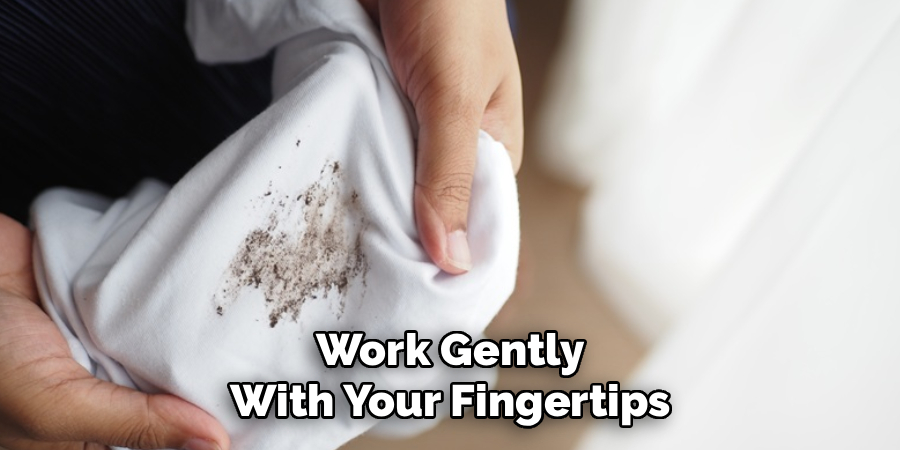
For oil-based products specifically, a single drop of dish soap may help break down the grease without damaging the fabric.
Step 3: Sort Your Towels Separately
Microfiber attracts lint at an almost magnetic level. Washing these towels alongside cotton, terry cloth, or fluffy fabrics will leave them covered in fibers that reduce their effectiveness significantly.
Wash microfiber towels on their own—or at a minimum, only with other microfiber items. Placing them inside a mesh laundry bag adds a second layer of protection.
Step 4: Choose the Right Water Temperature
Set your machine to warm, not hot. High heat causes microfiber to shrink and warp over time, gradually stripping the fabric of its ability to lift oils and makeup from skin. Cold water, on the other hand, often falls short with heavier product buildup. Warm water sits in the effective middle: thorough enough to clean, gentle enough to preserve.
Step 5: Use a Gentle, Fragrance-Free Detergent—and Skip the Softener
Pour in a small amount of liquid detergent, and avoid fabric softener entirely. Softener coats individual microfiber strands, dramatically reducing their absorbency. The same applies to detergents containing optical brighteners, bleach, or strong fragrances—these can irritate skin on contact and accelerate fabric wear.
Step 6: Add White Vinegar to the Rinse Cycle
Half a cup of white vinegar added during the rinse cycle—or directly to your wash basin—works as a natural fabric softener, clears out detergent buildup, and neutralizes the bacteria-and-makeup odor that accumulates with regular use.
The vinegar smell dissipates completely once the towel dries. No lingering scent, no chemical residue.
Step 7: Run a Gentle Wash Cycle
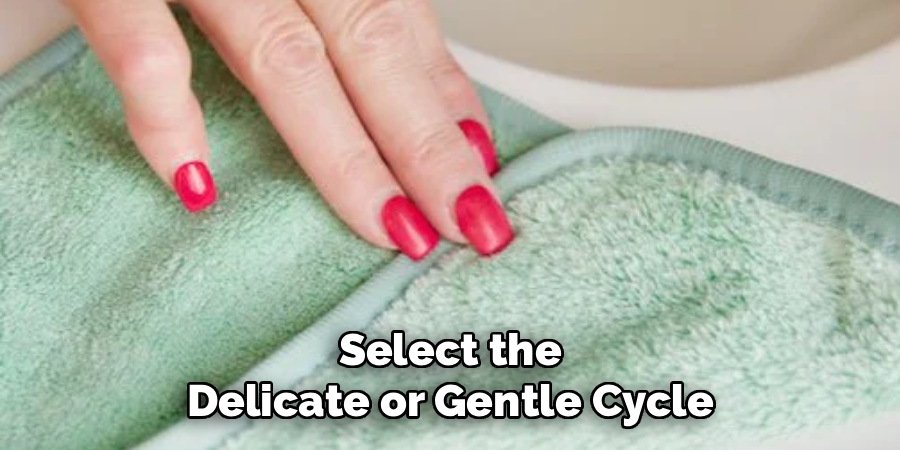
Select the delicate or gentle cycle. Standard or heavy-duty cycles use agitation levels that can cause microfiber to fray, pill, and lose texture faster than expected.
Hand washing? Gently knead and squeeze the towels in warm, soapy water for a few minutes, then rinse until the water runs clear. Avoid wringing or twisting—this distorts the fabric’s shape and weakens the fibers over time.
Step 8: Air Dry or Use the Lowest Heat Setting
High heat is the single biggest threat to microfiber longevity. It melts the synthetic fibers, reduces softness, and shortens the towel’s lifespan considerably. Air drying is always the safest option.
If you use a dryer, keep it on the lowest heat setting available—and skip the dryer sheets. Like fabric softener, they leave a coating that impairs performance.
Following these steps on how to wash microfiber makeup towels will help keep them looking and feeling like new for longer. But it’s also essential to know when it’s time to replace your towels.
If you notice that the towel is not as absorbent or soft as it used to be, or if you see any signs of wear and tear, such as fraying or discoloration, it may be time to retire the towel and invest in a new one. With proper care and maintenance, microfiber makeup towels can last for a long time, but eventually, they will need to be replaced.
When it’s time to replace your towels, make sure to properly dispose of them. Microfiber is not biodegradable and should not be flushed down the toilet or thrown in the trash. Instead, check with your local recycling program to see if they accept microfiber products. If not, you can also repurpose old towels for cleaning or use them as rags around the house.
Common Mistakes That Damage Microfiber Towels
Even well-intentioned laundry habits can cause real damage. The ones that come up most often:
- Using fabric softener or dryer sheets, which coat and clog microfiber with each wash
- Washing at high temperatures, which degrades the synthetic fibers and causes shrinkage
- Mixing with cotton or terry cloth, which transfers lint and reduces cleaning effectiveness
- Using too much detergent, which leaves residue that builds up inside the fibers and causes odors
- Waiting too long between washes, allowing bacteria and makeup to set deeply into the fabric
How Much Does It Cost to Wash Microfiber Towels at Home?
Not much. Here’s a rough breakdown:
- Gentle fragrance-free detergent: $8–$15 per bottle, lasting many wash cycles
- White vinegar: $3–$5 for a large bottle, enough for dozens of washes
- Mesh laundry bags: $5–$12 for a pack—a one-time purchase
- Electricity and water: Minimal, often just a few cents per gentle cycle
The total ongoing cost per wash is negligible. Far less, in any case, than replacing towels that were damaged by the wrong care routine.
Frequently Asked Questions
How Often Should You Wash Microfiber Makeup Towels?
After every one to three uses, depending on how much product you apply. Daily makeup users accumulate bacteria, oil, and pigment quickly—all of which can transfer back onto skin and contribute to breakouts. Regular washing maintains hygiene, preserves texture, and ensures the towel continues removing makeup effectively rather than redistributing it.
Can You Use Bleach to Disinfect Microfiber Makeup Towels?
No. Bleach breaks down synthetic fibers rapidly, causing the towel to lose its texture, softness, and ability to attract and trap makeup particles. For disinfection, white vinegar added to the wash cycle is a safer, effective alternative—it eliminates bacteria and neutralizes odors without compromising the fabric.
How Long Do Microfiber Makeup Towels Last With Proper Care?
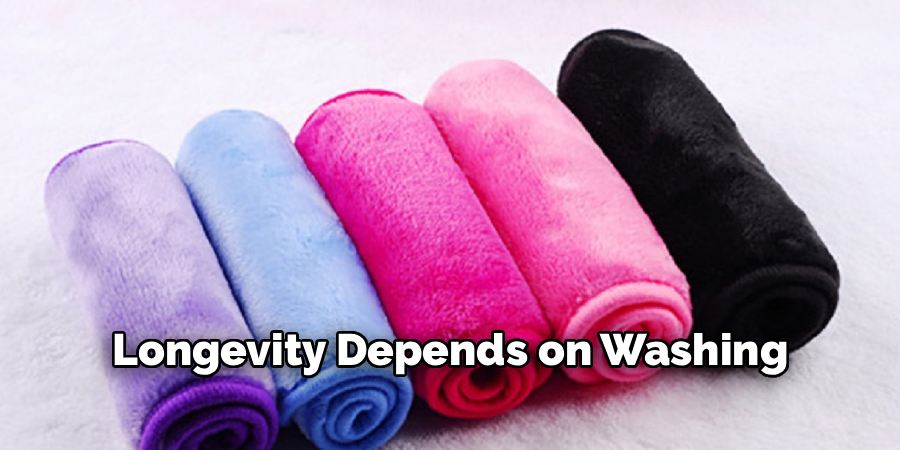
With consistent care, high-quality microfiber makeup towels typically last one to three years. Longevity depends on washing temperature, detergent choice, drying method, and frequency of use. Avoiding high heat, fabric softeners, and heavy wash cycles extends their lifespan considerably.
Can You Hand-Wash Microfiber Makeup Towels?
Yes, and for smaller loads, hand washing is often the gentler option. Fill a clean basin with warm water, add a small amount of gentle detergent, and knead the towels softly for a few minutes. Rinse thoroughly until the water runs clear, then lay flat or hang to dry. Avoid any wringing or twisting.
Keep Your Towels—and Your Skin—in Good Shape
Proper care for microfiber makeup towels makes a meaningful difference: cleaner skin, more effective makeup removal, and a longer product life that saves money over time.
The process requires nothing complicated—warm water, the right detergent, and a splash of white vinegar. Build it into your regular laundry routine, sidestep the common pitfalls outlined above, and your towels will stay soft, absorbent, and effective for years.
Next laundry day, run through these steps on how to wash microfiber makeup towels once. The habit forms quickly.

About the Author
Jane Hubbard is a passionate beauty expert with a wealth of experience in makeup, hair, and overall beauty techniques. After years of working as a hairdresser specialist, she followed her entrepreneurial spirit and started her own consultancy business.
Jane has always been driven by her desire to help others feel confident in their own skin, and she does this by sharing her knowledge, experiences, and practical beauty tips. Through her consultancy, she empowers individuals to embrace their unique beauty, offering tailored guidance that boosts both self-esteem and personal style.
Professional Focus
Specializes in makeup, hairstyling, and beauty consulting.
Provides personalized beauty advice, tips, and techniques to help individuals feel confident in their appearance.
Dedicated to staying up-to-date with the latest industry trends and developments.
Passionate about creating a comfortable and empowering experience for every client.
Education History
University of Craft and Design – Bachelor of Fine Arts (BFA) in Woodworking and Furniture Design
Woodworking Apprenticeships – Extensive hands-on training with skilled craftsmen to refine carpentry and furniture making techniques
Online Courses & Masterclasses – Continued education in advanced woodworking techniques, design principles, and specialized tools
Expertise:
Makeup artistry, hairstyling, and beauty consulting.
Personalized beauty techniques to enhance confidence and self-expression.
Educating clients on how to maintain their beauty routines at home.