

To remove nail glue from fabric, let the glue dry completely, then gently scrape off the excess before applying acetone or rubbing alcohol to the stain. Work from the outside in, rinse thoroughly, and launder as usual. Always test any solution on a hidden area first to avoid damaging the fabric.
Nail glue is one of the strongest adhesives you’ll find in a beauty kit—and for good reason. It bonds fast and holds firm. But when it lands on your favorite shirt, jeans, or upholstery, that same strength becomes a real headache.
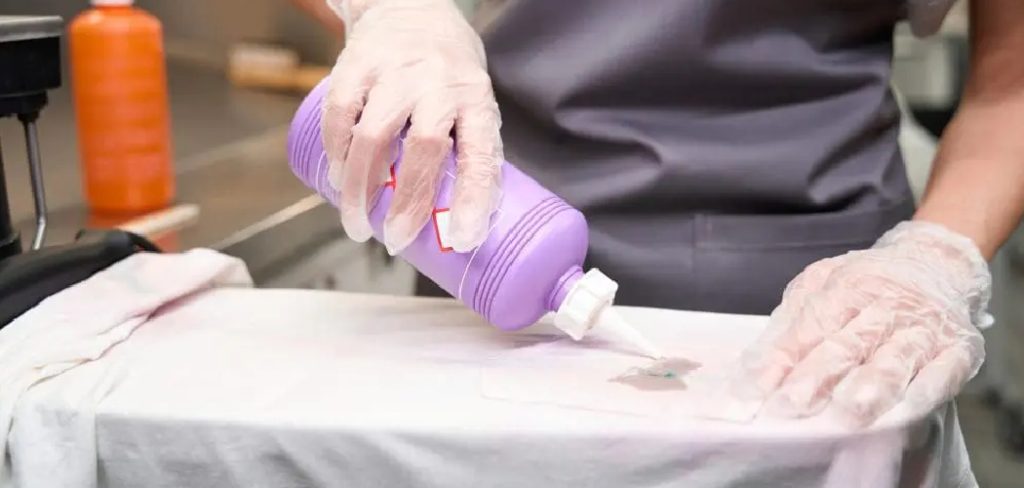
The good news? With the right approach, removing nail glue from fabric is entirely doable. The catch is that rushing in with the wrong product—or the wrong technique—can make things significantly worse. This guide on how to remove nail glue from fabric walks you through exactly what to do, what to skip, and how to restore your fabric without causing more damage in the process.
Understanding How Nail Glue Bonds to Fabric
Nail glue is typically made from cyanoacrylate, the same compound found in super glue. When it meets fabric, it seeps into the fibers and hardens rapidly, creating a bond that resists water and most standard cleaning products.
Successful removal depends on understanding this chemistry. Cyanoacrylate bonds break down when exposed to solvents like acetone—the active ingredient in most nail polish removers. That said, not all fabrics respond the same way. Delicate materials like silk, wool, or acetate can be damaged by acetone, which is why testing your chosen solution on a hidden area is always the first move.
One more thing worth knowing: a partially dried glue stain is actually harder to treat than one that has fully cured. Scrubbing at wet glue only pushes it deeper into the fibers. Patience and the right technique will take you much further than speed ever will.
8 Steps on How to Remove Nail Glue From Fabric
Step 1: Let the Glue Dry Completely
Resist the urge to wipe or rub fresh nail glue. Doing so spreads the adhesive and drives it deeper into the fabric. Leave it alone and let it dry completely.
Once hardened, glue sits on top of the fibers rather than being absorbed into them—which makes it far easier to work with. This single step can simplify everything that follows.
Step 2: Scrape Off the Excess Glue
With the glue fully dry, use a dull knife, a spoon, or the edge of a credit card to gently scrape away as much of the hardened adhesive as possible. Work slowly, lifting the glue from the surface without pulling at the fabric threads.
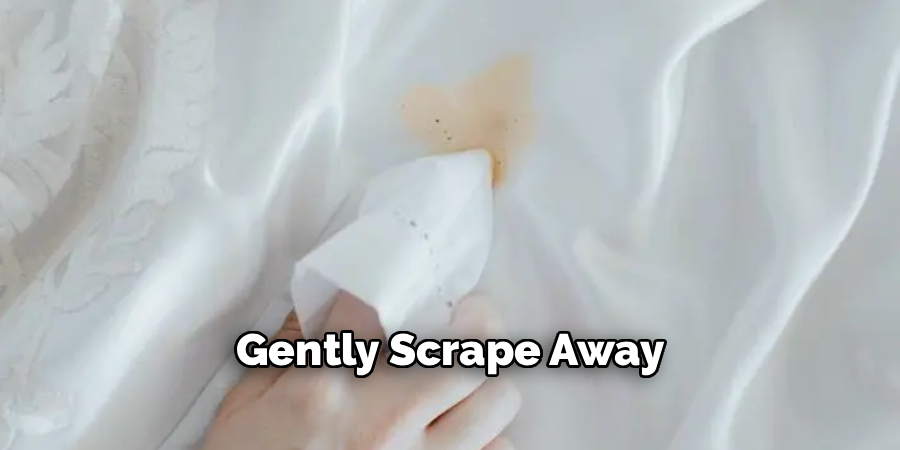
Sharp tools are a bad idea here—they can snag or cut the fibers. The goal is simply to reduce how much adhesive you’ll need to dissolve later, which makes the remaining steps more manageable.
Step 3: Test Your Solvent on a Hidden Area
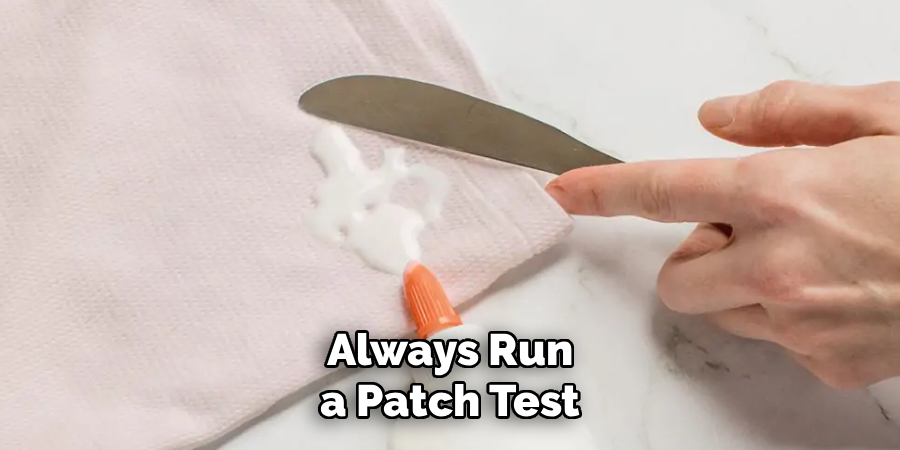
Before applying any cleaning solution to the stain, test it on an inconspicuous spot—an inner seam or hem works well. Apply a small amount, wait a few minutes, then check for discoloration, shrinkage, or any other sign of damage.
This step matters more than people think, particularly for colored or delicate fabrics. Acetone can strip dye from certain materials. Catching that early saves you from replacing the whole garment. If the test area looks fine, you’re ready to move forward.
Step 4: Apply Acetone or Rubbing Alcohol to the Stain
For most fabrics, acetone-based nail polish remover is the most effective solvent for dissolving cyanoacrylate glue. Dampen a cotton ball or clean cloth with acetone and gently dab it onto the stained area—no rubbing, as this can spread the stain further.
If your fabric is acetone-sensitive—silk, wool, and acetate all fall into this category—rubbing alcohol (isopropyl alcohol) is a gentler alternative. Apply it using the same dabbing motion, working patiently and reapplying as needed. Both solvents break down the cyanoacrylate bond without requiring excessive force.
Step 5: Work from the Outside In
Always start at the outer edges of the stain and work toward the center. This keeps the glue contained as you treat it, rather than spreading it into clean areas of the fabric.
Use a clean section of cloth or a fresh cotton ball each time you dab. A soiled section risks redepositing dissolved glue onto clean fabric, which defeats the purpose. Slow, deliberate movements yield far better results than hasty scrubbing.
Step 6: Blot and Repeat as Needed
Nail glue rarely lifts in a single treatment. After each application of solvent, blot the area with a clean, dry cloth to absorb both the solvent and any loosened glue. Then take stock of where the stain stands.
If glue remains, apply another round of solvent and repeat. Multiple light treatments are far safer—and more effective—than one aggressive application. Keep going until the stain has visibly diminished or disappeared.
Step 7: Rinse the Fabric Thoroughly
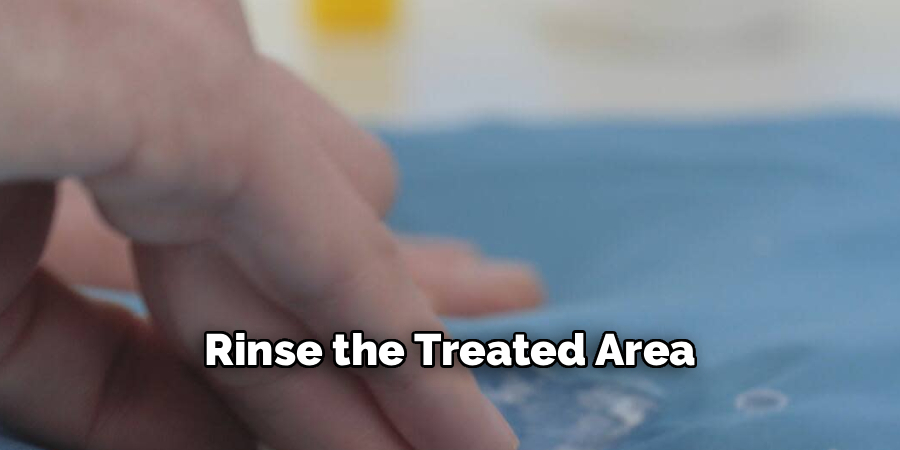
Once the glue stain is gone, rinse the treated area thoroughly with cold water to flush out any remaining solvent. Acetone or alcohol left sitting in fabric can cause long-term fiber damage or discoloration if not properly washed out.
Hold the fabric under cold running water for at least one to two minutes. For larger items that can’t be rinsed under a tap, blotting with a clean cloth dampened with cold water works as a practical alternative.
Step 8: Wash and Inspect Before Drying
Launder the fabric according to its care label instructions, using your regular detergent on the appropriate cycle. After washing, inspect the treated area before placing the item in a dryer.
Heat can permanently set any remaining adhesive—once that happens, removal becomes nearly impossible. If a trace of the stain remains, repeat the treatment steps before drying. Once you’re confident the fabric is glue-free, dry it as usual.
Following these steps on how to remove nail glue from fabric, you should be able to successfully get rid of the adhesive without causing damage to your clothing or other fabric items.
Common Mistakes to Avoid
A few missteps can turn a fixable stain into a permanent one. Rubbing wet glue is the most common—it spreads the adhesive and pushes it deeper into the fibers. Applying acetone without testing first is another error that may cause irreversible discoloration.
Using heat (whether from a hairdryer or a clothes dryer) before the glue is fully removed will set the stain for good. And skipping the rinse step leaves solvent residue in the fabric, which causes gradual damage over time.
When to Call a Professional?
Most nail glue stains can be handled at home with a little patience and the right products. Some situations, though, call for a professional.
If the affected fabric is labeled “dry clean only,” home treatment with solvents risks permanent damage. A professional dry cleaner has access to specialized equipment and chemicals designed for sensitive materials. The same logic applies to expensive, irreplaceable, or particularly delicate items—silk, cashmere, vintage lace—where the risk of DIY treatment may outweigh the convenience.
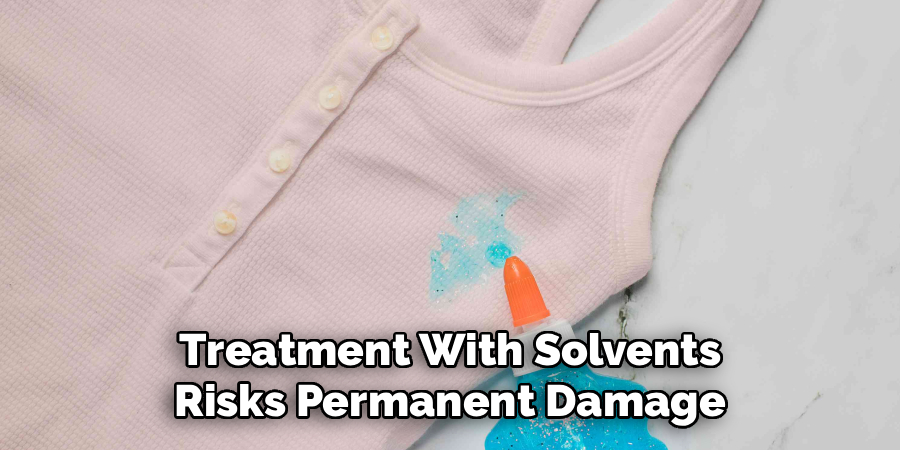
Large stains that have already been partially treated, especially if acetone was applied to an acetone-sensitive fabric, should go to a professional promptly. Being upfront with the cleaner about what you’ve already applied will help them choose the safest treatment.
When in doubt, a professional consultation costs far less than replacing a damaged garment.
Frequently Asked Questions
Can I Use Regular Nail Polish Remover to Remove Nail Glue from Fabric?
Yes, acetone-based nail polish remover will work on most fabrics. Acetone dissolves cyanoacrylate adhesives effectively. However, some nail polish removers are labeled “acetone-free” and will not work on nail glue—check the label before use. As always, test on a hidden area of the fabric first to check for color damage or fiber breakdown.
What Should I Do If the Nail Glue Has Already Dried and Set Deeply into the Fabric?
A deeply set stain requires more patience, but removal is still achievable. Soak the stained area in acetone for a few minutes before gently dabbing and blotting. Repeat the process in multiple rounds rather than applying excessive pressure. For deeply set stains, four to six treatment cycles may be necessary before you see significant improvement. If the stain doesn’t respond after several attempts, a professional dry cleaner is your best next step.
Is It Safe to Remove Nail Glue from Colored or Patterned Fabric?
Colored and patterned fabrics carry a higher risk of dye removal or discoloration, particularly when acetone is involved. Always run a patch test on a hidden seam before treating the visible stain. If the fabric shows any sign of color transfer during the test, switch to rubbing alcohol, which is generally gentler. For highly saturated colors or delicate printed patterns, professional cleaning is often the safest route.
Restore Your Fabric with Confidence
Nail glue on fabric is frustrating, but it’s far from permanent. By letting the glue dry, removing the excess carefully, using the right solvent, and working methodically, you can lift even stubborn stains without damaging your garment.
The most important things to remember: never rub wet glue, always test before applying any solvent, and inspect thoroughly before applying heat. Stay patient, follow the steps on how to remove nail glue from fabric, and your fabric has every chance of coming out looking as good as new.

About the Author
Jane Hubbard is a passionate beauty expert with a wealth of experience in makeup, hair, and overall beauty techniques. After years of working as a hairdresser specialist, she followed her entrepreneurial spirit and started her own consultancy business.
Jane has always been driven by her desire to help others feel confident in their own skin, and she does this by sharing her knowledge, experiences, and practical beauty tips. Through her consultancy, she empowers individuals to embrace their unique beauty, offering tailored guidance that boosts both self-esteem and personal style.
Professional Focus
Specializes in makeup, hairstyling, and beauty consulting.
Provides personalized beauty advice, tips, and techniques to help individuals feel confident in their appearance.
Dedicated to staying up-to-date with the latest industry trends and developments.
Passionate about creating a comfortable and empowering experience for every client.
Education History
University of Craft and Design – Bachelor of Fine Arts (BFA) in Woodworking and Furniture Design
Woodworking Apprenticeships – Extensive hands-on training with skilled craftsmen to refine carpentry and furniture making techniques
Online Courses & Masterclasses – Continued education in advanced woodworking techniques, design principles, and specialized tools
Expertise:
Makeup artistry, hairstyling, and beauty consulting.
Personalized beauty techniques to enhance confidence and self-expression.
Educating clients on how to maintain their beauty routines at home.