

Choosing the right makeup can feel overwhelming with so many products, shades, and techniques available today. But understanding what suits you goes beyond trends or what’s popular on social media—it’s about enhancing your unique features and feeling confident in your own skin.
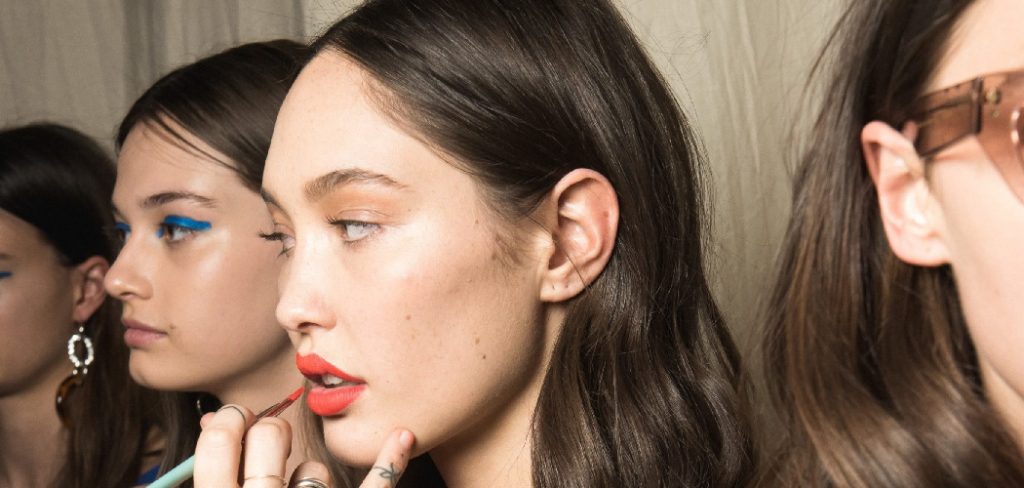
Finding your best makeup starts with knowing your skin type, undertone, facial features, and personal preferences. This guide on how do you know what makeup suits you will walk you through the essential tools and materials, step-by-step guidelines, and answer frequently asked questions to make your makeup journey enjoyable and uniquely yours.
What is Your Skin Type?
First things first, understanding your skin type is crucial in finding the right makeup for you. There are five main skin types: normal, dry, oily, combination, and sensitive. Each skin type has its own characteristics and requires specific makeup products.
To determine your skin type, wash your face with a gentle cleanser and leave it bare for 30 minutes. Afterward, observe how your skin feels:
Normal Skin:
Feels balanced and comfortable without any oiliness or dryness. This skin type is not prone to breakouts or irritation.
Dry Skin:
Feels tight, rough, and itchy. It may have flaky patches and can be easily irritated by harsh products.
Oily Skin:
Feels greasy and slick to the touch. This skin type is prone to frequent breakouts and has visibly enlarged pores.
Combination Skin:
Feels oily in the T-zone (forehead, nose, chin) but dry in other areas. This skin type can also experience occasional breakouts and sensitivity.
Sensitive Skin:
Feels easily irritated, itchy, or tight. It may react to certain ingredients with redness, rashes, or burning sensations.
Tools and Materials You’ll Need
- Primer Suited for Your Skin Type (Hydrating, Mattifying, Etc.)
- Foundation or BB Cream in Your Matching Shade
- Concealer for Targeted Coverage
- Assorted Makeup Brushes and Sponges
- Blush, Bronzer, and Highlighter Palettes
- Eyeshadow Palettes With Both Neutral and Bold Colors
- Eyeliner and Mascara Suitable for Your Desired Look
- Lip Products, Including Balm, Liner, Lipstick, and Gloss
- Setting Powder or Spray to Finish Your Makeup
- Mirror With Good Lighting
10 Step-By-Step Guidelines on How Do You Know What Makeup Suits You
Step 1: Assess Your Skin Type
The first step in determining suitable makeup is to understand your skin type. Is your skin oily, dry, combination, or sensitive? Each skin type responds differently to makeup products, and choosing the right formulation can help your makeup last longer and look more natural.

Start by observing how your skin feels throughout the day. Does it get shiny quickly, feel tight, or react to certain ingredients? This observation will guide your selection of primers, foundation, and other base products for the best results.
Step 2: Determine Your Skin Undertone
Your skin’s undertone—cool, warm, or neutral—affects how colors look on you. Check the veins on your wrist; blue-tinted veins often indicate cool undertones, while greenish veins suggest warmer tones. Neutral undertones show a mix of both.
Selecting foundation, blush, and lipstick shades that complement your undertone will enhance your natural glow. This awareness helps you avoid colors that wash you out or clash with your complexion.
Step 3: Identify Your Face Shape
Knowing your face shape helps with contouring, blush placement, and eyebrow shaping. The most common face shapes are oval, round, square, heart, and diamond. Stand in front of a mirror and trace the outline of your face to determine your shape.
Adapting your makeup techniques to your face shape can accentuate your best features. For example, angular faces may benefit from softer, rounded blush, while round faces can create dimension with strategic contouring.
Step 4: Consider Your Eye Color and Shape
Makeup can highlight the unique qualities of your eyes. Different shades and liner techniques bring out varying aspects of brown, blue, green, or hazel eyes—you don’t have to stick to the basics.
Experiment with different eyeshadow palettes and eyeliner styles to see what flatters your eyes. Knowing your eye shape—almond, hooded, round, or monolid—provides clues for placement and layering to enhance depth and brightness.
Step 5: Test Foundation and Concealer Shades
Always test foundation and concealer shades in natural light, ideally on your jawline. Don’t rely on how shades appear in store lighting or how they look in the bottle.
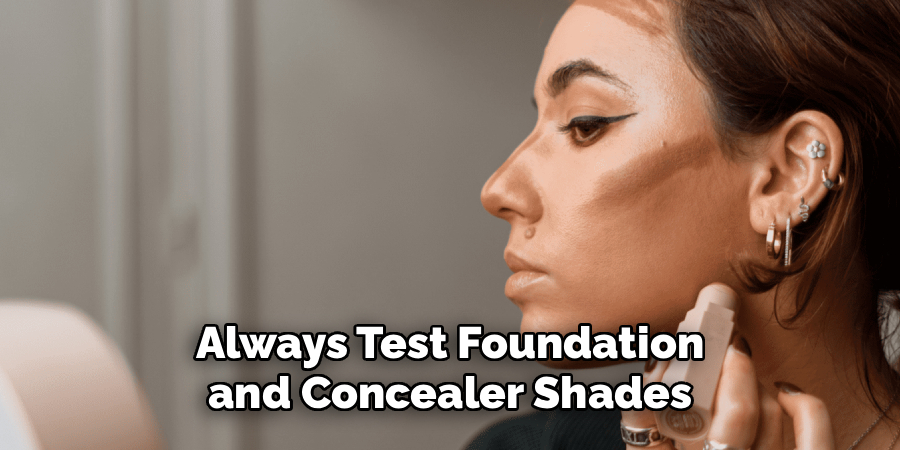
Let the product sit for a few minutes to see if it oxidizes and changes color. The right match should disappear seamlessly into your skin, providing a base for the rest of your makeup without looking cakey or artificial.
Step 6: Evaluate Blush, Bronzer, and Highlighter Tones
Blush, bronzer, and highlighter should complement your skin tone, not overpower it. Experiment with peach, rose, or berry blushes and different bronzer warmth to see what feels most natural.
Apply small amounts until you find the intensity and placement that brings dimension to your face. Remember, these products should enhance your features, creating a healthy glow rather than masking your natural beauty.
Step 7: Try Different Lip Colors
Lip products can dramatically change your look. Test out a range of shades—from nudes to brights and bolds—to see which colors you gravitate toward and feel most comfortable wearing.
Observe how different shades pair with your skin tone and undertone. The right lip color should brighten your complexion and bring out your smile, while still feeling authentic to your style.
Step 8: Play With Eye Makeup Styles
There’s no one-size-fits-all when it comes to eye makeup. Smoky eyes, cat eyes, subtle shimmer, or bold colors—try them out to see what best fits your personality and occasion.
Use online tutorials or seek inspiration from makeup artists to refine application skills. Don’t be afraid to step out of your comfort zone to discover looks that flatter you most.
Step 9: Take Photos in Different Lighting
Makeup can look very different under various lighting conditions. Take selfies under natural daylight, indoor lights, and at night to evaluate how your chosen makeup appears.
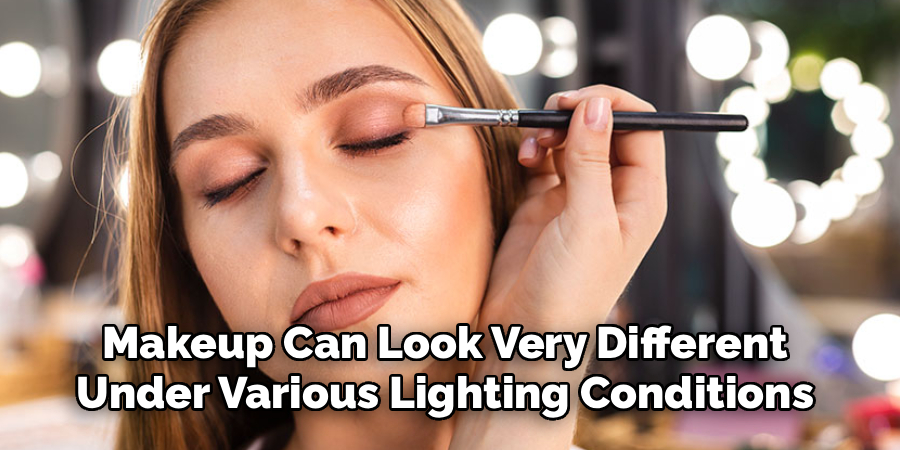
Photos often reveal details like undertones clashing or foundation not blending well. Review these images to refine your choices and ensure your look is polished wherever you go.
Step 10: Reassess and Adjust Regularly
Your skin and preferences may change over time, so revisit your makeup routine every few months. Seasonal changes, lifestyle shifts, or new beauty trends may influence what works best for you.
Ask for feedback from trusted friends or professionals to gain fresh perspectives. Adjusting your approach ensures your makeup remains flattering, fun, and comfortable as you evolve.
Following these steps on how do you know what makeup suits you will help you achieve a personalized, effortless look that boosts confidence and complements your unique features. Experiment and have fun to find the perfect makeup routine for you!
Frequently Asked Questions
Q1: How Can I Tell If a Makeup Product Will Irritate My Skin?
A1: If you have sensitive skin or are trying a new product, perform a patch test first. Apply a small amount to your inner wrist or behind your ear and wait 24 hours for any reaction. This reduces the risk of breakouts or irritation on your face. Always check ingredient lists and consider fragrance-free or hypoallergenic options for extra safety.
Q2: What Is the Best Way to Choose a Foundation Shade?
A2: The best method is to swatch a few shades along your jawline and view them in natural light. The foundation should blend seamlessly with your neck and face. Allow it to set for a few minutes, as some formulas oxidize. Don’t be afraid to ask for samples before committing to a full-size product.
Q3: How Do I Make My Makeup Last All Day?
A3: Longevity starts with a clean, moisturized face and a suitable primer. Use lightweight layers and set cream products with powder. Finish with a quality setting spray. Reapply blotting powder or touch-up as needed throughout the day, especially in areas prone to oiliness or fading.
Q4: Can I Wear Bold Makeup Looks Every Day?
A4: Absolutely! Bold makeup is all about personal expression. If you love vibrant colors or dramatic styles, wear them confidently. The only guideline is to ensure your skin is prepped and your application is comfortable for long wear. Makeup should always reflect what makes you feel best, regardless of others’ opinions.
Q5: How Can I Wear Bold Makeup Without Looking Overdone?
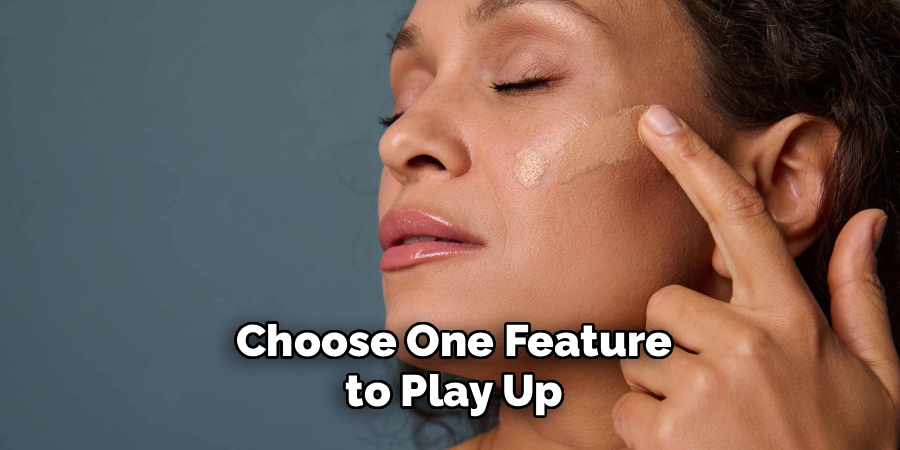
A5: The key to wearing bold makeup without looking overdone is balance and restraint. Choose one feature to play up, like a bold lip or dramatic eye, and keep the rest of your makeup subtle. Also, opt for high-quality products that blend easily and have buildable pigmentation so you can control the intensity of your look.
Conclusion
Finding the makeup that suits you takes time, patience, and self-discovery. By understanding your unique features, exploring products and techniques, and remaining open to change, you’ll develop a style that highlights your beauty.
Remember, the best makeup is the one that makes you feel confident and true to yourself—so experiment, have fun, and let your personality shine through every look. Thanks for reading this guide on how do you know what makeup suits you.

About the Author
Jane Hubbard is a passionate beauty expert with a wealth of experience in makeup, hair, and overall beauty techniques. After years of working as a hairdresser specialist, she followed her entrepreneurial spirit and started her own consultancy business.
Jane has always been driven by her desire to help others feel confident in their own skin, and she does this by sharing her knowledge, experiences, and practical beauty tips. Through her consultancy, she empowers individuals to embrace their unique beauty, offering tailored guidance that boosts both self-esteem and personal style.
Professional Focus
Specializes in makeup, hairstyling, and beauty consulting.
Provides personalized beauty advice, tips, and techniques to help individuals feel confident in their appearance.
Dedicated to staying up-to-date with the latest industry trends and developments.
Passionate about creating a comfortable and empowering experience for every client.
Education History
University of Craft and Design – Bachelor of Fine Arts (BFA) in Woodworking and Furniture Design
Woodworking Apprenticeships – Extensive hands-on training with skilled craftsmen to refine carpentry and furniture making techniques
Online Courses & Masterclasses – Continued education in advanced woodworking techniques, design principles, and specialized tools
Expertise:
Makeup artistry, hairstyling, and beauty consulting.
Personalized beauty techniques to enhance confidence and self-expression.
Educating clients on how to maintain their beauty routines at home.