

Itchy, swollen, irritated eyelids can wear you down fast. The discomfort is hard to ignore, and because the skin around the eyes is so thin, even a small flare can feel much worse than it looks. That same thinness is also what makes treatment tricky. The eyelids do not tolerate casual experimentation especially well.
A lot of people end up asking the same question: if hydrocortisone helps rashes elsewhere, why not use a little on the eyelids too? It is a fair question. Hydrocortisone is familiar, easy to find, and often sits in a bathroom cabinet already. Still, the area around the eyes is different, and that difference matters. Relief is important, but so is avoiding a problem that started as minor and became harder to treat. In this guide on how to apply hydrocortisone cream on eyelids, we will cover why it may not be the best idea and what alternative options are available.
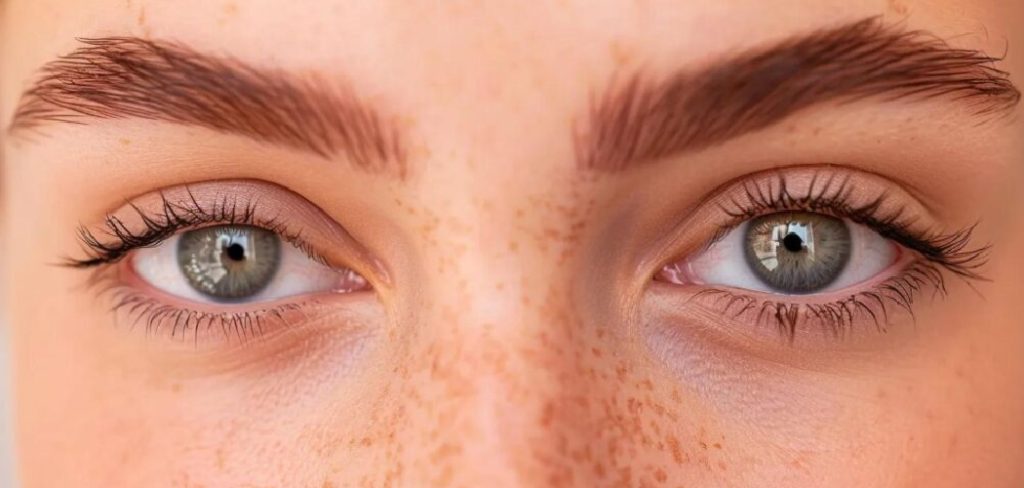
Is It Safe to Use on Eyelids?
In most cases, using hydrocortisone on the eyelids without medical advice is not a good idea. Eyelid skin is among the thinnest skin on the body, so it may absorb topical medication more readily than thicker areas like the arms or legs. That raises the chance of local side effects, including skin thinning, color changes, and irritation that lingers instead of settling down.
Then there is the eye itself. That is where the concern becomes less theoretical. If steroid cream gets into the eye, or if it is used too often near the eye over time, it may contribute to problems such as increased intraocular pressure, glaucoma, or cataract formation. Not everyone who uses it will develop those issues, of course, but the risk is real enough that doctors tend to be cautious here. In some situations, a clinician may prescribe a low-potency steroid for a brief period. That is very different from self-treating the area with over-the-counter hydrocortisone and hoping for the best.
When Might Hydrocortisone Be Used on the Eyelids?
There are cases where a doctor may decide that a mild steroid is appropriate. Severe eyelid dermatitis is one example, especially when the trigger seems to be an allergic reaction to eye makeup, nail products transferred by touch, skincare, hair dye, or something in the environment. When the skin is very inflamed and the itching becomes relentless, a short course of low-strength hydrocortisone may be used to calm things down quickly.
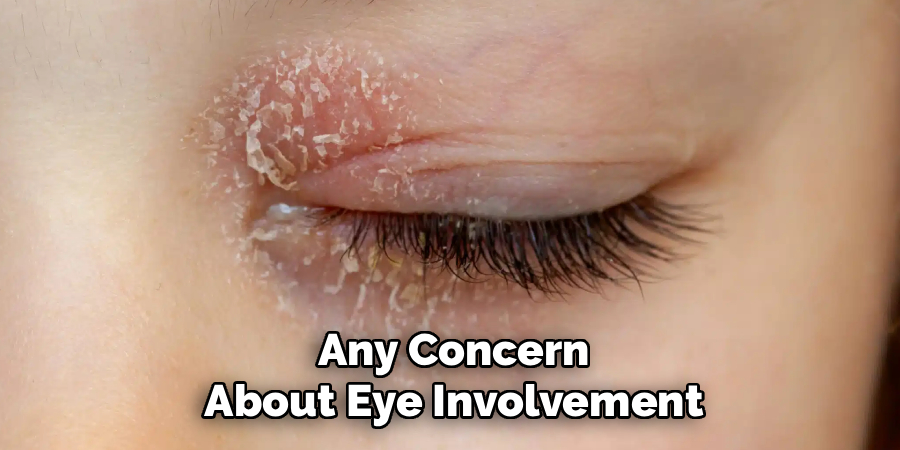
Something similar can happen with eczema, and less often with psoriasis near the eye area. Even then, the approach is usually conservative. The prescription, if given, is typically the lowest strength that seems likely to help, and the duration is kept short, sometimes just a few days. A careful clinician may also want to follow up if symptoms recur, if the diagnosis is uncertain, or if there is any concern about eye involvement. That caution is not overkill. Around the eyelids, small mistakes can matter.
7 Simple Steps on How to Apply Hydrocortisone Cream on Eyelids
Step 1: Wash Your Hands Well
Start with your hands. Not sort of clean. Actually clean. Use soap and water, and wash long enough that you are not just going through the motions. About 20 seconds is a reasonable benchmark.
This step sounds basic, but it matters more than people think. You do not want to move irritants, bacteria, makeup residue, or allergens onto already inflamed skin. Dry your hands with a clean towel before you go any further.
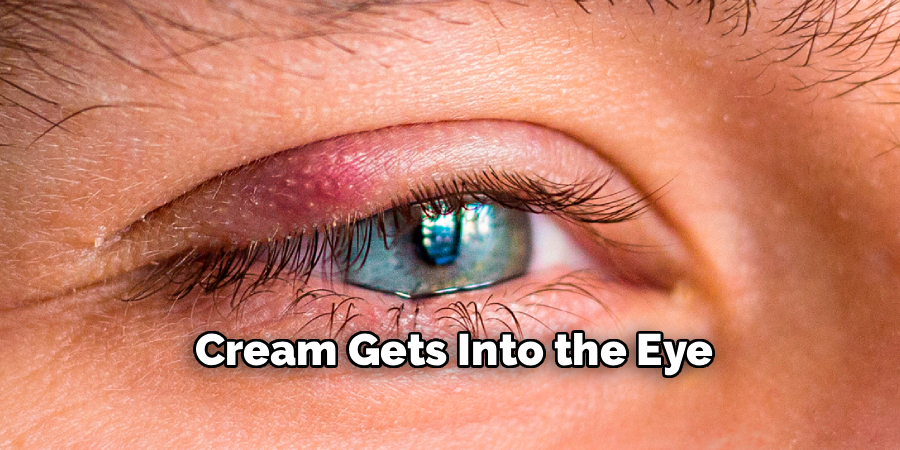
Step 2: Clean the Eyelid Gently
If your doctor has told you to apply the cream, make sure the eyelid is free of makeup, sunscreen, facial oils, and any leftover skincare. A soft cotton pad or clean cloth with lukewarm water may be enough. If needed, use a mild cleanser made for sensitive skin or the eye area.
Be gentle here. Really gentle. Rubbing can make the skin angrier, not better. A light wiping or dabbing motion is usually enough.
Step 3: Pat the Skin Dry
Do not apply the cream onto wet skin unless your clinician has specifically told you otherwise. Moisture can affect how a product spreads, and near the eye, that can become a problem quickly. If the cream slips, it can migrate toward the lash line or into the eye.
Pat the area dry with a clean tissue or soft towel. Give it a minute if needed. The skin does not need to be bone-dry for ten minutes, but it should not be damp.
Step 4: Use a Tiny Amount
This is one place where less really is more. A very small amount,t often about the size of a grain of ri,ce is usually enough for the affected spot on the eyelid.
People tend to overapply creams because it feels like more product should mean faster relief. On eyelid skin, that logic can backfire. You want the thinnest possible film, not a visible coating.
Step 5: Dab It On Carefully
Use a clean fingertip, often the ring finger simply because it tends to apply less pressure, and place the cream only on the irritated patch. Dab. Do not drag. Do not massage it in aggressively.
Keep it away from the lash line unless your doctor specifically instructed otherwise. The goal is precise placement. Once the cream starts wandering, the risk goes up.
Step 6: Keep It Out of the Eye
This may sound obvious, but it deserves its own step because accidents happen fast. Try to stay clear of the inner corners of the eye and the lid margin. Those areas make it easier for product to move into the tear film.
If cream gets into your eye, rinse right away with clean lukewarm water or sterile saline. Flush for several minutes. If burning, blurred vision, redness, or ongoing irritation does not settle, seek medical care promptly preferably from an eye specialist if one is available.
Step 7: Wash Your Hands Again
Once the cream is on, wash your hands again. That removes any residue left on your fingers so you do not transfer the medication later to your eye, mouth, contact lenses, or another part of your skin.
It is easy to skip this part. It is also easy to regret skipping it. Following these steps on how to apply hydrocortisone cream on eyelids will let you enjoy the full benefits of the medication.
Precautions and Safety Tips
Use hydrocortisone exactly as prescribed. Not a little longer. Not a little more often because the rash looks stubborn. Eyelid treatment is usually brief, often no more than several days, though the exact timing depends on the diagnosis and the product used.
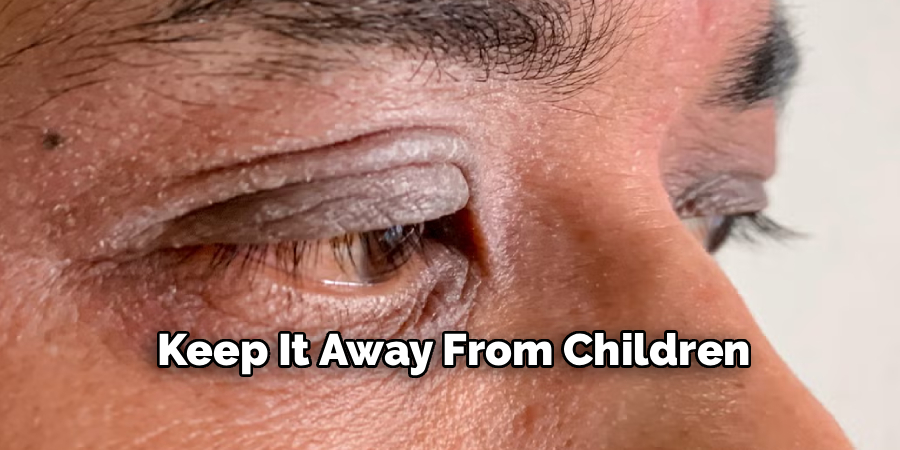
Do not cover the area with a bandage, sleep mask, or anything else that traps the medication against the skin unless your doctor specifically tells you to do that. Occlusion can increase absorption. Also avoid using leftover steroid creams from past rashes or borrowing someone else’s prescription. Similar-looking rashes are not always the same condition, and a treatment that helped one problem may worsen another. Store the medication in a cool, dry place and keep it away from children.
Possible Side Effects
The most common side effects tend to show up in the skin itself. With repeated or prolonged use, the eyelids may become thinner, shinier, or more fragile. Small blood vessels can become easier to see. Some people notice lightening or darkening of the treated skin.
The eye-related risks are what make clinicians especially careful. Steroid use near the eye may increase intraocular pressure in some patients, and over time that can contribute to glaucoma. Cataracts are also a concern with ongoing exposure. These are not side effects to shrug off. They may develop gradually, which is part of what makes unsupervised use a poor bet.
When Should You Stop and Call a Doctor?
Stop using the cream and get medical advice if your vision changes in any way blurring, halos, eye pain, or anything that simply feels off. The same goes for worsening redness, swelling, crusting, or discharge, since those signs may point to infection rather than simple dermatitis.
You should also check in if the rash is not improving after a few days, or if it keeps returning. At that stage, the issue may not be something hydrocortisone should be treating in the first place. Eyelid rashes can come from eczema, allergic contact dermatitis, seborrheic dermatitis, blepharitis, psoriasis, and a few less obvious causes. The distinction matters.
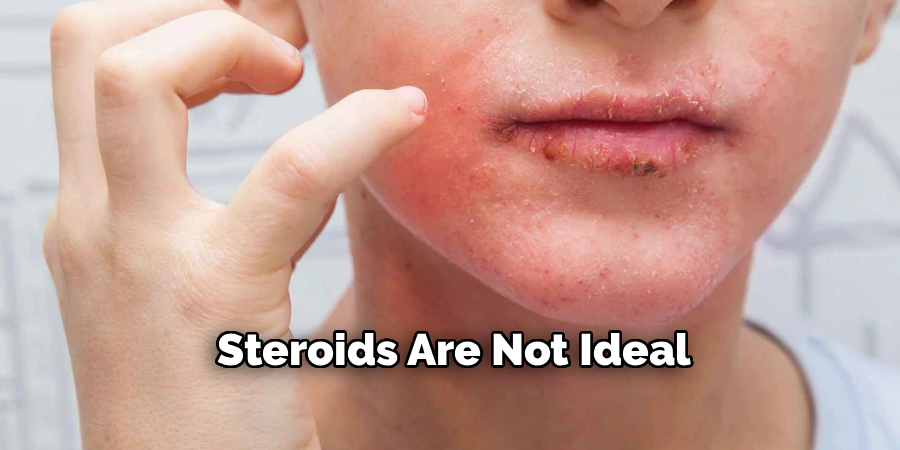
Alternatives to Hydrocortisone
If you are uneasy about using steroids near your eyes, that hesitation is understandable. Depending on the cause, gentler options may help. A cool compress on closed eyelids for 10 to 15 minutes can reduce itching and swelling, at least temporarily.
For dryness or barrier damage, many clinicians suggest a bland, fragrance-free moisturizer or ointment suitable for sensitive skin. Products with ceramides may help support the skin barrier, and some patients tolerate them well. If the problem is persistent eczema or dermatitis and steroids are not ideal, a doctor may prescribe a nonsteroidal option such as tacrolimus or pimecrolimus. Those medications have their own considerations, but they do not cause skin thinning in the same way topical steroids can, which makes them useful in delicate areas like the eyelids.
Frequently Asked Questions
Q1: Can I Use Over-the-counter Hydrocortisone on My Eyelids?
A1: Usually, no not unless a healthcare professional has told you to do so. Over-the-counter hydrocortisone may seem mild, but the eyelids are unusually sensitive, and even low-potency steroids can be risky there. It is better to get the rash looked at than to assume it is the kind of irritation hydrocortisone can safely handle.
Q2: How Long Can I Safely Use Hydrocortisone Cream on My Eyelids?
A2: If a doctor prescribes it, treatment is generally short. Sometimes just a few days. Occasionally up to one or two weeks, depending on the product and the diagnosis, though longer use tends to raise more concern. You should not extend the course on your own, even if the area improves and then flares again.
Q3: What Should I Do if the Cream Gets Into My Eye?
A3: Rinse immediately with lukewarm water or sterile saline for several minutes. Do not rub the eye. If irritation, pain, redness, or blurred vision continues after flushing, seek medical attention as soon as possible.
Protecting Your Eyes While Treating the Skin
Eyelid inflammation can be miserable, and the urge to put something anything on it is understandable. Even so, hydrocortisone is not a casual fix when the rash sits millimeters from the eye. Used under medical supervision, it may have a role. Used casually, it can create a different set of problems.
The safest approach is usually the least impulsive one: get the cause identified, use the smallest effective amount for the shortest time if a steroid is prescribed, and look seriously at nonsteroidal alternatives when they make sense. If your eyelids stay irritated, keep flaring, or start affecting your vision, make an appointment with a dermatologist, ophthalmologist, or another qualified clinician. That extra step may save you a lot of trouble later. Thanks for reading this guide on how to apply hydrocortisone cream on eyelids.

About the Author
Jane Hubbard is a passionate beauty expert with a wealth of experience in makeup, hair, and overall beauty techniques. After years of working as a hairdresser specialist, she followed her entrepreneurial spirit and started her own consultancy business.
Jane has always been driven by her desire to help others feel confident in their own skin, and she does this by sharing her knowledge, experiences, and practical beauty tips. Through her consultancy, she empowers individuals to embrace their unique beauty, offering tailored guidance that boosts both self-esteem and personal style.
Professional Focus
Specializes in makeup, hairstyling, and beauty consulting.
Provides personalized beauty advice, tips, and techniques to help individuals feel confident in their appearance.
Dedicated to staying up-to-date with the latest industry trends and developments.
Passionate about creating a comfortable and empowering experience for every client.
Education History
University of Craft and Design – Bachelor of Fine Arts (BFA) in Woodworking and Furniture Design
Woodworking Apprenticeships – Extensive hands-on training with skilled craftsmen to refine carpentry and furniture making techniques
Online Courses & Masterclasses – Continued education in advanced woodworking techniques, design principles, and specialized tools
Expertise:
Makeup artistry, hairstyling, and beauty consulting.
Personalized beauty techniques to enhance confidence and self-expression.
Educating clients on how to maintain their beauty routines at home.