

Reusable cotton pads should be rinsed immediately after every use, hand-washed or machine-washed with a mild fragrance-free detergent, and air-dried fully before storage. Proper care prevents bacterial buildup, preserves absorbency, and can extend a pad’s lifespan to 200–1,000 washes.
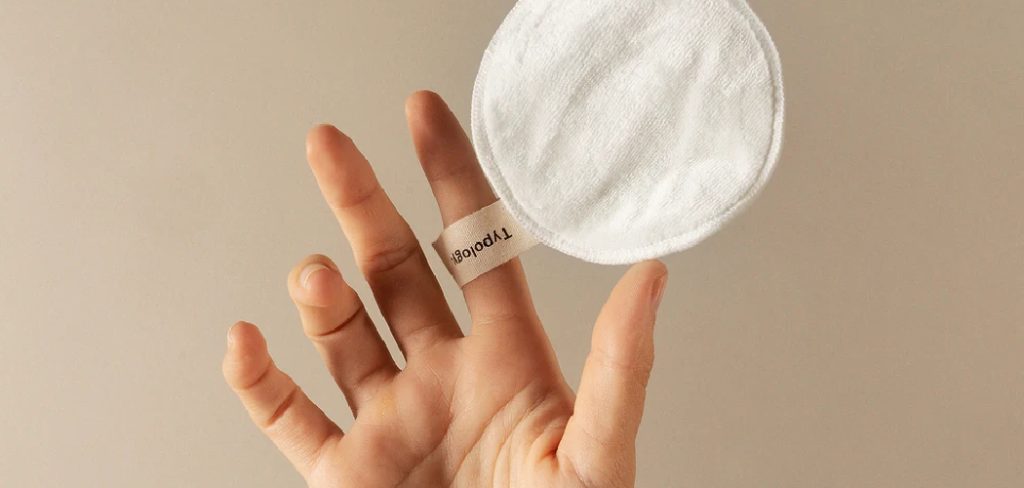
Reusable cotton pads are one of the simplest swaps you can make to cut down on daily waste. Millions of people use them for makeup removal, toning, and skincare application. But without proper cleaning, they can harbor bacteria, trap product residue, and gradually lose their effectiveness.
This guide on how to clean reusable cotton pads covers everything you need to know about keeping your pads fresh, hygienic, and long-lasting—from the right supplies to the mistakes that quietly shorten their lifespan.
Why Cleaning Reusable Cotton Pads Actually Matters?
Every time you swipe a pad across your face, it picks up makeup, oil, dead skin cells, and whatever skincare product you’re using. Leave that residue in the fibers, and you’re essentially pressing it back into your skin on the next use. That cycle may suggest a connection to breakouts, clogged pores, and irritation—none of which are the goal.
There’s also the investment angle. Reusable pads are built to last hundreds of washes, but only when cared for correctly. Neglect them, and they degrade faster than disposable alternatives—which rather defeats the purpose of switching in the first place.
Types of Reusable Cotton Pads
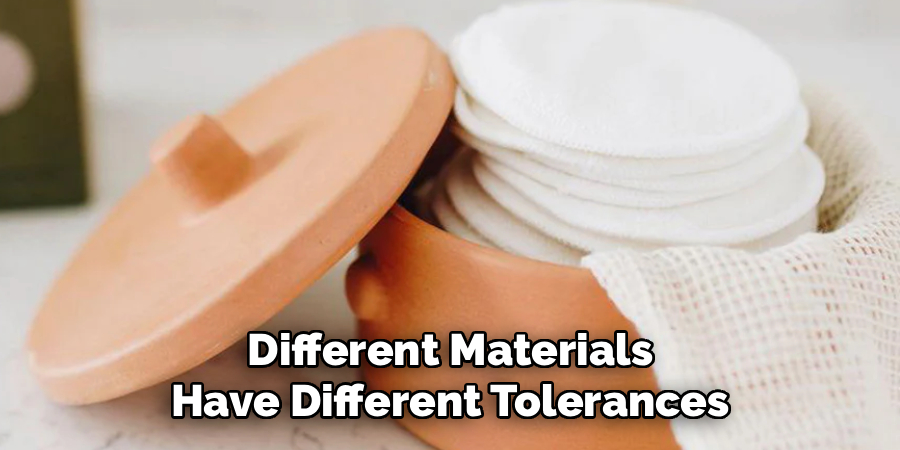
Before choosing a cleaning method, it helps to know what your pads are made of. Different materials have different tolerances.
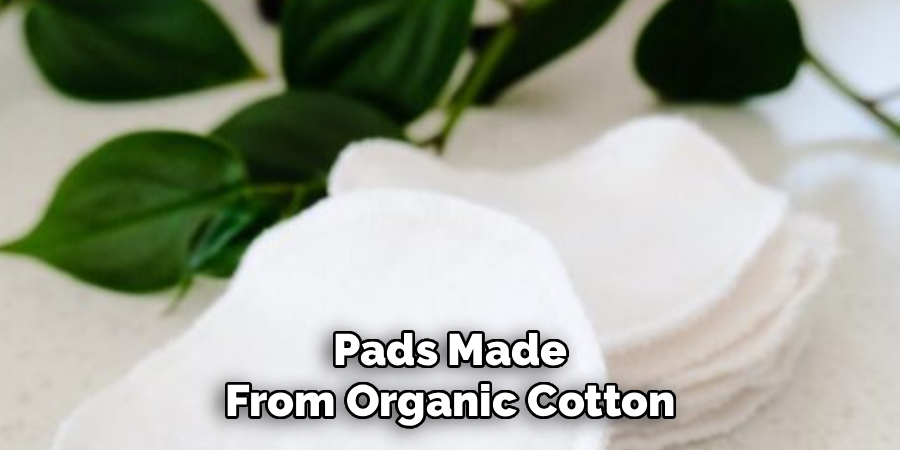
- Organic cotton pads: Soft, highly absorbent, and gentle enough for sensitive skin. Generally machine-washable.
- Bamboo pads: Slightly more textured, naturally antimicrobial, and quite durable. Good for light exfoliation.
- Microfiber pads: Effective at removing makeup with just water, but require careful washing to limit microplastic release.
- Terry cloth or flannel pads: Thicker and more absorbent—well-suited to heavy-duty makeup removal and repeated washing.
Supplies You’ll Need
- A mild, fragrance-free soap or gentle liquid detergent
- A small mesh laundry bag
- A soft-bristle brush or your fingertips for hand-washing
- A clean bowl or sink for soaking
- A washing machine (optional, but helpful)
- White vinegar (optional, for deodorizing)
- Baking soda (optional, for stubborn stains)
7 Simple Steps on How to Clean Reusable Cotton Pads
Step 1: Rinse Immediately After Use
The sooner you rinse, the easier the clean. Hold the used pad under warm running water and squeeze gently to flush out surface residue. This step alone prevents makeup and skincare products from setting into the fibers—and it makes whatever comes next far less work.
Step 2: Pre-Soak in Warm Water
Fill a bowl or sink with warm water and let your pads soak for 10 to 15 minutes. This loosens product, oil, and debris that’s worked its way deeper into the fabric. For pads carrying heavier staining—waterproof mascara, for instance—add a few drops of gentle liquid soap to the soak. It gives the detergent time to break things down before any scrubbing begins.
Step 3: Apply a Gentle Cleanser
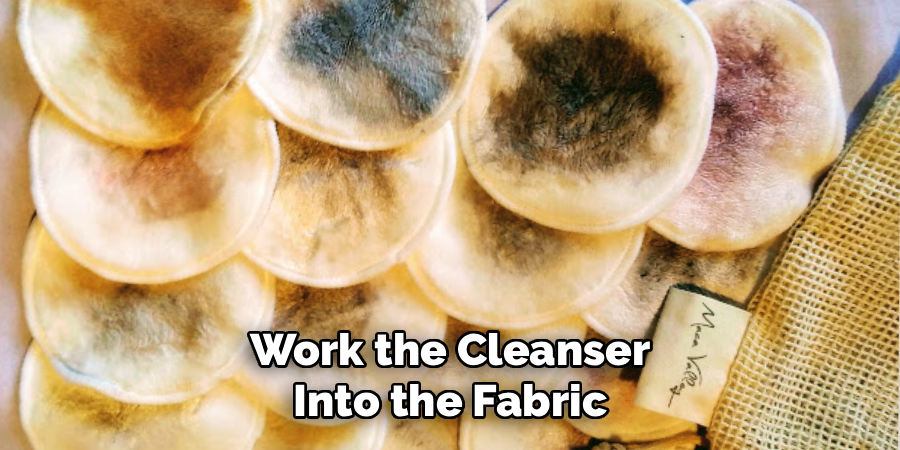
Once soaked, apply a small amount of mild, fragrance-free soap directly to each pad. Heavily scented formulas can cause skin irritation on reuse, even after rinsing. Work the cleanser into the fabric using your fingertips or a soft brush, moving in circular motions. Pay extra attention to areas where product tends to accumulate—and avoid scrubbing aggressively, which degrades fibers over time.
Step 4: Rinse Thoroughly
Hold each pad under warm running water and squeeze repeatedly until the water runs completely clear. Residual detergent is one of the more common (and underestimated) culprits behind breakouts and sensitivity after switching to reusable pads. Take your time with this step.
Step 5: Treat Stubborn Stains
Long-wear foundation, lip products, and sunscreen don’t always respond to a standard wash. For these, mix baking soda with water to form a paste, apply it directly to the stain, and let it sit for five to ten minutes before working it gently into the fabric. A diluted white vinegar solution—one part vinegar to two parts water—can also help restore brightness to pads that have started looking dingy. Avoid bleach entirely; it degrades cotton fibers quickly.
Step 6: Machine Wash for a Deeper Clean
Place your pads in a mesh laundry bag and run a gentle machine wash cycle using cold or warm water. Hot water appears to cause shrinkage and fiber breakdown over time, so it’s worth avoiding. Use a mild, fragrance-free detergent and skip the fabric softener—it coats fibers and reduces absorbency. Wash alongside similar items like towels or face cloths, not heavily soiled clothing.
Step 7: Dry Properly
Reshape each pad after washing and lay it flat to air dry, or hang it somewhere with good airflow and away from direct sunlight. If you prefer the dryer, use a low heat setting. High heat can shrink pads and weaken fibers. Once fully dry, store them in a clean, breathable container—an open basket or cotton pouch works well. Airtight containers trap moisture and create conditions where bacteria thrive.
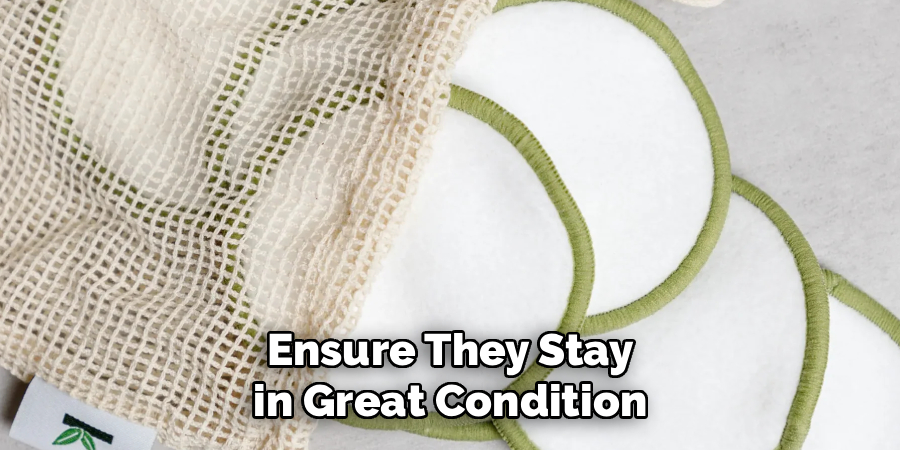
Following these steps on how to clean reusable cotton pads will ensure they stay in great condition for continued use. But if you are unsure about the cleaning process, always check the care instructions provided by the manufacturer or reach out to them for specific guidance.
Common Mistakes To Avoid
When caring for reusable cotton pads, there are a few common mistakes that can reduce their lifespan or compromise their effectiveness. One major mistake is using harsh detergents or bleach during the cleaning process, as these can damage the fabric and irritate the skin. Avoid using fabric softeners as well—they can coat the fibers, reducing their absorbency. Another common error is washing the pads at excessively high temperatures, which can shrink the fabric and weaken the stitching.
Additionally, drying the pads in a dryer on high heat can cause similar damage; instead, air drying is often the best option. Lastly, failing to wash the pads regularly or storing them in a sealed, damp environment can lead to bacterial growth and unpleasant odors. Being mindful of these pitfalls will help prolong the life of your reusable cotton pads while keeping them hygienic and effective.
Signs It’s Time To Replace Your Reusable Cotton Pads
Even well-maintained pads don’t last indefinitely. Watch for these indicators:
- Persistent odor after washing: Bacteria have likely embedded deep into the fibers.
- Visible pilling or fraying: These textures can scratch or irritate skin.
- Staining that won’t lift: Permanent discoloration often signals that product residue is trapped well beyond the surface.
- Loss of absorbency: A pad that no longer soaks up liquid isn’t doing its job.
- Thinning or misshapen fabric: Structural changes mean the fibers have broken down.
Most high-quality reusable cotton pads last between 200 and 1,000 washes with proper care. Noticing the above signs well before that threshold could indicate a cleaning routine worth revisiting.
Tips To Extend Their Lifespan
- Rinse immediately after every use—don’t wait.
- Rotate between multiple pads so no single one takes all the wear.
- Store in a breathable container rather than something airtight.
- Hand-wash when possible; machine washing creates more friction, even on gentle cycles.
- Avoid bleach, acetone-based removers, and other harsh chemicals.
- Follow the care instructions on the packaging—different materials handle heat and agitation differently.
One of the best ways to extend the lifespan of your makeup sponges is to properly clean and care for them. This not only prolongs their usability but also keeps bacteria and other harmful particles from building up on them.
Frequently Asked Questions
How Often Should You Wash Reusable Cotton Pads?
After every single use. Each use deposits bacteria, oil, and product residue that multiplies quickly on damp fabric. Washing promptly keeps pads hygienic, prevents stains from setting, and ensures they’re ready to perform the next time you reach for one.
Can You Wash Reusable Cotton Pads With Your Regular Laundry?
Yes—provided you place them in a mesh laundry bag first. This prevents damage and keeps them from getting lost in the drum. Use a gentle cycle with cold or warm water, a mild fragrance-free detergent, and avoid washing them alongside heavily soiled items.
Are Reusable Cotton Pads Suitable For Sensitive Skin?
Generally, yes. Pads made from organic or unbleached cotton are free from the synthetic chemicals and bleaching agents found in many disposable alternatives, which may make them a better option for reactive skin. That said, washing with a fragrance-free, hypoallergenic detergent—and rinsing thoroughly—is essential to avoid leaving any residue that could cause irritation.
Keep It Clean, Keep It Simple
Cleaning reusable cotton pads doesn’t need to be an involved process. A quick rinse after each use, a gentle wash, and thorough drying are really all it takes to keep them hygienic and effective for years. The routine becomes second nature quickly—and the benefit, for both your skin and the environment, compounds over time.
Follow the steps in this guide on 7 Simple Steps on How to Clean Reusable Cotton Pads, sidestep the common mistakes, and your pads should hold up through hundreds of washes without issue.

About the Author
Jane Hubbard is a passionate beauty expert with a wealth of experience in makeup, hair, and overall beauty techniques. After years of working as a hairdresser specialist, she followed her entrepreneurial spirit and started her own consultancy business.
Jane has always been driven by her desire to help others feel confident in their own skin, and she does this by sharing her knowledge, experiences, and practical beauty tips. Through her consultancy, she empowers individuals to embrace their unique beauty, offering tailored guidance that boosts both self-esteem and personal style.
Professional Focus
Specializes in makeup, hairstyling, and beauty consulting.
Provides personalized beauty advice, tips, and techniques to help individuals feel confident in their appearance.
Dedicated to staying up-to-date with the latest industry trends and developments.
Passionate about creating a comfortable and empowering experience for every client.
Education History
University of Craft and Design – Bachelor of Fine Arts (BFA) in Woodworking and Furniture Design
Woodworking Apprenticeships – Extensive hands-on training with skilled craftsmen to refine carpentry and furniture making techniques
Online Courses & Masterclasses – Continued education in advanced woodworking techniques, design principles, and specialized tools
Expertise:
Makeup artistry, hairstyling, and beauty consulting.
Personalized beauty techniques to enhance confidence and self-expression.
Educating clients on how to maintain their beauty routines at home.