

Are you tired of having a pale complexion and want to achieve a darker skin tone? It is essential to know that everyone’s skin type is unique, and there is no one-size-fits-all approach to achieving darker skin.
Achieving darker skin can be a personal preference for many individuals, and the methods vary depending on one’s goals and natural skin tone. While some people may seek a temporary tan for aesthetic purposes, others might look for longer-lasting options. Several techniques are available, including natural sun exposure, self-tanning products, or other artificial methods.
Understanding the best practices and potential risks can help you achieve your desired results while maintaining a healthy complexion. Let’s dive into how to get darker skin.
What Are the Benefits of Having Darker Skin?
Having darker skin has numerous benefits, both from a cosmetic and a physiological standpoint. Some of the advantages include:
- Protection Against UV Rays: Melanin, the natural pigment that gives dark skin its color, provides a higher level of protection against harmful UV rays. This can reduce the risk of sunburns, premature aging, and skin cancer.
- Lower Risk of Vitamin D Deficiency: People with darker skin produce less vitamin D compared to those with lighter skin. However, they are also at a lower risk of developing a vitamin D deficiency since their melanin acts as a natural sunscreen, preventing excessive production of this essential nutrient.
- Less Visible Aging Signs: The high concentration of melanin in darker skin provides a natural barrier against UV radiation, which is one of the primary causes of premature aging. As a result, people with darker skin tend to have fewer wrinkles, fine lines, and age spots compared to those with lighter skin.
- Protection Against Skin Damage: Melanin protects against harmful UV rays and helps prevent damage from environmental stressors such as pollution and chemicals. This is because melanin has antioxidant properties that neutralize damaging free radicals.
8 Easy Steps on How to Get Darker Skin
Step 1. Spend Time in the Sun Safely:
Spending time in the sun is one of the most natural ways to achieve darker skin tones. However, it is important to do so with caution to avoid sunburn and long-term damage. Start by using a broad-spectrum sunscreen with an SPF of 15 or higher to protect your skin while allowing for gradual and healthy tanning. Limit initial sun exposure to 15–20 minutes daily, gradually increasing the duration over time as your skin adjusts.
Avoid peak sunlight hours, typically between 10 a.m. and 4 p.m., when the sun’s rays are most intense. Protective measures such as wearing sunglasses and hats, can also help shield sensitive areas of the body while still achieving an overall sun-kissed glow. Always moisturize after sun exposure to keep your skin hydrated and prevent dryness.
Step 2. Prepare Your Skin:
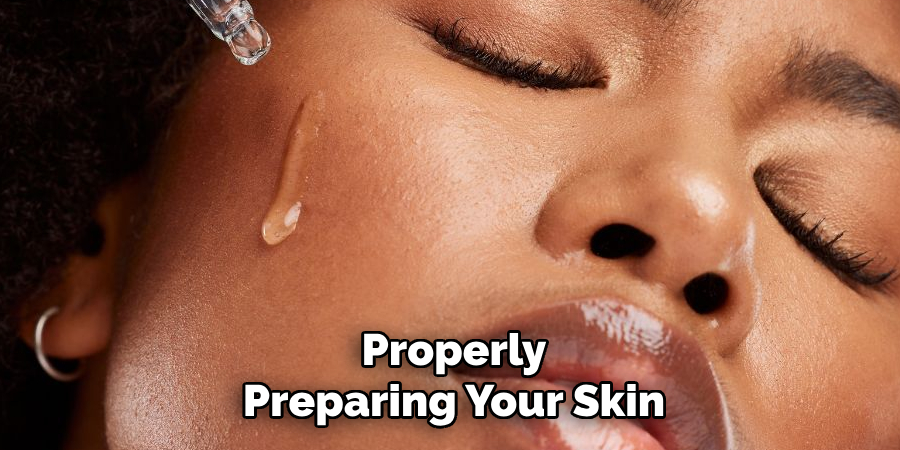
Properly preparing your skin before sun exposure is essential to achieving a healthy and lasting glow. Begin by exfoliating your skin to remove dead cells and create a smooth surface for an even tanning. Use a gentle scrub or a natural exfoliant, such as a mixture of sugar and honey, to avoid irritation.
After exfoliation, apply a lightweight, hydrating moisturizer to replenish your skin and maintain its elasticity. Choose a moisturizer with ingredients like aloe vera or hyaluronic acid for optimal results.
Additionally, ensure your skin is clean and free from oils, fragrances, or makeup that could cause uneven tanning or block sun absorption. Preparing your skin thoroughly sets the foundation for a balanced, radiant complexion.
Step 3: Protect Your Skin
One of the most important steps in achieving a flawless tan is to protect your skin from harmful UV rays. Too much exposure to these rays can lead to premature aging, wrinkles, and even skin cancer. To avoid this, always use sunscreen with an SPF of at least 30 before heading outdoors. Reapply every two hours or after swimming or excessive sweating.
In addition to sunscreen, consider wearing protective clothing such as hats and long-sleeved shirts when spending prolonged periods in the sun. This can help shield your skin from direct sunlight and prevent any potential damage.
Step 4: Choose the Right Tanning Method
When it comes to choosing the right tanning method, it’s essential to prioritize the health and safety of your skin. There are generally three common approaches to tanning—sunbathing, indoor tanning using tanning beds, and using sunless tanning products.
Sunbathing, while natural, poses significant risks due to prolonged exposure to UV rays, which can increase the likelihood of skin damage and long-term health issues. Often marketed as a safer alternative, Tanning beds emit concentrated UV radiation that can be just as harmful, if not more so, than direct sunlight.
Step 5: Understanding the Risks of Tanning
Tanning, whether through sunbathing or using indoor tanning methods, comes with inherent risks. The main cause for concern is exposure to ultraviolet (UV) radiation. UV radiation consists of UVA and UVB rays, which can damage your skin in different ways.

UVA rays are responsible for causing premature aging, such as wrinkles and age spots. They can also penetrate deeper into the skin, reaching the dermis layer, damaging collagen fibers, and potentially leading to skin cancer.
UVB rays are primarily responsible for causing sunburns and increasing the risk of developing various types of skin cancers.
Step 6: Wear Protective Clothing and Accessories
Wearing protective clothing and accessories is one of the most effective ways to shield your skin from harmful UV radiation. Opt for long-sleeved shirts, pants, or skirts made from tightly woven fabrics, as these provide better protection against the sun’s rays. Darker colors and specially designed UV-protective fabrics can enhance this level of coverage.
Wide-brimmed hats are also essential, as they protect your scalp and provide shade for your face, ears, and neck – areas prone to sun damage. Sunglasses are another critical accessory, as they help protect your eyes from UV exposure that could lead to conditions like cataracts.
When selecting sunglasses, look for those labeled with 100% UV protection for maximum safety. Combining protective clothing with other measures like sunscreen and seeking shade can significantly reduce your exposure to UV radiation and lower the risk of skin damage.
Step 7: Regular Skin Check-Ups
Regular skin check-ups with a dermatologist are essential for maintaining healthy skin. These check-ups can help detect any potential issues early on and allow for prompt treatment.
During your visit, the dermatologist will thoroughly examine your skin and ask about any changes or symptoms you may have noticed. They may also perform a biopsy if necessary to test for signs of skin cancer.
It is recommended to schedule a skin check-up annually, but individuals with a family history of skin cancer or previous sun damage should consider more frequent visits.
Step 8: Protect Your Skin at Every Age
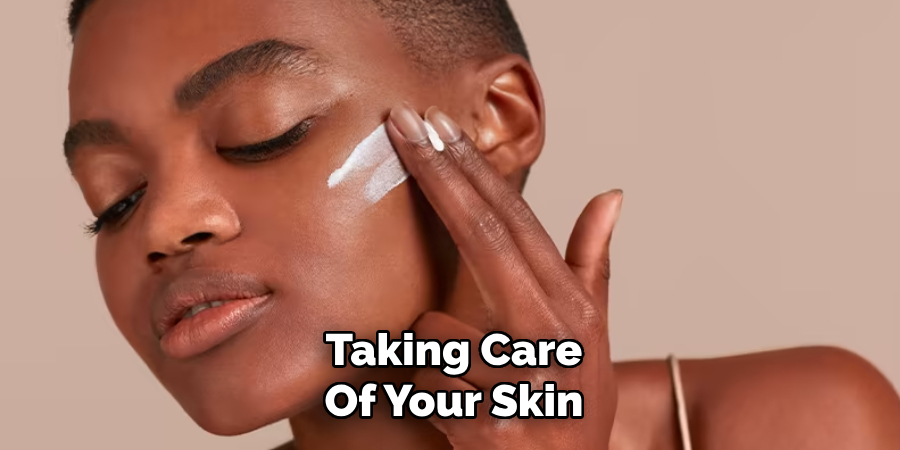
Taking care of your skin is a lifelong commitment, as it protects your overall health. Your skin requires specific care tailored to its changing needs at every stage of life. Building healthy habits such as wearing sunscreen regularly and avoiding excessive sun exposure can lay the foundation for long-term skin health for children and young adults. During middle age, the focus may shift to maintaining hydration, addressing early signs of aging, and monitoring for damage caused by prolonged environmental exposure.
By following a consistent skincare routine and incorporating protective measures, you can help maintain your skin’s health no matter what stage of life you’re in.
5 Things You Should Avoid
- Excessive Sun Exposure Without Protection
Prolonged exposure to the sun without sunscreen can lead to severe skin damage, including sunburn, premature aging, and an increased risk of skin cancer. Always use a broad-spectrum sunscreen to protect your skin while spending time outdoors.
- Using Unsafe or Unregulated Tanning Products
Some tanning products may contain harmful chemicals or allergens that can irritate your skin or cause long-term harm. Opt for products that are dermatologically tested and approved for safe use.
- Tanning Beds
While tanning beds might seem convenient, they emit harmful UV radiation similar to the sun, which can increase the risk of skin cancer and accelerate skin aging.
- DIY Remedies Without Research
Home remedies for skin darkening, especially those involving harsh or untested ingredients, can result in irritation, allergic reactions, or permanent skin damage. Always consult a professional before trying new methods.
- Skipping Proper Hydration and Nutrition
Neglecting to hydrate adequately or maintain a balanced diet can impact your skin’s health, making it less radiant and more prone to damage. Ensure you drink plenty of water and include skin-nourishing foods like fruits and vegetables in your diet.
Conclusion
How to get darker skin safely and effectively requires a combination of proper care, patience, and informed decisions.
Opt for natural methods, such as spending moderate time in the sun with adequate sunscreen protection or using products designed explicitly for gradual skin darkening. Avoid dangerous practices or unverified treatments that could harm your skin. Maintain a healthy lifestyle, including proper hydration and nutrition, to support overall skin health.
By prioritizing safety and skin wellness, you can achieve your desired results while preserving the long-term health of your skin.

About the Author
Jane Hubbard is a passionate beauty expert with a wealth of experience in makeup, hair, and overall beauty techniques. After years of working as a hairdresser specialist, she followed her entrepreneurial spirit and started her own consultancy business.
Jane has always been driven by her desire to help others feel confident in their own skin, and she does this by sharing her knowledge, experiences, and practical beauty tips. Through her consultancy, she empowers individuals to embrace their unique beauty, offering tailored guidance that boosts both self-esteem and personal style.
Professional Focus
Specializes in makeup, hairstyling, and beauty consulting.
Provides personalized beauty advice, tips, and techniques to help individuals feel confident in their appearance.
Dedicated to staying up-to-date with the latest industry trends and developments.
Passionate about creating a comfortable and empowering experience for every client.
Education History
University of Craft and Design – Bachelor of Fine Arts (BFA) in Woodworking and Furniture Design
Woodworking Apprenticeships – Extensive hands-on training with skilled craftsmen to refine carpentry and furniture making techniques
Online Courses & Masterclasses – Continued education in advanced woodworking techniques, design principles, and specialized tools
Expertise:
Makeup artistry, hairstyling, and beauty consulting.
Personalized beauty techniques to enhance confidence and self-expression.
Educating clients on how to maintain their beauty routines at home.