

Spilling makeup on the floor ranks high on the list of small disasters that ruin a good morning. A dropped bottle or a stray brush can leave a stubborn beige smear right in the middle of your rug, and it always seems to happen when you are already running late. The good news is that learning how to get foundation out of carpet is far easier than you might fear, and you probably have everything you need in your bathroom cabinet already.
Foundation is tricky because most formulas blend oils, pigments, and silicones that cling tightly to carpet fibers. That mix means a single wipe rarely does the job. Instead, you need a calm, step-by-step approach that lifts the grease first and then tackles the color. This guide walks you through that process in plain language, with beginner-friendly tips at every turn. By the end, you will feel confident handling fresh spills and older, set-in stains without panic or expensive help.
Why Removing Foundation From Carpet Matters
Acting quickly on a foundation spill protects both your carpet and your wallet. The oils in most formulas soak into fibers within minutes, and once they settle, they attract dirt that darkens the stain over time. A small mark left alone can turn into a permanent shadow that dry cleaning struggles to fix.
There is a comfort payoff too. Carpets hold a room together, and a visible stain draws the eye every time you walk past. Treating spills early keeps your space looking cared for and saves you the cost of professional cleaning or full replacement. Best of all, quick action turns a stressful accident into a simple, five-minute fix you can handle yourself with total confidence.
Step-by-Step Guide to How to Get Foundation Out of Carpet
Work through these seven steps in order for the cleanest result. Move slowly, test any product on a hidden patch first, and resist scrubbing hard, since pressure only forces pigment deeper into the pile.
Step 1: Lift Off the Excess Product
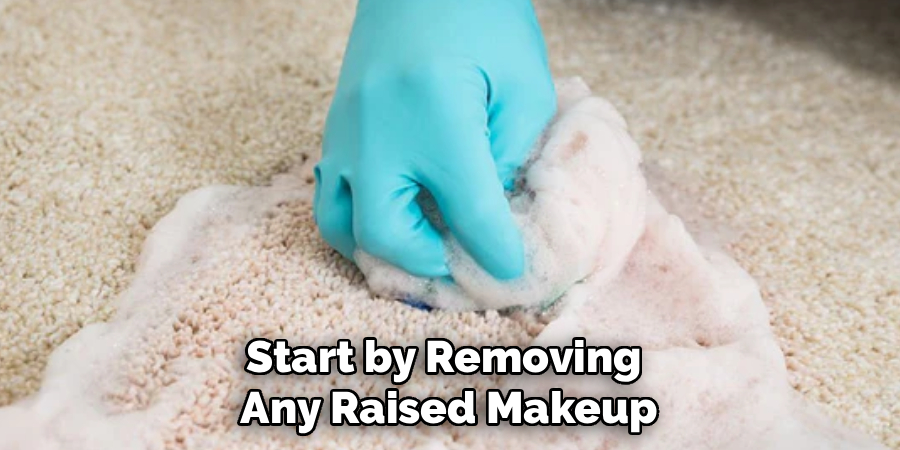
Start by removing any raised makeup before it spreads further. Grab a dull edge, like a spoon or the flat side of a butter knife, and gently scoop the excess toward the center of the spill. Move in one direction rather than back and forth, because dragging in circles smears the color wider. Do not press down hard, since forcing product into the pile makes later steps far harder. If the blob is thick, lift it away in small sections and set it on a paper towel. This early cleanup removes the bulk and gives your treatments a real head start.
Step 2: Blot Instead of Rubbing
Once the extra product is gone, fight the urge to scrub. Take a clean white cloth or a few paper towels and press gently onto the stain to soak up loose color. White material matters here because it shows how much pigment is transferring without adding new dye of its own. Blot from the outer edge toward the middle, which keeps the stain contained rather than spreading it outward. Switch to a fresh patch of cloth as color lifts away. This patient, gentle touch protects the surrounding fibers and sets up the deeper cleaning steps that follow.
Step 3: Break Down the Oils First
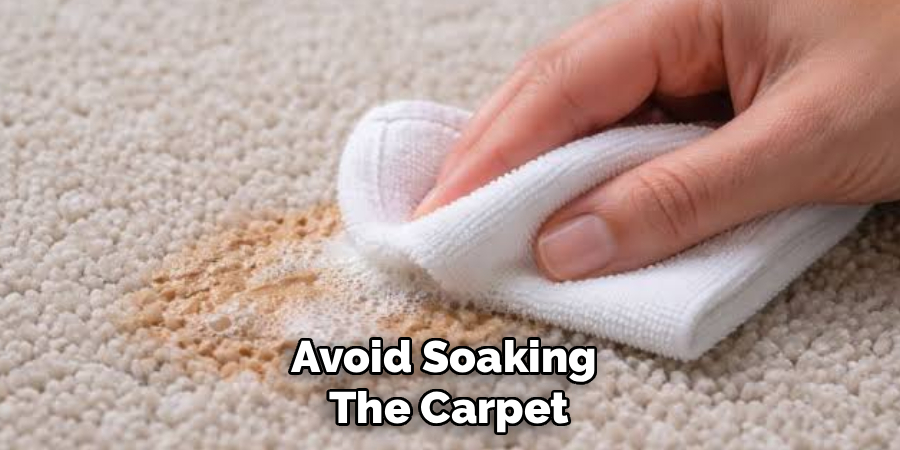
Foundation sticks to carpet largely because of its oily base, so tackling that grease early makes everything easier when working out how to get foundation out of carpet. Mix a teaspoon of dish soap with two cups of warm water, then dip a cloth into the solution and dab it onto the stain. Dish soap is designed to cut through oil, so it loosens the waxy binder holding the pigment in place. Let it sit for three to five minutes, then blot gently with a clean cloth. Avoid soaking the carpet, since too much water can seep into the padding underneath.
Step 4: Treat the Pigment With Rubbing Alcohol
With the oils loosened, turn your attention to the color. Dampen a clean cloth with a little rubbing alcohol and press it onto the remaining stain, working from the outside in. Alcohol dissolves the stubborn pigments and silicones that give foundation its lasting tint. Dab gently and keep rotating to a clean section of cloth as color transfers. Do not pour alcohol directly onto the carpet, since a controlled amount on a cloth gives you far better command over the spread. Always test a hidden corner first to confirm the alcohol will not affect your carpet’s color.
Step 5: Apply a Baking Soda Boost
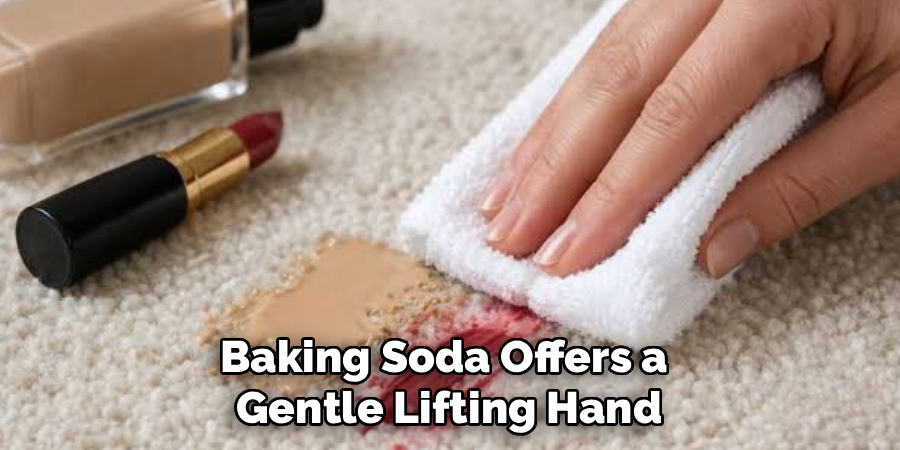
For stains that still linger, baking soda offers a gentle lifting hand and helps mastering how to get foundation out of carpet feel almost effortless. Sprinkle a light layer of dry baking soda over the damp area and let it sit for around fifteen minutes. The powder absorbs leftover oils and draws trapped pigment up toward the surface. You can also work a small amount into a paste with water for tougher spots. Once the time is up, vacuum the powder away completely. This step is especially handy for older marks that have already begun to attract dirt and dull the fibers.
Step 6: Rinse and Blot the Area Clean
After treating the stain, you need to remove every trace of cleaning product from the fibers. Dampen a fresh cloth with plain cool water and blot the treated spot to rinse away leftover soap, alcohol, and residue. Leftover cleaner attracts dirt fast, so this rinse keeps the area from turning gray later. Press a dry towel firmly over the damp patch to pull moisture back out of the pile. Repeat the rinse and blot a couple of times until the cloth comes away clean. Keep the carpet as dry as possible to protect the padding beneath.
Step 7: Dry Fully and Inspect the Results
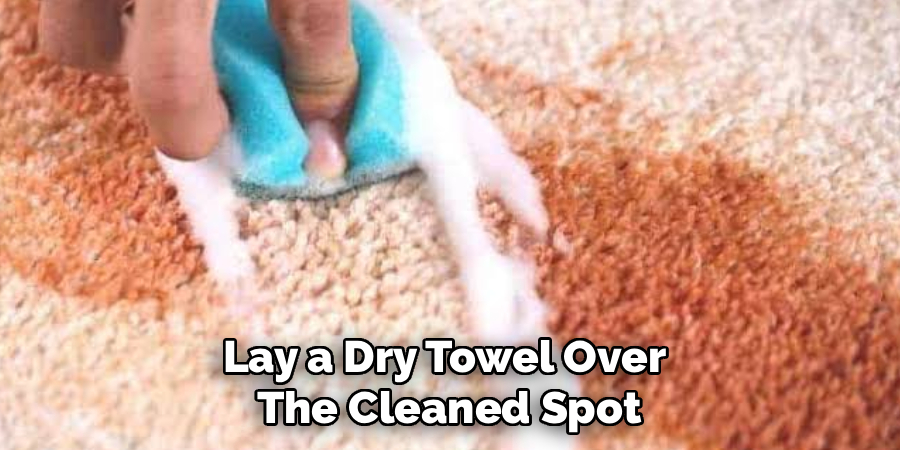
This last step is the one people rush most, yet it truly matters. Lay a dry towel over the cleaned spot and press to soak up remaining moisture, then let the area air dry completely before walking on it. You can speed things along with a fan aimed across the carpet. Once dry, examine the spot under bright light and check for any faint shadow left behind. If a trace remains, simply repeat the soap and alcohol steps rather than giving up. Only fluff the fibers back up with your fingers once the area is fully clean and dry.
Frequently Asked Questions
Can I Remove Old, Dried Foundation Stains?
Yes, though older stains take a little more patience. Loosen the dried area first with warm soapy water to soften the hardened oils, then let it sit longer than you would for a fresh spill. Follow with rubbing alcohol and a baking soda boost to draw out set-in pigment. Repeating the treatment two or three times often lifts even stubborn, aged marks completely.
Will These Methods Damage My Carpet Color?
Most carpets handle these gentle methods well, but caution protects you. Always test rubbing alcohol and dish soap on a hidden corner or an offcut first, then wait a few minutes to check for any color change. Blot rather than scrub, and avoid harsh bleach-based products entirely. For delicate wool or antique rugs, a professional cleaner remains the safest choice for full peace of mind.
What Household Products Work Best?
Several everyday items handle foundation surprisingly well. Dish soap cuts through the oily base, while rubbing alcohol dissolves the stubborn pigments and silicones. Baking soda absorbs leftover grease and lifts trapped color from the fibers. The trick is matching the right product to each part of the stain, treating the oil first and then the pigment for the cleanest possible finish.
Should I Use Hot or Cold Water?
Stick with warm water for the soapy cleaning stage and cool water for rinsing. Warm water helps the dish soap break down oils, while cool water lifts away residue without setting any remaining color. Avoid very hot water, since excessive heat can spread the pigment and make it cling harder to the fibers. Gentle temperatures give you the best chance at a spotless result.
How Do I Stop the Stain From Spreading?
Technique controls the spread. Always blot from the outer edge of the stain inward, which pushes color toward the center instead of outward. Use a cloth dampened with cleaner rather than pouring liquid directly onto the carpet, since that gives you tighter control. Switch to clean sections of cloth often, and resist scrubbing, which only forces pigment sideways into surrounding fibers.
Conclusion
A foundation spill on the carpet looks alarming, but it ranks among the most fixable stains once you follow the right order. The secret is simple. Lift the excess, break down the oils, treat the pigment, rinse clean, and dry fully before you inspect. Knowing how to get foundation out of carpet gives you a reliable routine that works on fresh drips and stubborn old marks alike, using products you already keep at home.
So the next time a bottle tips over, take a breath and trust the process. Work through each step calmly, repeat the treatment if a faint shadow lingers, and keep your touch gentle throughout. With a little patience and these expert-backed methods, you can rescue your carpet and handle future spills like a seasoned pro. Give it a try today, and your floors will thank you.

About the Author
Jane Hubbard is a passionate beauty expert with a wealth of experience in makeup, hair, and overall beauty techniques. After years of working as a hairdresser specialist, she followed her entrepreneurial spirit and started her own consultancy business.
Jane has always been driven by her desire to help others feel confident in their own skin, and she does this by sharing her knowledge, experiences, and practical beauty tips. Through her consultancy, she empowers individuals to embrace their unique beauty, offering tailored guidance that boosts both self-esteem and personal style.
Professional Focus
Specializes in makeup, hairstyling, and beauty consulting.
Provides personalized beauty advice, tips, and techniques to help individuals feel confident in their appearance.
Dedicated to staying up-to-date with the latest industry trends and developments.
Passionate about creating a comfortable and empowering experience for every client.
Education History
University of Craft and Design – Bachelor of Fine Arts (BFA) in Woodworking and Furniture Design
Woodworking Apprenticeships – Extensive hands-on training with skilled craftsmen to refine carpentry and furniture making techniques
Online Courses & Masterclasses – Continued education in advanced woodworking techniques, design principles, and specialized tools
Expertise:
Makeup artistry, hairstyling, and beauty consulting.
Personalized beauty techniques to enhance confidence and self-expression.
Educating clients on how to maintain their beauty routines at home.