

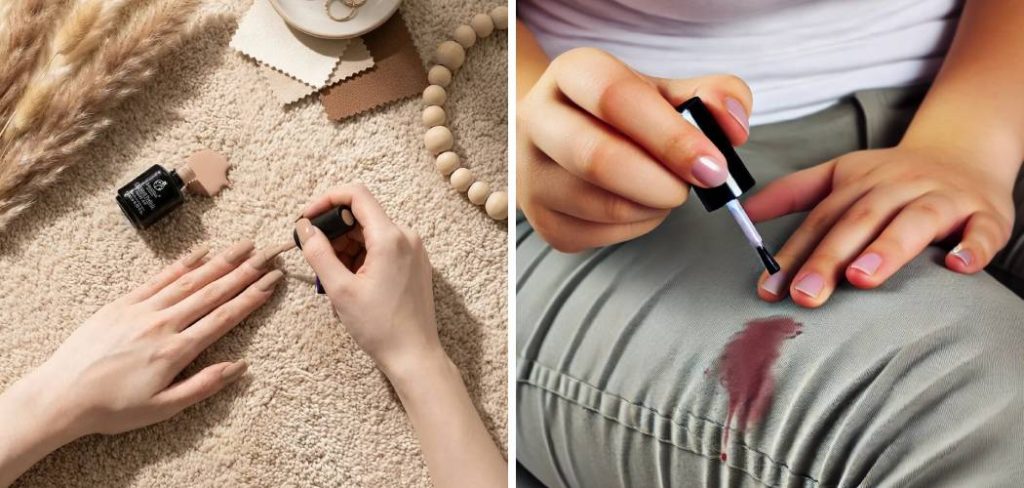
We have all been there. You are giving yourself a quick manicure on the couch or rushing to touch up a chip before heading out, and suddenly, the bottle tips. Watching that bright red or deep blue liquid seep into the fabric of your favorite trousers creates a sinking feeling in your stomach. It feels like a wardrobe disaster, but before you toss those pants in the trash, take a deep breath. While nail polish is designed to be durable and long-lasting on your nails, it is not invincible on fabric.
With the right tools, a bit of patience, and quick action, you can salvage your clothing. The key is knowing which solvents work with specific fabrics and avoiding common mistakes that set the stain permanently. If you are wondering how to get nail polish off of pants, you have come to the right place. This guide walks you through the chemistry of stain removal in a safe, effective way so you can wear your favorite pair again without worry.
Why Removing Nail Polish Stains Properly Matters
Removing nail polish stains properly is crucial to preserving the integrity and appearance of your clothing. Acting carelessly or using the wrong solvent can cause the stain to spread further, damage the fabric, or even bleach the material unintentionally. Certain fabrics, such as delicate silks or wools, are particularly vulnerable to harsh chemicals, making it essential to choose the right approach for your specific garment.
Additionally, improper removal techniques can result in setting the stain permanently, making it much harder or even impossible to clean. Understanding the ‘why’ behind proper stain removal equips you with the knowledge to treat spills confidently and protect your favorite clothes from unnecessary harm.
Step by Steps on How to Get Nail Polish Off of Pants
Step 1: Identify the Fabric Type
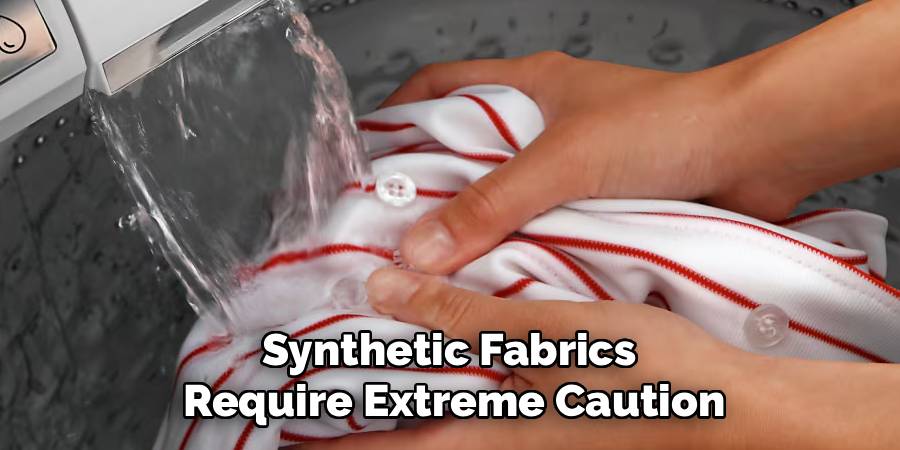
Before you grab the nearest bottle of nail polish remover, stop and look at the care tag inside your pants. This is the most critical step because different fabrics react differently to cleaning agents. Natural fibers like cotton, linen, and denim are generally hardy and can withstand stronger solvents like acetone without much issue. However, synthetic fabrics require extreme caution.
Materials containing acetate, triacetate, or modacrylic will actually melt if they come into contact with acetone, leaving you with a permanent hole instead of a clean pair of pants. Knowing exactly what your garment is made of dictates every move you make next, ensuring you treat the stain effectively without causing irreversible damage to the material itself.
Step 2: Blot Excess Polish
If the spill just happened and the polish is still wet, your immediate goal is containment. Grab a paper towel or a clean white cloth and gently lift the liquid off the surface of the fabric. It is absolutely vital that you do not rub or scrub the stain at this stage.
Rubbing will only push the pigments deeper into the fibers and spread the mess outward, making the spot significantly larger than it started. Instead, use a careful dabbing motion, lifting directly up and away from the pants. If the polish has already dried, skip the blotting and instead use a dull knife or the edge of a credit card to gently scrape away any crusty residue sitting on top of the fabric before applying any liquid.
Step 3: Test a Cleaning Solvent
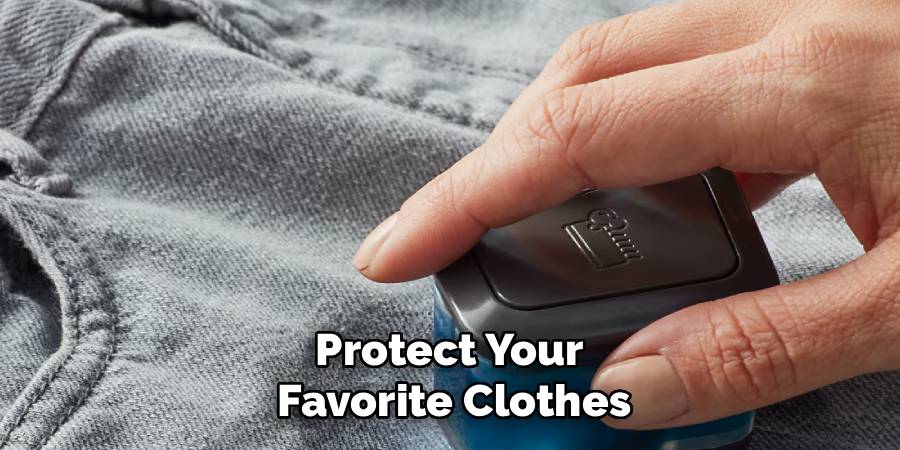
Once you know your fabric type and have removed the excess goop, you need to choose your weapon. For most natural fabrics, acetone is the most effective choice, but non-acetone remover, rubbing alcohol, or even hairspray can work for more delicate synthetics. Before applying the solvent to the stain, find a hidden spot on the pants, such as the inside hem or the interior of a pocket.
Apply a small amount of your chosen cleaner to this inconspicuous area and wait a few minutes. You are checking for colorfastness and fabric integrity. If the color of your pants bleeds onto the cotton ball or the fabric texture changes, do not proceed with that solvent. This safety test ensures you don’t trade a stain for a bleached spot.
Step 4: Apply the Solvent Gently
Place an old towel or a thick layer of paper towels inside the leg of the pants, directly underneath the stain. This absorbent barrier prevents the dissolved polish from soaking through to the other side of the leg or onto your work surface. Dip a cotton ball or a cotton swab into your tested solvent. Gently dab the stain from the outside edges moving inward toward the center.
This technique prevents the stain from spreading further. As you dab, you will see the nail polish color transferring from your pants onto the cotton ball. It is important to switch to a fresh cotton ball frequently so you are always lifting the stain out with a clean surface rather than reapplying the pigment back onto the fabric.
Step 5: Scrub with a Soft Brush
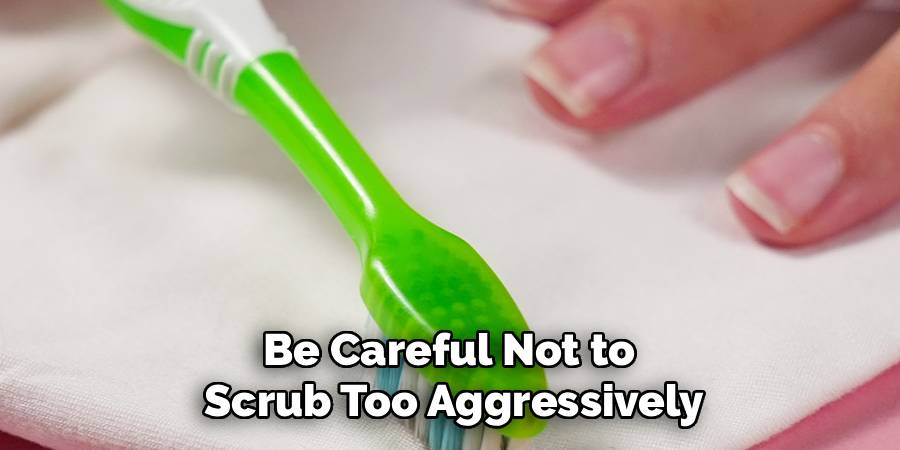
Sometimes blotting alone is not enough to get deep into the weave of fabrics like denim or heavy cotton. If the stain persists after several rounds of blotting, apply a little more solvent and use a soft-bristled toothbrush to gently agitate the fibers. You want to use small, circular motions to loosen the dried polish from the threads. Be careful not to scrub too aggressively, as this can cause the fabric to pill or look worn in that specific spot.
The goal here is to use mechanical action to help the chemical solvent break the bond between the polish and the fabric. If you are working with a very delicate material like silk or wool, you should skip this scrubbing step entirely to avoid damaging the finish of the garment.
Step 6: Rinse with Lukewarm Water
After you have lifted as much of the stain as possible with the solvent, you need to flush the area to remove both the chemical residue and any lingering pigment. Take the pants to a sink and run lukewarm water through the stained area. Ideally, you should hold the pants so the water runs through the fabric from the back side of the stain, pushing the residue out the front rather than driving it deeper in. Inspect the area closely under good lighting.
If you can still see traces of the color, you may need to repeat the solvent application and blotting process. It is common for tough stains to require two or three rounds of treatment before they completely disappear, so do not get discouraged if it isn’t perfect after the first rinse.
Frequently Asked Questions
Can I use hairspray if I don’t have nail polish remover?
Yes, hairspray can be an effective alternative, especially if you are in a pinch or dealing with a fabric that cannot handle acetone. The active ingredient that helps break down the polish is alcohol, so this trick works best with aerosol hairsprays that have a high alcohol content. Simply spray the stain until it is saturated, let it sit for a minute, and then scrub gently with a toothbrush. However, modern alcohol-free hairsprays will likely just leave a sticky mess without removing the stain, so check the bottle ingredients first.
Is hydrogen peroxide safe to use on colored pants?
Hydrogen peroxide is a powerful cleaning agent, but it acts as a mild bleach. While it can be effective at lifting stains on white or very light-colored pants, it is risky to use on dark or bright colors. It can lift the dye from the fabric, leaving you with a bleached orange or white spot that is impossible to fix. If you must use it on colored items, always perform a patch test on a hidden seam first. Generally, it is safer to stick to rubbing alcohol or specialized stain removers for colored garments.
What should I do if the nail polish has already dried completely?
Dried polish is harder to remove, but not impossible. Before using any liquid, try to physically remove the excess “crust” of the polish. You can use tweezers to peel off flakes or dull tweezers to gently scrape the surface. Once you have removed the solids, the process is largely the same as with wet polish, though you will likely need to soak the spot with your solvent for a longer period. Patience is key here; you may need to repeat the soaking and blotting steps several times to fully dissolve the hardened resin.
Will vinegar remove nail polish stains?
Plain white vinegar is a miracle cleaner for many household issues, but it is generally not strong enough to dissolve the chemical bonds of nail polish on its own. However, vinegar can be a helpful after-treatment. Once you have removed the polish with acetone or alcohol, soaking the garment in a mixture of vinegar and water can help remove any discoloration or residue left by the cleaning solvents. It serves better as a fabric rinse and odor neutralizer in this specific scenario rather than a primary solvent for the polish itself.
Can I use this method on leggings or yoga pants?
Most leggings and yoga pants are made from synthetic blends like spandex, nylon, and polyester. You must be very careful when learning how to get nail polish off of pants made from these stretchy materials. Acetone can damage the elasticity of spandex, causing the fabric to become brittle or lose its stretch. For these garments, stick to non-acetone remover or rubbing alcohol. Be gentle with scrubbing, as vigorous brushing can cause the fabric to pill/fuzz. Always wash these items in cool water to prevent the heat from damaging the synthetic fibers after treatment.
Conclusion
Removing nail polish from clothing can be challenging, but with the right techniques and care, it’s entirely possible to restore your garments. Always start by identifying the fabric type and selecting an appropriate cleaning method to prevent further damage. Patience is key—avoid scrubbing aggressively and instead opt for gentle blotting to lift the stain. Remember to test any cleaning solution on an inconspicuous area before applying it to the stain. By following these steps, you can successfully tackle nail polish mishaps while keeping your favorite clothes looking their best.
The next time a bottle slips from your fingers, you won’t need to panic. You now possess the knowledge of how to get nail polish off of pants safely and effectively. Whether it is your favorite pair of jeans or your go-to work trousers, following these steps ensures that a little splash of color doesn’t have to stay there forever.

About the Author
Jane Hubbard is a passionate beauty expert with a wealth of experience in makeup, hair, and overall beauty techniques. After years of working as a hairdresser specialist, she followed her entrepreneurial spirit and started her own consultancy business.
Jane has always been driven by her desire to help others feel confident in their own skin, and she does this by sharing her knowledge, experiences, and practical beauty tips. Through her consultancy, she empowers individuals to embrace their unique beauty, offering tailored guidance that boosts both self-esteem and personal style.
Professional Focus
Specializes in makeup, hairstyling, and beauty consulting.
Provides personalized beauty advice, tips, and techniques to help individuals feel confident in their appearance.
Dedicated to staying up-to-date with the latest industry trends and developments.
Passionate about creating a comfortable and empowering experience for every client.
Education History
University of Craft and Design – Bachelor of Fine Arts (BFA) in Woodworking and Furniture Design
Woodworking Apprenticeships – Extensive hands-on training with skilled craftsmen to refine carpentry and furniture making techniques
Online Courses & Masterclasses – Continued education in advanced woodworking techniques, design principles, and specialized tools
Expertise:
Makeup artistry, hairstyling, and beauty consulting.
Personalized beauty techniques to enhance confidence and self-expression.
Educating clients on how to maintain their beauty routines at home.