

Opening powder makeup without causing damage requires identifying the specific closure mechanism—such as magnetic, snap-lock, or screw-on—before applying force. By resting the compact on a flat surface and applying controlled, gradual pressure to the designated release point, users can prevent the powder from shattering.
The tactile experience of acquiring aHow to Open Powder Makeup new cosmetic item often masks an underlying mechanical challenge. Manufacturers deliberately design powder compacts to withstand the intense physical rigors of global shipping. This necessary durability occasionally results in closures that feel nearly impossible to breach on the first attempt. A stiff hinge or a heavily glued seal may require a surprisingly calculated approach to bypass.
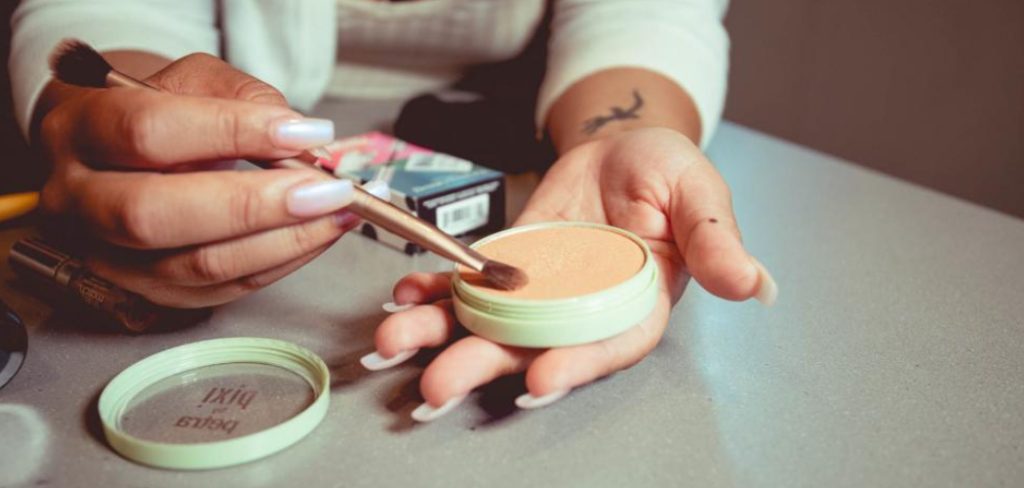
There is perhaps nothing quite as disheartening as watching a highly anticipated, costly blush disintegrate into unusable dust. One slight miscalculation in pressure could easily leave a newly purchased pigment fractured beyond repair. Humans possess a tendency to force objects that resist, yet brute strength remains the enemy of fragile cosmetics.
It appears that preserving the physical integrity of a beauty product begins long before a makeup brush ever touches the pan. Understanding the basic mechanics of cosmetic packaging can fundamentally shift how we handle these items. Mastering this subtle skill allows consumers to protect their investments while avoiding unnecessary frustration. In this guide on how to open powder makeup, we highlight important concepts and techniques to keep in mind.
How Do You Identify the Specific Closure Mechanism on a Powder Compact?
Analyzing the packaging before exerting any physical force may prevent catastrophic damage to the fragile powder inside. Cosmetics brands tend to utilize a few primary fastening methods, each requiring a distinct method of engagement.
Magnetic closures rely on concealed magnets to secure the lid. These mechanisms typically separate with a slight upward tension, making them relatively safe to manipulate. Snap-lock designs usually feature a small plastic indentation or protruding tab on the front rim. Applying direct inward pressure to this specific node releases the internal latch.
Less frequently, loose powders might utilize a threaded screw-on cap. You simply rotate these counterclockwise to access the contents. Factory-sealed items sometimes include a microscopic layer of adhesive that demands external leverage to break. Assessing these design choices beforehand suggests a clear path forward, keeping the delicate product entirely intact.
What Tools Might Help When Opening Stubborn Makeup Packaging?
There are several tools and techniques that can come in handy when opening stubborn makeup packaging. These include:
A Rubber Band or Grip Pad
Placing a rubber band or grip pad around the cap of a stubborn container can provide extra traction, making it easier to unscrew.
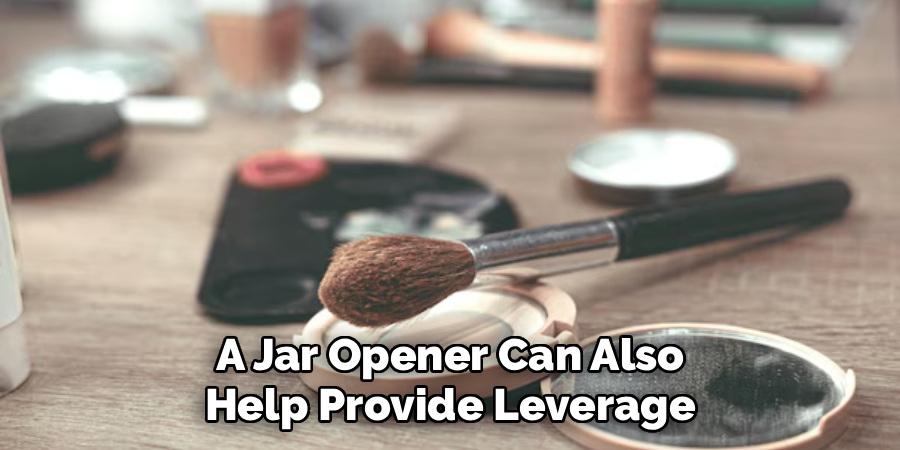
A Jar Opener
Similar to a rubber band or grip pad, a jar opener can also help provide leverage and traction when trying to open tough packaging. These can be found in most kitchen supply stores or online.
Hot Water
If the packaging is made of plastic, running it under hot water for a few seconds can help loosen the lid. This is because heat causes plastic to expand, making it easier to twist off.
A Knife or Scissors
In some cases, using a knife or scissors to puncture and create an opening in the packaging can make it easier to open. Just be sure to use caution and not cut yourself in the process.
Nail Clippers
For smaller containers such as lip balm or eye cream, nail clippers can also be used to create a small hole in the packaging, allowing you to squeeze out the product without struggling to completely open the lid.
Ask for Help
If all else fails, don’t be afraid to ask for help. Sometimes a fresh pair of hands or a different perspective can make all the difference in opening stubborn packaging. Plus, it’s always good to have someone there in case you accidentally spill or break something while trying to open the packaging.
7 Simple Steps on How to Open Powder Makeup
Approaching a sealed cosmetic item systematically minimizes the risk of sudden shocks to the pressed powder. Following a structured methodology ensures the highest probability of success.
Step 1: Purify Your Hands Completely
Oils naturally present on human fingertips transfer instantly to plastic surfaces. This moisture severely compromises your grip. Wash your hands thoroughly with standard soap and dry them entirely before touching the compact. Eliminating this residue also limits the introduction of foreign bacteria to the cosmetic pan.
Step 2: Establish a Stable, Horizontal BASE
Suspended handling dramatically increases the likelihood of dropping the item. Place the compact directly onto a solid tabletop. Resting the object on a stationary surface absorbs any sudden kinetic energy if the lid snaps open faster than anticipated.
Step 3: Map the Specific Release Point
Run a dry fingertip along the perimeter of the casing. You are searching for any tactile variations that indicate a hidden clasp. Finding the exact center of the locking mechanism dictates where you should direct your physical effort.
Step 4: Exert Measured, Gradual Force
Sudden movements are the primary cause of shattered cosmetics. Press the release button with agonizing slowness. For magnetic variations, gently pull the upper half away from the stabilized base. The goal remains total mechanical control.
Step 5: Execute a Full Rotation of the Hinge
Once the initial latch gives way, do not stop moving. Open the upper lid to its maximum structural extension. Pausing places awkward stress halfway on the plastic joints, which could eventually cause the hinge to fail altogether.
Step 6: Extract Secondary Protective Barriers
Manufacturers frequently insert a translucent plastic disc directly above the powder layer. Use the very tip of a spatula to lift the edge of this barrier. Peeling it back slowly prevents the creation of a vacuum effect that might otherwise pull chunks of powder out of the pan.
Step 7: Clear Residual Cosmetic Dust
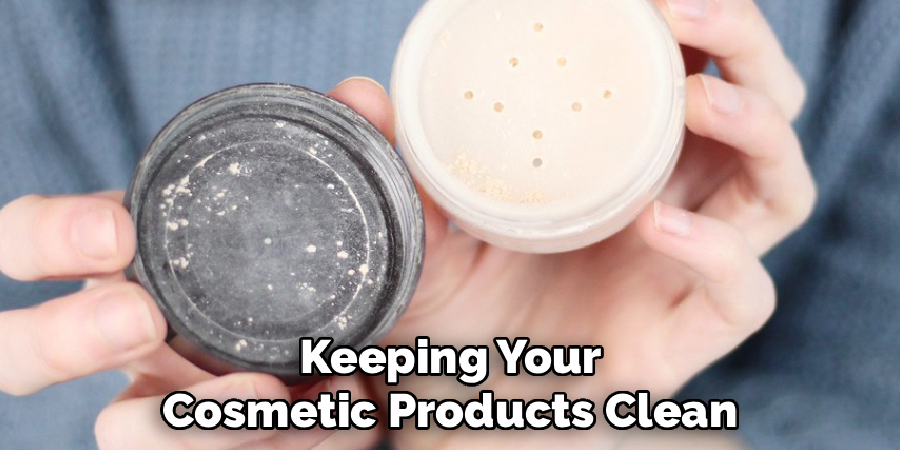
Microscopic particles often dislodge during transit. Sweep the perimeter of the interior casing with a dry cotton swab. Maintaining a pristine enclosure prevents pigment from accumulating inside the locking mechanism over time.
Following these steps on how to open powder makeup is essential in keeping your cosmetic products clean and extending their lifespan.
How Can You Troubleshoot Stuck or Factory-sealed Makeup Packaging?
Even a highly cautious approach sometimes fails against overly tight factory tolerances. A lid that refuses to move may suggest a secondary locking feature or an excess of manufacturing adhesive.
If a snap-lock button feels entirely rigid, pause immediately. Inspect the surrounding plastic for a microscopic sliding tab that might act as a child-lock mechanism. For lids fused shut by friction, slide a blunt makeup spatula into the horizontal crevice. Twisting the tool a fraction of a millimeter can break the vacuum seal without forcing the fragile hinge backward.
What Are the Best Practices for Hygiene and Long-term Makeup Storage?
Environmental factors degrade cosmetic formulas just as quickly as physical trauma. A meticulously opened compact still requires careful long-term environmental management.
Always store powder formulas in a climate-controlled room. The ambient humidity of a standard bathroom introduces moisture to the pressed pigment, which can severely alter the intended texture. Keeping the casing fully closed when not actively in use blocks airborne particulates. Furthermore, monitoring the physical characteristics of the product—such as unusual odors or shifting color profiles—helps identify when the item has surpassed its safe functional lifespan.
How Does Careful Handling Extend the Lifespan of Your Cosmetics?
Treating cosmetic packaging with a degree of intellectual respect fundamentally alters the consumer experience. It transforms a mundane daily task into an exercise in mindfulness.
A perfectly preserved compact performs better, lasts longer, and ultimately justifies its initial purchase price. By simply analyzing the physical structure of the item before applying force, you bypass the entirely avoidable tragedy of shattered pigment. This deliberate methodology guarantees that your chosen product remains flawless from the very first application to the final swipe of the brush.
Frequently Asked Questions
How Should I Open a Powder Compact if the Lid Feels Completely Stuck?
Never use sudden, heavy force on a jammed cosmetic lid. Slide a thin, flat tool like a metal makeup spatula along the horizontal seam to gently wedge the plastic apart. This slow leverage safely bypasses tight friction seals without cracking the external casing.
What is the Best Way to Fix a Pressed Powder if It Cracks During Opening?
Minor fissures can be repaired by gently pressing the dry pigment back together with a clean finger. For heavily shattered products, crush the remaining powder entirely, mix it with a few drops of rubbing alcohol to form a thick paste, and press it firmly back into the pan to dry overnight.
How Can You Verify if a Sealed Powder Cosmetic Has Expired?
Examine the exterior cardboard packaging for a printed expiration date or a Period After Opening (PAO) symbol, which looks like a small open jar. If the sealed product already exhibits an unusual odor or visible discoloration upon the first opening, it has likely degraded and should be discarded immediately.
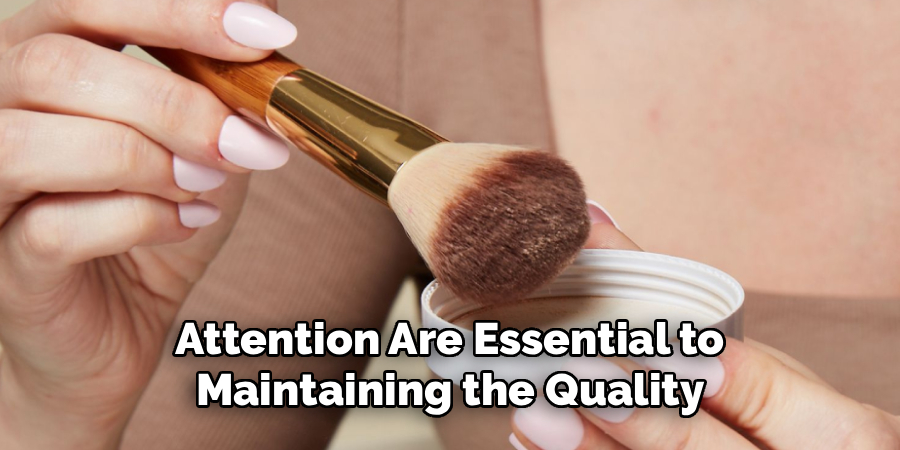
Conclusion
Proper care and attention are essential to maintaining the quality and safety of your cosmetics. Always check for expiration dates or signs of degradation, and handle your products with cleanliness to prevent contamination.
By following these guidelines on how to open powder makeup, you can ensure that your cosmetics remain effective while reducing potential risks to your skin and overall health. Remember, when in doubt, it’s always better to replace expired or suspicious products to prioritize your well-being.

About the Author
Jane Hubbard is a passionate beauty expert with a wealth of experience in makeup, hair, and overall beauty techniques. After years of working as a hairdresser specialist, she followed her entrepreneurial spirit and started her own consultancy business.
Jane has always been driven by her desire to help others feel confident in their own skin, and she does this by sharing her knowledge, experiences, and practical beauty tips. Through her consultancy, she empowers individuals to embrace their unique beauty, offering tailored guidance that boosts both self-esteem and personal style.
Professional Focus
Specializes in makeup, hairstyling, and beauty consulting.
Provides personalized beauty advice, tips, and techniques to help individuals feel confident in their appearance.
Dedicated to staying up-to-date with the latest industry trends and developments.
Passionate about creating a comfortable and empowering experience for every client.
Education History
University of Craft and Design – Bachelor of Fine Arts (BFA) in Woodworking and Furniture Design
Woodworking Apprenticeships – Extensive hands-on training with skilled craftsmen to refine carpentry and furniture making techniques
Online Courses & Masterclasses – Continued education in advanced woodworking techniques, design principles, and specialized tools
Expertise:
Makeup artistry, hairstyling, and beauty consulting.
Personalized beauty techniques to enhance confidence and self-expression.
Educating clients on how to maintain their beauty routines at home.