

Removing stage makeup properly is an essential part of maintaining healthy skin and preventing irritation. Stage makeup is often heavier and more durable than everyday cosmetics, designed to withstand bright lights and long performances. However, if not removed correctly, it can clog pores and lead to breakouts. This guide will provide simple and effective steps of how to remove stage makeup, ensuring a clean and refreshed complexion.

Challenges of Removing Heavy Stage Makeup
Removing heavy stage makeup ideas can be a tricky and time-consuming process due to its durability and resistance to sweat and lighting conditions. One of the main challenges is breaking down the thick layers of makeup without irritating the skin. Regular facial cleansers are often not strong enough to fully remove these products, resulting in leftover residue that can clog pores and cause breakouts.
Additionally, some performers may find it difficult to completely remove waterproof or long-lasting formulas, which can lead to scrubbing or over-washing, potentially stripping the skin of its natural oils and causing dryness or sensitivity. Sensitive areas such as around the eyes are particularly challenging, as they require extra care to avoid irritation while removing products like heavy eyeliner or waterproof mascara. These challenges highlight the importance of using proper techniques and specialized products when tackling stage makeup removal.
Differences between Stage Makeup and Everyday Makeup
Stage makeup and everyday makeup differ significantly in their purpose, application, and composition. Stage makeup is designed to withstand intense lighting, heat, and long performances, requiring heavier pigments and more durable formulas. It is often applied in layers to enhance facial features and expressions, ensuring that they remain visible from a distance under bright stage lights.
On the other hand, everyday makeup is generally lighter and more natural-looking, focusing on enhancing subtle features for daily wear. Unlike stage makeup, it prioritizes comfort and breathability for all-day use. Additionally, the color palettes for stage makeup tend to be more exaggerated, utilizing bold hues and dramatic contrasts to project emotions to an audience, whereas everyday makeup leans towards neutral tones for a soft, polished appearance. These differences reinforce the distinct needs of each type of makeup depending on the context.
Tools and Products You’ll Need
When it comes to achieving the perfect look, choosing the right tools and products is essential. For everyday makeup, you’ll want to have basic items such as a foundation or tinted moisturizer, a neutral-toned eyeshadow palette, mascara, a blush, and a lipstick or lip gloss in a subtle shade. Brushes and sponges designed for blending are crucial for smooth application, while products like a setting spray or powder help ensure your makeup lasts throughout the day.
On the other hand, stage makeup requires a more robust set of products, including high-pigment foundations and concealers, bold eyeshadows, long-lasting eyeliners, and dramatic false lashes. Stage makeup also benefits from contour kits to define facial features, as well as setting sprays formulated to handle sweat and heat under intense lighting. Brushes with precision tips, artistic tools like blending sponges, and even specialized removers for heavy-duty makeup are vital for creating and maintaining a flawless performance-ready look.
10 Methods How to Remove Stage Makeup
1. Start with an Oil-Based Cleanser
Oil-based cleansers are highly effective for breaking down heavy stage makeup, including waterproof foundation, eyeliner, and lipstick. Begin by dispensing a small amount of oil onto dry hands and massaging it gently over the face, focusing on areas with heavy coverage. The oil binds to makeup particles, loosening them from the skin. After massaging for a minute or two, rinse with lukewarm water or follow with a gentle foaming cleanser. This method ensures that stubborn makeup is dissolved without harsh scrubbing, which can irritate the skin.

2. Use Makeup Remover Wipes for Initial Removal
Makeup remover wipes provide a quick first step for removing stage makeup, particularly in backstage situations where time is limited. Choose wipes formulated for heavy or waterproof makeup. Gently wipe the face in sweeping motions, avoiding excessive rubbing that can damage the skin. This method is effective for removing surface layers of makeup, creating a cleaner base for a more thorough cleansing routine. Pairing wipes with other cleansing methods enhances the overall removal process.
3. Apply Micellar Water
Micellar water is a gentle yet effective option for removing heavy makeup. Saturate a cotton pad with micellar water and press it gently onto the skin for a few seconds before wiping away. Repeat until most of the makeup is removed. Micellar water contains micelles—tiny oil molecules—that attract dirt, oil, and pigment, effectively lifting makeup without the need for harsh rubbing. This method is particularly suitable for sensitive skin, ensuring cleanliness while minimizing irritation.
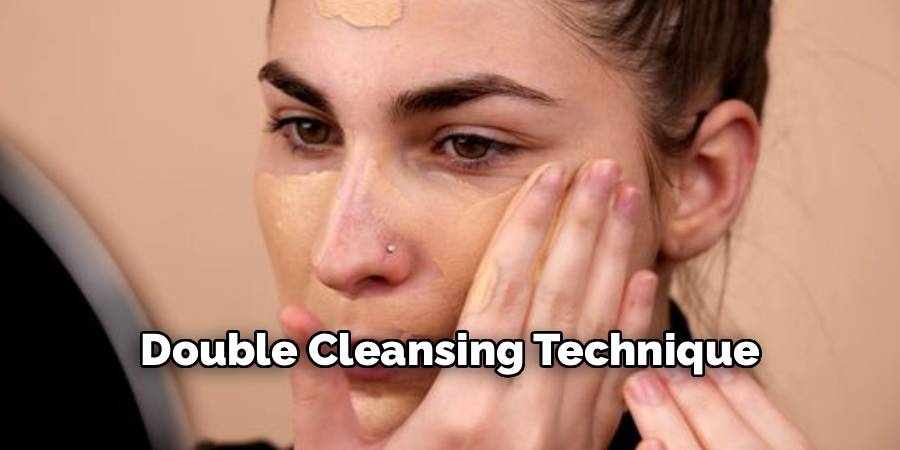
4. Double Cleansing Technique
Double cleansing is a highly effective method for thoroughly removing stage makeup. Start with an oil-based cleanser to dissolve makeup, then follow with a water-based or foaming cleanser to remove residual oil, sweat, and impurities. This two-step approach ensures that every layer of makeup is eliminated, leaving the skin clean and refreshed. Double cleansing also helps prevent clogged pores, breakouts, and irritation that may result from leftover heavy makeup.
5. Remove Eye Makeup with a Dedicated Eye Makeup Remover
Stage eye makeup, such as waterproof mascara and eyeliner, often requires specialized removal. Use a gentle, oil-based eye makeup remover applied to a cotton pad. Hold the pad over the closed eyelid for a few seconds to allow the product to dissolve the makeup, then wipe gently. Avoid rubbing or tugging at the delicate skin around the eyes, as this can cause fine lines and irritation. This method ensures that even stubborn eye makeup is removed safely and effectively.
6. Soften Lip Makeup with Balm or Oil
Stage lip products, including long-lasting lipsticks and lip stains, can be particularly resistant to removal. Apply a lip balm, coconut oil, or olive oil to the lips and leave it for a few minutes to soften the product. Then, gently wipe away with a tissue or cotton pad. This method helps remove color without excessive scrubbing, preventing dryness and maintaining the natural softness of the lips. Following with a hydrating lip treatment keeps lips moisturized and smooth.
7. Use Gentle Exfoliation
After most of the stage makeup has been removed, gentle exfoliation can help remove any lingering residue and dead skin cells. Use a mild scrub or a soft facial brush to exfoliate the face in circular motions. Focus on areas where makeup tends to accumulate, such as the forehead, nose, and chin. Avoid harsh or abrasive scrubs, which can irritate the skin already stressed from heavy makeup. This method ensures a fresh, radiant complexion while maintaining skin health.

8. Rinse Thoroughly with Lukewarm Water
Rinsing the face with lukewarm water after using cleansers and makeup removers helps wash away remaining impurities. Avoid hot water, as it can strip the skin of natural oils and cause dryness or irritation. Use gentle splashes and light massaging motions to ensure that all traces of makeup, cleanser, and residue are removed. This simple step is essential for leaving the skin clean, hydrated, and ready for post-cleansing care.
9. Apply Toner to Balance the Skin
After removing stage makeup, applying a toner helps restore the skin’s natural pH balance and remove any leftover traces of makeup or cleanser. Choose an alcohol-free toner with soothing ingredients such as rose water, chamomile, or aloe vera. Apply with a cotton pad or gently pat onto the skin with clean hands. This method not only balances the skin but also prepares it to absorb moisturizer or other post-cleansing treatments more effectively.
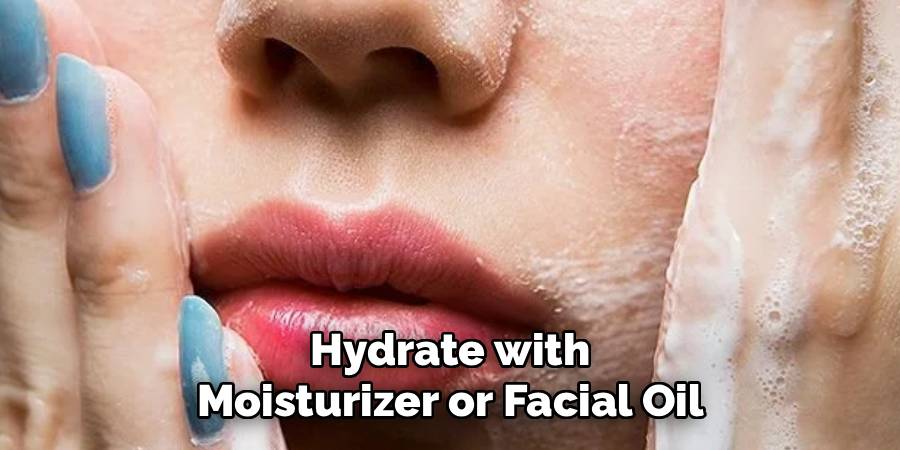
10. Hydrate with Moisturizer or Facial Oil
Finally, stage makeup removal should be followed by a nourishing moisturizer or facial oil to replenish hydration and repair the skin barrier. Use a lightweight moisturizer for oily or combination skin, or a richer cream or oil for dry skin. Apply gently, covering all areas of the face, including the under-eye area and lips. This step ensures that the skin remains soft, supple, and protected after the stress of heavy stage makeup, leaving a fresh and healthy appearance.
Conclusion
Removing stage makeup requires a combination of the right products, gentle techniques, and careful attention to skin health. Starting with oil-based cleansers, makeup remover wipes, and micellar water ensures that most of the heavy makeup is dissolved. Double cleansing and specialized removers for eyes and lips provide thorough cleaning, while gentle exfoliation and lukewarm rinsing remove residual product.
Applying toner restores the skin’s natural balance, and finishing with moisturizer or facial oil replenishes hydration and protects the skin barrier. By following these ten methods, performers and makeup enthusiasts can maintain healthy, clear, and radiant skin, even after the demands of long stage performances. Be sure to follow all instructions on how to remove stage makeupcarefully, and always consult an expert when in doubt.

About the Author
Jane Hubbard is a passionate beauty expert with a wealth of experience in makeup, hair, and overall beauty techniques. After years of working as a hairdresser specialist, she followed her entrepreneurial spirit and started her own consultancy business.
Jane has always been driven by her desire to help others feel confident in their own skin, and she does this by sharing her knowledge, experiences, and practical beauty tips. Through her consultancy, she empowers individuals to embrace their unique beauty, offering tailored guidance that boosts both self-esteem and personal style.
Professional Focus
Specializes in makeup, hairstyling, and beauty consulting.
Provides personalized beauty advice, tips, and techniques to help individuals feel confident in their appearance.
Dedicated to staying up-to-date with the latest industry trends and developments.
Passionate about creating a comfortable and empowering experience for every client.
Education History
University of Craft and Design – Bachelor of Fine Arts (BFA) in Woodworking and Furniture Design
Woodworking Apprenticeships – Extensive hands-on training with skilled craftsmen to refine carpentry and furniture making techniques
Online Courses & Masterclasses – Continued education in advanced woodworking techniques, design principles, and specialized tools
Expertise:
Makeup artistry, hairstyling, and beauty consulting.
Personalized beauty techniques to enhance confidence and self-expression.
Educating clients on how to maintain their beauty routines at home.