

By early afternoon, that fresh morning glow starts to slip. Foundation settles into fine lines, shine creeps across the nose, and the face you carefully put together a few hours ago looks a little tired. Learning how to touch up makeup means you can fix all of that in minutes, anywhere, without starting from scratch.
So no need to panic when you catch your reflection.
A quick refresh is far simpler than a full redo. We will cover why makeup fades, the compact kit worth carrying, a step-by-step refresh routine, and a handful of smart tips for making it last. Grab your bag and let’s get into it.
Why Makeup Fades Throughout the Day
Before you fix the wear, it helps to know what causes it. None of this is a sign you did something wrong. It is just what makeup does over a long day.
Oil, Sweat, and Daily Wear
Your skin produces natural oils all day, and those oils slowly break down whatever sits on top. Add a little perspiration and ordinary movement, and the result is foundation lifting around the nose and chin.
Powder behaves the same way. It absorbs into the skin, and that crisp, set finish softens into something more lived-in.
This happens to everyone, no exceptions. A quick touch-up is the easy answer here, far easier than wiping everything off and rebuilding it.
Environmental and Lifestyle Factors
The world around you plays a part, too. Heat, humidity, and even blasting air conditioning all wear makeup down faster than you might expect.
Then there is everything you do without thinking. Talking, eating, touching your face, wearing a mask, and stepping outside for an errand. Each one chips away a little.
Knowing this is oddly useful. Once you recognize what causes the fading, you can carry the right products and refresh before the wear becomes obvious to anyone else.
Building Your Touch-Up Kit
You do not need to haul a vanity around in your bag. A few thoughtful, multitasking items handle nearly every sign of wear.
Essential Products to Carry
The heroes of a good touch-up bag are simple. Blotting papers, a pressed powder or compact, a creamy concealer, a lip product, and a travel-size setting spray.
Each one earns its spot. Blotting papers, for instance, lift shine without piling on more product, which is exactly what a midday fix needs.
Keep the selection lean. A handful of items that do double duty beats a crowded bag you have to dig through in a tiny restroom.

Compact Tools That Travel Well
Tools matter almost as much as products. A small mirror, a dual-ended brush, a few cotton swabs, and a mini sponge turn a touch-up into something quick rather than fiddly.
A cotton swab erases smudged liner in seconds. A small sponge presses concealer back into place without disturbing everything around it.
Tuck it all into a slim pouch so it stays organized. The whole point is to make a refreshing feel effortless, even when you are working with bad lighting and limited counter space.
Prepping Before You Refresh
A good touch-up starts with a quick reset of the skin. Skip this part, and you tend to end up with cakey buildup instead of a fresh finish.
Blotting Away Excess Oil
Press a blotting paper or a clean tissue across the T-zone before you add anything new. The paper lifts the slick layer of oil and leaves a fresh surface behind.
Press, do not wipe. Wiping the makeup out of place, which only creates more work for you.
This single step prevents the cakey mess that happens when fresh powder lands on top of oil. It is small, but it sets up everything that follows.
Refreshing With a Light Mist
A quick spritz of setting spray or facial mist rehydrates tired-looking makeup. A flat, powdery finish suddenly looks skin-like again.
Go light here. A fine veil is all you need, not a soak.
Let the mist settle for a few seconds before moving on. You want the surface primed and ready, not damp.
How to Touch Up Makeup: Step-by-Step Guide
Here is the heart of it. Knowing how to touch up makeup really comes down to a clear sequence, moving from faded to fresh in just a few minutes. Take each step in order and touch up only what has actually worn.

Step 1: Blot and Assess Your Face
Start by blotting away shine, then take a quick look in good lighting. A calm assessment stops you from over-applying a product where it is not needed.
Notice the faded areas, the smudges, and any dull spots. Just observe before you reach for anything.
This thirty-second pause is the real secret to a natural result. Touching up only what has worn keeps the look fresh rather than heavy.
Step 2: Refresh the Base and Conceal
Press a small amount of concealer or lightweight foundation onto the faded or uneven areas, focusing on the center of the face. Use a fingertip or mini sponge and tap it in gently rather than rubbing over existing makeup.
Spot-correcting revives coverage without a full reapplication. Thin layers blend in seamlessly.
Less is genuinely more here. A targeted touch-up looks far more natural than a thick new coat smeared across the whole face.
Step 3: Reapply Powder Where Needed
Dust a light layer of pressed powder over the T-zone and anywhere prone to shine, pressing it gently into the skin. This sets the refreshed base and keeps oil at bay for the hours ahead.
Focus on the nose, forehead, and chin. Powdering the whole face can flatten a healthy glow, which is the opposite of what you want.
That smooth, matte finish on the oily zones tells you the base is set. Now you can move on to the parts that bring the face back to life.
Step 4: Revive the Eyes
Clean up any smudged liner or mascara fallout with a dry cotton swab first. Then add a fresh swipe of mascara if your lashes look a little flat.
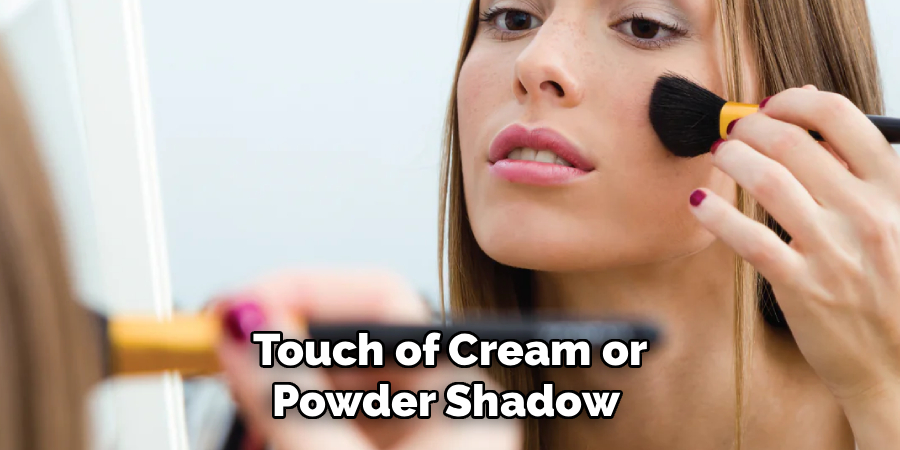
A touch of cream or powder shadow wakes up faded lids in seconds. A tiny bit of concealer at the inner corners or under the eyes makes you look noticeably more awake.
Keep a light hand through all of this. A few small fixes around the eyes lift the entire face, no full redo required.

Step 5: Refresh Cheeks and Glow
Cheeks fade first, almost always. Add a soft sweep of blush or cream color back to the apples, blending gently so it melts into the existing base rather than sitting on top.
A tiny touch of highlighter on the high points brings back some radiance. Suddenly, the face looks rested again.
Build the color slowly. A gradual approach keeps the cheeks looking natural instead of suddenly bright or patchy.
Step 6: Touch Up Lips and Set Everything
Blot away any faded lip color, then reapply your lipstick, gloss, or balm. Fresh lips pull the whole look together and signal a complete refresh.
Then mist a light layer of setting spray to lock everything in and erase any powdery edges. Take a second to see the revived, cohesive face in the mirror.
That final spritz is the flourish that makes it last. It carries the touch-up well into the evening, which is exactly the point.
Touch-Up Tips for Different Situations
A touch-up shifts a little depending on where you are. A few situation-specific notes keep you ready for any moment.
Quick Office Refresh
A fast midday fix at work focuses on the basics. Blot the shine, reapply powder, refresh the lips, and you look pulled together again.
Keep a slim kit in a desk drawer for convenience. Even two minutes between meetings is enough, so a packed schedule never has to mean a faded face by afternoon.
Before an Evening Event
Turning a daytime look into something more striking is easier than it sounds. Deepen the eyes, add a bolder lip, and boost the glow.
Layer rather than remove. Building on what is already there keeps the refresh seamless and carries one look from desk to dinner without a full do-over.
Touching Up in Humid or Hot Weather
Heat and humidity call for a different approach. Extra blotting, waterproof products where you can, and a setting spray that locks everything down.
Lean on lightweight layers that resist melting. Warm weather does not have to ruin your look, as long as your touch-ups fight oil rather than feed it.
Common Touch-Up Mistakes and How to Avoid Them
A few habits quietly make touch-ups look worse instead of better. The fixes are simple once you know what to watch for.
Piling Product on Top of Old Makeup
Adding fresh foundation or powder over oily, worn makeup is a recipe for a cakey, patchy finish. The new layer has nothing clean to grip.
Blot first, then spot-correct only where needed. That brief pause to prep the skin is the line between a natural refresh and an obvious, heavy layer that emphasizes every texture.
Forgetting to Blot Before Powdering
Skip the blotting step, and you trap oil under your new powder. Buildup follows, and the shine returns faster than before.
Always press away the excess oil first. This tiny habit keeps touch-ups smooth, letting the powder set the skin instead of sitting on a slick surface.
Over-Touching the Whole Face
Reapplying everything everywhere flattens a natural look and wastes your time. It also tends to look more like makeup and less like skin.
Focus only on what has actually faded. Targeted, minimal touch-ups always look more polished, leaving the face refreshed rather than masked.
Keeping Your Makeup Fresh Longer
The best touch-up is the one you barely need. A couple of simple habits stretch your morning application much further.
Setting Your Makeup in the Morning
A solid start makes a real difference. Primer, thin layers, and a good setting spray help makeup last well into the day.
Press powder into oily zones from the beginning, rather than waiting for shine to show up. That groundwork means fewer fixes later.
A few extra minutes at the start saves time and product when the afternoon rolls around. It is a quiet trade worth making.
Smart Habits That Reduce Fading
Small choices protect your look, too. Keep your hands away from your face, stay hydrated, and reach for long-wear formulas on busy days.
Blotting early, before shine builds, heads off bigger fixes. You are catching the problem before it becomes one.
With a little awareness, your makeup stays fresher for longer. Touch-ups become quick refreshes rather than full rescues, which is a much nicer way to get through a day.
Conclusion
Knowing how to touch up makeup turns a faded afternoon look into a quick, satisfying refresh you can pull off almost anywhere. What once felt like a reason to start over is really just a few minutes of small, targeted fixes.
You now hold the full picture. Why makeup fades, what to pack, the step-by-step routine, and the habits that keep your look fresh longer.
So build your touch-up bag and try the method today. Confidence grows with every quick refresh, and you can glow from morning to night without much effort at all.

About the Author
Jane Hubbard is a passionate beauty expert with a wealth of experience in makeup, hair, and overall beauty techniques. After years of working as a hairdresser specialist, she followed her entrepreneurial spirit and started her own consultancy business.
Jane has always been driven by her desire to help others feel confident in their own skin, and she does this by sharing her knowledge, experiences, and practical beauty tips. Through her consultancy, she empowers individuals to embrace their unique beauty, offering tailored guidance that boosts both self-esteem and personal style.
Professional Focus
Specializes in makeup, hairstyling, and beauty consulting.
Provides personalized beauty advice, tips, and techniques to help individuals feel confident in their appearance.
Dedicated to staying up-to-date with the latest industry trends and developments.
Passionate about creating a comfortable and empowering experience for every client.
Education History
University of Craft and Design – Bachelor of Fine Arts (BFA) in Woodworking and Furniture Design
Woodworking Apprenticeships – Extensive hands-on training with skilled craftsmen to refine carpentry and furniture making techniques
Online Courses & Masterclasses – Continued education in advanced woodworking techniques, design principles, and specialized tools
Expertise:
Makeup artistry, hairstyling, and beauty consulting.
Personalized beauty techniques to enhance confidence and self-expression.
Educating clients on how to maintain their beauty routines at home.