

Achieving length and volume while maintaining your hair’s natural texture can be a challenge for many individuals with natural hair.
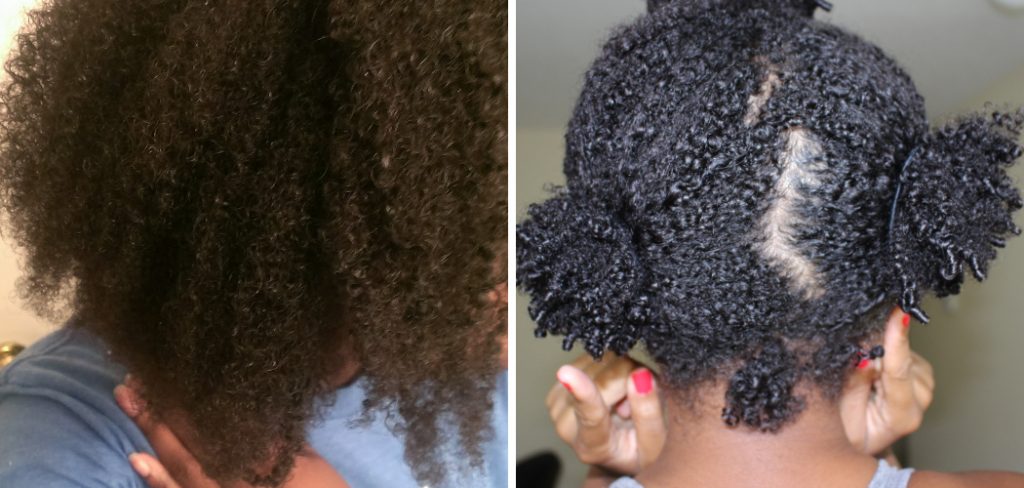
However, there are effective techniques to help stretch your natural hair after washing, allowing you to achieve the desired look without compromising your hair’s health. In this section, we will explore various methods and tips on how to stretch natural hair after washing, providing you with options to embrace versatile and stunning hairstyles.
Whether you prefer a stretched-out afro, defined curls, or sleek protective styles, these techniques will help you achieve your desired look and enhance your natural beauty.
After washing, let’s dive into natural hair stretching and discover the secrets to maximizing your hair’s potential.
What Will You Need?
Before we begin discussing the different methods of stretching natural hair, it is essential to ensure that you have the necessary tools and products. These include:
- Wide-tooth comb or detangling brush
- Moisturizing shampoo and conditioner
- Leave-in conditioner or moisturizer
- Heat protectant (if using heat)
- Hair ties or clips
- Bobby pins (optional)
Having these items on hand will make the process smoother and more manageable. Additionally, it is crucial to understand your hair type and its needs to select the most suitable technique for your hair.
10 Easy Steps on How to Stretch Natural Hair After Washing
Step 1: Twist Out
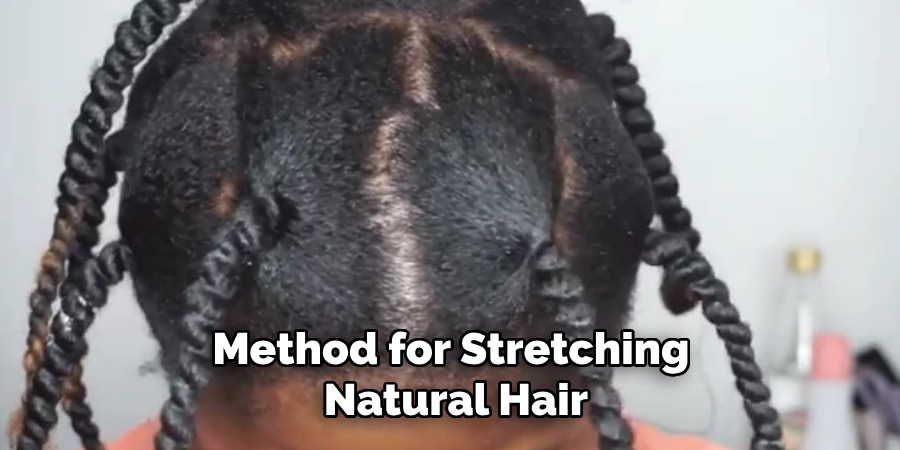
Twist-outs are a popular and effective method for stretching natural hair after washing. Start with freshly washed and conditioned hair. Apply a leave-in conditioner or moisturizer to ensure your hair is hydrated. Divide your hair into small sections and twist each section tightly. Once dry, unravel the twists and fluff your hair for a stretched-out look.
Step 2: Bantu Knots
Bantu knots are another popular method for stretching natural hair while maintaining definition. After washing and conditioning your hair, divide it into small sections and twist each section tightly. Wrap the twisted section around itself to form a bun or knot. Secure with bobby pins if needed. Unravel the knots once dry, and style as desired.
Step 3: Banding
Banding is a gentle method for stretching natural hair without causing excessive tension or heat. After washing and conditioning your hair, divide it into several sections. Wrap a hair-friendly elastic band or scrunchie loosely around each section, starting from the roots and working towards the ends. Ensure that the bands are not too tight to avoid hair breakage.
Leave the bands in place until your hair is completely dry or overnight. Once dry, carefully remove the bands and fluff your hair for a stretched and elongated look. Banding is particularly effective for achieving a stretched afro or curly style while preserving natural texture and minimizing shrinkage. Remember to moisturize your hair before and after banding to maintain its hydration and prevent dryness.
Step 4: African Threading
African threading is an ancient African technique for stretching natural hair that involves using yarn or thread to wrap and pull the hair. After washing and conditioning your hair, divide it into small sections. Wrap a piece of yarn or thread tightly around each section from root to tip. The tension the wrapping creates will gently stretch your hair while preserving its texture and definition. Leave the threads in place until your hair is dehydrated, then unravel and style.
Step 5: Pineapple Method
The Pineapple Method is a popular technique for preserving curly and textured hair overnight to maintain its shape and reduce frizz. Gather all your hair on top of your head to create a pineapple, as if creating a high ponytail. Secure it with a scrunchie or a silk/satin hair tie to avoid causing friction and breakage. This method keeps your curls intact and prevents them from flattening while you sleep. In the morning, take down the pineapple and gently shake or fluff your hair to revive the curls.
Adding a light mist of water or a curl-refreshing spray can further enhance and restore your curls throughout the day. The Pineapple Method is an excellent way to extend the life of your curly or textured hairstyle, maintaining its bounce and definition.
Step 6: Tension Blow-Drying
Tension blow-drying is a versatile method for stretching natural hair while providing some heat styling. After washing your hair, divide it into sections and apply a heat-protectant product. Using a comb or brush, stretch each section of hair as you blow-dry it on low to medium heat. The tension from the comb/brush helps to gently stretch the hair while the heat sets the style in place. Be careful not to use excessive heat or pull too tightly to avoid damaging your hair.
Step 7: African Threading with Heat
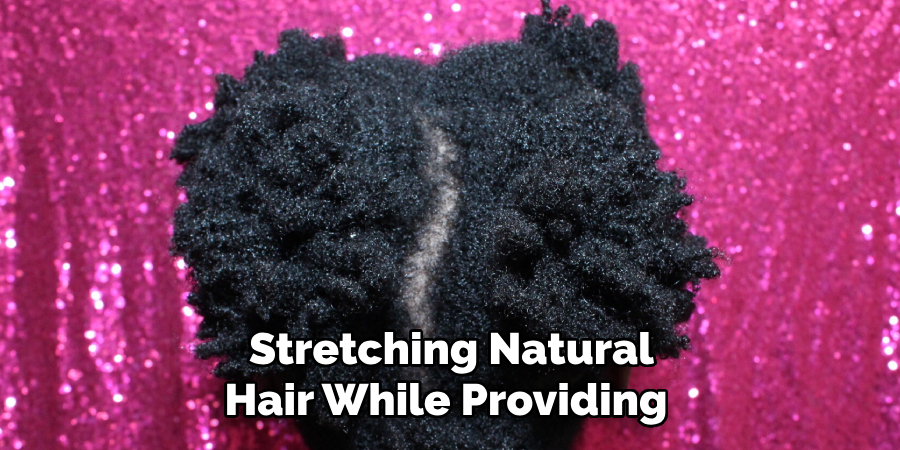
African threading with heat is a traditional method that combines the benefits of African threading and heat styling to stretch and lengthen natural hair. To begin, divide your hair into small sections and apply a heat-protectant spray or serum to safeguard your strands from excessive heat. Next, take a thread made of natural fiber, like wool or cotton, and wrap it tightly around the base of each section of hair, working your way down towards the ends. Once the hair is tightly secured with the thread, use a blow dryer on low to medium heat to apply gentle warmth to each section. The heat helps to elongate the hair further while the thread holds it in place.
Remember to be cautious with the amount of heat applied and ensure that the hair is adequately protected to prevent damage. After thoroughly drying each section, carefully unwind the thread to reveal beautifully stretched hair with minimal heat damage. African threading with heat is a fantastic method for achieving length and creating versatile hairstyles while maintaining the health and integrity of your natural hair.
Step 8: Curlformers or Flexi Rods
Curlformers and flexi rods are popular tools for creating defined curls and waves while stretching natural hair. After washing and conditioning your hair, apply a leave-in conditioner or moisturizer. Divide your hair into sections and wrap each section around the curlformer or flexi rod, starting at the roots. For best results, allow your hair to dry completely before removing the curl formers/rods and styling as desired.
Step 9: Rollersetting
Roller setting is a classic technique for achieving smooth and voluminous curls without direct heat. To begin, start with freshly washed and conditioned hair. Apply a setting lotion or foam throughout your hair to help mold and set the curls. Divide your hair into small sections and wrap each section around a roller, starting from the ends and rolling towards the roots. Secure the roller in place with a roller pin or clip. Repeat this process until all of your hair is set in rollers. Depending on your hair’s thickness and desired curl pattern, you can choose different sizes of rollers. Allow your hair to fully air dry or sit under a hooded dryer until completely dry.
Carefully remove the rollers once your hair is dry, and gently separate the curls with your fingers for a voluminous and bouncy look. Finish with a light-hold hairspray to set the curls in place.
Step 10: Protective Styling
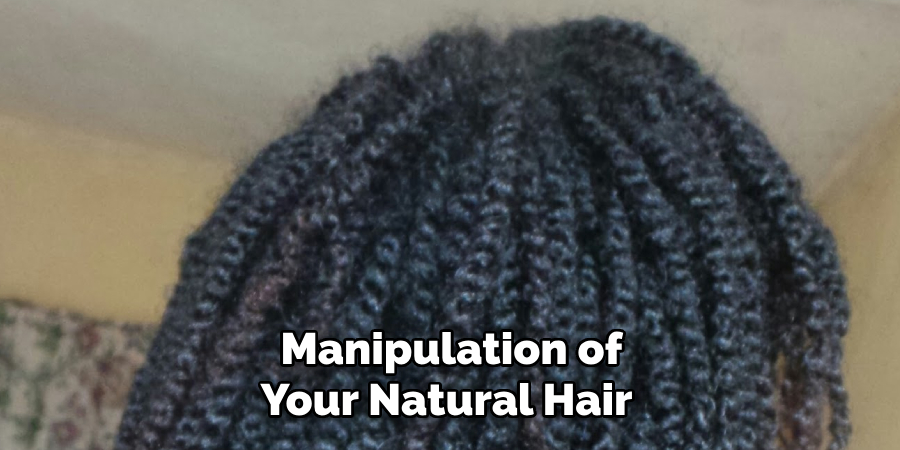
In addition to these stretching techniques, incorporating protective styling into your hair routine can also help minimize shrinkage and promote healthy hair growth. Protective styles such as braids, twists, buns, and wigs allow for low manipulation of your natural hair while keeping it moisturized and protected from environmental stressors.
By reducing your hair’s direct handling and manipulation, you can prevent breakage and retain length over time. However, taking breaks in between protective styles is essential to give your hair a chance to breathe and rest. Additionally, be mindful not to leave protective styles in for an extended period, as this can lead to tangling and matting, causing damage when it’s time to take them down.
By following these ten methods for stretching natural hair, you can achieve length and maintain the health of your curls or textured strands.
5 Things You Should Avoid
- Using Heat Styling Tools Excessively: Excessive use of heat-styling tools like flat irons and curling irons can disrupt the natural curl pattern and cause heat damage. Limit the use of heat styling tools to minimize the risk of dryness and breakage.
- Over-Manipulating Wet Hair: Wet hair is more fragile and prone to breakage. Avoid excessive combing, brushing, or styling when your hair is wet to prevent unnecessary tension and damage.
- Skipping Protective Styling: Protective styles are crucial for minimizing manipulation and reducing shrinkage. Avoid skipping protective styles; leaving your hair loose without protection can lead to tangling, breakage, and difficulty maintaining length.
- Using Harsh Chemicals: Be cautious of harsh chemicals in your hair care routine, such as relaxers and intense chemical treatments. These can weaken the hair shaft and hinder its ability to retain length. Opt for more natural and gentle hair care products instead.
- Neglecting Moisture: Neglecting moisture can lead to dryness, brittleness, and breakage. Make sure to incorporate a regular moisturizing routine using water-based products and seal in moisture with natural oils or moisturizers to keep your hair hydrated and elastic.
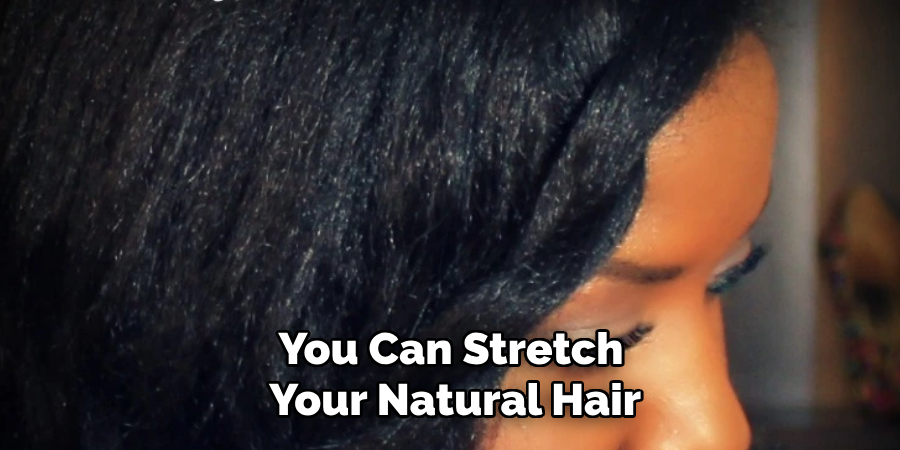
By avoiding these common pitfalls, you can stretch your natural hair after washing while maintaining its health, length, and vibrancy.
Conclusion
As a naturalist, embracing your hair’s unique texture and characteristics is essential in achieving healthy and long hair.
By incorporating these stretching methods and avoiding damaging practices, you can successfully retain length while celebrating the beauty of your natural curls. Remember to also listen to your hair’s needs and adjust your routine as it changes over time. With patience, consistency, and proper care, you can achieve length and maintain the health of your beautiful curls or textured strands for years.
Hopefully, the article on how to stretch natural hair after washing has helped you in your hair journey. Happy stretching!

About the Author
Jane Hubbard is a passionate beauty expert with a wealth of experience in makeup, hair, and overall beauty techniques. After years of working as a hairdresser specialist, she followed her entrepreneurial spirit and started her own consultancy business.
Jane has always been driven by her desire to help others feel confident in their own skin, and she does this by sharing her knowledge, experiences, and practical beauty tips. Through her consultancy, she empowers individuals to embrace their unique beauty, offering tailored guidance that boosts both self-esteem and personal style.
Professional Focus
Specializes in makeup, hairstyling, and beauty consulting.
Provides personalized beauty advice, tips, and techniques to help individuals feel confident in their appearance.
Dedicated to staying up-to-date with the latest industry trends and developments.
Passionate about creating a comfortable and empowering experience for every client.
Education History
University of Craft and Design – Bachelor of Fine Arts (BFA) in Woodworking and Furniture Design
Woodworking Apprenticeships – Extensive hands-on training with skilled craftsmen to refine carpentry and furniture making techniques
Online Courses & Masterclasses – Continued education in advanced woodworking techniques, design principles, and specialized tools
Expertise:
Makeup artistry, hairstyling, and beauty consulting.
Personalized beauty techniques to enhance confidence and self-expression.
Educating clients on how to maintain their beauty routines at home.