

Discovering the right nighttime skincare routine can feel like unlocking a secret level in a video game, where the reward is glowing, youthful skin. Alpharet Overnight Cream has emerged as a powerhouse product for those looking to combine the rejuvenating effects of a retinoid with the gentle exfoliation of an alpha hydroxy acid (AHA). It promises significant improvement in the appearance of lines and wrinkles without the intense irritation often associated with traditional retinol products.
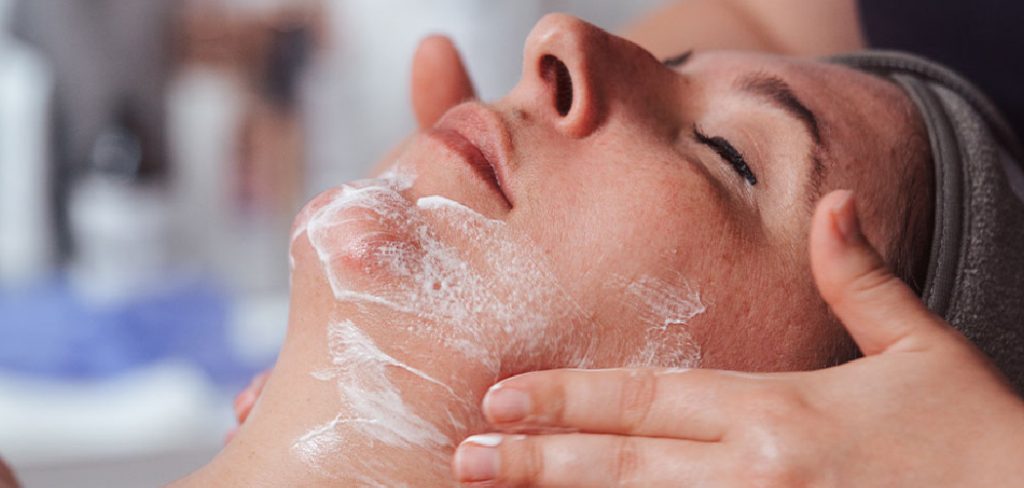
By integrating this advanced formula into your evening regimen, you are taking a proactive step toward better skin health and texture. However, like any potent skincare treatment, knowing exactly how to apply it ensures you maximize benefits while minimizing potential sensitivity. This guide on how to use alpharet overnight cream walks you through every necessary detail so you can wake up to a brighter, smoother complexion.
Key Ingredients and Their Benefits
The magic behind Alpharet lies in its unique, patented technology that successfully combines two gold-standard ingredients: a retinoid and lactic acid (an AHA). Typically, these ingredients don’t play well together in the same bottle because of stability issues, but this formula binds them into a double-conjugated molecule. This means you get the collagen-stimulating power of the retinoid alongside the moisture-retaining and exfoliating properties of lactic acid.
Additionally, the cream is fortified with a blend of antioxidants like squalane, niacinamide, and ceramides. These supporting players work tirelessly to hydrate the skin barrier and neutralize free radicals, ensuring that while the active ingredients do the heavy lifting, your skin remains soothed and protected against environmental stressors.
Skin Types That Can Use Alpharet
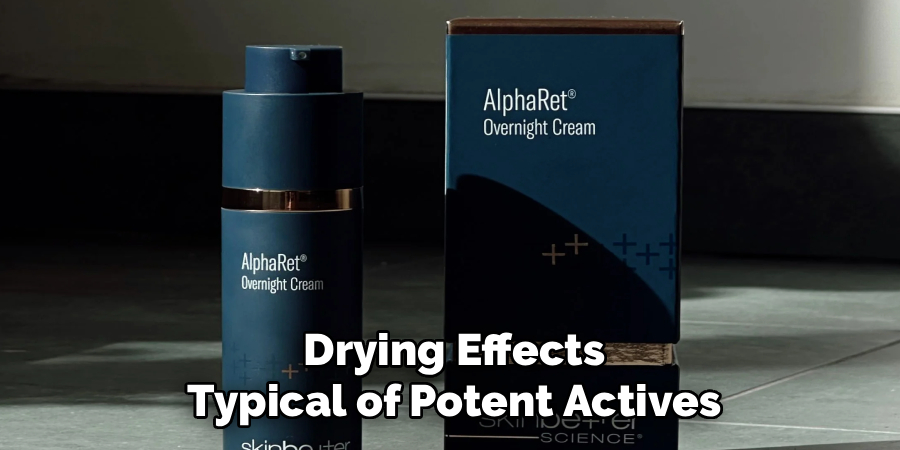
One of the most remarkable features of Alpharet Overnight Cream is its versatility across a wide spectrum of skin profiles. It is specifically formulated to be tolerable for those who have previously struggled with traditional retinoids, making it an excellent option for sensitive skin types that usually experience redness or peeling. Dry skin types benefit immensely from the added moisturizing ingredients like ceramides and squalane, which counteract the drying effects typical of potent actives.
Oily and combination skin types will appreciate the lactic acid component, which helps keep pores clear and texture smooth without adding heavy grease. Essentially, anyone looking to address signs of aging, uneven texture, or dullness can incorporate this cream, provided they introduce it gradually and listen to their skin’s specific needs.
7 Simple Step-By-Step Guidelines on How to Use Alpharet Overnight Cream
Step 1: Start with a Clean Canvas
Before applying any potent active ingredient, it is absolutely crucial that your skin is completely free of makeup, sunscreen, dirt, and excess oil accumulated throughout the day. Begin your evening routine with a gentle, non-stripping cleanser that effectively removes impurities without compromising your skin’s natural moisture barrier. Using lukewarm water, massage the cleanser into your skin for at least 60 seconds to ensure a thorough wash.
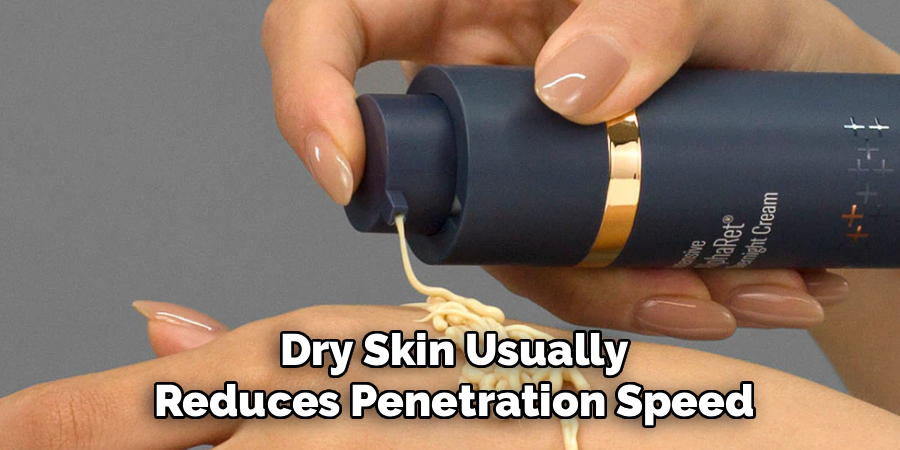
Avoid using harsh scrubs or physical exfoliants during this step, as you want to minimize irritation before applying the Alpharet cream. Pat your face dry with a clean, soft towel—do not rub—leaving the skin slightly damp or completely dry depending on your preference, though applying actives to dry skin usually reduces penetration speed and irritation risk. A clean canvas ensures that the expensive and effective ingredients in the cream can penetrate deeply where they are needed most.
Step 2: Ensure Your Skin is Completely Dry
While many moisturizers work best on damp skin to lock in hydration, applying a retinoid-based product like Alpharet generally requires a different approach to minimize potential irritation. Water enhances the absorption of skincare products, and while that sounds good, it can cause the retinoid to penetrate too quickly and deeply, leading to unnecessary stinging, redness, or sensitivity, especially for beginners.
Wait for about 5 to 10 minutes after cleansing to ensure your face is totally dry before proceeding to the next step. This brief waiting period allows your skin’s pH to balance slightly and ensures that the application will be controlled and steady. Taking this extra moment of patience can be the difference between a comfortable night’s sleep and waking up with irritated, red skin, particularly if you are new to medical-grade skincare products.
Step 3: Dispense the Correct Amount
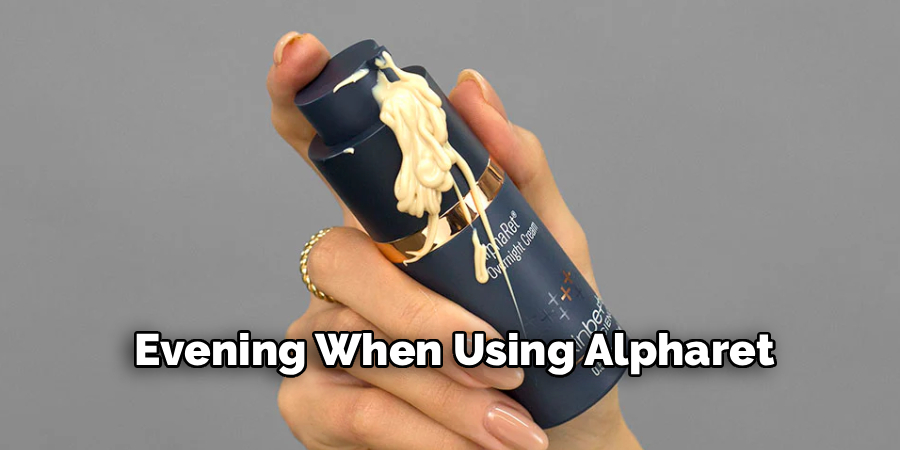
Portion control is a critical aspect of using high-performance skincare; using more product does not equate to better or faster results, but often leads to waste and irritation. For Alpharet Overnight Cream, a pea-sized amount—roughly one pump if the bottle has a metered dispenser—is generally sufficient to cover the entire face.
Dispense this small amount onto your fingertip. It might look like very little, but this potent formula spreads easily and is highly concentrated. If you apply too much, you risk overwhelming your skin barrier, which can trigger a retinoid reaction known as “retinization,” characterized by peeling and sensitivity. Trust the potency of the product; a thin, even layer is all that is required to trigger the cellular renewal and collagen production you are aiming for.
Step 4: Apply Using the Dot Method
To ensure an even distribution of the cream across your face without missing spots or concentrating too much product in one area, use the “dot method.” Take the pea-sized amount on your finger and gently dab small dots on your forehead, both cheeks, your chin, and your nose. This strategic placement acts as a map for where you will spread the product.
Once the dots are in place, use your fingertips to gently connect them, massaging the cream into your skin using upward and outward circular motions. This technique ensures that every zone of your face receives equal treatment. Be careful to avoid the delicate skin immediately surrounding the eyes and the corners of the mouth, as these areas are thinner and more prone to irritation from active ingredients.
Step 5: Don’t Forget the Neck and Décolletage
The face often gets all the glory, but the neck and chest (décolletage) are notorious for showing early signs of aging, like horizontal lines and sunspots. These areas have fewer oil glands than the face, making them more susceptible to dryness and wrinkles, yet they are frequently neglected in skincare routines.
If your skin can tolerate it, dispense another small, pea-sized amount specifically for these areas. Apply it using upward strokes from your collarbone toward your jawline to combat gravity. However, because the skin here is thinner and more sensitive, you may need to introduce the cream to your neck even more slowly than on your face—perhaps starting with two nights a week—to ensure no adverse reactions occur.
Step 6: Follow with a Moisturizer if Needed
Although Alpharet is formulated with a hydrating base containing ceramides and squalane, some users, particularly those with naturally dry skin or those living in arid climates, may require additional moisture. If your skin feels tight or dry after the Alpha-H has absorbed (usually after about 20 minutes), applying a basic, soothing moisturizer on top can be beneficial.
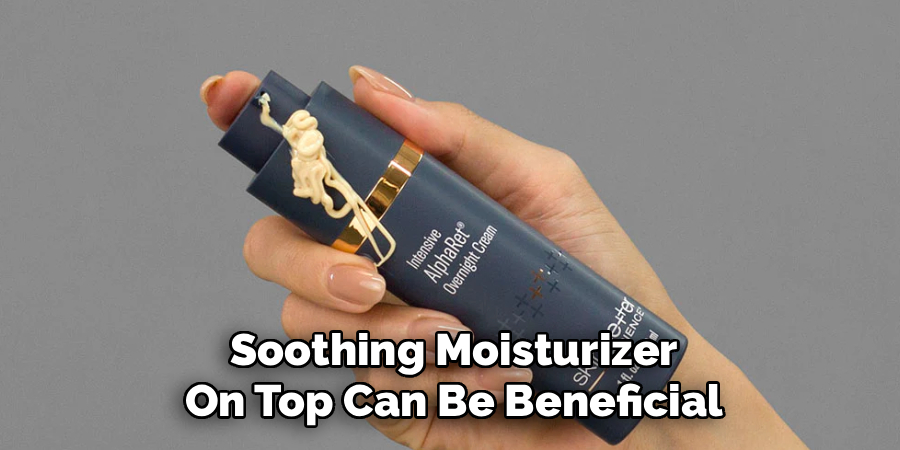
This technique is often called “sandwiching” if you apply moisturizer before and after, but applying it after is sufficient for most. Look for a moisturizer that is free of other active ingredients like acids or retinol to avoid conflict. A simple, lipid-rich cream will seal in the actives and provide an extra layer of barrier support, reducing the likelihood of flaking and keeping the skin supple throughout the night.
Step 7: The Morning After—Sun Protection is Non-Negotiable
The use of retinoids and alpha hydroxy acids accelerates cellular turnover, bringing fresh, new skin cells to the surface. While this makes your skin look radiant, it also renders it significantly more vulnerable to UV damage. Therefore, the final and perhaps most important step of using Alpharet happens the next morning.
You must apply a broad-spectrum sunscreen with an SPF of at least 30 every single day, regardless of the weather. Failing to protect your skin from the sun while using this product can undo all the benefits you are trying to achieve and can actually lead to worse sun damage and hyperpigmentation. Make sunscreen application a habitual, unskippable part of your morning routine to protect your investment in your skin health.
Following these steps on how to use AlphaRet overnight cream can help you achieve radiant, youthful-looking skin. However, it’s also important to maintain a healthy lifestyle by eating a balanced diet, staying hydrated, and getting enough sleep. Additionally, incorporating other skincare products such as serums and face masks into your routine can also enhance the results of using alpharet overnight cream.
Common Side Effects and How to Manage Them
Even with a formulation as elegant and well-balanced as Alpharet, introducing a retinoid to your routine can sometimes cause an adjustment period for the skin. The most common side effects include mild dryness, slight redness, and minor peeling or flaking, often referred to as “retinoid dermatitis.” You might also experience a purging phase where underlying congestion rises to the surface, appearing as small breakouts.
To manage these issues, do not give up immediately; instead, reduce the frequency of application to every other night or every third night until your skin builds tolerance. Boosting your hydration with a hyaluronic acid serum and a rich barrier-repair cream can also significantly mitigate these temporary discomforts. If irritation persists or becomes severe, stop use and consult a dermatologist.
Tips for Best Results
Consistency is your best friend when it comes to seeing real changes in your skin texture and tone. Try to apply the cream at roughly the same time each evening to establish a rhythm for your skin cells.
Store the bottle in a cool, dry place away from direct sunlight to maintain the stability of the active ingredients. Lastly, be patient; while some glow is immediate, big structural changes like collagen production take at least 12 weeks of regular use to become visible.
Common Mistakes to Avoid
A frequent error users make is rushing the process by applying the cream every single night right from the start, assuming that more frequency yields faster results. This often leads to a compromised barrier, stinging, and eventually abandoning the product altogether. Another major mistake is combining Alpharet with other potent actives like high-strength Vitamin C, benzoyl peroxide, or other exfoliating acids in the same evening routine. This “cocktailing” can be too harsh for the skin to handle.
Stick to gentle cleansers and moisturizers in the evening when using Alpharet. Furthermore, skipping sunscreen the next morning is a critical error that leaves fresh skin cells defenseless against UV radiation, counteracting the anti-aging benefits you are striving for.
Frequently Asked Questions
Q1: Can I Use Alpharet If I Am Pregnant Or Breastfeeding?
A1: Generally, the use of retinoids, including those found in Alpharet Overnight Cream, is not recommended during pregnancy or while breastfeeding. Vitamin A derivatives can potentially pose risks to fetal development, and while topical absorption is low, medical professionals advise erring on the side of caution. It is always essential to consult with your obstetrician or dermatologist before continuing or starting any skincare product containing retinoids or salicylic acid during this period to ensure the safety of both you and your baby.
Q2: How Long Does One Bottle Of Alpharet Typically Last With Regular Use?
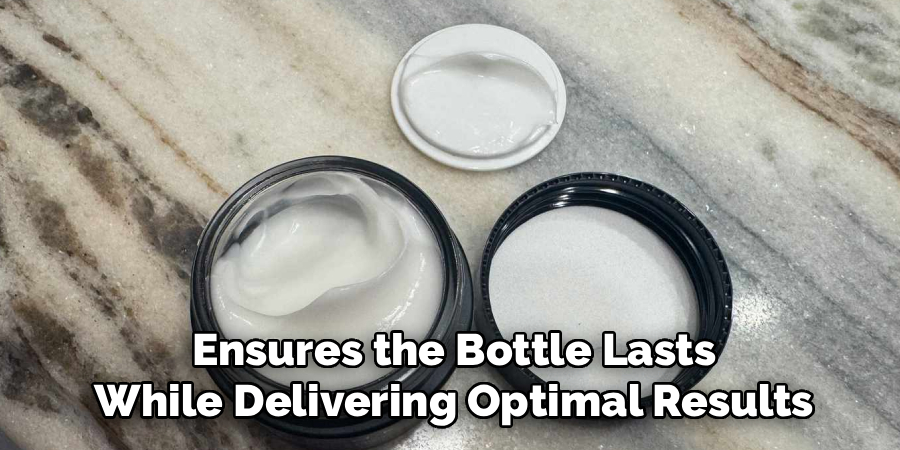
A2: If you are adhering to the recommended usage instructions—applying a thin layer (roughly one pump or a pea-sized amount) to the face each evening—a standard 30ml bottle of Alpharet Overnight Cream should typically last between 2.5 to 3 months. However, this duration will vary depending on whether you are also applying the product to your neck and décolletage, or if you are using it every night versus alternating nights. Consistent, conservative dosing ensures the bottle lasts while delivering optimal results.
Conclusion
Incorporating Alpharet Overnight Cream into your skincare ritual is a strategic move toward achieving a smoother, more radiant complexion. By understanding the unique blend of retinoids and AHAs, and following a disciplined application process, you can unlock profound anti-aging benefits with minimal irritation.
Remember that skincare is a marathon, not a sprint; patience, proper hydration, and diligent sun protection are the pillars that support the work this cream does while you sleep. With the right approach, this single product can transform your nighttime routine into a highly effective treatment, revealing the healthy, glowing skin you deserve. Thanks for reading this guide on how to use AlphaRet overnight cream.

About the Author
Jane Hubbard is a passionate beauty expert with a wealth of experience in makeup, hair, and overall beauty techniques. After years of working as a hairdresser specialist, she followed her entrepreneurial spirit and started her own consultancy business.
Jane has always been driven by her desire to help others feel confident in their own skin, and she does this by sharing her knowledge, experiences, and practical beauty tips. Through her consultancy, she empowers individuals to embrace their unique beauty, offering tailored guidance that boosts both self-esteem and personal style.
Professional Focus
Specializes in makeup, hairstyling, and beauty consulting.
Provides personalized beauty advice, tips, and techniques to help individuals feel confident in their appearance.
Dedicated to staying up-to-date with the latest industry trends and developments.
Passionate about creating a comfortable and empowering experience for every client.
Education History
University of Craft and Design – Bachelor of Fine Arts (BFA) in Woodworking and Furniture Design
Woodworking Apprenticeships – Extensive hands-on training with skilled craftsmen to refine carpentry and furniture making techniques
Online Courses & Masterclasses – Continued education in advanced woodworking techniques, design principles, and specialized tools
Expertise:
Makeup artistry, hairstyling, and beauty consulting.
Personalized beauty techniques to enhance confidence and self-expression.
Educating clients on how to maintain their beauty routines at home.