

Dealing with dark spots and uneven skin tone can be incredibly frustrating, especially when it feels like nothing works. Many of us turn to expensive creams or harsh chemical treatments, often overlooking powerful natural remedies that have been used for centuries. Mulethi, also known as licorice root, is one such hidden gem in the world of Ayurveda that is celebrated for its skin-brightening properties. It contains glabridin, a compound known to inhibit the enzyme that causes darkening, making it a gentle yet effective solution for achieving a radiant complexion.
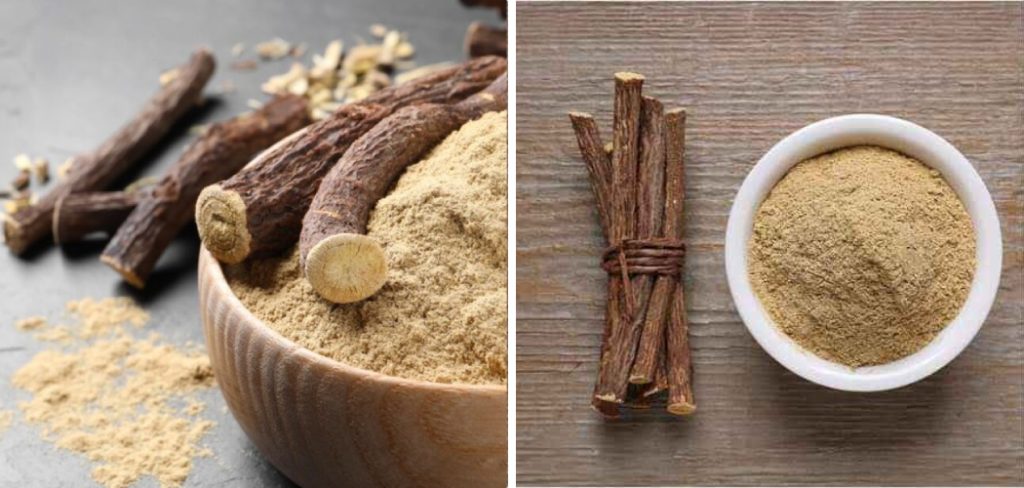
If you are tired of dull skin and are looking for a natural alternative, you are in the right place. This comprehensive guide will walk you through exactly how to use mulethi powder for skin pigmentation safely and effectively. We will explore simple, home-based remedies that you can easily integrate into your skincare routine. From mixing the perfect face pack to understanding the science behind why it works, get ready to discover the secrets to clearer, more even-toned skin without stepping foot in a salon. Let’s dive into the world of natural skincare and unlock your glow.
Step-by-Step Guide: Natural Remedies Using Mulethi
Step 1: Prepare Your Skin for Treatment
Before applying any natural remedy, it is absolutely essential to prepare your canvas properly. Start by washing your face with a gentle, sulfate-free cleanser to remove dirt, excess oil, and makeup residue. This step ensures that the active ingredients in the mulethi powder can penetrate deep into your pores rather than sitting on top of a layer of grime. Pat your skin dry with a clean towel, leaving it slightly damp, which helps in better absorption of the mask. Taking the time to cleanse thoroughly prevents clogged pores and maximizes the effectiveness of the treatment you are about to apply.

Step 2: Create a Simple Water-Based Paste
The most basic method for beginners involves mixing the powder with water or rose water. Take one tablespoon of high-quality organic licorice root powder and place it in a small, non-metallic bowl. Slowly add rose water while stirring continuously until you achieve a smooth, lump-free consistency that resembles thick yogurt. This mixture is perfect for sensitive skin as it provides hydration without any irritating additives. Rose water acts as a natural toner, balancing the skin’s pH levels while the licorice root works on fading dark spots. This simple paste is the foundational recipe for anyone learning how to use mulethi powder for skin pigmentation effectively.
Step 3: Enhance with Milk for Dry Skin
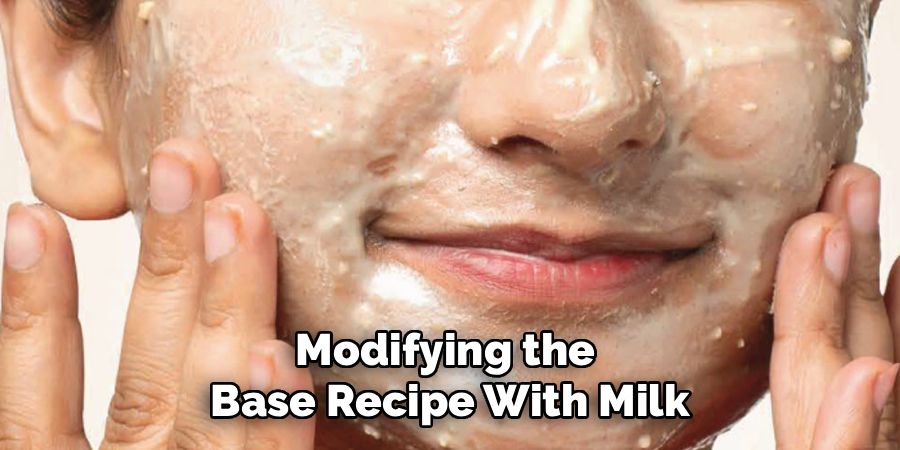
If your skin tends to be dry or flaky, modifying the base recipe with milk is a game-changer. Replace the water with raw, cold milk to create a nourishing face pack that deeply moisturizes while it brightens. The lactic acid present in milk acts as a mild exfoliant, gently sloughing away dead skin cells that contribute to a dull appearance. This combination not only tackles pigmentation but also leaves your skin feeling incredibly soft and supple. Mix the ingredients thoroughly until creamy, ensuring that the powder is fully dissolved to prevent any gritty texture from irritating your delicate facial skin.
Step 4: Add Honey for Acne-Prone Skin
For those battling both pigmentation and acne, honey is the perfect addition to your mulethi regimen. Honey is naturally antibacterial and anti-inflammatory, helping to soothe active breakouts while the licorice root targets the dark marks left behind. Add a teaspoon of organic raw honey to your mulethi paste and mix well. The sticky consistency of the honey helps the mask adhere better to the skin, allowing for a longer contact time. This powerful duo works synergistically to heal the skin barrier, reduce redness, and fade stubborn acne scars, providing a comprehensive solution for troubled skin types.
Step 5: Incorporate Sandalwood for Cooling
In hot climates or for skin that feels inflamed, adding sandalwood powder can provide immense relief. Sandalwood has natural cooling properties that help calm irritated skin and reduce redness caused by sun exposure. Mix equal parts of mulethi and sandalwood powder, then bind them together with a liquid of your choice, such as cucumber juice or rose water. This blend is particularly effective for soothing sunburns and preventing further darkening of the skin. It offers a spa-like experience at home, leaving your face feeling refreshed, cool, and visibly brighter after just a few applications.

Step 6: Pigmentation with Tomato
Stubborn tan lines and deep pigmentation often require a more potent approach. Mixing licorice powder with fresh tomato juice creates a powerful bleaching pack that is safe and natural. Tomatoes are rich in lycopene and antioxidants that fight free radicals and lighten skin tone significantly over time. Squeeze the juice from half a ripe tomato and mix it into your powder until you get a spreadable paste. The slight acidity of the tomato juice helps to break down dead skin cells faster, accelerating the fading process of dark patches. It is an intense treatment best used once a week for visible results.
Step 7: Apply the Mask Correctly
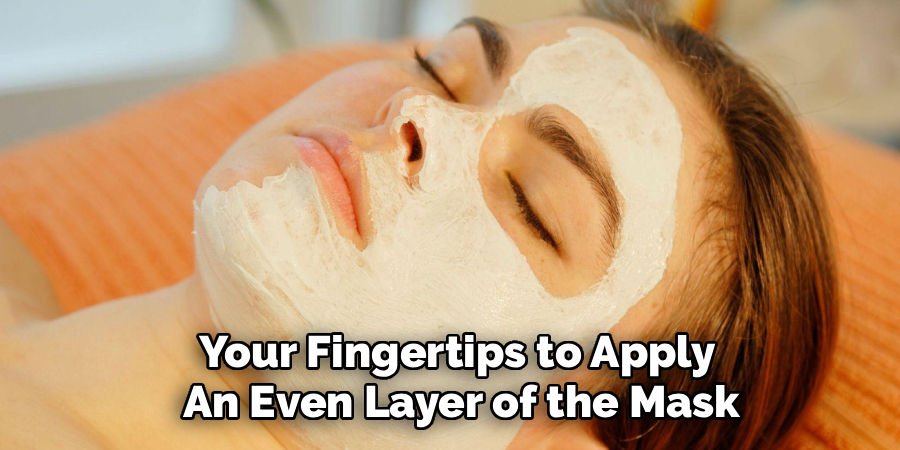
Application technique matters just as much as the ingredients you use. Use a clean applicator brush or your fingertips to apply an even layer of the mask across your face and neck. Focus specifically on areas with heavy pigmentation or dark spots, applying a slightly thicker layer there. Avoid the sensitive eye area and the immediate outline of your lips to prevent irritation. Allow the mask to sit for about 15 to 20 minutes, or until it is semi-dry. Do not let it crack completely, as this can suck moisture out of your skin and cause wrinkles.
Step 8: Rinse and Moisturize
Once the waiting time is over, rinse the mask off with lukewarm water. Instead of scrubbing aggressively, wet your hands and gently massage your face in circular motions to loosen the dried paste. This action provides a mild physical exfoliation that further helps to remove dead skin cells. After rinsing thoroughly, splash your face with cool water to close the pores. Immediately follow up with your favorite moisturizer to lock in hydration. This final step is crucial to maintain the skin barrier and ensure that your face remains soft and protected after the treatment.
Step 9: Use as a Spot Treatment Overnight
For very specific, stubborn dark spots, you can use mulethi as an overnight spot treatment. Mix a pinch of the powder with a drop of aloe vera gel or water to create a tiny amount of concentrated paste. Dab this directly onto the dark spot using a cotton swab and let it dry before going to bed. This targeted approach allows the active ingredients to work undisturbed for several hours, providing a more intensive treatment for difficult areas. Rinse it off in the morning during your regular cleansing routine to reveal lighter, less noticeable spots over time.
Frequently Asked Questions
Can I Use Mulethi Powder Daily?
While mulethi is natural, using it daily might be too drying or exfoliating for some skin types. It is generally recommended to use face packs 2 to 3 times a week for optimal results.
- Sensitive skin: Limit use to once a week.
- Oily skin: Up to 3 times weekly is safe.
How Long Does It Take to See Results?
Natural remedies work more slowly than chemical bleaching agents, so patience is key. Most users start noticing a visible difference in skin brightness and a reduction in dark spots after about 4 to 6 weeks of consistent use.
- Consistency: Never skip your weekly applications.
- Protection: Always wear sunscreen to prevent new spots.
Is Mulethi Powder Safe for All Skin Types?
Generally, yes, licorice root is considered safe and gentle for most skin types, including sensitive skin. However, it is always wise to perform a patch test on your inner arm before applying it to your face.
- Allergy check: Wait 24 hours to see if any redness occurs.
- Consultation: Ask a dermatologist if you have eczema or rosacea.
Can Mulethi Remove Old Acne Scars?
Yes, mulethi is excellent for fading post-inflammatory hyperpigmentation left behind by acne. Its active compound, glabridin, inhibits melanin production, which helps lighten dark scars over time.
- Combination: Mix with honey or lemon juice for faster results.
- Timeframe: Old scars may take several months to fade significantly.
Does Mulethi Powder Make Skin Sensitive to Sun?
Unlike chemical peels or retinoids, mulethi does not typically increase sun sensitivity. In fact, it contains antioxidants that can offer some protection against UV damage.
- Sunscreen is mandatory: Regardless of the remedy, UV rays are the primary cause of pigmentation.
- Routine: Apply sunscreen every morning to protect your progress.
Conclusion
achieving a glowing, even complexion does not always require expensive trips to the dermatologist or harsh chemical peels. Nature has provided us with potent solutions like licorice root that work harmoniously with our skin. By following the steps outlined above, you can safely integrate this powerful ingredient into your routine and tackle stubborn dark spots from the comfort of your home. Whether you have dry, oily, or sensitive skin, there is a customizable recipe here for you.
Remember that consistency is the secret ingredient in any natural skincare regimen. Do not get discouraged if you do not see overnight miracles; the skin needs time to heal and regenerate. Stick to your schedule, protect your skin from the sun, and trust the process. Now that you know how to use mulethi powder for skin pigmentation, you are well-equipped to take charge of your skincare journey. Give these remedies a try and watch as your skin transforms into the radiant, healthy canvas you deserve.

About the Author
Jane Hubbard is a passionate beauty expert with a wealth of experience in makeup, hair, and overall beauty techniques. After years of working as a hairdresser specialist, she followed her entrepreneurial spirit and started her own consultancy business.
Jane has always been driven by her desire to help others feel confident in their own skin, and she does this by sharing her knowledge, experiences, and practical beauty tips. Through her consultancy, she empowers individuals to embrace their unique beauty, offering tailored guidance that boosts both self-esteem and personal style.
Professional Focus
Specializes in makeup, hairstyling, and beauty consulting.
Provides personalized beauty advice, tips, and techniques to help individuals feel confident in their appearance.
Dedicated to staying up-to-date with the latest industry trends and developments.
Passionate about creating a comfortable and empowering experience for every client.
Education History
University of Craft and Design – Bachelor of Fine Arts (BFA) in Woodworking and Furniture Design
Woodworking Apprenticeships – Extensive hands-on training with skilled craftsmen to refine carpentry and furniture making techniques
Online Courses & Masterclasses – Continued education in advanced woodworking techniques, design principles, and specialized tools
Expertise:
Makeup artistry, hairstyling, and beauty consulting.
Personalized beauty techniques to enhance confidence and self-expression.
Educating clients on how to maintain their beauty routines at home.