

We all know that sun protection is the non-negotiable step in any skincare routine. It is the single most effective way to prevent premature aging, hyperpigmentation, and, most importantly, skin cancer. However, knowing you need it is different from knowing exactly how to use it in conjunction with your other products. One of the most common questions skincare beginners ask is about the order of operations. Does the moisturizer go on first to lock in hydration, or does the sunscreen go on first to coat the skin directly?
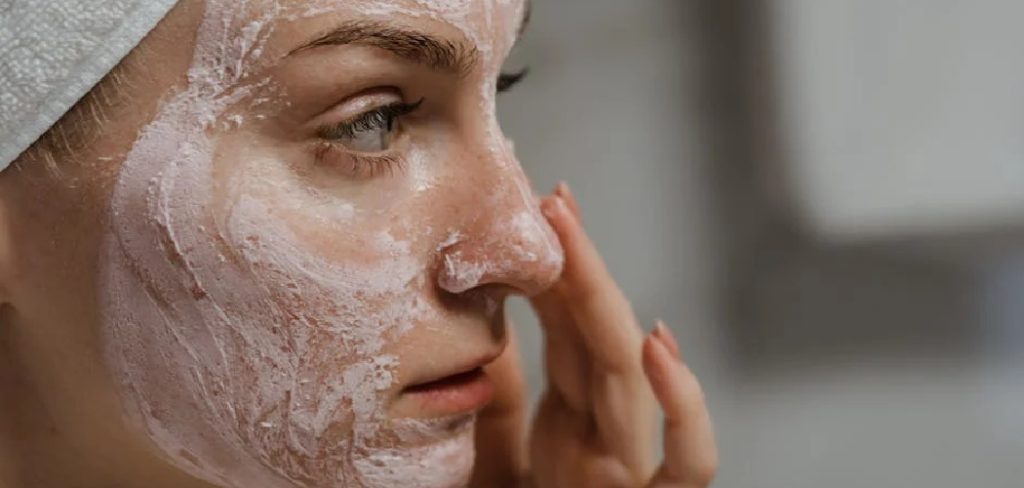
Getting this order wrong can actually compromise the efficacy of your SPF, leaving your skin vulnerable to UV damage despite your best efforts. If you apply products in the wrong sequence, you might prevent them from absorbing properly or inadvertently dilute the protection factor. This guide is designed to clear up the confusion once and for all. We will walk you through the science of layering and provide a comprehensive guide on how to apply sunscreen on face with moisturizer effectively, ensuring your skin stays hydrated and fully protected every single day.
Step-by-Step Guide: How to Apply Sunscreen on Face With Moisturizer
Step 1: Cleanse Your Face Thoroughly
Everything begins with a fresh canvas. Before you layer any products, you must remove the impurities, oil, and sweat that accumulate on your skin overnight or throughout the day. Using a gentle cleanser appropriate for your skin type sets the stage for better absorption of the products that follow. If you have oily skin, a foaming cleanser might be best to cut through excess sebum.
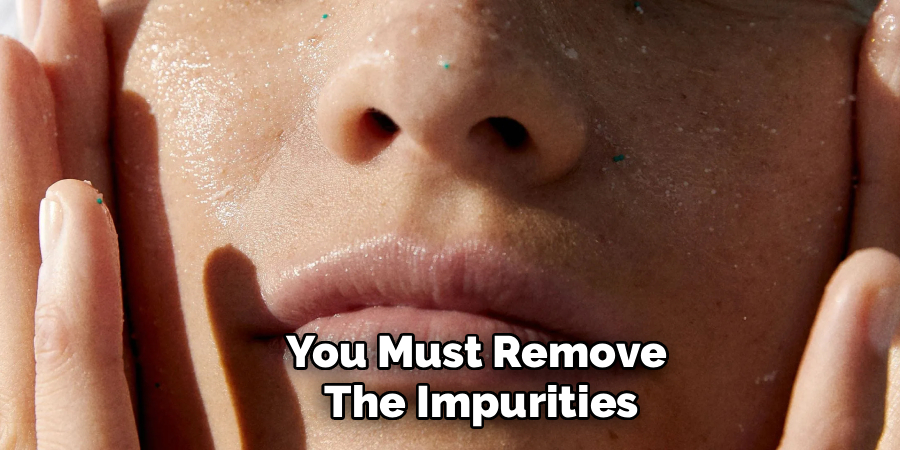
For dry or sensitive skin, a creamy or milky cleanser will remove debris without stripping your moisture barrier. This step is vital because applying moisturizer or sunscreen over dirty skin can trap bacteria and lead to breakouts, while also preventing your expensive skincare products from penetrating effectively. Gently pat your face dry with a clean towel, leaving it slightly damp to help your next steps absorb better.
Step 2: Apply Targeted Serums
If your routine includes treatment products like Vitamin C, hyaluronic acid, or niacinamide, this is the moment to apply them. The general rule of thumb in skincare layering is to go from the thinnest consistency to the thickest. Serums are lightweight and packed with active ingredients that need to penetrate deeply into the skin to work effectively.
By applying them right after cleansing, you give them a clear path to absorption. Vitamin C is particularly excellent to use in the morning before your sun protection because it is an antioxidant that helps fight free radical damage caused by UV rays, essentially boosting the protective qualities of your routine. Allow these serums a moment to sink in fully before moving on to creams, ensuring they don’t pill or roll off the skin later.
Step 3: Layer Your Favorite Moisturizer
Once your serums have absorbed, it is time to hydrate. Even if you have oily skin, a moisturizer is essential to maintain a healthy skin barrier and regulate oil production. Apply your day cream, gel moisturizer, or lotion evenly across your face and neck. This step locks in the hydration from the water and serums you applied earlier. The moisturizer acts as a sealant, keeping your skin plump and smooth.
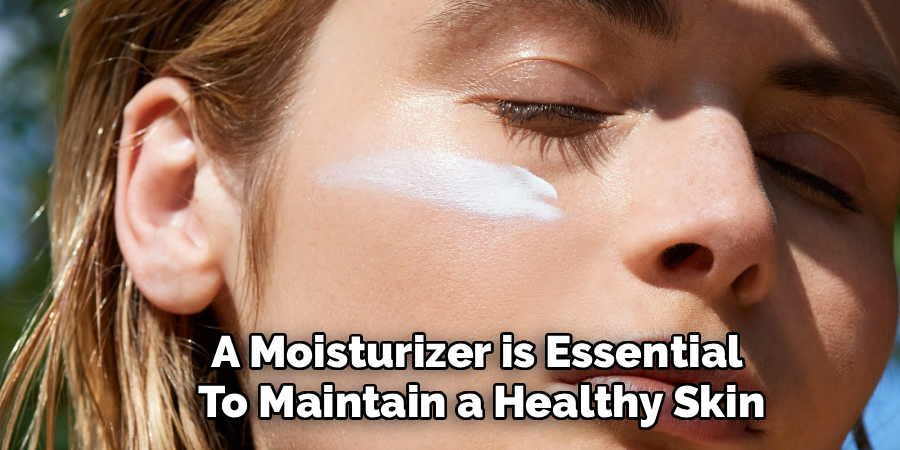
It serves as a buffer between your skin and the environment, preventing water loss. Massage the product in using upward, circular motions to stimulate circulation. Ensure you cover all areas, including the hairline and jawline, but avoid dragging the skin. This hydration layer is crucial because sunscreen can sometimes be drying, especially if it contains zinc oxide or alcohol, so a good moisturizer keeps your skin balanced.
Step 4: Allow Time for Absorption
Patience is a virtue in skincare, and it is the secret weapon for preventing your products from “pilling” (forming little balls that rub off). After applying your moisturizer, you should wait at least one to two minutes before reaching for your SPF. This brief intermission allows the moisturizer to fully sink into the epidermis and dry down. If your face is still wet or slippery with moisturizer when you apply the next layer, the products will mix together on the surface rather than layering.
This mixing can dilute the SPF and prevent it from forming that crucial uniform film we discussed earlier. Use this time to brush your teeth, pour a cup of coffee, or get dressed. A dry-to-the-touch surface ensures that your sun protection will sit perfectly on top of your hydration layer without sliding around.
Step 5: Moisturizer Effectively
This is the most critical step in your morning routine. Now that your moisturizer has settled, take your sunscreen and apply it generously over your entire face. The goal here is to create an even, unbroken shield. Do not just rely on the high points of your face; cover your nose, ears, eyelids, and the area near your hairline. When learning how to apply sunscreen on face with moisturizer, remember that rubbing too vigorously can disrupt the moisturizer layer underneath.

Instead, dot the sunscreen all over your face and then gently spread it out, patting it in if necessary. This technique helps the product settle without disturbing the hydration underneath. Whether you use a chemical or mineral formula, ensure it is the absolute last skincare product you apply. Think of it as the armor that protects all the hard work you just did with your serums and creams.
Step 6: Use the Two-Finger Rule for Quantity
Most people significantly under-apply sunscreen, which means they aren’t getting the SPF protection listed on the bottle. A thin smear isn’t enough to protect you from harsh UV rays. Dermatologists generally recommend using the “two-finger rule” to ensure you are getting adequate coverage. Squeeze two strips of sunscreen along the entire length of your index and middle fingers.
This amount is roughly equivalent to a quarter teaspoon, which is the standard amount needed for the face and neck area. It might look like a lot of product at first, but don’t be shy. Apply it in layers if you need to. Apply the first finger’s worth, let it set for a moment, and then apply the second. Adequate quantity is the only way to ensure you are achieving the SPF 30 or 50 promised on the label.
Step 7: Wait Before Applying Makeup
If you wear makeup, do not rush immediately after your sunscreen application. Just like with the moisturizer, your sunscreen needs time to “set.” This process is called film formation. If you apply foundation or concealer while the sunscreen is still wet, you will streak the product, leaving patches of skin unprotected and potentially causing the formulas to ball up.
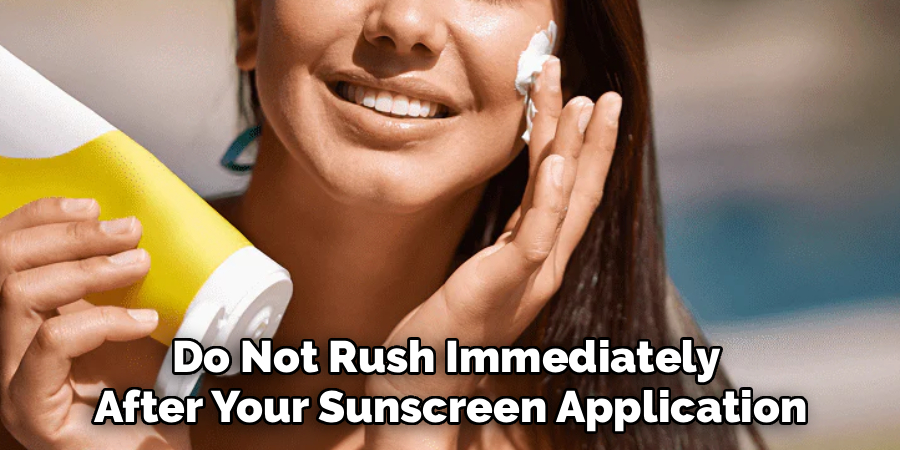
Wait roughly three to five minutes before starting your makeup routine. This waiting period ensures that the sunscreen has bonded to the skin and formed a stable base. This is the final step in mastering how to apply sunscreen on face with moisturizer seamlessly. Once set, you can apply primer, foundation, or powder without compromising your sun protection.
Frequently Asked Questions
FAQ 1: Can I Mix Sunscreen And Moisturizer Together?
You should never mix your sunscreen and moisturizer in your hand before applying them. While it might seem like a time-saver, mixing the two products changes the formulation of the sunscreen. It dilutes the active ingredients, meaning an SPF 50 could drop significantly in effectiveness when cut with a lotion. Furthermore, mixing prevents the sunscreen from forming an even layer on the skin, leaving you with patchy protection. Always apply them as distinct, separate layers to ensure you get the full benefit of both products.
FAQ 2: Should I Use Chemical Or Physical Sunscreen?
The best sunscreen is the one you will wear every day. Physical (mineral) sunscreens use ingredients like zinc oxide to sit on top of the skin and reflect UV rays; they are great for sensitive skin but can leave a white cast. Chemical sunscreens absorb into the top layer of skin and convert UV rays into heat; they typically have no white cast and feel more elegant under makeup. Both are effective when applied correctly. Choose the texture and finish that suits your skin type and lifestyle best.
FAQ 3: Do I Need Sunscreen If My Moisturizer Has Spf?
While a moisturizer with SPF is better than nothing, it is often insufficient on its own. The testing for SPF assumes a generous application (the two-finger rule), but most people apply moisturizer much more sparingly. If you rely solely on a moisturizer with SPF 15 or 30, you likely aren’t applying enough of it to achieve that level of protection. It is generally safer and more effective to use a dedicated sunscreen as a separate step over your regular moisturizer to guarantee full coverage.
FAQ 4: How Often Should I Reapply Over My Makeup?
Sunscreen degrades over time when exposed to sunlight and oil, so reapplication is key. Ideally, you should reapply every two hours if you are outdoors. If you are wearing makeup, this can be tricky. You don’t need to wash your face and start over. Instead, use a powder sunscreen or a specialized SPF setting spray for touch-ups. You can also use a makeup sponge to gently press a lightweight lotion sunscreen over your foundation. While not as perfect as a fresh base layer, it maintains your protection throughout the day.
FAQ 5: What If My Sunscreen Pills When Layered?
Pilling usually happens when products have incompatible bases (mixing oil-based and water-based products) or when you don’t wait long enough between layers. Silicones are also a common culprit for pilling. To fix this, check your ingredient labels to ensure your moisturizer and sunscreen share similar main ingredients (like water). Additionally, exfoliate regularly to remove dead skin cells that can contribute to uneven texture. Most importantly, simply slowing down and letting each layer dry completely is the easiest fix for pilling issues.
Conclusion
Mastering your morning skincare routine is about more than just looking good; it is about long-term health. By understanding the correct order of application, you ensure that every product you own works to its full potential. Remember to cleanse, hydrate, and then protect. Taking those extra few minutes to let your layers absorb will make a massive difference in how your skin looks and feels. Now that you know how to apply sunscreen on face with moisturizer, you can step out into the sun with confidence, knowing you are fully shielded against the elements.

About the Author
Jane Hubbard is a passionate beauty expert with a wealth of experience in makeup, hair, and overall beauty techniques. After years of working as a hairdresser specialist, she followed her entrepreneurial spirit and started her own consultancy business.
Jane has always been driven by her desire to help others feel confident in their own skin, and she does this by sharing her knowledge, experiences, and practical beauty tips. Through her consultancy, she empowers individuals to embrace their unique beauty, offering tailored guidance that boosts both self-esteem and personal style.
Professional Focus
Specializes in makeup, hairstyling, and beauty consulting.
Provides personalized beauty advice, tips, and techniques to help individuals feel confident in their appearance.
Dedicated to staying up-to-date with the latest industry trends and developments.
Passionate about creating a comfortable and empowering experience for every client.
Education History
University of Craft and Design – Bachelor of Fine Arts (BFA) in Woodworking and Furniture Design
Woodworking Apprenticeships – Extensive hands-on training with skilled craftsmen to refine carpentry and furniture making techniques
Online Courses & Masterclasses – Continued education in advanced woodworking techniques, design principles, and specialized tools
Expertise:
Makeup artistry, hairstyling, and beauty consulting.
Personalized beauty techniques to enhance confidence and self-expression.
Educating clients on how to maintain their beauty routines at home.