

Traditional manicures often obscure the creative potential of solvent-based enamels. We tend to view these tiny bottles strictly as cosmetics, rather than recognizing them as highly pigmented, specialized paints. Utilizing this vibrant medium for canvas art might initially seem unconventional.
However, artists are increasingly experimenting with commercial lacquers. The exact process of how to mix nail polish colours opens up entirely new avenues for tactile, high-gloss expression. Creating custom shades requires a specific approach to solvent management and pigment blending.
This guide explores the mechanics of using nail lacquer outside its intended context. We will examine the chemical properties that dictate blending behavior. By the end, you should have a practical framework for mixing custom shades directly on your canvas.
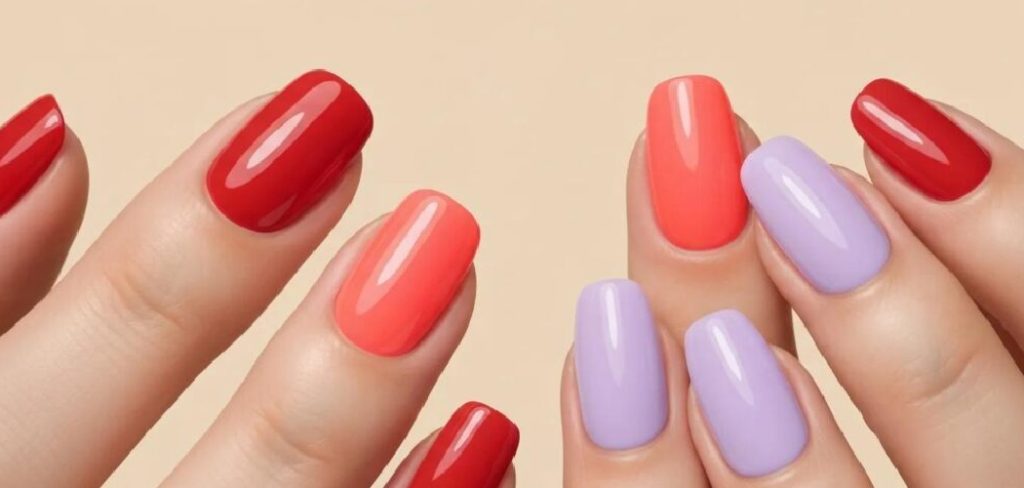
Why Choose Nail Polish for Canvas Art?
Using nail polish as a paint medium presents a fascinating departure from standard studio practices. The unique chemical composition offers benefits that traditional acrylics or oils simply cannot replicate without heavy varnishing. Nail lacquer relies on nitrocellulose suspended in a volatile solvent.
This specific makeup could explain why the medium achieves such a striking finish. Traditional paints often dry flat unless heavily modified with synthetic mediums. Polish, conversely, carries its own built-in gloss and structural body.
The Unique Texture and Gloss
An enamel-like finish provides a distinct aesthetic advantage. It creates a raised, tactile surface on the canvas that interacts with ambient light. This physical dimension appears to mimic ceramic or glass elements.
Artists working with heavy impasto techniques often struggle to maintain high shine. Lacquer solves this organically. The raised strokes hold their shape and reflect light beautifully, adding a sculptural quality to a flat surface.
Durability and Longevity
The lasting power of nail lacquer is relatively impressive. Its solvent-based nature allows it to dry incredibly hard. When properly applied to a stationary canvas, it resists the fading or chipping typically associated with flexible surfaces like fingernails.
Since a canvas does not bend or produce natural oils, the lacquer bond remains surprisingly stable. This might suggest that artworks created with this medium could outlast certain unvarnished acrylic pieces.
Essential Tools and Materials for Mixing
Gathering the right supplies before starting the mixing process prevents structural failures down the line. Nail polish contains harsh chemicals like ethyl acetate and butyl acetate. These solvents actively dissolve many common studio materials.
Selecting equipment that resists chemical degradation is an absolute necessity. You cannot simply use standard plastic palettes. A more calculated approach to your toolkit ensures the medium behaves predictably.
Selecting the Right Canvas Type
Heavy solvents will rapidly eat through thin, untreated fabric. Choosing canvases that can handle aggressive chemical exposure prevents seepage and structural rot. You should seek out primed canvas boards.
Alternatively, stretched canvases treated with a thick, protective gesso layer offer excellent resistance. The gesso creates an impermeable barrier. This stops the liquid from sinking into the weave and dulling the final color.
Recommended Polish Formulas
The cosmetic market offers an overwhelming variety of finishes. Understanding the differences between crèmes, shimmers, and glitters is fundamental. Some formulas mix beautifully, while others immediately curdle.
Crème polishes generally offer the most stable base for blending. Shimmers can be mixed with crèmes, but combining multiple glitters often yields a muddy, separated consistency. It is usually best to stick to similar formulas when attempting complex color matches.
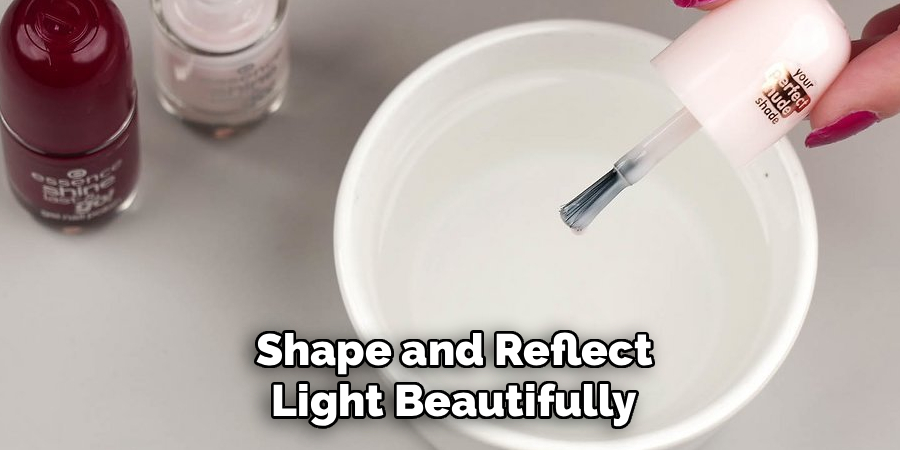
Specialized Mixing Tools
Plastic tools will warp or melt when exposed to harsh lacquer chemicals. Recommend using metal spatulas, stainless steel dotting tools, or thick glass mixing palettes. Glass is entirely non-porous and impervious to solvents.
A small tempered glass slab allows you to blend aggressively without scratching the surface. Cleanup also becomes significantly easier. You can simply scrape dried polish off the glass with a razor blade.
Understanding Color Theory for Nail Lacquers
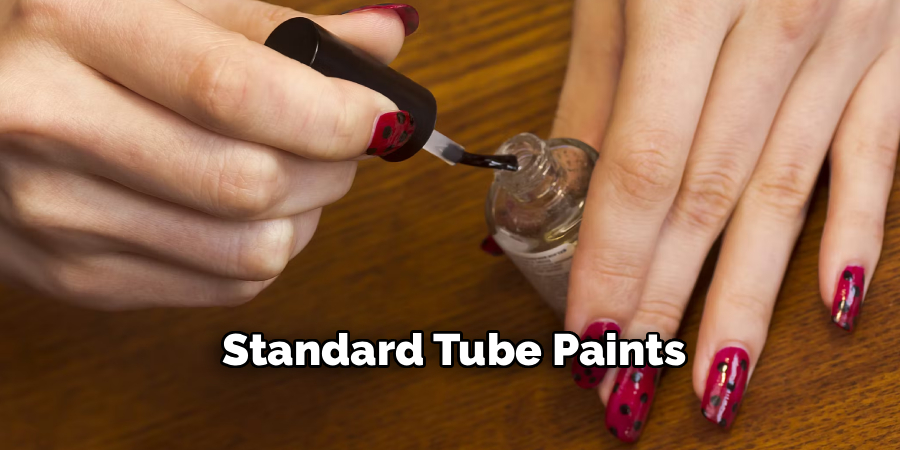
Translating traditional color theory into the specific context of nail polish requires some adjustment. The opacity and chemical makeup of polishes affect how colors blend compared to standard tube paints.
Nail enamels often contain suspension bases that alter light transmission. A red polish mixed with a blue polish might not yield the expected purple. The specific gravity of the pigments can sometimes cause unpredictable shifts.
The Color Wheel Basics
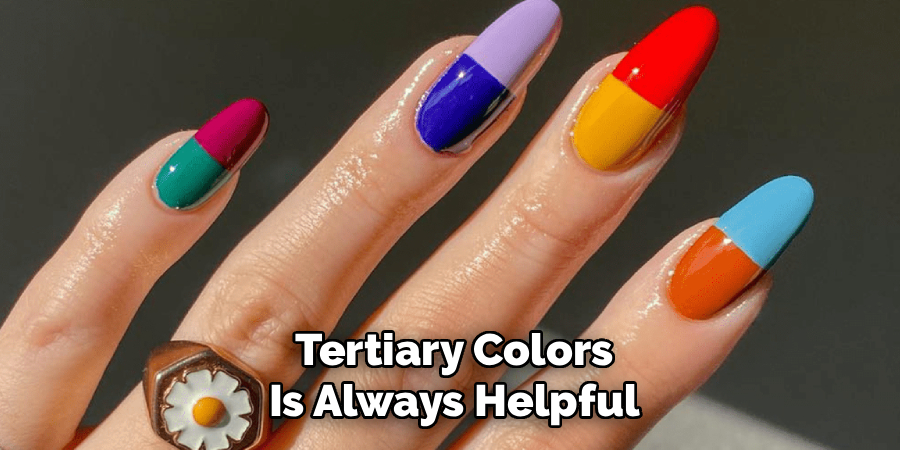
A brief refresher on primary, secondary, and tertiary colors is always helpful. Combining contrasting shades usually neutralizes a color. This creates muted earth tones or grays.
Analogous colors—those sitting next to each other on the color wheel—tend to create rich, deep blends. Mixing a warm red with a vivid orange will yield a brilliant vermilion. The high gloss of the polish amplifies these harmonious combinations.
Achieving Pastels and Neons
Creating trending palettes demands a specific approach to opacity. Starting with a stark white base is generally required to create pastels. You gradually introduce a darker pigment into the white to control the saturation.
Neon effects require an opposite strategy. Mixing a clear suspension polish with intense, highly concentrated pigments can create jelly-like, translucent neon layers. This approach appears to trap light within the medium itself.
Preparing Your Canvas Workspace
The physical setup and safety precautions necessary for this medium cannot be overstated. Working with solvent-based materials introduces specific environmental risks. Prioritizing health and comfort ensures a sustainable studio practice.
Failing to prep the workspace often leads to damaged furniture or severe headaches. Acetate fumes are heavy and linger in stagnant air. You must engineer your environment to handle rapid evaporation rates.
Proper Ventilation and Safety
You should always work in a well-ventilated area. Opening a single window is rarely sufficient. Using a dual-cartridge respirator mask provides a highly effective defense against strong chemical fumes.
Protecting your physical surfaces is equally important. Laying down medical-grade silicone mats protects tables from permanent stains. Solvents will strip the varnish right off a wooden desk in seconds.
Surface Preparation
Prepping the canvas immediately before painting prevents adhesion issues. Wipe down the gessoed surface with a dry microfiber cloth to remove ambient dust. Airborne particles will ruin a high-gloss finish.
Secure the canvas completely flat on your workspace. Liquid polish possesses a surprisingly low viscosity before it begins to set. If the canvas sits at an angle, the medium will run prematurely and ruin your composition.
Step-by-Step Guide: How to mix nail polish colours on Canvas
Transitioning from theory to execution requires strict timing. This primary instructional section details the exact process of manipulating the medium directly. We will focus on how to mix nail polish colours effectively before the solvent evaporates.
The window for active blending is incredibly short. You must work with calculated speed. Hesitation usually results in stringy, unworkable clumps of enamel.
Step 1: Prep the Mixing Surface
Set up a glass palette right next to your canvas. Alternatively, designate a specific area on the canvas itself for direct mixing. A completely non-porous surface is crucial here.
If the surface absorbs the liquid, the solvent flashes off too quickly. This prevents the colors from fully integrating. Glass gives you the maximum possible working time.
Step 2: Select and Dispense Base Colors
Gently roll the polish bottles between your hands to agitate the formula. Shaking them violently introduces microscopic air bubbles that will eventually rupture on your canvas.
Drip small, manageable puddles of the chosen base colors onto the mixing surface. Keep these puddles very close to one another. Distance only wastes time when you begin the physical blending process.
Step 3: Blend with a Mixing Tool
Drag a metal spatula or a large dotting tool directly through the puddles. Fold the colors into one another rapidly. You are aiming for a uniform new shade.
If you prefer a swirled marble effect, restrict your mixing to two or three figure-eight motions. Over-mixing eliminates the marbling and results in a flat, singular color. Stop manipulating the fluid the second it starts feeling tacky.
Step 4: Apply the Custom Shade Quickly
Speed dictates the success of this entire operation. Nail polish is chemically designed to dry rapidly upon exposure to air. You cannot linger over your decisions.
Transfer the mixed color onto the intended canvas area immediately. Use a synthetic, solvent-resistant brush or the metal mixing tool itself. Lay the color down with deliberate strokes and avoid going over the same area twice.
Step 5: Seal and Cure the Artwork
The final drying process requires patience. Leave the canvas flat in a dust-free, well-ventilated room to cure completely. The surface might feel dry in minutes, but the underlying layers take hours to harden.
Applying a clear topcoat specifically designed for lacquer can seal the mixed colors. This final layer unifies the surface tension. It dramatically enhances the overall gloss and protects the artwork from oxidation.
Troubleshooting Common Mixing Issues
Artists frequently encounter specific chemical hurdles when working with this unconventional medium. Solvents behave radically differently depending on room temperature and humidity. Identifying these issues early allows you to salvage the paint.
Most problems stem from evaporation. When the butyl acetate leaves the mixture, the nitrocellulose seizes up. Practical, easy-to-implement solutions can usually reverse this process if caught quickly.
Preventing Quick Drying and Tacking
A mixture that becomes too thick or stringy during blending is frustrating. You might assume the polish is ruined. However, you can often revive it using chemical restoration.
Add a few drops of commercial nail polish thinner to the mixture. Never use pure acetone for this. Acetone breaks down the polymers completely, whereas thinner simply replaces the evaporated solvents.
Fixing Clumpy and Separated Textures
Sometimes two different brands of polish refuse to blend smoothly. The chemical bases might be inherently incompatible. This results in a clumpy, separated mess on your palette.
You can attempt to smooth out the texture by adding a clear suspension base. If that fails, consider leaning into the texture. Using the clumpy mixture for a heavy, impasto effect often yields fascinating, organic results.
Advanced Techniques for Canvas Art
Mastering the basics inevitably leads to a desire for greater complexity. You can push your creative boundaries by exploiting the specific fluid dynamics of enamel. Specialized techniques highlight properties that standard paints simply lack.
These methods require practice and a deep understanding of viscosity. They often involve manipulating the surface tension of water. The results, however, are usually worth the steep learning curve.
Creating Marbling Effects
The water-marble technique adapts surprisingly well for canvas art. Fill a wide, shallow basin with room-temperature water. Drop liquid polish directly onto the surface, allowing it to spread into concentric rings.
Drag a pin through the rings to create intricate, psychedelic patterns. Carefully dip the primed canvas directly into the water to transfer the film. The design adheres instantly to the gesso, creating a flawless, continuous pattern.
Layering Translucent Polishes
Building optical depth requires an understanding of light refraction. Let one mixed layer dry completely before proceeding. It must be rock-hard to the touch.
Glaze over the dried section with a sheer, jelly polish or a highly diluted shimmer shade. This creates a multi-dimensional, stained-glass look. The underlying colors shift and shift depending on the viewing angle.
Conclusion
Working with commercial enamels represents an exciting frontier for mixed-media artists. The medium is highly accessible, yet it demands rigorous attention to timing and chemical compatibility. Balancing these factors often leads to highly rewarding, luminous creations.
Understanding exactly how to mix nail polish colours requires patience and a willingness to embrace minor failures. Safety protocols, rapid application, and smart color combinations form the foundation of this practice. Do not be afraid to experiment with differing viscosities.
Grab your old, discarded bottles and start testing them on a fresh, gessoed surface. The high-gloss results might surprise you. Sharing your custom-colored canvas creations often inspires others to look at everyday cosmetics through an entirely new, artistic lens.
You may read also- How to Get Nail Polish Off of Pants

About the Author
Jane Hubbard is a passionate beauty expert with a wealth of experience in makeup, hair, and overall beauty techniques. After years of working as a hairdresser specialist, she followed her entrepreneurial spirit and started her own consultancy business.
Jane has always been driven by her desire to help others feel confident in their own skin, and she does this by sharing her knowledge, experiences, and practical beauty tips. Through her consultancy, she empowers individuals to embrace their unique beauty, offering tailored guidance that boosts both self-esteem and personal style.
Professional Focus
Specializes in makeup, hairstyling, and beauty consulting.
Provides personalized beauty advice, tips, and techniques to help individuals feel confident in their appearance.
Dedicated to staying up-to-date with the latest industry trends and developments.
Passionate about creating a comfortable and empowering experience for every client.
Education History
University of Craft and Design – Bachelor of Fine Arts (BFA) in Woodworking and Furniture Design
Woodworking Apprenticeships – Extensive hands-on training with skilled craftsmen to refine carpentry and furniture making techniques
Online Courses & Masterclasses – Continued education in advanced woodworking techniques, design principles, and specialized tools
Expertise:
Makeup artistry, hairstyling, and beauty consulting.
Personalized beauty techniques to enhance confidence and self-expression.
Educating clients on how to maintain their beauty routines at home.