

Lash extensions can be a fantastic way to enhance your eyes, giving you a full, voluminous look without the daily hassle of mascara. They boost confidence and simplify your morning routine. However, the glamour can sometimes be overshadowed by an uncomfortable side effect: itchy eyes.
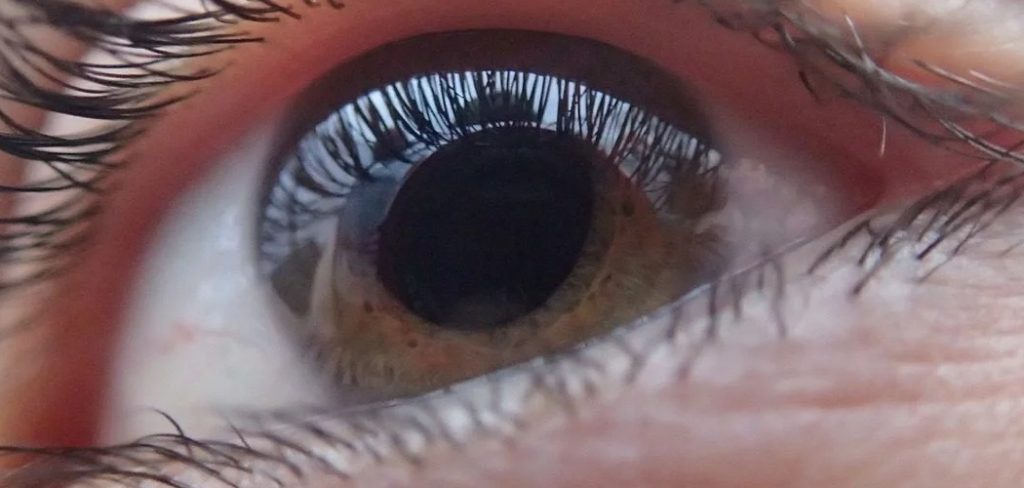
This irritation can range from a mild annoyance to a significant problem, leaving you wondering if the beauty is worth the bother. Understanding the cause of the itchiness and knowing how to safely manage it is crucial for your comfort and eye health. This guide on how to relieve itchy eyes from lash extensions will walk you through everything you need to know to soothe your eyes and get back to enjoying your beautiful lashes.
Materials You’ll Need
- Lash-safe cleanser or gentle, oil-free baby shampoo
- Distilled water
- Soft, lint-free cloth or lash cleansing brush
- Small bowl or container
- Clean mascara wand (spoolie)
- Saline solution or sterile eye wash
- Cold compress (e.g., a gel pack, a clean cloth soaked in cold water)
- Antihistamine eye drops (optional, for allergic reactions)
- Cotton swabs
7 Simple Step-By-Step Guidelines on How to Relieve Itchy Eyes From Lash Extensions
Step 1: Gently Cleanse Your Lashes and Eyelids
The most common cause of itchiness is a buildup of debris, oils, pollen, and dead skin cells along the lash line. Proper hygiene is your first line of defense. Neglecting to clean your extensions can lead to conditions like blepharitis, an inflammation of the eyelids that causes redness, itching, and crusting. A thorough yet gentle cleanse can immediately remove these irritants and provide instant relief. It is essential to use a product specifically formulated for lash extensions to avoid weakening the adhesive bond.
To begin, mix a small amount of your lash-safe cleanser with distilled water in a small bowl. Using a soft lash brush or a lint-free cloth, create a light foam. With your eyes closed, gently work the cleanser into the base of your lashes and along the eyelid margin using small, circular motions. Be careful not to pull or tug on the extensions. This process not only cleans away irritants but also helps maintain the health of your natural lashes underneath, preventing blockages in your hair follicles.
Step 2: Rinse Thoroughly with Saline Solution or Distilled Water
After cleansing, it’s critical to rinse away all traces of the cleanser and the loosened debris. Any soap residue left behind can become an irritant itself, perpetuating the cycle of itchiness. Rinsing effectively neutralizes the area and prepares it for the next step of soothing. Using a sterile solution like saline or distilled water is preferable to tap water, as tap water can contain minerals and microorganisms that may cause further irritation to an already sensitive eye area.
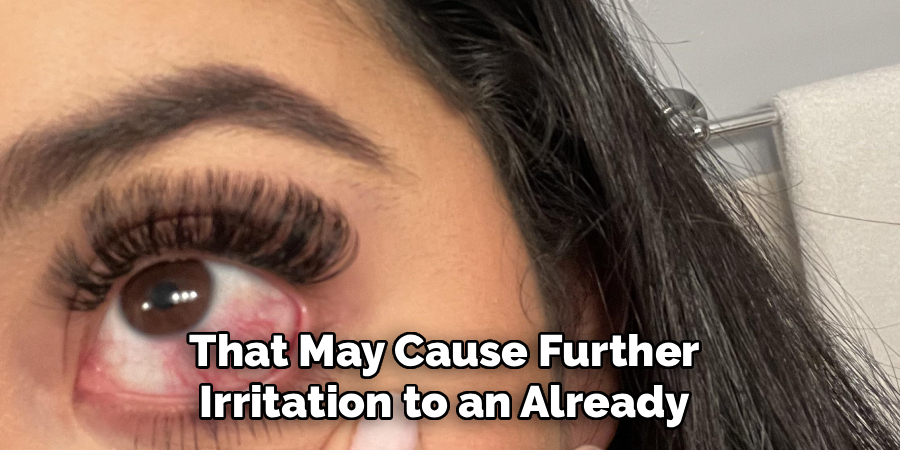
To rinse, you can use a small squeeze bottle filled with your chosen rinsing solution to gently flush the lash line while tilting your head to the side. Alternatively, you can cup your hands and gently splash the water onto your closed eyes. Continue rinsing until you are confident that all the cleanser has been washed away. Avoid rubbing your eyes with a towel to dry them. Instead, gently pat the surrounding area dry with a soft, lint-free cloth, and allow your lashes to air-dry or use a small fan on a cool setting.
Step 3: Apply a Soothing Cold Compress
Once your eyes are clean and dry, a cold compress can work wonders to reduce inflammation and numb the itching sensation. The cold temperature helps to constrict the blood vessels around your eyes, which can significantly decrease redness and swelling. This step provides immediate, comforting relief from persistent irritation and can help calm the skin along your eyelids. It’s a simple, non-invasive method to manage discomfort, especially if the itching is accompanied by puffiness.
Soak a clean, soft cloth in cold water, or use a gel eye mask that has been chilled in the refrigerator. Lie down, close your eyes, and place the compress gently over your eyelids. Be sure not to apply too much pressure, as this could damage the lash extensions. Leave the compress on for 5 to 10 minutes. You can repeat this process several times a day as needed for relief. This step is particularly helpful for calming irritation caused by seasonal allergies that have been trapped in your lashes.
Step 4: Inspect Your Lash Line for Issues
With your eyes feeling calmer, it’s a good time to perform a careful inspection. Sometimes, itchiness is caused by a specific mechanical issue rather than a general irritation. This could be a stray lash that has twisted and is poking your eyelid, or an extension that has partially detached and is rubbing against your skin. Identifying and addressing these individual culprits can resolve the problem entirely. Use a magnifying mirror in a well-lit room for the best view.
Gently use your clean spoolie to brush through your lashes, separating them and checking their alignment. Look closely at the base of the lashes where they are bonded. Do you see any extensions that are pointing in the wrong direction or seem loose? Are any lashes stuck together? Also, check for any unusual redness or bumps on your eyelid that might indicate a specific point of irritation or a blocked gland. If you find a lash that is clearly causing the problem, do not pull it out yourself.
Step 5: Address Any Misaligned or Loose Extensions
If your inspection reveals a rogue lash, it needs to be managed carefully. A common issue is when a natural lash, with the extension attached, sheds but gets caught in the surrounding lashes instead of falling away cleanly. This can cause it to hang or twist, poking the delicate skin of your eyelid or waterline and creating a constant source of irritation. Another possibility is a poorly applied extension that is too close to the skin or is attached to multiple natural lashes, causing pulling and itching.
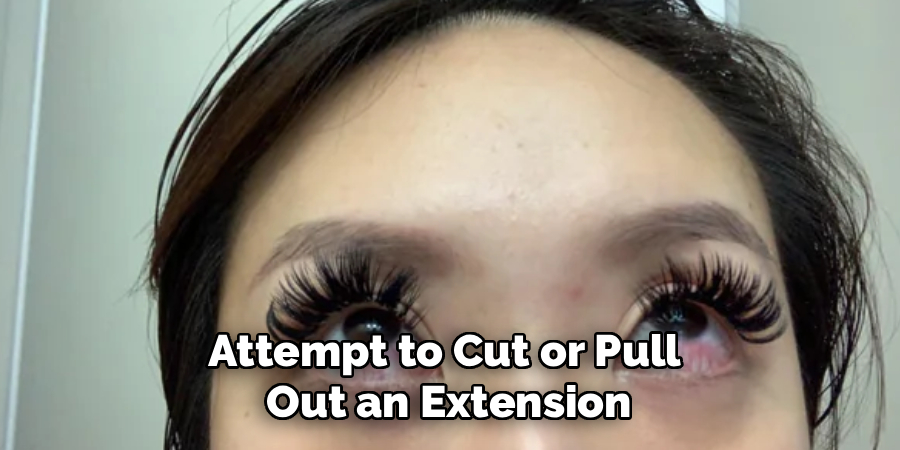
If you can identify a single loose extension that is dangling, you might be able to gently guide it out with tweezers, but this is risky. The safest option is to contact your lash technician. They have the proper tools and expertise to either correct the placement of the lash or safely remove it without damaging your natural lashes or the surrounding extensions. Never attempt to cut or pull out an extension yourself, as this can lead to bald spots in your lash line and potential damage to your natural lash follicles.
Step 6: Use Antihistamine Eye Drops if an Allergy Is Suspected
If the itching is intense and accompanied by redness, watering, and swelling, you may be experiencing an allergic reaction. The most common allergen is cyanoacrylate, the main ingredient in most lash adhesives. While reputable technicians use medical-grade adhesives to minimize this risk, sensitivities can still develop, even after you’ve had extensions applied multiple times without a problem. An allergic reaction requires a different approach than simple irritation from debris.
For mild allergic reactions, over-the-counter antihistamine eye drops can provide significant relief. These drops work by blocking the body’s histamine response, which is responsible for the itching and swelling. Be sure to choose drops that are preservative-free, as preservatives can sometimes cause additional irritation. Apply the drops as directed, being careful not to touch the dropper tip to your eye or lashes. If the symptoms are severe or do not improve, it is crucial to contact your lash technician and a medical professional immediately.
Step 7: Contact Your Lash Technician for a Professional Assessment
When self-care measures do not resolve the itching, it is time to consult an expert. Your lash technician is a valuable resource who can provide a professional assessment of your lashes and eyelids. They can identify problems that may not be visible to the untrained eye, such as an incorrect application, extensions that are too heavy for your natural lashes, or the early signs of an infection. Open communication with your technician is key to a successful and comfortable lash extension experience.
Schedule an appointment and explain your symptoms in detail. Your technician can perform a thorough check, safely remove any irritating extensions, and provide a professional-grade cleaning. They may also be able to determine if you are having a reaction to the adhesive and suggest switching to a sensitive-formula glue for your next fill. If they suspect a more serious issue, such as a significant allergic reaction or infection, they will advise you to seek medical attention and can perform a full removal if necessary.
Following these steps on how to relieve itchy eyes from lash extensions can help alleviate any discomfort and prevent further complications. However, it is also important to take proper care of your lash extensions to avoid any potential irritations in the future.
Common Mistakes to Avoid
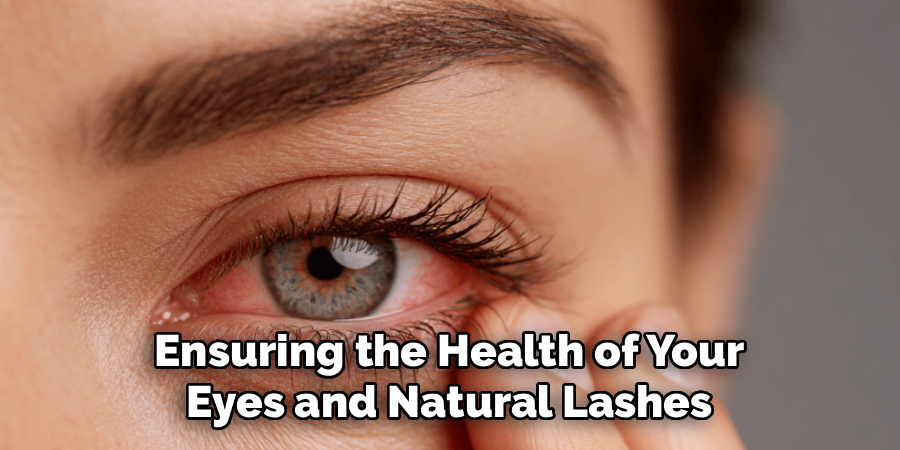
When it comes to managing and maintaining lash extensions, avoiding common mistakes is crucial to prevent irritation and extend their lifespan. One frequent error is rubbing or pulling at your lash extensions, which can not only cause discomfort but also damage your natural lashes. Another mistake is skipping regular cleaning; failing to clean your lashes can lead to a buildup of dirt, oil, and bacteria, increasing the risk of eye infections.
Additionally, using oil-based products near your eyes can weaken the adhesive bond of the extensions, causing them to fall out prematurely. Sleeping face-down is another habit to avoid, as friction can lead to lash breakage. Lastly, failing to attend regular touch-ups can result in uneven or sparse lashes. By steering clear of these mistakes, you can keep your lashes looking their best while ensuring the health of your eyes and natural lashes.
Frequently Asked Questions
Q1: Can Itching Be a Sign of an Allergic Reaction to the Lash Glue?
A1: Yes, persistent and intense itching, especially when it appears within the first 48 hours after application and is paired with swelling, redness, and watery eyes, is a classic sign of an allergic reaction to the cyanoacrylate in the lash adhesive. A sensitivity can develop at any time, even if you have had extensions before without any issues. If you suspect an allergy, contact your technician and a doctor. Your technician may need to perform a full removal, and a doctor can prescribe medication to manage the reaction.
Q2: How Can I Prevent My Lash Extensions From Becoming Itchy in the Future?
A2: Prevention starts with choosing a reputable, licensed, and experienced lash technician who practices proper hygiene. After your appointment, commit to a strict daily cleansing routine using a lash-safe cleanser to prevent buildup. Brush your lashes daily with a clean spoolie to keep them separated and aligned. If you have seasonal allergies, be extra diligent with cleaning during high-pollen seasons and consider using antihistamine eye drops preventatively after consulting a doctor. Finally, ensure you are not using any oil-based makeup or skincare products near your eyes.
Conclusion
Lash extensions should be a source of confidence, not discomfort. While itchy eyes can be a frustrating side effect, it is often a manageable one. By practicing diligent aftercare, including gentle cleansing and regular brushing, you can prevent the buildup of irritants that commonly cause itching. When discomfort does arise, following a calm and methodical approach of cleansing, rinsing, and applying a cold compress can provide immediate relief.
Remember to inspect your lashes for mechanical issues and never hesitate to contact your lash technician for a professional evaluation. If symptoms point toward an allergic reaction, seeking prompt professional advice is crucial for your eye health. By understanding the causes and solutions for itchy eyes, you can ensure your lash extension experience remains a beautiful and comfortable one. Thanks for reading this guide on how to relieve itchy eyes from lash extensions.

About the Author
Jane Hubbard is a passionate beauty expert with a wealth of experience in makeup, hair, and overall beauty techniques. After years of working as a hairdresser specialist, she followed her entrepreneurial spirit and started her own consultancy business.
Jane has always been driven by her desire to help others feel confident in their own skin, and she does this by sharing her knowledge, experiences, and practical beauty tips. Through her consultancy, she empowers individuals to embrace their unique beauty, offering tailored guidance that boosts both self-esteem and personal style.
Professional Focus
Specializes in makeup, hairstyling, and beauty consulting.
Provides personalized beauty advice, tips, and techniques to help individuals feel confident in their appearance.
Dedicated to staying up-to-date with the latest industry trends and developments.
Passionate about creating a comfortable and empowering experience for every client.
Education History
University of Craft and Design – Bachelor of Fine Arts (BFA) in Woodworking and Furniture Design
Woodworking Apprenticeships – Extensive hands-on training with skilled craftsmen to refine carpentry and furniture making techniques
Online Courses & Masterclasses – Continued education in advanced woodworking techniques, design principles, and specialized tools
Expertise:
Makeup artistry, hairstyling, and beauty consulting.
Personalized beauty techniques to enhance confidence and self-expression.
Educating clients on how to maintain their beauty routines at home.