

Fungal skin infections are rarely dangerous, but they can be maddening. They itch, they linger, and just when you think they are fading, they sometimes seem to creep back. Ketoconazole cream is one of the medications doctors often use for these problems. Used properly, it may help calm redness, reduce itching, and clear the infection over time.
That last part matters: over time. People often expect a cream to work overnight, then get frustrated and stop too soon or start applying far more than they need. Neither tends to help. In most cases, careful use, a clean routine, and a bit of patience make more difference than piling on extra product. In this guide on how to use ketoconazole cream, we will discuss how to use the cream for maximum effect.

What does Ketoconazole Cream treat?
Ketoconazole cream is commonly prescribed for several fungal skin conditions. These include athlete’s foot (tinea pedis), which usually shows up between the toes or along the soles; jock itch (tinea cruris), which affects the groin and upper thighs; and ringworm (tinea corporis), a misleading name for a fungal rash that often appears as a red, scaly circle on the skin.
It may also be used for seborrheic dermatitis, especially when yeast on the skin appears to play a role. That condition tends to cause flaky or greasy-looking patches on areas such as the scalp, sides of the nose, ears, or chest. Another common use is pityriasis versicolor, sometimes called tinea versicolor, which can leave lighter or darker patches on the skin. Not every rash is fungal, though, and that distinction is important. Eczema, psoriasis, bacterial infections, and irritation from products can look surprisingly similar, so the diagnosis should come first.
How does Ketoconazole Cream Work?
Ketoconazole belongs to the azole group of antifungal drugs. In simple terms, it interferes with the fungus’s ability to maintain its cell membrane. More specifically, it disrupts the production of ergosterol, a substance fungi need to keep their membrane intact.
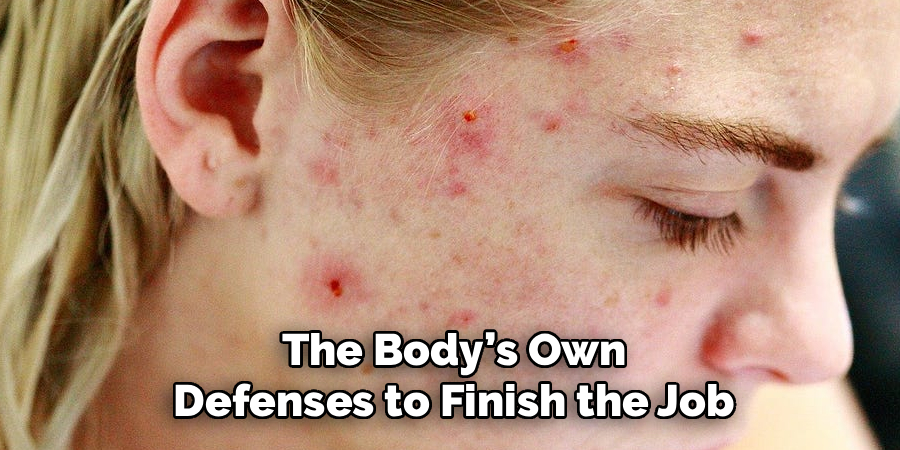
When there is not enough ergosterol, the fungal cell membrane becomes unstable. It starts to function poorly, and the organism may no longer grow or survive as it should. That does not mean the cream performs some dramatic instant wipeout. More often, it slows the fungus down enough for the skin to recover and for the body’s own defenses to finish the job.
7 Step-by-step Guidelines on How to Use Ketoconazole Cream
Step 1: Clean the Area First
Before the cream goes on, the skin should be clean. Wash the affected area with mild soap and lukewarm water. You are not trying to scrub the rash into submission. Gentle cleansing is enough to remove sweat, surface oil, and anything else that might sit between the medicine and the skin.
After washing, dry the area completely. Pat it with a clean towel rather than rubbing. That small difference matters more than people think, especially if the skin is already inflamed or cracked. If the rash sits in a fold of skin, under the breast, between the toes, or in the groin, it can help to wait another minute or two and let the area air dry. Fungi tend to like damp places. Giving them less moisture to work with is a practical step, not just a nice extra.
Step 2: Wash Your Hands Before You Apply It
This step sounds obvious until people skip it. Wash your hands with soap and water before handling the cream. Make sure you clean around the fingertips and under the nails if possible, since those areas easily pick up dirt and organisms throughout the day.
Plain soap is generally enough here; “antibacterial” is not usually the point. What matters is starting with clean hands, so you do not transfer other irritants or germs to already compromised skin. Dry your hands well afterward. If your fingers are wet, the cream can smear more than spread, and the application becomes less precise.
Step 3: Use a Small Amount
More cream does not mean faster healing. Usually, a small amount, often about pea-sized, for a limited area, is enough. If the rash covers a larger patch of skin, you may need a bit more, but the aim is still a thin film, not a thick coating.
This is one of the most common mistakes people make. They see a stubborn rash, assume the body needs more medication, and apply a heavy layer. In reality, excess cream often just sits on the surface, feels sticky, and sometimes irritates the skin. Follow the amount your clinician or pharmacist advised, especially if the product was prescribed for a specific site or duration.
Step 4: Apply a Thin Layer Gently
Spread the cream over the affected skin in a light, even layer. Cover the visible rash and a small margin of skin around it. That extra border can matter because fungal spread is not always neatly confined to what the eye can see.
There is no need to rub aggressively. Just smooth it in until it is mostly absorbed. If the skin is raw, cracked, or very inflamed, gentle application becomes even more important. People sometimes treat irritated skin as if force will make the medication sink in better. Usually, it only makes the area angrier.
Step 5: Wash Your Hands Again Afterward
Once the cream is on, wash your hands again unless your hands themselves are the area being treated. This second wash helps prevent accidental spread to other parts of the body, especially the eyes, face, or another patch of irritated skin.
It is a small habit, but a useful one. Fungal infections are easy to move around without realizing it. You scratch one area, touch another, and now you are dealing with a second problem. Better to cut that off early.

Step 6: Let the Cream Absorb Before Covering the Area
Give the medication a few minutes to settle before putting on clothing, socks, or bandages. If the fabric immediately rubs over the area, some of the cream may end up on the cloth instead of the skin.
Five to ten minutes is often reasonable, though it does not need to become a ritual. Just let the area dry enough that it no longer feels wet. If you are treating athlete’s foot, this is especially important before socks and shoes go on. Otherwise, you create a warm, enclosed space right after applying medication to a condition that often thrives in exactly that environment.
Step 7: Stay Consistent
Consistency does more work here than intensity. Ketoconazole cream is often used once or twice a day, depending on the condition and the instructions you were given. Try to apply it at roughly the same times each day so it becomes routine rather than something you remember only when the itching flares up.
And yes, finish the course you were told to use. Symptoms often improve before the infection is fully gone. That can be deceptive. A rash that looks “basically better” may still be active enough to return if treatment stops early. Relapse is not always a sign that the medicine failed; sometimes it simply was not used long enough.
Following these steps on how to use ketoconazole cream for a yeast infection can help alleviate symptoms and rid the body of the infection.
Common Mistakes to Avoid
Irregular use is probably the biggest one. People apply the cream for a few days, feel less itchy, then stop. A week later, the rash is back. That pattern is extremely common.
Another issue is covering the area with tight, non-breathable clothing or dressings unless a clinician has told you to do so. Heat and moisture can make fungal conditions worse. Sharing cream with someone else is also unwise, even if their rash looks similar. Skin conditions overlap in appearance, and the wrong treatment can muddy the picture. Then there is hand hygiene, which is easy to dismiss and surprisingly easy to neglect. Before and after application both matter.
Tips That May Help It Work Better
Loose, breathable clothing can make a real difference, especially for infections in the groin, under skin folds, or on the feet. Cotton is often more comfortable than synthetic fabrics that hold heat close to the skin. If you sweat heavily, changing socks or underwear during the day may help keep the area drier.
For athlete’s foot, clean footwear matters too. Some people use antifungal powder in their shoes, which may reduce the chance of reinfection. Fresh towels are worth mentioning as well. Reusing a damp towel day after day is not ideal when you are trying to clear a fungal rash. None of these measures replaces the cream, but they support it. Think of them as giving the medication a fairer fight.
Possible Side Effects
Ketoconazole cream is generally well tolerated, though “well tolerated” never means side-effect-free for everyone. Some people notice mild burning, stinging, or itching right after application. Others develop dryness, slight peeling, or temporary redness.
Usually, those reactions settle as treatment continues. Still, there is a difference between mild irritation and a reaction that seems to be getting worse. If the area becomes very swollen, blistered, sharply painful, or develops a spreading rash, stop using the cream and seek medical advice. Skin can be unpredictable, and occasionally what seems like a routine reaction turns out to be intolerance or allergy.
Precautions and Warnings
Before using ketoconazole cream, it is sensible to mention any known drug allergies to your healthcare provider, especially if you have reacted to other azole antifungals. Your broader medical history may matter too, particularly if you have an immune condition or skin issues that complicate diagnosis.
Keep the cream away from the eyes, inside the nose, and the mouth. If it gets into one of those areas by accident, rinse thoroughly with water. Pregnancy and breastfeeding deserve a separate conversation with a clinician, not because the cream is automatically unsafe, but because medication decisions in those settings should be individualized rather than assumed.
When to See a Doctor?
If you have been using the cream consistently for two to four weeks and the rash is not improving, it is time to check back in. Sometimes the issue is that the infection is more persistent than expected. Sometimes the original diagnosis may have been off. A rash can look fungal and not be fungal at all.
Seek medical attention sooner if the area starts oozing pus, becomes unusually hot, develops red streaks, or feels much more painful. Those signs may point to bacterial infection rather than a simple fungal rash. Immediate help is also warranted if you develop facial swelling, trouble breathing, severe dizziness, or other symptoms that could suggest a serious allergic reaction.
Frequently Asked Questions
Q1: Can I Use Ketoconazole Cream on My Face?
A1: Sometimes, yes, especially for conditions such as seborrheic dermatitis when a clinician has recommended it. Facial skin is more sensitive than skin on many other parts of the body, so use only a thin layer and keep it well away from the eyes. If the area becomes very irritated, it is worth checking in with your doctor rather than pushing through.
Q2: How Long Does Ketoconazole Cream Take to Work?
A2: Many people notice less itching or redness within a few days. Full clearing usually takes longer, often somewhere between two and six weeks, depending on the diagnosis, the severity, and how steadily the cream is used. Improvement can begin early; complete resolution may not.
Q3: What If I Miss a Dose?
A3: Apply it when you remember, unless it is nearly time for the next dose. In that case, skip the missed one and continue with the usual schedule. Do not double up. More cream in a single application is unlikely to compensate for a missed dose and may irritate the skin instead.
Maintaining Healthy, Fungus-Free Skin
Clearing a fungal infection usually comes down to consistency, cleanliness, and not quitting too early. Ketoconazole cream can be very useful, but it works best when it is part of a routine that also keeps the skin dry, limits friction, and reduces the chance of reinfection.
That may sound almost boring. It is. Still, boring routines often work better than heroic one-off efforts. If the rash is not improving, or if something about it seems unusual, get it checked. The right cream helps. The right diagnosis matters just as much. Thanks for reading this guide on how to use ketoconazole cream.

About the Author
Jane Hubbard is a passionate beauty expert with a wealth of experience in makeup, hair, and overall beauty techniques. After years of working as a hairdresser specialist, she followed her entrepreneurial spirit and started her own consultancy business.
Jane has always been driven by her desire to help others feel confident in their own skin, and she does this by sharing her knowledge, experiences, and practical beauty tips. Through her consultancy, she empowers individuals to embrace their unique beauty, offering tailored guidance that boosts both self-esteem and personal style.
Professional Focus
Specializes in makeup, hairstyling, and beauty consulting.
Provides personalized beauty advice, tips, and techniques to help individuals feel confident in their appearance.
Dedicated to staying up-to-date with the latest industry trends and developments.
Passionate about creating a comfortable and empowering experience for every client.
Education History
University of Craft and Design – Bachelor of Fine Arts (BFA) in Woodworking and Furniture Design
Woodworking Apprenticeships – Extensive hands-on training with skilled craftsmen to refine carpentry and furniture making techniques
Online Courses & Masterclasses – Continued education in advanced woodworking techniques, design principles, and specialized tools
Expertise:
Makeup artistry, hairstyling, and beauty consulting.
Personalized beauty techniques to enhance confidence and self-expression.
Educating clients on how to maintain their beauty routines at home.