

Hair removal creams have a certain appeal, and it is easy to see why. They are quick, usually painless, and can spare you the small but familiar annoyances that come with shaving: razor burn, missed patches, and the occasional nick near the ankle when you are in a hurry. For many people, that alone is enough. These creams work by removing hair at or just below the skin’s surface, so the results often last a bit longer than a standard shave, though not nearly as long as waxing.
That said, “easy” does not always mean foolproof. Depilatory creams are still chemical products, and your skin may be more reactive than you expect on any given day. A good result often depends less on luck than on careful use. This guide on how to use hair removal cream walks through what these creams actually do, who may benefit from them, where people tend to go wrong, and how to use them with as little irritation as possible.
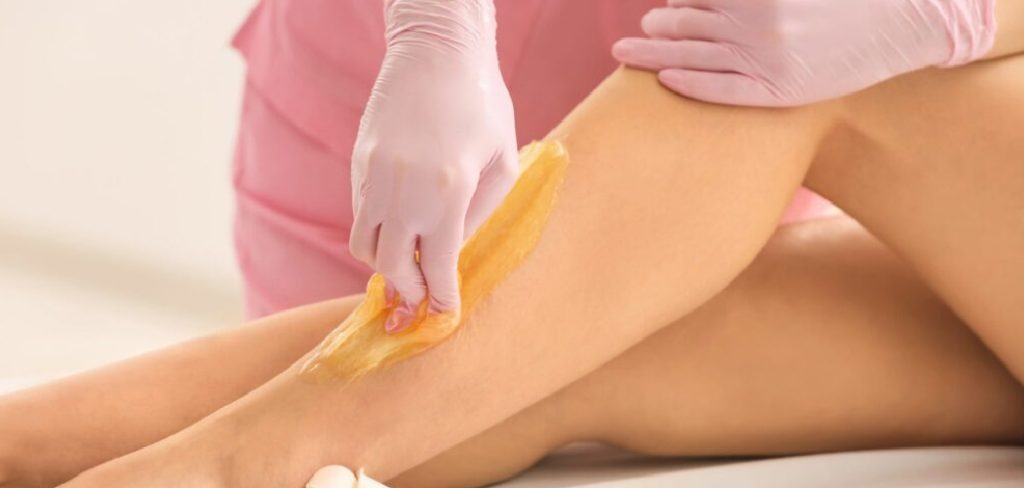
How Hair Removal Cream Works?
Hair removal creams, often sold as depilatories, use alkaline chemicals to break down keratin, the structural protein that gives hair its strength. Once the cream sits on the skin for the recommended time, those chemicals weaken the hair enough that it softens and can be wiped away. The process sounds slightly harsh because, frankly, it is a controlled chemical reaction. Still, when used correctly, it tends to be effective.
This is also why the results often outlast shaving by a little. A razor cuts hair at the surface. A depilatory cream usually dissolves it just below that point, so regrowth may take longer to show. In practice, most formulas need somewhere between three and ten minutes, depending on the product and the thickness of the hair. Faster is not always better here. If a cream works in record time but leaves your skin angry and stinging, that speed is not much of a victory.
Who Should Use It—and Who Probably Shouldn’t?
These creams may suit people who want a low-fuss alternative to shaving or waxing, especially if pain tolerance is an issue. If waxing feels too aggressive and razors leave you with bumps or ingrown hairs, a depilatory might be worth trying. They can be especially convenient on the legs, arms, and, with the right formula, the bikini line.
Still, they are not universal products, despite how broadly they are marketed. Skin that is very sensitive, inflamed, broken, or affected by conditions such as eczema or psoriasis may not react well. The same caution applies if you already know you are sensitive to ingredients commonly found in these creams, including calcium thioglycolate. Pregnancy is another area where it makes sense to pause and ask a clinician, not because every product is automatically unsafe, but because skin sensitivity can shift. And some areas remain off-limits, full stop: around the eyes, inside the nose, and anywhere mucosal tissue is involved.
Types of Hair Removal Creams
Not all hair removal creams are interchangeable, even though the packaging can make them look that way. Body formulas are usually intended for areas like the legs or arms, where skin is a bit less delicate and hair may be coarser. Those products often contain stronger active concentrations, which helps with effectiveness but also raises the stakes if you use them carelessly.
Sensitive-skin versions are typically made for more delicate zones, such as the face or bikini area. You will often see ingredients like aloe vera, chamomile, or vitamin E on the label. Those additions may help reduce irritation, though they do not magically cancel out the active chemicals doing the real work. Some formulas are also designed for use in the shower. These can be convenient, especially for people who want to fold the process into a normal routine, but convenience sometimes encourages people to leave the cream on too long. That is where problems start.
7 Simple Step-by-step Guidelines on How to Use Hair Removal Cream
Step 1: Choose the Right Cream
Start with the label. Seriously. One of the most common mistakes is assuming a hair removal cream is a hair removal cream, and that is not really how these products work. A formula meant for legs should not be used on the upper lip, and a cream designed for the body may be far too strong for the face or bikini line.
It also helps to be honest about your skin. If you tend to react badly to fragranced lotions, exfoliating acids, or even some sunscreens, you may want a cream marketed for sensitive skin. Those formulas can take a little longer to work, and sometimes they are slightly less dramatic in their results, but that trade-off may be worthwhile if it means avoiding redness or burning.
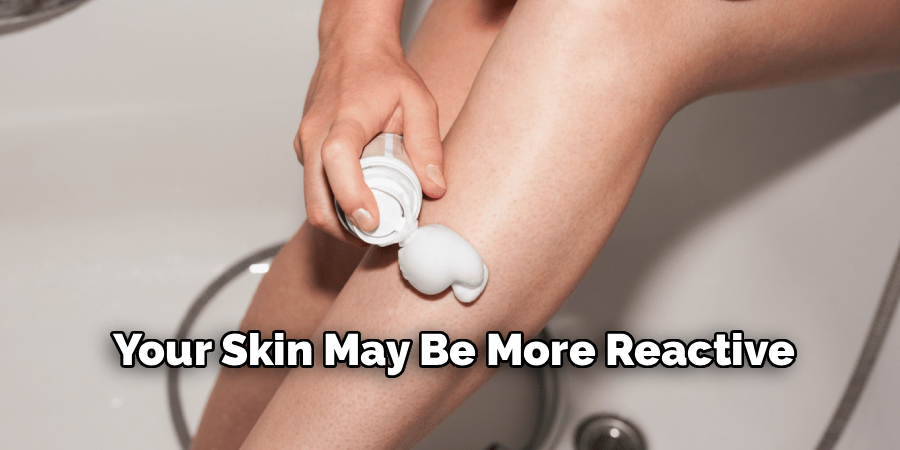
Step 2: Perform a Patch Test
This part is tedious. It is also the part people skip, then regret. Even if you have used a depilatory before, a patch test still matters. Skin changes. Hormones change. Weather changes. Medications can alter how reactive your skin becomes, sometimes more than you would expect.
Apply a small amount to the area you plan to treat, leave it on for the instructed time, then remove it and rinse well. After that, wait at least twenty-four hours. If you notice itching, redness, burning, swelling, or anything that feels off, do not continue. No hair removal method is worth a chemical burn. If the area stays calm, that does not guarantee perfection, but it does suggest the product is at least tolerable for your skin.
Step 3: Prepare Your Skin
Preparation tends to be overlooked because it sounds boring. Yet it can make a noticeable difference. Clean skin gives the product a better chance of working evenly. A warm shower or even a warm, damp cloth can help soften the hair before application, which may improve how effectively the cream breaks it down.
Just make sure the skin is dry before the cream goes on. Lotions, oils, deodorants, and similar products can create a barrier and interfere with the formula. Some people also benefit from gentle exfoliation a day or two beforehand, especially if they are prone to ingrown hairs. Not right before, though. Freshly exfoliated skin plus depilatory cream can be an unpleasant combination.
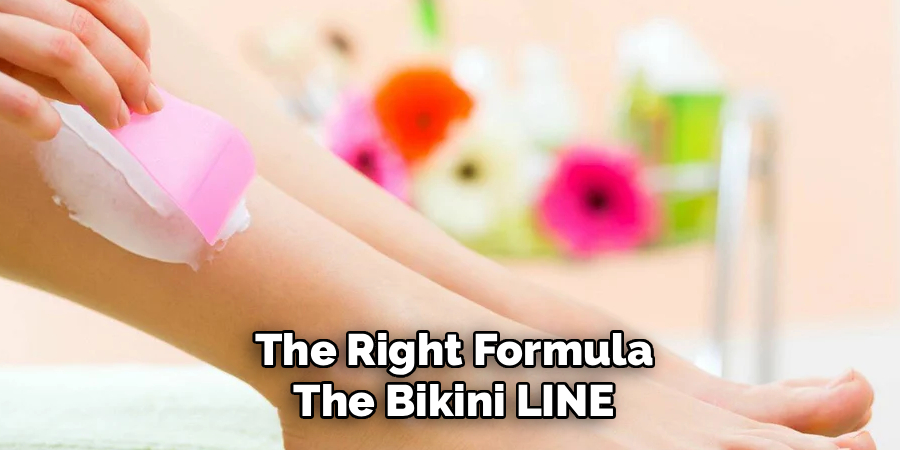
Step 4: Apply the Cream Evenly
Once you are ready, spread the cream in a thick, even layer over the hair. The keyword here is over. You are coating the hair, not massaging skincare into your face before bed. Rubbing it in too deeply does not make it work better. If anything, it may increase the chance of irritation.
Try to cover the area consistently so you do not end up with random strips of hair left behind. If the product came with a spatula, use it. If you apply it with your hands, wash them thoroughly afterward. That advice sounds obvious, but leaving depilatory cream on your fingers for longer than necessary is a good way to irritate the skin around your nails.
Step 5: Set a Timer
If there is one rule worth taking almost absurdly seriously, it is timing. Do not estimate. Do not assume you will “just know” when it is time. Check the packaging for both the minimum and maximum time, then set an actual timer on your phone or nearby clock.
Most irritation problems happen because someone leaves the product on too long, thinking a few extra minutes will deliver smoother skin. Sometimes it does not. Sometimes it just leaves a red, burning patch that lingers for days. If the hair does not come away within the allowed time, remove the cream anyway. That usually means the formula is not a good match for that area or hair type, not that your skin should endure longer exposure.
Step 6: Remove the Cream Gently
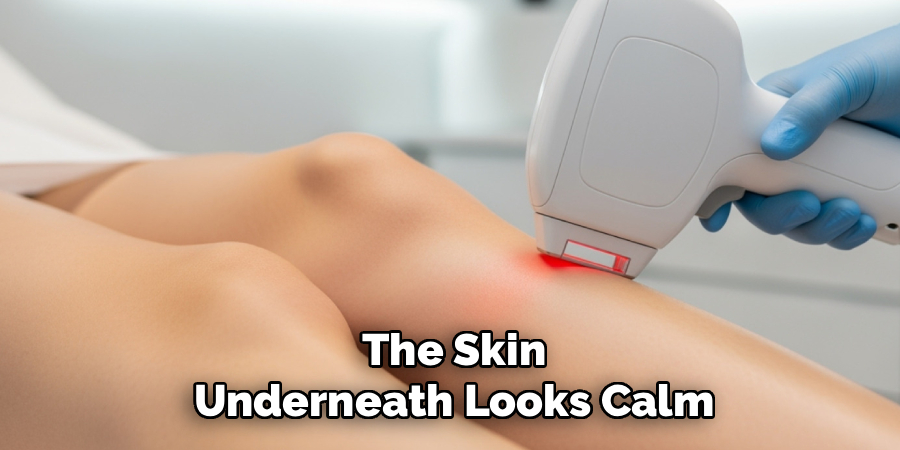
When the timer goes off, test a small section first. Use a damp washcloth or the provided spatula to wipe away a patch of cream. If the hair slips off easily and the skin underneath looks calm, continue with the rest.
Do not scrub. That is worth repeating. Depilatory creams already put your skin through a chemical process; adding friction on top of that can make things worse fast. Skip rough cloths, loofahs, or any impulse to “work harder” at the stubborn spots. Gentle pressure is usually enough. If some hair remains, forcing it off is rarely the answer.

Step 7: Rinse and Moisturize
After the cream is removed, rinse the area thoroughly with lukewarm water. Not hot. Hot water can feel soothing in the moment, but on freshly treated skin, it may increase irritation. It is also a good idea to avoid strongly fragranced soaps right afterward. Residue from the cream should be washed away completely, since leftover product may keep irritating the skin even after the visible step is over.
When you dry off, pat instead of rubbing. Then apply a plain moisturizer or aloe vera gel—something gentle, ideally fragrance-free. The goal is simple: help the skin recover. Hair removal is often marketed as cosmetic maintenance, but in practical terms, you have just exposed your skin to a fairly potent formula. A little care afterward is not extra. It is part of the process.
Following these steps on how to use hair removal cream properly can help minimize potential side effects and ensure a smoother, more effective hair removal experience.
Aftercare Tips
The first twenty-four hours matter more than people think. Skin can remain slightly reactive even if everything looked fine initially. Try to avoid hot baths, saunas, prolonged sun exposure, and swimming pools during that window. Chlorine and saltwater, in particular, can sting more than expected on recently treated skin.
For the next couple of days, keep the routine plain. Fragranced body sprays, retinoids, exfoliating acids, and strong active ingredients are best avoided on the treated area. Loose cotton clothing may also help, especially if you use the cream on places that experience friction, such as the bikini line or inner thighs.
Common Mistakes to Avoid
Skipping the patch test is probably the biggest one. Close behind it is applying the cream to skin that is already irritated, freshly shaved, sunburned, or broken. That combination can go badly in a hurry.
Another mistake is assuming more time equals better results. It often does not. People also tend to rub the product in too much, as though effort can substitute for chemistry. It cannot. And then there is the issue of using the wrong formula on the wrong body part, which is less a minor mistake than a direct route to needless irritation.
When to Stop and Seek Help?
A mild tingling sensation can happen with some creams. Sharp burning, intense stinging, or actual pain is different. If that starts while the product is still on your skin, remove it immediately and rinse with cool water. Waiting for the timer to finish is not a badge of discipline. It is usually a bad idea.
If you later develop blisters, open sores, significant swelling, or a rash that does not settle down after washing the area, it is wise to contact a healthcare professional. Mild irritation may improve with simple aftercare, and in some cases, over-the-counter hydrocortisone can help, but anything that looks like a real chemical burn deserves proper evaluation.
Tips for Best Results
Read the instructions for the specific product every single time, even if you think you know the routine. Brands vary, and so do processing times. If the hair is especially long, trimming it beforehand may help the cream reach the base more evenly. Keep the application thick enough to cover the hair completely, but do not pile it on excessively in the hope of getting “extra” smoothness.
Give your skin time between sessions. A seventy-two-hour gap before treating the same area again is a sensible minimum for many people. More time may be better if your skin tends to react easily. There is a temptation, after a patchy first attempt, to go back in immediately. Resist it.
Frequently Asked Questions
Q1: Can I Use Hair Removal Cream on My Face?
Only if the product is clearly labeled for facial use. Body creams are generally too strong for the thinner, more reactive skin around the upper lip, chin, or jawline. Even facial formulas deserve caution, which is why a patch test on a small area is still necessary before broader application.
Q2: How Long Do the Results From Hair Removal Cream Last?
Usually longer than shaving, but not dramatically longer. In many cases, results last anywhere from about three days to a week. Because the hair is dissolved slightly below the skin’s surface, regrowth may feel a bit slower at first. It is still not root removal, though, so the effect is temporary.
Q3: Is It Normal for Hair Removal Cream to Smell Bad?
Yes. Unfortunately, that odd sulfur-like smell is part of the chemistry. It comes from the active ingredients reacting with keratin in the hair. Some brands try to disguise it with fragrance, with mixed success. In most cases, you will still notice that unmistakable “chemical” scent.
Maintaining Your Smooth Skin Routine
Used carefully, depilatory creams can make hair removal simpler. They may save time, reduce razor-related irritation, and fit neatly into a routine that would otherwise involve frequent shaving. But they are not miracle products, and the marketing around them sometimes glosses over that. What makes them work also makes them something to respect.
The best approach is a steady one: choose the right formula, patch test every time you switch products, follow the clock rather than your instincts, and pay attention to how your skin responds. That may sound cautious. It is. Still, caution is often what. Thanks for reading this guide on how to use hair removal cream/

About the Author
Jane Hubbard is a passionate beauty expert with a wealth of experience in makeup, hair, and overall beauty techniques. After years of working as a hairdresser specialist, she followed her entrepreneurial spirit and started her own consultancy business.
Jane has always been driven by her desire to help others feel confident in their own skin, and she does this by sharing her knowledge, experiences, and practical beauty tips. Through her consultancy, she empowers individuals to embrace their unique beauty, offering tailored guidance that boosts both self-esteem and personal style.
Professional Focus
Specializes in makeup, hairstyling, and beauty consulting.
Provides personalized beauty advice, tips, and techniques to help individuals feel confident in their appearance.
Dedicated to staying up-to-date with the latest industry trends and developments.
Passionate about creating a comfortable and empowering experience for every client.
Education History
University of Craft and Design – Bachelor of Fine Arts (BFA) in Woodworking and Furniture Design
Woodworking Apprenticeships – Extensive hands-on training with skilled craftsmen to refine carpentry and furniture making techniques
Online Courses & Masterclasses – Continued education in advanced woodworking techniques, design principles, and specialized tools
Expertise:
Makeup artistry, hairstyling, and beauty consulting.
Personalized beauty techniques to enhance confidence and self-expression.
Educating clients on how to maintain their beauty routines at home.