

Dealing with stubborn blackheads often feels like a perpetual battle. Congested pores might suggest an underlying imbalance in sebum production or cellular turnover. Many individuals eventually turn toward simple pantry ingredients after commercial treatments fail to deliver noticeable results.
Combining a physical exfoliant with a heavy occlusive moisturizer could offer an effective extraction method. This unexpected pairing utilizes basic chemistry to loosen trapped debris. You will soon understand exactly how to use vaseline and baking soda for face clearing safely.
Clear skin frequently depends on how well you manage friction and moisture during exfoliation. We will examine the specific interactions between these two household staples. Exploring this DIY treatment requires a cautious, analytical approach to protect your epidermal barrier.

Understanding the Benefits of Blackheads and Pores
The structural anatomy of a blackhead involves oxidized oil and dead skin cells trapped within a hair follicle. Dislodging this hardened mass usually requires mechanical intervention. Combining an abrasive powder with an emollient base alters the physical dynamics of extraction.
This specific combination appears to target facial impurities by attacking the blockage from two different angles. You must understand how each component behaves independently to appreciate its combined efficacy.
The Exfoliating Power of Sodium Bicarbonate
Sodium bicarbonate possesses a fine, crystalline structure that functions as a micro-abrasive. This gritty texture physically buffs away the superficial layer of dead skin cells. Removing this cellular debris eliminates the cap holding the oxidized oil inside the pore.
Furthermore, baking soda carries mild alkaline properties. This alkalinity could help dissolve hardened sebum upon contact. Softening the lipid structure makes the physical extraction significantly less traumatic for the surrounding tissue.
How Petroleum Jelly Softens Sebum
Vaseline acts primarily as an occlusive emollient within this mixture. It coats the skin in a dense protective layer that traps heat and moisture. This thermal retention actively softens the oxidized oil sitting inside the blackhead.
Petroleum jelly also provides a crucial lubricating barrier. It prevents the sharp edges of the baking soda crystals from tearing the healthy skin cells nearby. The extraction process becomes notably easier when the sebum is softened and the epidermis is shielded.
Skin Safety: Is It Right for Your Skin Type?
Applying alkaline household products to the face carries inherent risks. You must evaluate your specific epidermal tolerance before attempting any aggressive DIY remedies. What works for an oily complexion might severely damage a compromised barrier.
Skin safety should always dictate your cosmetic experimentation. Proceeding blindly often results in protracted inflammation.
Identifying Sensitive Skin Reactions
Observing your baseline tolerance is an absolute requirement. Individuals with active acne breakouts or rosacea should strictly avoid this method. The physical friction could rupture active pustules and spread bacteria across the face.
If you possess a history of severe contact dermatitis, this treatment is likely unsuitable. You might want to patch test the paste on your jawline before committing to a full application. A localized burning sensation indicates that you must wash the mixture off immediately.
Why pH Balance Matters for Your Face
The human acid mantle naturally hovers around a slightly acidic pH of 5.5. Baking soda registers as highly alkaline on the pH scale. Introducing a strong base to an acidic environment temporarily disrupts the skin’s natural defense mechanisms.
This chemical shock may suggest why some users experience post-treatment dryness. You must utilize this alkaline scrub sparingly. Limiting exposure helps the epidermis recover its acidic baseline without sustaining permanent barrier damage.
The Science of DIY Exfoliating
Navigating at-home exfoliation requires distinguishing between different mechanistic approaches. Store-bought chemical liquids dissolve bonds invisibly. Manual scrubs rely entirely on kinetic energy.
You must manage your expectations regarding what this mixture can physically achieve.
Physical Versus Chemical Exfoliation
Chemical exfoliation utilizes acids to silently sever the intercellular glue holding dead skin together. Physical exfoliation, conversely, relies on manual friction to scrape the cells away. The Vaseline and baking soda method falls squarely into the physical category.
You are actively generating the kinetic force needed to unearth the blackhead. This manual approach provides immediate tactile smoothness. It does not, however, penetrate deep into the pore lining like a chemical beta-hydroxy acid would.
Achieving the Perfect Paste Consistency
The safety of this treatment relies heavily on the physical texture of the compound. A dry, crumbly mixture will almost certainly cause microscopic lacerations across your cheeks. You need adequate lubrication to suspend the abrasive particles.
Blending the ingredients until they form a thick, cohesive paste is critical. This creamy consistency ensures the abrasive crystals glide over the tissue. It prevents the sharp corners of the powder from dragging harshly against the delicate epidermis.
Step-by-Step Guide: How to Use Vaseline and Baking Soda for Face
Execution determines the clinical outcome of this DIY endeavor. You must follow these precise directions to extract the impurities safely. Attempting to rush the sequence usually leads to unnecessary bruising.
We will break down the physical application into manageable, sequential actions.
Step 1: Cleansing Your Canvas
Start by washing your face with your standard, mild cleanser. You must remove all surface dirt and synthetic cosmetics. Applying a physical scrub to a dirty face forces bacteria deeper into the open pores.
Pat the skin dry with a clean towel. A bare, sanitized canvas ensures the treatment targets the actual blackheads rather than yesterday’s foundation.
Step 2: Preparing a Warm Compress
Heat acts as a catalyst for sebum extraction. Soak a clean washcloth in comfortably hot water. Wring out the excess liquid so the cloth is damp rather than dripping.
Press this warm compress firmly against your nose and chin for three minutes. The thermal energy forces the pores to dilate and softens the hardened keratin plugs residing within them.
Step 3: Mixing the Vaseline and Baking Soda
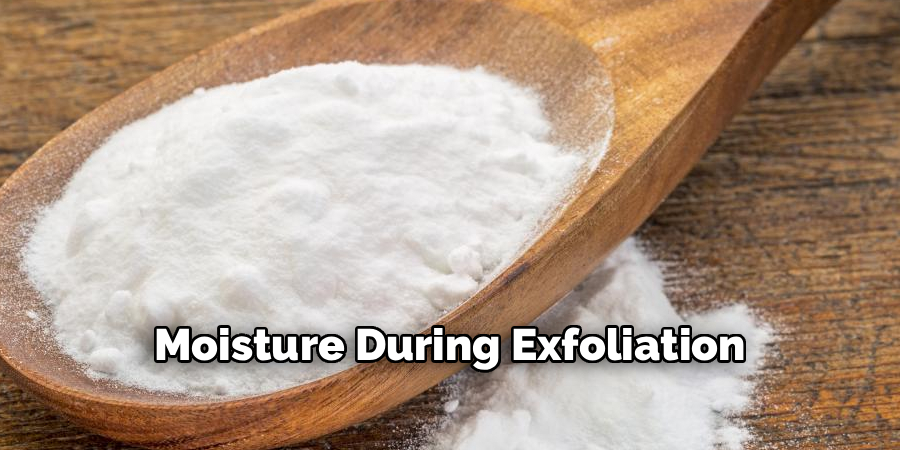
Take a small, clean dish to prepare your compound. Scoop a pea-sized amount of petroleum jelly into the center. Add a tiny pinch of dry baking soda over the jelly.
Blend the two components together using a clean finger. Keep stirring until the powder is entirely suspended, resulting in a uniform, opaque cream.
Step 4: Applying the Mixture to Targeted Areas
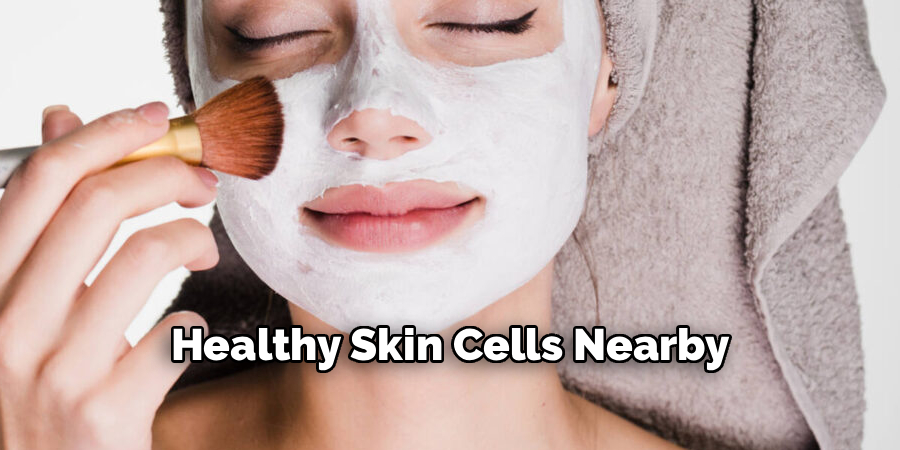
You must restrict this treatment strictly to congested zones. Use a small spatula or your ring finger to apply the paste to your nose. You might also dab it onto a congested chin.
Avoid spreading the mixture across your entire face. Keep the alkaline paste far away from the incredibly thin tissue surrounding your eyes.
Step 5: Massaging the Skin Gently
The physical extraction phase requires a feather-light touch. Use your ring finger to massage the paste in tiny circles. The motion should feel barely perceptible.
Continue this light buffing action for no more than thirty seconds. Applying heavy downward pressure will only yield broken capillaries and severe redness.
Step 6: Removing the Paste Safely
Take a fresh washcloth dampened with warm water. Gently wipe the greasy paste away from your skin. You may need to use a couple of passes to cut through the heavy petroleum barrier.
Once the paste is gone, splash your face with cool water. This drop in temperature helps constrict the newly cleared pores and calms residual inflammation.
Post-Treatment Skincare Routine
Your skin will feel remarkably exposed following a physical scrub. The acid mantle has been temporarily compromised by the alkaline powder. You must actively intervene to restore epidermal equilibrium.
Aftercare dictates how quickly the tissue recovers from the abrasive trauma.
Soothing and Restoring the Skin Barrier
Immediately apply a hydrating, calming toner to the treated areas. Look for formulas containing aloe vera or centella asiatica. These botanical compounds could help neutralize the alkaline shock.
Restoring hydration rapidly signals the skin to halt any inflammatory responses. It bridges the gap while the acid mantle slowly repairs itself.
Locking in Moisture Without Clogging Pores
The freshly cleared pores are now empty and highly vulnerable. You must apply a protective layer of hydration. Select a lightweight, non-comedogenic moisturizer for this task.
Avoid using heavy facial oils immediately after extraction. Smothering the open pores with dense oils could instantly trigger a brand new cycle of congestion.
Common Mistakes to Avoid
DIY treatments frequently fail due to user error rather than poor ingredients. Understanding what not to do is equally important. You must restrain the urge to over-manipulate your skin.
Minor miscalculations often produce severe dermatological consequences.
Scrubbing Too Aggressively
Many people mistakenly believe that harder pressure equals deeper cleaning. Pushing the grit forcefully into your nose will cause microscopic tearing. This trauma leads to scabbing and potential hyperpigmentation.
The abrasive texture of the powder does the heavy lifting. Your finger is merely guiding the mixture across the surface.
Leaving the Mixture on Too Long
This paste is an active physical scrub. It is not designed to function as a stationary face mask. Letting the alkaline baking soda sit on your skin for several minutes invites chemical burns.
The prolonged exposure to a high pH will dissolve healthy cellular lipids. You must remove the compound immediately after the brief massage concludes.
Frequency of Application
Consistent exfoliation prevents congestion, but over-exfoliation destroys the skin. You must establish a safe timeline for this specific remedy. The frequency depends entirely on your inherent oil production.
Less is usually more when dealing with alkaline abrasives.
Guidelines for Oily and Combination Skin
Individuals with robust sebum production might tolerate this treatment slightly better. You could potentially perform this spot treatment once every two weeks. Monitor your skin’s reaction closely after each session.
If you notice increased oiliness the following day, your skin is overcompensating for dehydration. You must immediately extend the time between treatments.
Modifications for Dry and Normal Skin Types
Drier complexions lack the protective lipids necessary to buffer abrasive trauma. If your skin leans dry, you should strictly limit this remedy to a monthly spot treatment. Only deploy it when a specific cluster of blackheads becomes highly visible.
Using it more frequently will likely result in chronic dry patches. Listen to your epidermal feedback and adjust accordingly.

Conclusion
Tackling congested pores at home requires an understanding of basic chemical interactions. The combination of an occlusive emollient and an alkaline abrasive provides a highly targeted approach to mechanical extraction. You now know exactly how to use vaseline and baking soda for face clearing without inducing severe trauma.
The success of this DIY remedy relies heavily on a gentle touch and meticulous aftercare. Evaluate your specific skin type before gathering your ingredients. Try applying a warm compress and a lightly mixed paste to your most stubborn blackheads tonight.

About the Author
Jane Hubbard is a passionate beauty expert with a wealth of experience in makeup, hair, and overall beauty techniques. After years of working as a hairdresser specialist, she followed her entrepreneurial spirit and started her own consultancy business.
Jane has always been driven by her desire to help others feel confident in their own skin, and she does this by sharing her knowledge, experiences, and practical beauty tips. Through her consultancy, she empowers individuals to embrace their unique beauty, offering tailored guidance that boosts both self-esteem and personal style.
Professional Focus
Specializes in makeup, hairstyling, and beauty consulting.
Provides personalized beauty advice, tips, and techniques to help individuals feel confident in their appearance.
Dedicated to staying up-to-date with the latest industry trends and developments.
Passionate about creating a comfortable and empowering experience for every client.
Education History
University of Craft and Design – Bachelor of Fine Arts (BFA) in Woodworking and Furniture Design
Woodworking Apprenticeships – Extensive hands-on training with skilled craftsmen to refine carpentry and furniture making techniques
Online Courses & Masterclasses – Continued education in advanced woodworking techniques, design principles, and specialized tools
Expertise:
Makeup artistry, hairstyling, and beauty consulting.
Personalized beauty techniques to enhance confidence and self-expression.
Educating clients on how to maintain their beauty routines at home.