

Chrome nails have dominated beauty trends recently, offering a mesmerizing, mirror-like finish that catches every light.
Getting that flawless metallic shine at the salon feels amazing, but eventually, the manicure grows out and loses its luster. Removing that tough gel and chrome powder combination at home can feel intimidating. Many people make the mistake of picking or peeling their polish, which leads to severe damage.
This complete guide on how to remove chrome powder from nails provides everything required to safely remove your chrome manicure at home. You will learn the exact supplies needed, a comprehensive ten-step removal process, and the crucial mistakes you must avoid keeping your natural nails strong.
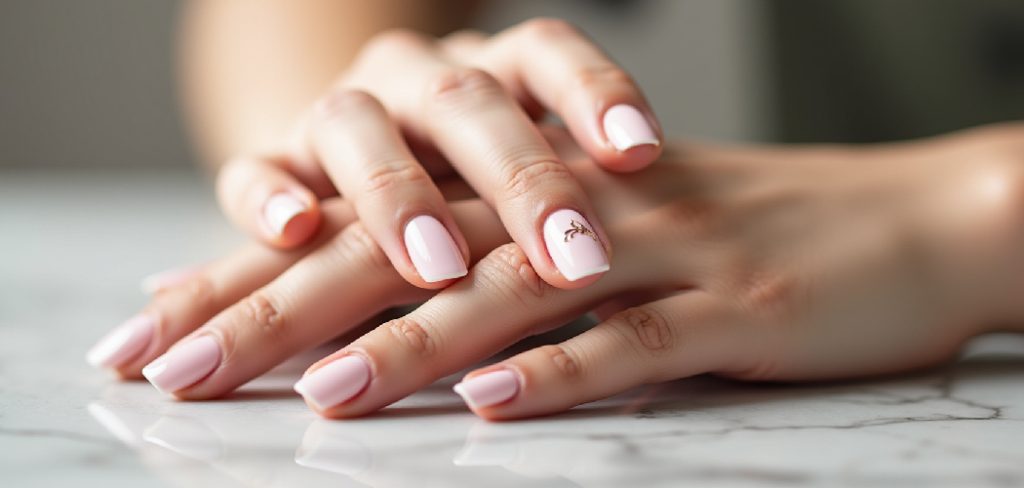
What Will You Need?
Gathering the right tools before you begin makes the entire process smooth and stress-free. You will need the following items to safely remove your chrome manicure:
- 100% Pure Acetone: Regular nail polish remover is not strong enough to break down the gel topcoat holding the chrome powder.
- Nail File or Buffer (100/180 grit): You need a coarse file to break through the tough topcoat layer.
- Cotton Balls or Pads: These will hold the acetone directly against your nails.
- Aluminum Foil: Cut into ten small squares, large enough to wrap around your fingertips.
- Cuticle Pusher or Orange Wood Stick: A wooden stick is gentler on the nail plate than metal tools.
- Cuticle Oil or Petroleum Jelly: This creates a barrier to protect your skin from the harsh acetone.
- Rich Hand Cream: Essential for restoring moisture after the removal process.
10 Easy Steps on How to Remove Chrome Powder from Nails
Removing a chrome manicure requires breaking down multiple layers of gel polish, chrome powder, and a heavy-duty topcoat. The following ten steps will guide you through a safe, effective removal process that protects your natural nails.
Step 1: Prepare Your Workspace
Setting up a proper workspace is the foundation of a successful at-home removal session. Acetone can easily strip the finish off wood tables and damage synthetic fabrics. Lay down an old towel or thick paper towels to protect your furniture from accidental spills. Make sure you are working in a well-ventilated room, as pure acetone produces strong fumes that can cause headaches in enclosed spaces. Open a window or turn on a fan to keep the air circulating. Cut your aluminum foil into ten squares, roughly three inches by three inches, so they are ready to go when you have wet acetone on your fingers. Tearing foil with wet nails is frustrating and messy. Organizing your tools beforehand ensures a relaxing, uninterrupted process.
Step 2: Trim Your Nails Down
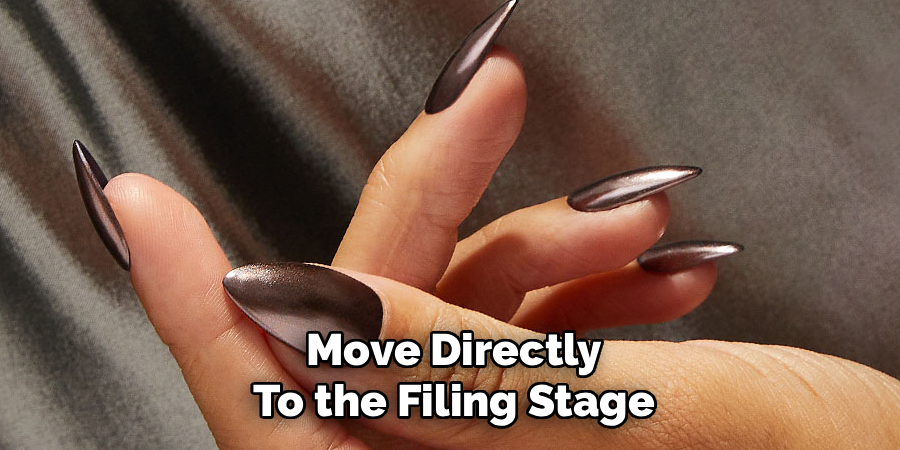
Before tackling the polish, evaluate the length of your nails. If your nails have grown out significantly and you plan to shorten them anyway, trim them now. Using a sturdy pair of nail clippers, take off the excess length. Cutting the nail removes a portion of the hard chrome and gel polish immediately, which means you have less product to soak off. This simple action speeds up the entire removal process. Be careful not to cut too close to the quick, leaving a small amount of white free edge to shape later. If you want to keep your current length, you can skip the clippers and move directly to the filing stage. However, trimming remains a highly effective shortcut for those wanting a fresh, shorter nail style.
Step 3: Break the Topcoat Seal
This step is absolutely critical for the acetone to do its job. Chrome manicures are sealed with a thick, durable gel topcoat that prevents chipping and locks in the powder. Acetone cannot easily penetrate this hard exterior layer. Take your coarse nail file and begin buffing the surface of each nail. Use firm but careful strokes to scratch up the shiny surface until the nail looks completely matte. You want to remove the shine entirely, but you must stop before you file down to your natural nail bed. Focus on the edges and the cuticle line, as these are the thickest areas of product buildup. By roughing up the surface, you create tiny pathways for the acetone to soak in and melt the gel structure underneath the chrome powder.
Step 4: Protect Your Cuticles
Pure acetone is incredibly dehydrating and can leave your skin feeling tight, white, and irritated. Before you begin the soaking process, take a moment to protect the delicate skin around your nails. Apply a generous layer of thick cuticle oil, petroleum jelly, or a rich barrier cream to your cuticles and the skin surrounding your fingertips. Rub it in gently, but avoid getting the oil directly on the filed nail plate, as this could block the acetone from doing its work. This protective barrier acts as a shield, locking your skin’s natural moisture inside while repelling the harsh chemicals of the acetone. Taking this quick preventative measure makes a massive difference in how your hands look and feel after the polish is completely removed.

Step 5: Soak the Cotton Balls
Now that your nails and cuticles are prepped, it is time to apply the acetone. Take a cotton ball and saturate it completely with 100% pure acetone. The cotton needs to be wet enough to deliver a constant supply of the solvent to the nail, but not so dripping wet that it runs down your arm. If you are using large cotton balls, you can tear them in half so they perfectly fit the size of your nail bed. This prevents unnecessary acetone exposure to the surrounding skin. Place the acetone-soaked cotton directly onto the filed surface of your nail. Ensure the cotton covers the entire nail plate from side to side and down to the cuticle line. Total coverage is required to ensure the polish lifts evenly across the whole nail.
Step 6: Wrap Your Fingertips in Foil
Immediately after placing the soaked cotton on your nail, grab one of your pre-cut aluminum foil squares. Place your finger in the center of the foil and fold the top over the cotton ball. Wrap the sides tightly around your finger, twisting the top slightly to lock the foil in place. The foil serves two vital purposes: it holds the cotton ball securely against the nail, and it traps the body heat from your fingers. This trapped heat actually warms up the acetone, accelerating the chemical reaction that breaks down the gel and chrome powder. Wrap all ten fingers. Doing your dominant hand first often makes the process easier, or you can choose to do one hand at a time if you need a free hand to hold your phone or a book.
Step 7: Wait Patiently for the Magic
Patience is the secret ingredient to safe nail polish removal. Set a timer for 15 to 20 minutes and simply relax. Do not constantly unwrap the foil to check on the progress, as this releases the trapped heat and allows the acetone to evaporate, stalling the breakdown process. Use this downtime to watch a show, listen to a podcast, or simply rest. The exact time needed depends on the specific brand of gel used and how many layers were applied at the salon. You will know the acetone is working when your fingertips feel a slight cooling sensation. Resist the urge to rush this step. Giving the solvent adequate time to completely dissolve the bonds of the gel is what prevents you from having to forcefully scrape the product off later.
Step 8: Gently Push the Chrome Away
Once the timer goes off, remove the foil from just one finger to test the progress. The chrome and gel polish should look crinkled, lifted, and crumbly. Take your wooden cuticle pusher or orange stick and gently push the polish away from the cuticle toward the tip of the nail. Use a light hand and zero force. The polish should glide off easily. If you find yourself pushing hard or if the polish remains firmly stuck to the nail, stop immediately. Re-soak a cotton ball, wrap the finger back up, and wait another five to ten minutes. Never force the product off, as this rips the top layers of your natural nail right along with it. Work finger by finger, leaving the others wrapped until you are ready for them.
Step 9: Buff Away Any Remaining Residue
After you have gently pushed off the bulk of the gel and chrome powder, you might notice some tiny, stubborn patches of base coat remaining on the nail. Do not reach for the acetone again just yet. Instead, grab a soft buffing block. Very lightly run the buffer over the surface of the nail to smooth out any residual product. Use extremely light pressure, moving in one direction rather than sawing back and forth. This gentle buffing easily removes those last microscopic bits of base coat and leaves your nail plate feeling perfectly smooth. This is also the perfect time to grab your nail file and shape the free edge of your nails into your desired style, whether that is square, oval, or almond.
Step 10: Hydrate and Restore
Your natural nails and surrounding skin have just been through a heavy chemical process and need immediate moisture restoration. Head to the sink and wash your hands thoroughly with warm water and a gentle, moisturizing soap to remove all traces of acetone and leftover chrome dust. Towel dry your hands, and immediately reach for your hydration products. Apply a high-quality cuticle oil to each nail bed and massage it deeply into the skin and the bare nail plate. Follow this up with a thick, nourishing hand cream. Massaging these products into your hands increases blood circulation, which promotes faster, healthier nail growth. Your nails should now look clean, smooth, and revitalized, completely free of any chrome residue.
5 Things You Should Avoid
Removing nail enhancements requires care and attention. Avoiding these common mistakes will save you from months of painful nail recovery:
- Peeling or Picking: Never pick at the lifting edges or peel the polish off in strips. This forcefully tears away the top layers of your natural nail, leaving them dangerously thin, sensitive, and prone to breaking.
- Using Non-Acetone Remover: Standard nail polish remover lacks the chemical strength to break down gel topcoats and base coats. You will only waste time and dry out your skin without actually removing the chrome powder.
- Using Metal Scraping Tools: Metal cuticle pushers are too harsh for at-home removal. A heavy hand with a metal tool easily gouges the natural nail plate; always stick to softer wooden orange sticks.
- Rushing the Soaking Time: Attempting to push the polish off after only five minutes will damage your nails. The acetone needs a full 15 to 20 minutes to thoroughly melt the hard gel structure.
- Skipping Post-Removal Hydration: Acetone completely strips all natural oils from your skin and nails. Failing to apply cuticle oil and hand cream afterward leads to brittle, cracking nails and painful hangnails.

Conclusion
Successfully removing a beautiful chrome manicure at home comes down to patience, the right tools, and proper technique.
By carefully breaking the topcoat seal, utilizing pure acetone, and allowing adequate soaking time, you easily protect your natural nails from severe damage. Remember that aggressive scraping and peeling are the ultimate enemies of healthy hands.
Hopefully, these tips and tricks on how to remove chrome powder from nails have helped you achieve a safe and successful chrome manicure removal. Remember to regularly nourish your nails with cuticle oil and hand cream to maintain their health and strength. Happy glamming!

About the Author
Jane Hubbard is a passionate beauty expert with a wealth of experience in makeup, hair, and overall beauty techniques. After years of working as a hairdresser specialist, she followed her entrepreneurial spirit and started her own consultancy business.
Jane has always been driven by her desire to help others feel confident in their own skin, and she does this by sharing her knowledge, experiences, and practical beauty tips. Through her consultancy, she empowers individuals to embrace their unique beauty, offering tailored guidance that boosts both self-esteem and personal style.
Professional Focus
Specializes in makeup, hairstyling, and beauty consulting.
Provides personalized beauty advice, tips, and techniques to help individuals feel confident in their appearance.
Dedicated to staying up-to-date with the latest industry trends and developments.
Passionate about creating a comfortable and empowering experience for every client.
Education History
University of Craft and Design – Bachelor of Fine Arts (BFA) in Woodworking and Furniture Design
Woodworking Apprenticeships – Extensive hands-on training with skilled craftsmen to refine carpentry and furniture making techniques
Online Courses & Masterclasses – Continued education in advanced woodworking techniques, design principles, and specialized tools
Expertise:
Makeup artistry, hairstyling, and beauty consulting.
Personalized beauty techniques to enhance confidence and self-expression.
Educating clients on how to maintain their beauty routines at home.