

Navigating the makeup aisle often feels like trying to solve a complex puzzle. You see hundreds of foundation bottles, concealer tubes, and powder compacts staring back at you.
Choosing the wrong shade leaves you with a dreaded foundation mask or a washed-out complexion. But when you finally understand your specific surface skin color and underlying hues, buying cosmetics becomes incredibly simple.
This guide on how to find my skin tone for makeup will walk you through exactly how to decode your complexion so you can build a makeup collection that actually works for you.
What Are the Benefits of Knowing Your Skin Tone?
Understanding your true skin tone transforms your entire approach to beauty. First, it eliminates the guesswork and wasted money that comes with buying mismatched foundations. When you know your exact match, your base makeup blends seamlessly into your neck and chest, creating a natural, second-skin finish.
Beyond foundation, knowing your undertones helps you select the most flattering color cosmetics. You will know exactly which red lipstick makes your teeth look bright white, which blush gives you a natural flush rather than a feverish glare, and which eyeshadow palettes make your eye color pop. Ultimately, matching makeup to your skin tone highlights your natural beauty and boosts your confidence.
What Will You Need?
Before you start analyzing your skin, gather a few basic items. You will need:
- A clean, makeup-free face
- A hand mirror or a vanity mirror that you can easily move
- Access to bright, indirect natural sunlight
- A piece of stark white printer paper
- A white towel or a white t-shirt
- Both silver and gold jewelry (bracelets or necklaces)
- Three to four foundation tester shades (if you are ready for the final matching step)
10 Easy Steps on How to Find My Skin Tone for Makeup
Follow these ten thorough steps to uncover your surface tone and your underlying hues.
Step 1: Prepare Your Skin Properly
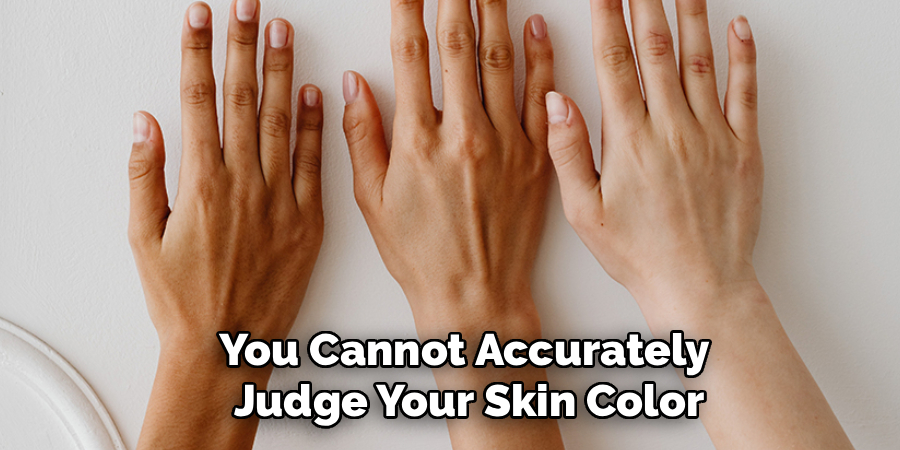
You cannot accurately judge your skin color if it is covered in tinted moisturizer, sunscreen, or leftover blush. Start by washing your face with a gentle cleanser to remove all makeup, dirt, and oil. Do not scrub harshly, as this causes temporary redness that masks your real color. After washing, wait about fifteen to twenty minutes before proceeding. This short waiting period allows any redness from the water and rubbing to subside, giving you the most accurate canvas to observe.
Step 2: Find the Perfect Lighting Environment
Lighting dictates everything when it comes to color perception. Artificial lighting—especially the harsh fluorescent bulbs in your bathroom or the warm yellow lamps in your bedroom—drastically alters how your skin looks. Move to a window that provides plenty of indirect natural sunlight. Do not stand directly in glaring sunbeams, as harsh light washes out your features. Instead, face a window on a bright, slightly overcast day or stand slightly back from the direct rays to see your true colors.
Step 3: Identify Your Surface Complexion Category
Your surface tone is the color you first notice when looking in the mirror. It usually falls into one of four main categories: fair, light, medium, or deep. Fair skin burns very easily and often have freckles. Light skin is generally pale but has a bit more warmth than fair skin. Medium skin tans easily and often features olive or golden hues. Deep skin encompasses rich, dark brown shades. Identifying this broad category narrows down your foundation choices before you even look at undertones.
Step 4: Examine Your Veins Under Natural Light
The vein test remains one of the most reliable methods for determining your undertone. Hold your wrist out in the natural light you found in step two. Look closely at the veins on the inside of your wrist or forearm. If your veins look distinctly blue or purple, you likely have cool undertones. If the veins appear green or olive-toned, you lean toward warm undertones. If you cannot quite tell if they are green or blue, or if you see a mix of both, you probably have a neutral undertone.

Step 5: Perform the White Paper Test
Sometimes, looking at your face in isolation makes it hard to see underlying colors. Grab your piece of bright white printer paper. Hold the paper up to your face beside your cheek. The stark white creates a harsh contrast that forces your skin’s undertones to stand out. If your skin looks pink, rosy, or blueish-red next to the paper, you are cool-toned. If your skin looks yellow, golden, or peachy, you are warm-toned. If it looks gray or ashen, you likely fall into the olive or neutral category.
Step 6: Test Your Gold and Silver Jewelry
Jewelry offers a fantastic, real-world way to spot your undertones. Gather a piece of silver jewelry and a piece of yellow gold jewelry. Place them both against your skin or wear them on alternating wrists. Pay attention to which metal makes your skin look brighter, healthier, and more radiant. If silver makes your skin glow and looks natural, you have cool undertones. If gold complements your skin beautifully and makes it look rich, you have warm undertones. If both look equally flattering, you are neutral.
Step 7: Analyze Your Sun Reaction History
Think about how your skin reacts when you spend time at the beach or pool. Your skin’s melanin response provides a major clue about your undertone. People with cool undertones tend to burn quickly and easily in the sun, often turning pink or red before returning to a pale state. Those with warm undertones usually tan easily, turning golden or bronzed without burning first. If you burn slightly but then transition into a tan, you likely have neutral undertones.

Step 8: Assess Your Best Clothing Colors
Open your closet and pull out the shirts that constantly earn you compliments. The colors that flatter you most directly correspond to your skin tone. If you look amazing in jewel tones like emerald green, sapphire blue, or crisp white, you probably have cool undertones. If earthy shades like mustard yellow, warm red, burnt orange, or cream look best on you, your undertones are warm. If you can effortlessly pull off off-white, taupe, and most colors on the spectrum, consider yourself neutral.
Step 9: Put the Clues Together to Confirm Your Undertone
Now, combine all the data you gathered from the previous steps. Your surface tone might change slightly with the seasons, but your undertone—cool (pink/blue), warm (yellow/golden), or neutral (a mix)—remains constant. Tally up your results. Did you have blue veins, look better in silver, and burn in the sun? You are unequivocally cool-toned. Did you have green veins, glow in gold jewelry, and look great in earthy reds? You are warm-toned. A mix of answers confirms a neutral status.
Step 10: Swatch Foundation on Your Jawline
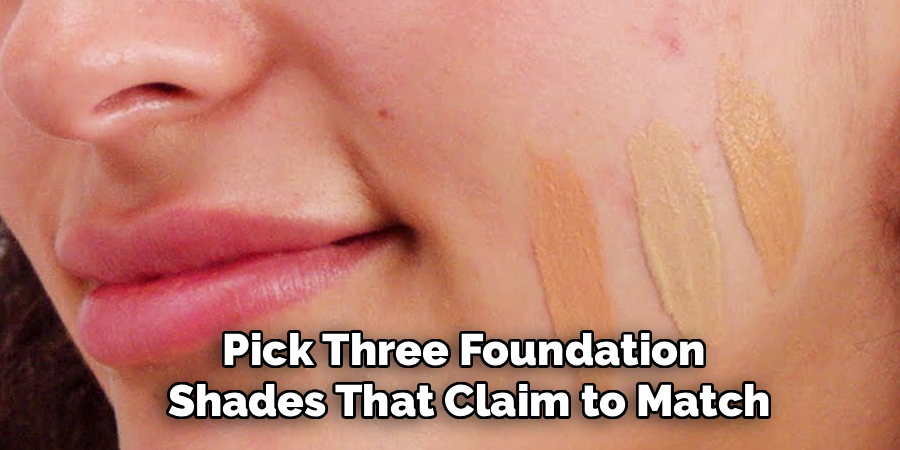
Now that you know your surface shade and your specific undertone, test some actual makeup. Pick three foundation shades that claim to match your newly discovered profile. Swipe a stripe of each color along your jawline, extending slightly down your neck. Check the stripes in natural light. The perfect match will completely disappear into your skin without leaving an obvious line of demarcation. Do not rub it in right away; let it sit for five minutes to see if the formula oxidizes or darkens before making your final choice.
Frequently Asked Questions
- Can My Skin Tone Change Over Time?
Your surface skin tone absolutely changes based on sun exposure, seasons, aging, and skincare habits. You might become a shade or two deeper during the summer months or after a tropical vacation. However, your underlying undertones—whether cool, warm, or neutral—remain the same throughout your entire life. Knowing your undertone keeps foundation shopping easy, even when your surface shade shifts. - What is the Difference Between Skin Tone and Undertone?
Skin tone refers to the surface color of your skin, which falls into broad categories like fair, light, medium, or deep. Undertone refers to the subtle hues sitting just beneath the skin’s surface, which categorize you as cool, warm, or neutral. While your surface skin tone can lighten or darken with sun exposure, your undertone acts as a permanent base color. You need to know both to find the perfect makeup match. - How Do I Choose Blush for My Skin Tone?
Select blush shades that share your skin’s natural undertones for the most harmonious, natural-looking flush. Warm undertones look stunning in peach, coral, and terracotta shades that enhance their golden glow. Cool undertones shine when wearing soft pinks, berry tones, and cool fuchsias. Neutral undertones have the flexibility to wear almost any blush color, though muted roses and soft mauves often look universally flattering.
Conclusion
Finding your perfect skin tone and undertone completely changes how you experience makeup. By taking the time to test your lighting, check your veins, and swatch products on your jawline, you eliminate the frustration of poorly matched foundation.
Keep your undertones in mind whenever you shop for base products, lipsticks, or blushes. Armed with this knowledge, you can confidently curate a makeup collection that highlights your natural radiance and makes you feel your absolute best.
Hopefully, this guide on how to find my skin tone for makeup has helped you understand the importance of knowing your skin tone and undertone.

About the Author
Jane Hubbard is a passionate beauty expert with a wealth of experience in makeup, hair, and overall beauty techniques. After years of working as a hairdresser specialist, she followed her entrepreneurial spirit and started her own consultancy business.
Jane has always been driven by her desire to help others feel confident in their own skin, and she does this by sharing her knowledge, experiences, and practical beauty tips. Through her consultancy, she empowers individuals to embrace their unique beauty, offering tailored guidance that boosts both self-esteem and personal style.
Professional Focus
Specializes in makeup, hairstyling, and beauty consulting.
Provides personalized beauty advice, tips, and techniques to help individuals feel confident in their appearance.
Dedicated to staying up-to-date with the latest industry trends and developments.
Passionate about creating a comfortable and empowering experience for every client.
Education History
University of Craft and Design – Bachelor of Fine Arts (BFA) in Woodworking and Furniture Design
Woodworking Apprenticeships – Extensive hands-on training with skilled craftsmen to refine carpentry and furniture making techniques
Online Courses & Masterclasses – Continued education in advanced woodworking techniques, design principles, and specialized tools
Expertise:
Makeup artistry, hairstyling, and beauty consulting.
Personalized beauty techniques to enhance confidence and self-expression.
Educating clients on how to maintain their beauty routines at home.