

To safely apply makeup over eczema, begin with a fragrance-free, ceramide-heavy moisturizer to help protect the skin barrier. Apply a color-correcting green primer to neutralize redness. Next, gently press a hypoallergenic liquid foundation over the affected areas using a damp sponge. Avoid matte formulas that may cling to dry patches and trigger irritation.
Navigating the cosmetics aisle with a compromised skin barrier often feels like walking through a minefield. Standard cosmetics frequently contain drying alcohols, strong fragrances, and specific preservatives that can instantly trigger severe flare-ups. You want to conceal the redness and dry patches. Yet the very products designed to hide these issues might make them significantly worse.
Applying cosmetics over atopic dermatitis is entirely possible, provided you use the right techniques and gentle formulations. By prioritizing hydration and relying on strategic application methods, achieving an even base without damaging your skin health appears well within reach. The underlying principle suggests treating your makeup routine as a careful extension of your clinical skincare regimen.
This guide on how to cover eczema with makeup explores the physiological reasons behind skin reactivity and offers a detailed methodology for selecting and applying the right products. You will find actionable advice on how to camouflage flare-ups while minimizing the risk of further inflammation.
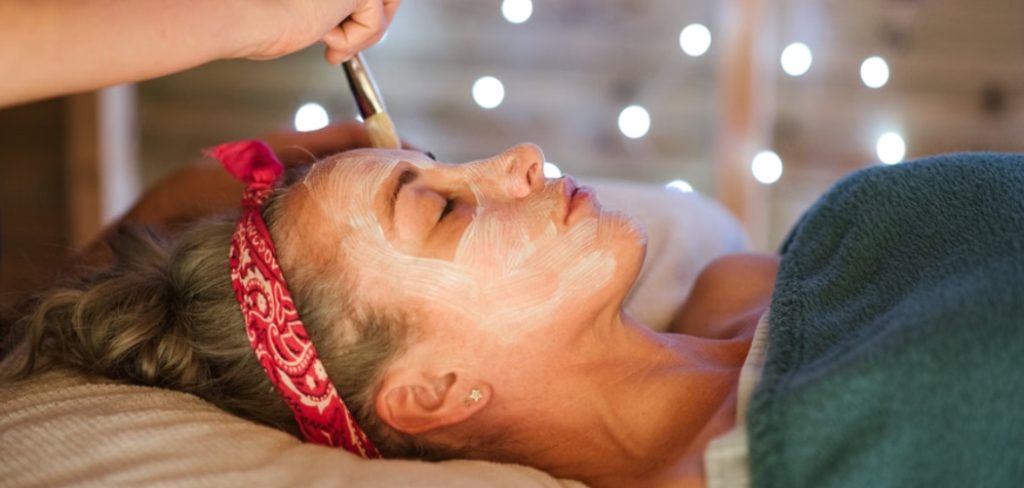
What Is Eczema And Why Does Sensitive Skin React To Cosmetics?
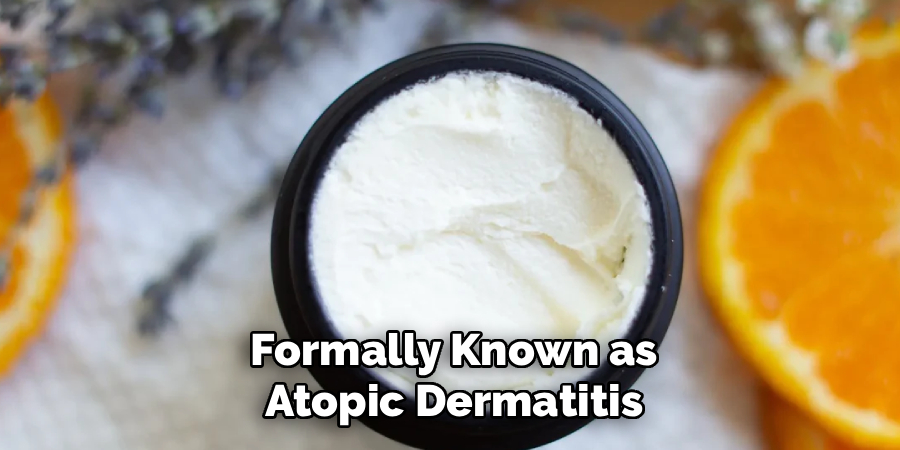
Eczema, formally known as atopic dermatitis, presents as an inflammatory condition characterized primarily by a weakened skin barrier. This damaged barrier struggles to retain moisture and keep out environmental irritants, which typically leads to red, itchy, and flaking patches. When you apply standard cosmetics to these vulnerable areas, chemical compounds can easily penetrate micro-tears in the epidermis.
This direct exposure often triggers a localized immune response, which may cause further inflammation and physical discomfort.
Why Is Skin Preparation Necessary Before Applying Makeup Over Eczema?
Applying foundation directly over dry patches without adequate preparation almost guarantees a patchy, uneven finish. Thorough skin preparation smooths the surface texture and establishes a protective buffer between your delicate epidermis and the color cosmetics. A solid layer of hydration plumps the skin.
It reduces visible flaking and allows liquid products to glide on seamlessly. Skipping this step means even the most expensive foundations will likely cling to dry spots and emphasize unwanted texture.
How Can You Choose The Right Makeup Products For Eczema-Prone Skin?
Selecting appropriate cosmetics requires careful analysis of ingredient labels. Opt for hypoallergenic, fragrance-free formulas explicitly tested for sensitive skin profiles. You might want to choose hydrating liquid foundations infused with ingredients like glycerin, hyaluronic acid, or squalane. Avoid matte foundations, loose powder formulas, and products containing denatured alcohol. Heavy chemical sunscreens and essential oils should also be left on the shelf, as these elements rapidly deplete moisture from an already parched barrier.
6 Simple Step-By-Step Guidelines On How To Cover Eczema With Makeup
Step 1: Cleanse And Hydrate Gently
Before touching any color cosmetics, you must start with a clean, heavily moisturized canvas to lower the risk of irritation. Wash your face using a mild, non-foaming cream cleanser alongside lukewarm water. Hot water strips away necessary natural oils. Pat the skin dry with a soft microfiber towel instead of rubbing, which can create friction and microscopic tears.
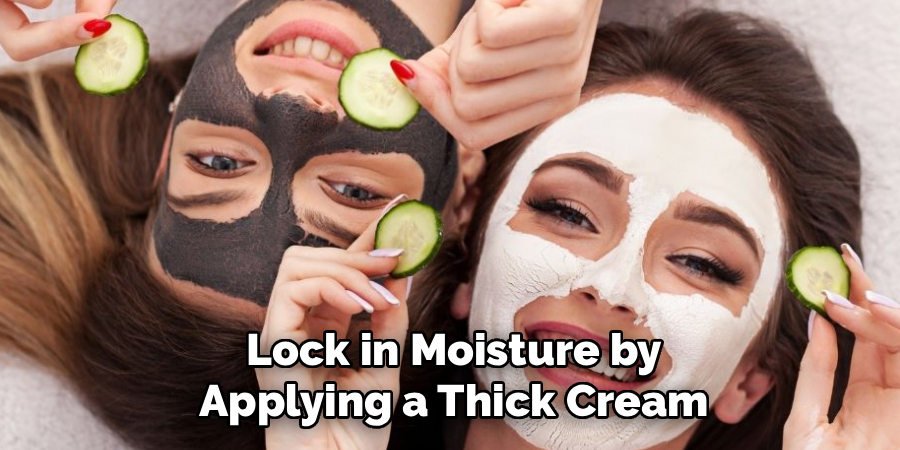
Immediately after drying, lock in moisture by applying a thick cream rich in ceramides. Ceramides appear to help rebuild the compromised barrier and reduce transepidermal water loss. Let this moisturizer absorb completely for at least ten minutes. Rushing this specific step often causes subsequent makeup layers to pill and slide off your face.
Step 2: Apply A Hydrating And Soothing Primer
A high-quality primer functions as double-sided tape for your foundation while providing an additional layer of barrier protection. Select a hydrating primer containing soothing ingredients like aloe vera or niacinamide, which may calm underlying inflammation. Green-tinted color-correcting primers are exceptionally useful for atopic dermatitis. The green pigments neutralize severe redness without requiring thick, suffocating layers of concealer.
Dispense a pea-sized amount of primer onto clean fingertips. Gently press the product into the skin, focusing on areas prone to flaking. Do not drag or rub the primer aggressively. Such friction will disturb dry flakes and cause them to stand up, making the texture more visible under foundation.
Step 3: Select And Apply A Liquid Foundation
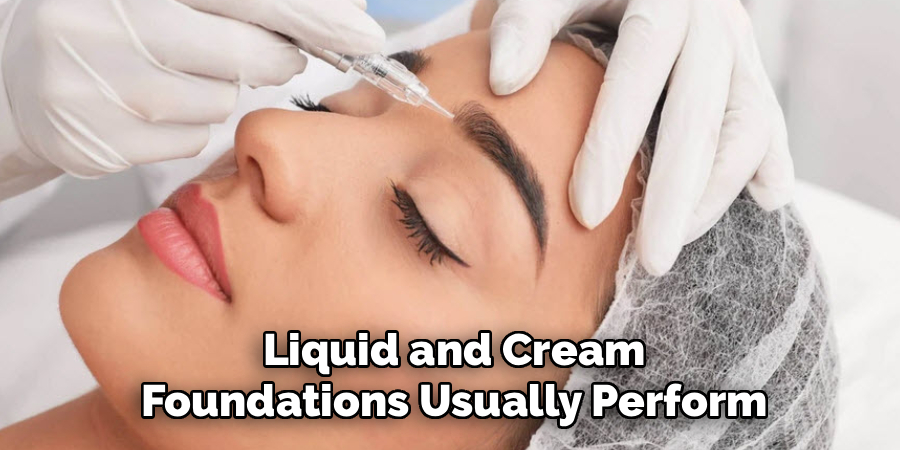
Liquid and cream foundations usually perform better than powders for atopic dermatitis because they introduce moisture rather than absorbing it. Choose a lightweight, buildable liquid foundation that offers a dewy finish. Dispense the foundation onto the back of your hand to warm it up, helping the formula melt into your skin.
Using a clean, damp makeup sponge, pick up a small amount of foundation. Lightly bounce it over your face. The damp sponge sheerly distributes the product while gently pressing down dry flakes to create a more uniform texture. Apply thin layers and build coverage only where absolutely necessary. Thick layers of makeup inevitably crack and highlight dry patches as the day progresses.
Step 4: Use A Cream Concealer For Stubborn Spots
Even with careful color correction and foundation application, specific eczema patches might still display visible redness. To tackle these stubborn areas, utilize a highly pigmented cream concealer. Cream concealers offer higher coverage than liquids but remain emollient enough to stretch over dry skin without immediate cracking.
Use a small synthetic precision brush to apply a tiny dot of concealer directly onto the discolored patch. Let the concealer sit on the skin for about thirty seconds to slightly thicken. This waiting period increases its coverage capacity. Take your ring finger and gently tap the edges of the concealer to blend it seamlessly into the surrounding foundation.
Step 5: Set The Makeup Strategically
Setting your makeup generally ensures longevity. However, traditional baking techniques or heavy powder applications will instantly dry out sensitive skin types. If your skin is exceptionally dry, you might choose to skip powder entirely. If you must set your base to prevent creasing, use a finely milled, talc-free powder.
Lightly dip a small fluffy brush into the powder. Tap off all the excess product until barely any remains on the bristles. Gently press the brush only onto areas that naturally get oily, such as the sides of the nose. Keep all powders strictly away from active eczema patches to prevent a crusty, dehydrated appearance.
Step 6: Lock Everything In With A Hydrating Setting Spray
The final step in your routine should involve a hydrating setting spray to meld the layers of makeup together and eliminate any residual powdery finish. Look for a setting spray formulated with humectants like glycerin. You should strictly avoid those listing alcohol as a primary ingredient.
Hold the bottle about eight to ten inches away from your face and mist generously. The moisture from the spray helps melt the makeup down, giving it a more skin-like finish while providing a final burst of hydration. Allow the spray to air dry completely without fanning your face.
Following these steps on how to cover eczema with makeup will help you achieve a flawless look while also taking care of your sensitive skin.
Which Ingredients And Tools Should You Avoid For Eczema?
Steer clear of cosmetics containing synthetic fragrances, parabens, and essential oils. These are notorious triggers for contact dermatitis. Avoid matte, long-wear foundations and pressed powders, which draw vital moisture out of the epidermis.
Do not use stiff makeup brushes that physically exfoliate the skin and irritate dry patches. You should also skip harsh chemical exfoliants directly prior to makeup application.
How Can You Troubleshoot Makeup Issues On Eczema Midday?
If your foundation begins to pill or flake during the afternoon, avoid the temptation to pack on more product. Take a clean, damp makeup sponge and gently press it over the flaking areas to rehydrate the cosmetics. You could also press a single drop of squalane oil over the dry patch using your ring finger to instantly revive the texture.
If redness peeks through, lightly dab a dot of cream concealer over the area rather than attempting to reapply foundation across the entire cheek.
What Are The Best Tips For A Natural-Looking Finish?
To maintain a natural aesthetic, always prioritize thin, buildable layers of product over one thick application. Mixing a drop of your favorite facial oil into your foundation can sheer out the coverage and add a realistic glow to dull skin. Focus on enhancing your features with cream blushes and liquid bronzers.
These formulas blend much more harmoniously over dry textures than their powdered counterparts. Keep in mind that true skin has texture, and attempting to completely eradicate it often results in a mask-like appearance.
What Lifestyle And Skin Health Tips Support Eczema Management?
Beautiful makeup results typically start with internal skin health. Manage your eczema by identifying and avoiding personal triggers, which may include certain synthetic fabrics, elevated stress levels, or specific foods. Invest in a high-quality humidifier for your bedroom to keep the ambient air moist, which prevents your skin from drying out overnight.
Maintain a consistent skincare routine using dermatologist-recommended products. Always remove your makeup thoroughly at the end of the day using a gentle cleansing balm to avoid unnecessary scrubbing.
Frequently Asked Questions

Can I Wear Makeup During A Severe Eczema Flare-Up?
Dermatologists generally recommend avoiding makeup during a severe, weeping, or open eczema flare-up. Applying cosmetics over broken skin can introduce bacteria, which may lead to painful infections and significantly delayed healing times. If you must wear makeup, apply it strictly around the flare-up. Leave the actively inflamed area bare, coated only in a healing ointment prescribed by your medical provider.
How Do I Remove Makeup Without Irritating My Eczema?
Remove your cosmetics using a fragrance-free cleansing balm or a gentle micellar water formulated specifically for sensitive skin. Massage the cleansing balm over your dry face using your fingertips to slowly melt the makeup without relying on harsh friction. Rinse thoroughly with lukewarm water. Follow up immediately with your heavy moisturizer while the skin remains slightly damp to lock in maximum hydration.
Are Mineral Makeup Products Better For Eczema-Prone Skin?
Mineral makeup can serve as a safer alternative for eczema-prone skin because it typically contains fewer synthetic preservatives and potential allergens than conventional cosmetics. However, loose mineral powders can still absorb natural surface oils and cling to dry patches. If you choose mineral cosmetics, look for liquid mineral foundations, or ensure your skin is heavily moisturized before applying any powder formats.
Next Steps For Achieving A Flawless, Comfortable Base
Successfully covering eczema requires patience, a surprisingly gentle touch, and a steadfast commitment to skin hydration. By investing in the right barrier-prepping ingredients and choosing emollient cosmetics, you can confidently wear makeup without exacerbating your underlying symptoms. Review your current makeup collection this week.
Discard any expired or heavily fragranced items, and begin implementing these hydration-focused techniques for a smoother, far more comfortable complexion. Thanks for reading this guide on how to cover eczema with makeup.

About the Author
Jane Hubbard is a passionate beauty expert with a wealth of experience in makeup, hair, and overall beauty techniques. After years of working as a hairdresser specialist, she followed her entrepreneurial spirit and started her own consultancy business.
Jane has always been driven by her desire to help others feel confident in their own skin, and she does this by sharing her knowledge, experiences, and practical beauty tips. Through her consultancy, she empowers individuals to embrace their unique beauty, offering tailored guidance that boosts both self-esteem and personal style.
Professional Focus
Specializes in makeup, hairstyling, and beauty consulting.
Provides personalized beauty advice, tips, and techniques to help individuals feel confident in their appearance.
Dedicated to staying up-to-date with the latest industry trends and developments.
Passionate about creating a comfortable and empowering experience for every client.
Education History
University of Craft and Design – Bachelor of Fine Arts (BFA) in Woodworking and Furniture Design
Woodworking Apprenticeships – Extensive hands-on training with skilled craftsmen to refine carpentry and furniture making techniques
Online Courses & Masterclasses – Continued education in advanced woodworking techniques, design principles, and specialized tools
Expertise:
Makeup artistry, hairstyling, and beauty consulting.
Personalized beauty techniques to enhance confidence and self-expression.
Educating clients on how to maintain their beauty routines at home.