

Korean eye makeup centers on a soft, youthful look—think straight brows, peachy-neutral eyeshadows, and the signature aegyo sal (under-eye highlight). The key steps are prepping your lids, building a gentle color gradient, applying a downward “puppy” eyeliner wing, and finishing with lengthening mascara. The result is bright, approachable, and genuinely wearable every day.
Korean beauty has quietly reshaped how people think about eye makeup. Not through maximalism or drama, but through restraint. The focus on soft, rounded eyes and dewy skin has influenced runways, social media feeds, and everyday routines far beyond Seoul—and the eye makeup techniques driving this shift are more accessible than they might appear.
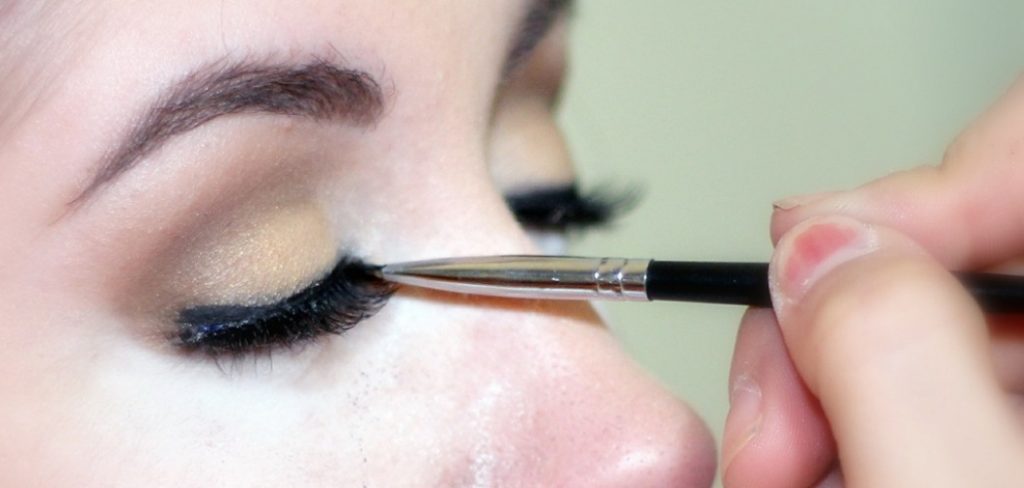
What separates this style from Western approaches isn’t just the color palette. The entire philosophy is different. Where Western trends tend to chase sharpness—defined cut creases, angular liner flicks, high-arched brows—the Korean aesthetic moves in the opposite direction. Softer. Rounder. More approachable. The goal is to look awake and youthful without appearing heavily made up.
This guide on how to do Korean eye makeup walks you through eight practical steps to achieve the look from scratch, covering everything from eyelid prep to the final glitter placement. Whether you’re new to makeup or just new to this style, these techniques are straightforward enough to build into a daily routine.
What Makes Korean Eye Makeup Different from Western Styles?
Before touching a brush, it helps to understand the core principles at play. Western makeup has long celebrated bold contrast—heavy brows, thick wings, and statement lashes. Korean makeup, by contrast, leans into the natural eye shape rather than working against it.
Two techniques define this approach. The first is “puppy eyeliner,” which follows the natural downward slope of the outer eye rather than flicking upward like a cat eye. The second is the aegyo sal—a subtle highlight placed on the small, plump area of skin just below the lower lash line. When done well, aegyo sal mimics the look of a genuine smile. It makes the eye appear warmer, rounder, and more expressive.
Color also plays a major role. Corals, soft peaches, muted pinks, and warm earthy browns dominate Korean eye palettes. These shades add warmth without weight. Texture-wise, the combination of a matte base with a finely milled shimmer creates what many describe as a “watery” sparkle—reflective and delicate rather than glittery in the chunky, theatrical sense.
8 Step-By-Step Guidelines on How to Do Korean Eye Makeup
Step 1: Prepping and Priming Your Eyelids for a Smooth Canvas
Good makeup starts well before the first brush stroke. Eyelids produce natural oils throughout the day, and without proper prep, eyeshadow will crease within hours—sometimes less.
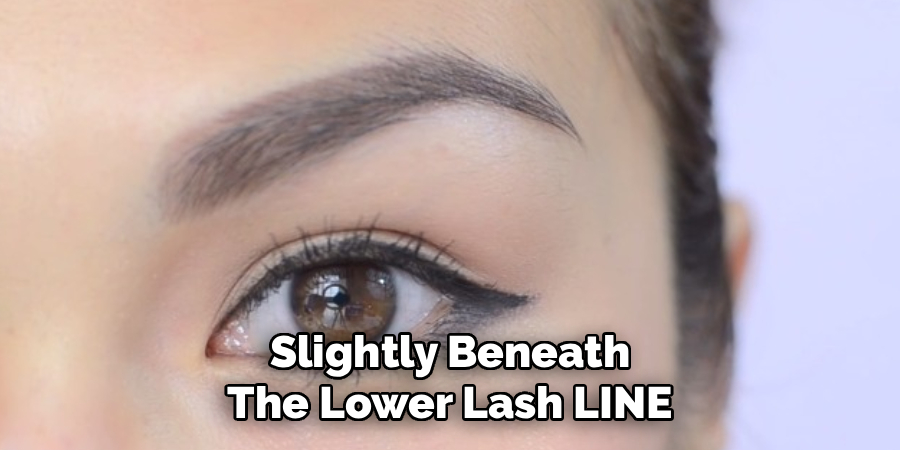
Start by cleansing your face and applying a lightweight eye cream. Once it’s fully absorbed, apply an eyeshadow primer or a thin layer of matte concealer across the upper lid and slightly beneath the lower lash line. Blend using your ring finger or a damp sponge.
Then, set the primer with a translucent powder or bone-colored matte eyeshadow, swept on with a fluffy brush. This dry layer prevents cream products from shifting and gives your eyeshadow something to grip. Think of it less as an extra step and more as insurance for everything that follows.
Step 2: Perfecting the Soft and Straight Korean Eyebrow
The brow shape here is deliberately understated. Korean beauty favors thick, straight brows over the arched, sculpted styles common in Western trends. The straight line reads as youthful—even a little earnest—which fits the overall aesthetic well.
Brush your brows downward with a spoolie to reveal your natural top line. Using a fine-tipped pencil one shade lighter than your hair, fill in sparse areas along the bottom edge to create a relatively flat line from inner corner to tail. Keep the arch minimal.
Brush the hairs back up, then fill with light, feathery strokes. The inner corners should remain soft and blended; the tail can be slightly more defined. Finish with a clear or tinted brow gel, brushing hairs upward and outward for a natural, textured finish.
Step 3: Applying a Neutral and Soft Base Eyeshadow
The eyeshadow in Korean makeup isn’t about drama—it’s about warmth. Choose a matte shade in soft peach, pale pink, or light beige depending on your skin’s undertones. With a medium fluffy brush, sweep the color from the lash line upward toward the crease, letting it fade into the natural skin tone before hitting the brow bone.
Keep the application short. Layering is always an option; removing excess product isn’t.
Carry this same base color along the outer two-thirds of the lower lash line using a small smudger brush. This connects the upper and lower eye and creates a cohesive, wide-eyed effect that looks intentional without being overdone.
Step 4: Creating Depth with Gradient Shadows
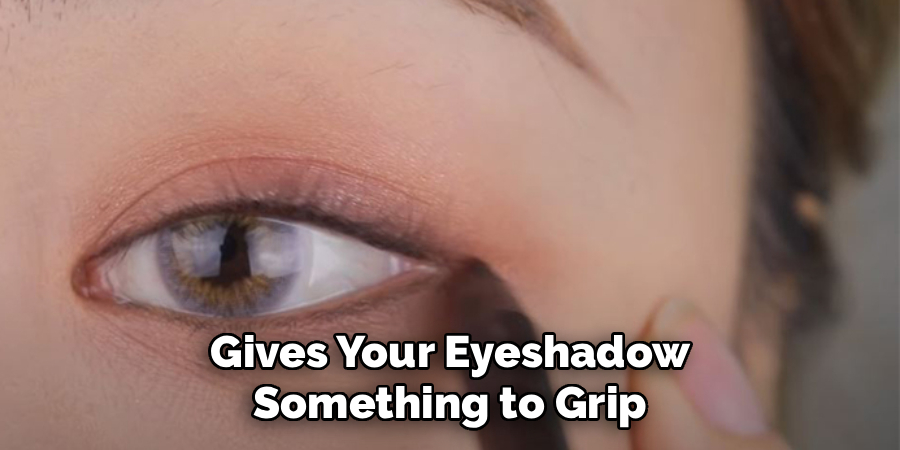
Korean eye makeup skips the sharp crease work and replaces it with a gradient—a smooth transition from deeper color on the outer corners to lighter tones toward the inner eye. Pick a shade one or two steps darker than your base: warm terracotta, medium brown, or dusty rose all work well.
Apply this with a smaller tapered brush to the outer third of the upper lid, blending inward. Then, using a dense pencil brush, press a slightly deeper brown directly against the upper lash line at the outer corners. Extend a small amount of this shade along the outer third of the lower lash line, connecting the two in a soft V at the corner.
The result is a definition that reads as dimension rather than darkness.
Step 5: Mastering the Puppy Eyeliner Technique
This is where Korean eye makeup diverges most clearly from Western styles. The puppy liner doesn’t go up—it goes down.
Start by tightlining the upper waterline with a waterproof brown or black gel pencil. Then trace a thin line along the upper lash line using a brown liquid or gel liner. Brown reads softer than black and tends to blend more naturally with the gradient eyeshadow underneath.
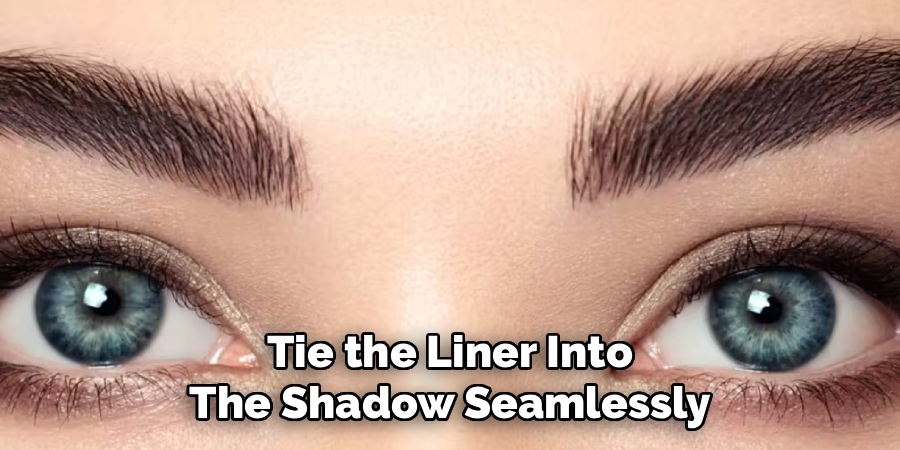
At the outer corner, instead of flicking upward, extend the line slightly downward, following the natural curve of the lid. Keep the wing short—a few millimeters is usually enough. Smudge the edges with a dark brown eyeshadow on a small angled brush to soften any sharp lines and tie the liner into the shadow seamlessly.
Step 6: Highlighting the Aegyo Sal for a Youthful Look
Aegyo sal translates roughly to “charming fat”—a term that, despite the directness, describes something genuinely appealing: the small, plump area beneath the lower lash line that becomes visible when you smile naturally.
Smile in the mirror to find where the natural shadow falls beneath this area. Using a flat precision brush, trace this crease lightly with a matte warm-brown eyeshadow. Blend well—this should look like a shadow your face naturally produces, not a drawn line.
Then, take a shimmering champagne, light pink, or pearlescent cream eyeshadow and apply it to the area between the lower lash line and the shadow below it. A small detailing brush or a specialized aegyo sal pencil works well here. The highlight above and shadow below create an optical illusion that plumps the area and gives the eyes an immediately warmer, more awake quality.
Step 7: Curling Lashes and Applying Lengthening Mascara
Korean beauty tends to avoid heavy, stacked lashes. The priority is length and separation—lashes that look naturally impressive rather than artificially amplified.
Use a quality eyelash curler at the base of the lashes, holding briefly before pulsing outward toward the tips. This creates a sweeping C-curl rather than a sharp crimp. For particularly stubborn lashes, a few seconds of gentle heat from a hairdryer can improve the curl’s staying power.
Apply one coat of lengthening mascara, wiggling the wand at the base and pulling cleanly through to the tips. If clumping appears, a metal lash comb separates the strands quickly. A light pass of mascara on the lower lashes balances the look without adding heaviness.
Step 8: Adding a Touch of Glitter for Dimension
The finishing touch in most Korean eye looks is a small amount of fine glitter or liquid shimmer—not chunky glitter, but something finely milled with a wet, almost glass-like finish.
Dab a small amount with your ring finger or a silicone brush onto the center of the upper lid, just above the pupil. This catches light when you blink, adding a pop of dimension. A tiny amount in the inner corners and on the aegyo sal highlight ties the look together.
The placement should be strategic and sparse. The effect should be a natural-looking gleam—eyes that appear to catch the light, rather than reflect it from every angle. Following these steps on how to do Korean eye makeup, you’ll achieve the desired effect of bright, youthful and innocent-looking eyes.
What Are the Most Common Mistakes to Avoid in Korean Eye Makeup?
Harsh black liner is the most frequent issue. It overpowers the softness the technique depends on. Similarly, applying too much dark eyeshadow in the crease collapses the gradient effect and pushes the look toward Western territory.
Drawing the aegyo sal shadow too low or too dark tends to highlight under-eye circles rather than counteract them. Overfilled brows with a sharp arch also contradict the aesthetic. And clumpy mascara—however small the error—can undo the delicate, feathery quality that makes this style work.
What Occasions Is Korean Eye Makeup Suited For?
The look’s versatility is one of its most practical qualities. Because the finish is light and the colors are warm rather than bold, it suits daily environments well—office settings, classes, casual outings. The soft tones enhance without signaling “full glam.”
For more formal occasions, the look scales upward with a few adjustments. Deepening the brown gradient at the outer corners and adding slightly more glitter to the center of the lid shifts the effect from fresh to quietly glamorous. Many brides find this style particularly useful for photography, where it reads as polished without appearing overdone.
Frequently Asked Questions About Korean Eye Makeup
Can You Fake the Aegyo Sal Without Natural Under-Eye Fat?
Yes. Smile to locate the tension line beneath your eye, then use a cool-toned brown shadow to trace a softly blended line slightly below your lower lash line. Fill the space above that line—between it and the lash line—with a shimmery, light-reflecting pencil. Blending is what separates a convincing result from a visible drawing.
Why Does Puppy Eyeliner Look Too Droopy on Some Eye Shapes?
Usually, this comes down to the length and angle of the wing. The downward extension should be short—a few millimeters past the outer corner, following the lid’s natural slope. Thick lines and wings that extend too far both exaggerate the droop. Using a thin brown gel liner and smudging the outer edge with a matching shadow softens the angle significantly.
Which Eyeshadow Colors Suit Deeper Skin Tones in This Style?
The traditional pale peach and pink shades don’t disappear entirely, but warmer, deeper variations tend to work better. Warm corals, toasted caramel, terracotta, and rich bronze shades achieve the same brightening effect on deeper complexions. For the glitter step, warm gold or copper shimmers are far more flattering than the champagne tones typically recommended for lighter skin.
Do You Need Specialized Products to Achieve This Look?
Not necessarily. A brown gel liner, a fluffy blending brush, a fine-milled shimmer shadow, and a lengthening mascara cover the most essential elements. Products marketed specifically for Korean-style makeup—like aegyo sal pencils—are helpful but not required. Standard tools adapted thoughtfully will get you most of the way there.
How Long Does Korean Eye Makeup Take to Apply?
With practice, the full look takes around 10 to 15 minutes. The gradient eyeshadow and puppy liner steps tend to take the longest initially, but both become quicker as technique improves. Priming the lids beforehand also helps the rest of the application go faster.

Start Simple, Build From There
Korean eye makeup rewards patience more than it rewards precision. The gradient will improve with practice. The puppy liner gets easier once you stop expecting it to behave like a cat’s eye. And the aegyo sal, which can look strange in isolation, suddenly makes sense when the whole look comes together.
Start with the basics—a peachy base, straight brows, and a simple brown liner. Once those feel comfortable, layer in the glitter, refine the under-eye technique, and experiment with color. The style is forgiving precisely because it values softness over exactness. There’s more room for adjustment here than most makeup styles allow. Thanks for reading this guide on how to do Korean eye makeup.

About the Author
Jane Hubbard is a passionate beauty expert with a wealth of experience in makeup, hair, and overall beauty techniques. After years of working as a hairdresser specialist, she followed her entrepreneurial spirit and started her own consultancy business.
Jane has always been driven by her desire to help others feel confident in their own skin, and she does this by sharing her knowledge, experiences, and practical beauty tips. Through her consultancy, she empowers individuals to embrace their unique beauty, offering tailored guidance that boosts both self-esteem and personal style.
Professional Focus
Specializes in makeup, hairstyling, and beauty consulting.
Provides personalized beauty advice, tips, and techniques to help individuals feel confident in their appearance.
Dedicated to staying up-to-date with the latest industry trends and developments.
Passionate about creating a comfortable and empowering experience for every client.
Education History
University of Craft and Design – Bachelor of Fine Arts (BFA) in Woodworking and Furniture Design
Woodworking Apprenticeships – Extensive hands-on training with skilled craftsmen to refine carpentry and furniture making techniques
Online Courses & Masterclasses – Continued education in advanced woodworking techniques, design principles, and specialized tools
Expertise:
Makeup artistry, hairstyling, and beauty consulting.
Personalized beauty techniques to enhance confidence and self-expression.
Educating clients on how to maintain their beauty routines at home.