

Vaseline (petroleum jelly) can strengthen brittle nails and soften cuticles by locking in moisture around the nail bed. Apply a pea-sized amount to clean nails and cuticles three to four times per week—or nightly with cotton gloves for deeper hydration. Results typically appear within two to three weeks.
Dry, brittle nails are one of those everyday frustrations that seem minor—until you’re constantly dealing with breakage, peeling, or hangnails. If you’ve been searching for a simple, affordable fix, Vaseline might already be sitting in your medicine cabinet.
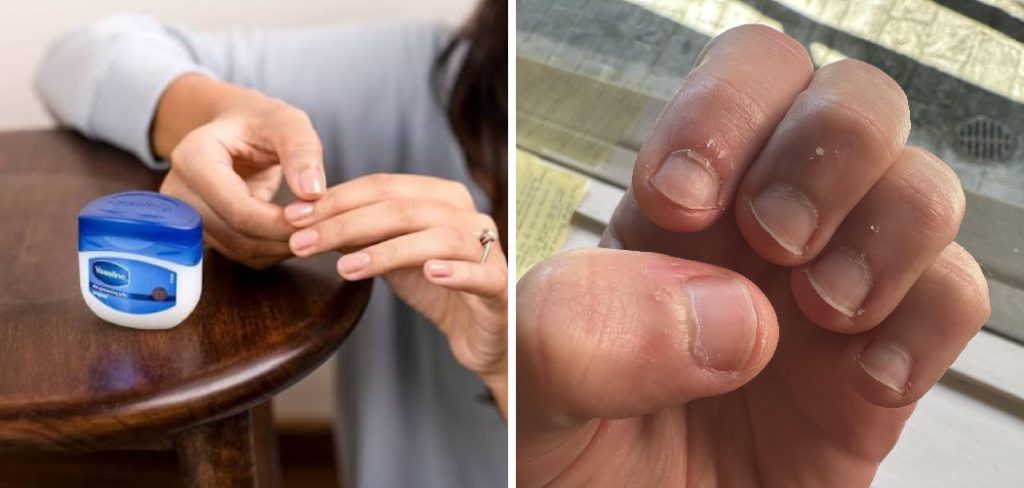
This humble petroleum jelly has been a skincare staple for over 150 years. Used correctly, it can make a real difference for your nails and cuticles. This guide walks you through exactly how to use Vaseline on nails—step by step—covering the science behind how it works, the mistakes most people make, and everything in between.
What Is Vaseline and How Does It Work on Nails?
Vaseline is the brand name for petroleum jelly, a semi-solid hydrocarbon mixture first discovered in the 1860s. It functions as an occlusive moisturizer, which means it forms a protective barrier over the skin that prevents water from evaporating. That’s what makes it so effective for dry skin, chapped lips, and nails.
Applied to nails and cuticles, Vaseline seals in moisture at the nail bed, which may help prevent the brittleness and cracking that stems from dehydration. It doesn’t penetrate the nail plate itself, but by keeping the surrounding skin and cuticle hydrated, it creates conditions that support healthier nail growth over time.
What Are the Benefits of Using Vaseline on Nails?
Regular Vaseline application offers several benefits:
- Strengthens brittle nails by maintaining consistent hydration around the nail bed
- Softens cuticles, making them easier to manage without cutting or tearing
- Reduces hangnails by keeping the skin around your nails supple
- Supports nail growth by creating a nourishing environment at the base of the nail
- Protects against environmental damage from water, cold weather, and harsh chemicals
- Costs almost nothing—no specialty products required
What Supplies Do You Need Before You Start?
Gather these simple items before you begin:
- A small jar of Vaseline (original formula)
- Warm water and mild soap
- A soft nail brush or an old toothbrush
- A clean towel
- A nail file (optional)
- Cotton gloves (optional, for overnight treatments)
7 Simple Steps: How to Use Vaseline on Nails
Step 1: Clean Your Hands and Nails Thoroughly
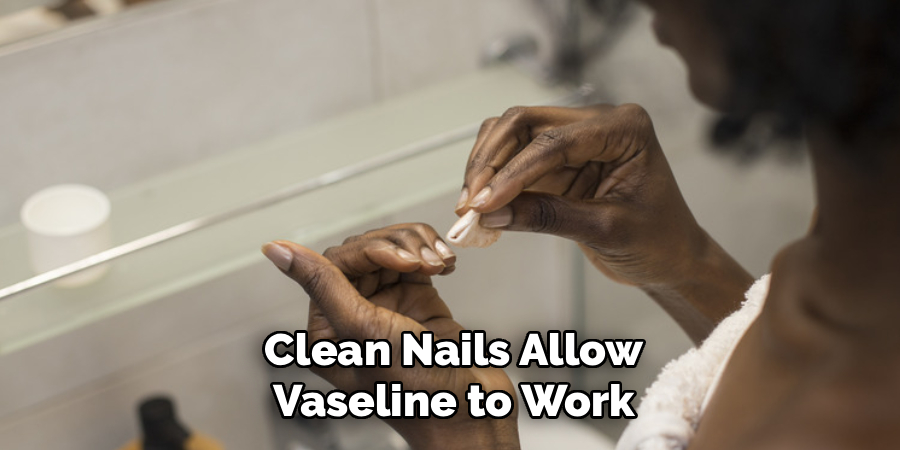
Start by washing your hands with warm water and a gentle soap. Clean nails allow Vaseline to work more effectively—dirt, oils, and product residue can interfere with how well it coats the surrounding skin. Use a soft nail brush to scrub gently around and under each nail. Pat your hands dry, but leave them slightly damp. That residual moisture is what the Vaseline will seal in.
Step 2: Trim and File Your Nails if Needed
Address any rough edges or uneven tips before applying anything. File in one direction to avoid splitting the nail further. You don’t need to cut your nails short—just tidy them up so Vaseline can coat the nail edge evenly without catching on jagged spots.
Step 3: Warm a Small Amount of Vaseline Between Your Fingers
Scoop out a pea-sized amount using a clean fingertip or small spatula. Rub it between your thumb and forefinger for 10 to 15 seconds until it softens. Warming the product makes it easier to spread and helps it work into the cuticle area. More is not better here—excess product will just sit on the surface.
Step 4: Apply Vaseline to Each Nail and Cuticle
Using your fingertip, massage the warmed Vaseline onto each nail, paying particular attention to the cuticle at the base. Work it into the sides of the nail and along the surrounding skin. Small, circular motions help encourage blood circulation, which also appears to support nail health. Spend at least 30 seconds per nail—it makes a noticeable difference.
Step 5: Massage the Remaining Product Into Your Fingertips and Hands
Once each nail is coated, use whatever’s left on your hands to massage your fingertips and palms. The skin around your nails matters just as much as the nails themselves—keeping it hydrated reduces cracking and peeling that can lead to hangnails. Spend a minute or two on this. Nothing goes to waste.
Step 6: Let the Vaseline Absorb—Or Use Gloves Overnight
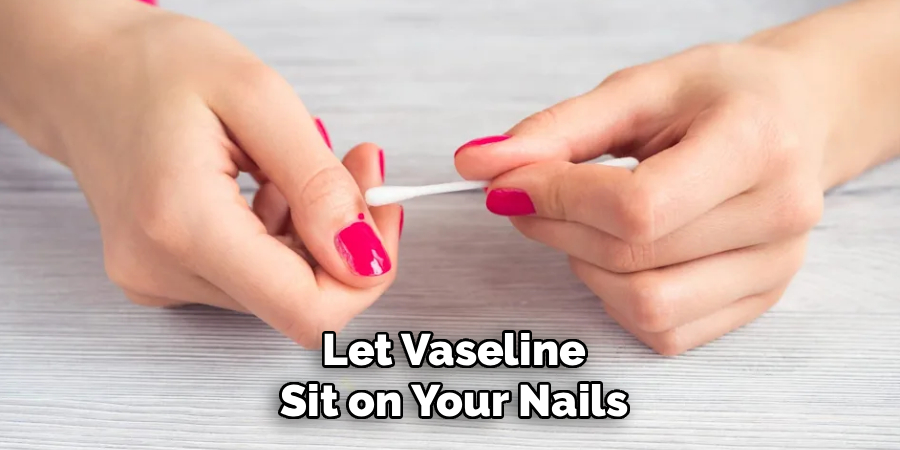
For a quick daytime treatment, let Vaseline sit on your nails and cuticles for 10 to 15 minutes before rinsing off any excess. For deeper hydration—especially if your nails are severely dry—apply a slightly more generous coat before bed and slip on a pair of clean cotton gloves. Sleeping with the gloves on locks in moisture for hours. Most people who try this overnight method notice softer cuticles and more flexible nails within just a few days.
Step 7: Repeat Consistently for Best Results
Vaseline works best as part of a regular routine, not a one-time fix. Aim for at least three to four applications per week, or nightly if your nails are particularly brittle. Nail growth is slow, and the real benefits of consistent Vaseline use only become visible over several weeks. Keep a small jar on your bedside table or bathroom sink—out of sight tends to mean out of mind.
Following these steps on how to use vaseline on nails consistently will not only improve the appearance and strength of your nails but also provide nourishment and hydration for healthy growth. It is important to remember that results may vary, as individual factors such as genetics and overall nail health can affect the outcome.
Common Mistakes to Avoid
- Applying to dirty nails: Always clean your hands first—Vaseline over grime reduces its effectiveness
- Using too much product: A thick glob won’t absorb better; it just feels greasy and rubs off on surfaces
- Skipping the cuticle area: Most of the hydration work happens at the cuticle, so don’t rush past it
- Expecting overnight results: Consistency over weeks—not days—yields real change
- Using flavored or scented versions: Stick to the original, unfragranced formula to avoid potential irritation
Additional Tips for Healthier Nails
Vaseline works even better alongside other good nail-care habits:
- Stay hydrated: Drinking enough water supports nail hydration from the inside out
- Eat well: Biotin-rich foods like eggs, nuts, and leafy greens appear to support nail strength
- Wear gloves when cleaning: Prolonged exposure to harsh chemicals and water strips nails of moisture
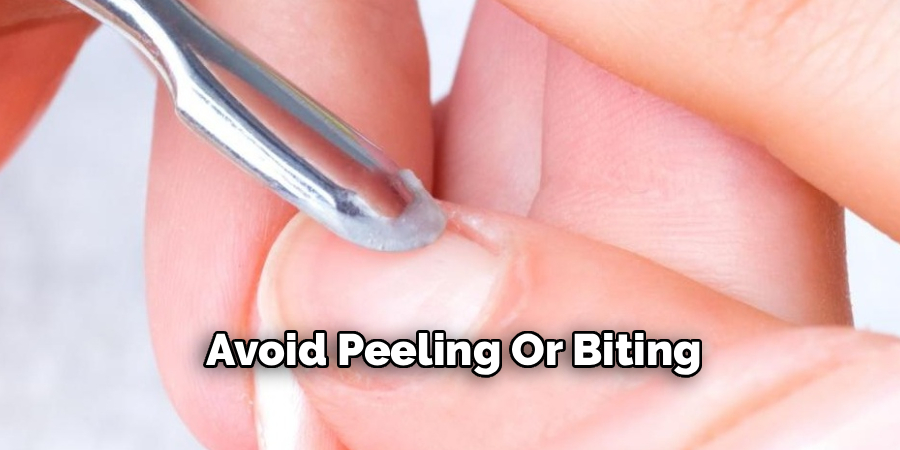
- Avoid peeling or biting: These habits damage the nail bed and slow healthy growth
- Use a strengthening base coat: A nourishing base coat protects the nail plate if you wear polish regularly
- Give your nails a break: Periodic rest from acrylics and gel polish allows the nail plate to recover
- Reapply after washing hands: Hand washing strips natural oils, so follow up with Vaseline or hand cream each time
Frequently Asked Questions
Can Vaseline Really Help My Nails Grow Faster?
Vaseline does not directly stimulate nail growth at a biological level. What it does, however, is create conditions where nails are less likely to break. By keeping the cuticle and surrounding skin consistently hydrated, Vaseline reduces brittleness, which means nails are more likely to reach longer lengths without snapping. Over several weeks of regular use, many people notice their nails appear longer simply because they’re retaining more length than before.
How Often Should I Apply Vaseline to My Nails for Noticeable Results?
Apply Vaseline to your nails and cuticles at least three to four times per week. For severely dry or damaged nails, a nightly application with cotton gloves worn overnight will accelerate improvement. Most users begin to notice softer cuticles and reduced breakage within two to three weeks, with more significant changes visible after four to six weeks of consistent use.
Is Vaseline Safe to Use on Nails Every Day?
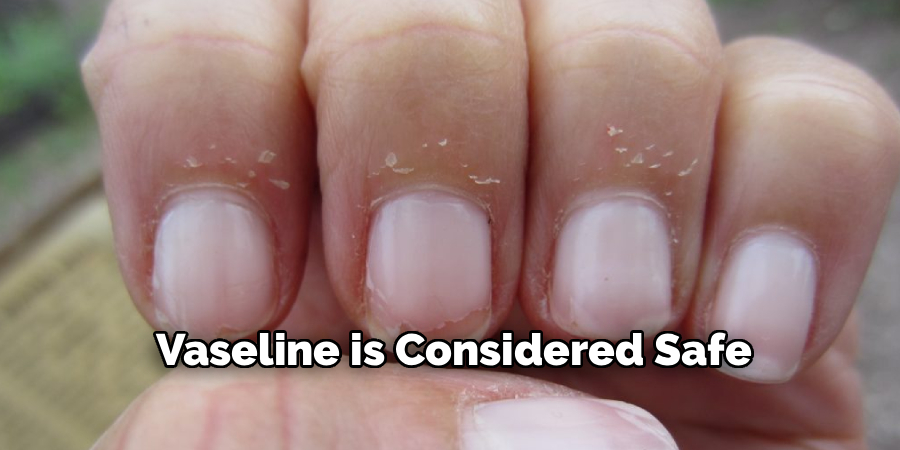
Yes, Vaseline is considered safe for daily use on nails and cuticles. It is hypoallergenic and free from harsh chemicals that could irritate the skin. The original, unfragranced formula is the best option for regular nail care. That said, if you have a known sensitivity to petroleum-based products or notice any redness or irritation, discontinue use and consult a dermatologist.
Does Vaseline Work Better Than Dedicated Nail Oils or Creams?
Dedicated nail oils—particularly those containing jojoba or vitamin E—may penetrate the cuticle more deeply than Vaseline, since they are not purely occlusive. Vaseline’s strength lies in its ability to seal moisture in rather than add it. For very dry nails, applying a lightweight cuticle oil first, then sealing with Vaseline, could offer the best of both approaches.
Start Your Nail Care Routine Today
Vaseline is one of those rare beauty staples that delivers genuine results without the price tag. Used consistently and correctly, it can help transform dry, brittle nails into stronger, more resilient ones—while keeping cuticles smooth in the process.
The seven steps on how to use vaseline on nails outlined here are simple enough to fit into any routine, whether you spend five minutes before bed or work it into your morning routine. Start small, stay consistent, and give your nails the care they deserve.

About the Author
Jane Hubbard is a passionate beauty expert with a wealth of experience in makeup, hair, and overall beauty techniques. After years of working as a hairdresser specialist, she followed her entrepreneurial spirit and started her own consultancy business.
Jane has always been driven by her desire to help others feel confident in their own skin, and she does this by sharing her knowledge, experiences, and practical beauty tips. Through her consultancy, she empowers individuals to embrace their unique beauty, offering tailored guidance that boosts both self-esteem and personal style.
Professional Focus
Specializes in makeup, hairstyling, and beauty consulting.
Provides personalized beauty advice, tips, and techniques to help individuals feel confident in their appearance.
Dedicated to staying up-to-date with the latest industry trends and developments.
Passionate about creating a comfortable and empowering experience for every client.
Education History
University of Craft and Design – Bachelor of Fine Arts (BFA) in Woodworking and Furniture Design
Woodworking Apprenticeships – Extensive hands-on training with skilled craftsmen to refine carpentry and furniture making techniques
Online Courses & Masterclasses – Continued education in advanced woodworking techniques, design principles, and specialized tools
Expertise:
Makeup artistry, hairstyling, and beauty consulting.
Personalized beauty techniques to enhance confidence and self-expression.
Educating clients on how to maintain their beauty routines at home.