

You leave the house looking freshly polished. By lunch, you catch your reflection and everything’s shifted, faded in some spots, slipping into a crease in others.
It’s a small betrayal. You did everything right this morning, and yet here you are.
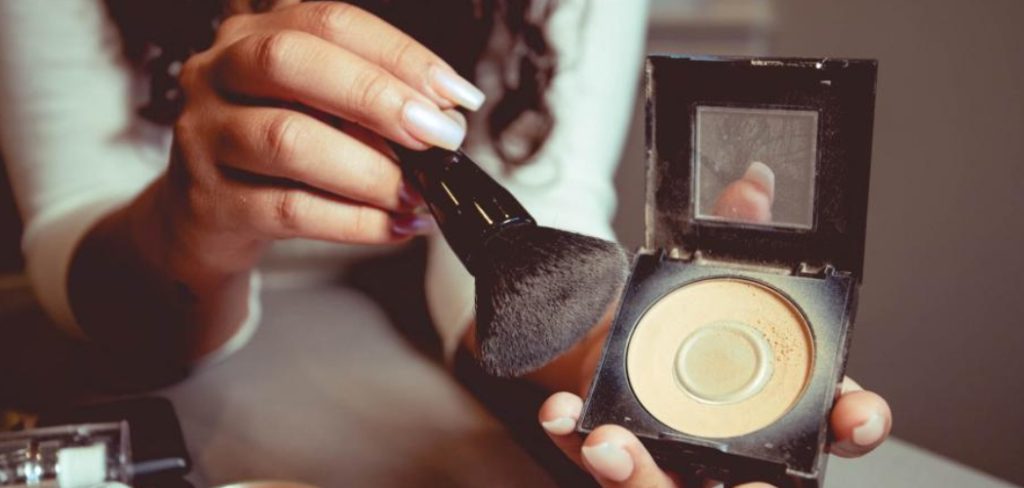
Powder foundation takes a lot of the blame for this. People assume the formula simply won’t hold, so they switch products again and again, chasing something that lasts.
But the formula is rarely the whole problem. More often, it comes down to how you prep, layer, and set your makeup.
Learning how to make powder foundation last all day has less to do with the compact and more to do with the routine around it. This guide walks through why powder fades, how to build a base that grips, and a step-by-step method that keeps your finish fresh well past lunch. A few tweaks, and you may stop reaching for that mirror with a wince.
Why Powder Foundation Tends to Fade
Before fixing the problem, it helps to understand it. Powder doesn’t just vanish on its own.
Something is actively working against it through the day, and it’s usually one of a few familiar culprits.
Oil and Sweat Breaking Down Coverage
Your skin produces oil all day, whether you notice it or not. That sebum, plus a bit of perspiration, gradually loosens powder and lets it slide.
You’ll see it worst across the forehead, nose, and chin. Those areas run oiliest, so they’re where coverage wears thin first and fastest.
Skipping a Proper Base
Powder needs something to hold onto. Applied straight onto bare or underprepped skin, it has nothing to grip.
So it fades far sooner than it should. That’s not the powder failing; it’s the missing foundation of primer and prep that would have anchored it.
Environmental Factors That Speed Fading
Then there’s everything outside your control. Heat, humidity, and the constant friction of touching your face all chip away at coverage.
A humid afternoon can undo a flawless morning in an hour. Add in phone screens pressed to cheeks and hands brushing the jaw, and the wear adds up quickly.
Prepping Your Skin for Long-Lasting Wear
Here’s the part people skip, and it’s honestly where longevity is won or lost. Great wear time starts well before the powder goes on.
Prep gives your foundation a fighting chance. Neglect it, and no product will save you.
Cleansing and Balancing the Skin
Start clean. A freshly washed face removes the excess oil and leftover product that would otherwise loosen your powder.
Balanced skin gives you a fresh, stable surface. Think of it as clearing the ground before you build anything on top.
Choosing the Right Moisturizer
Moisturizer matters more than you’d guess. A lightweight, well-matched one hydrates without leaving a slippery film.
That film is sneaky. Too rich a cream, and your powder slides around on it rather than settling in, cutting your wear time short.
Letting Skincare Fully Absorb
Patience earns its keep here. Give your skincare a few minutes to sink in before any makeup touches your face.
Rush it, and powder meets damp product and starts to pill or shift. Wait it out, and everything sits evenly. A short pause saves a lot of grief later.
Building the Perfect Base for Powder Foundation
Prep sets the stage. The base is what actually locks powder in for the hours ahead.
Get these layers right, and your foundation clings instead of drifting.
Using a Grip or Mattifying Primer
A primer built for longevity does quiet, important work. It creates a slightly tacky, oil-controlling surface that helps powder stick.
Focus it on the areas that fade first. A little grip across the T-zone can add hours to how long your coverage holds.
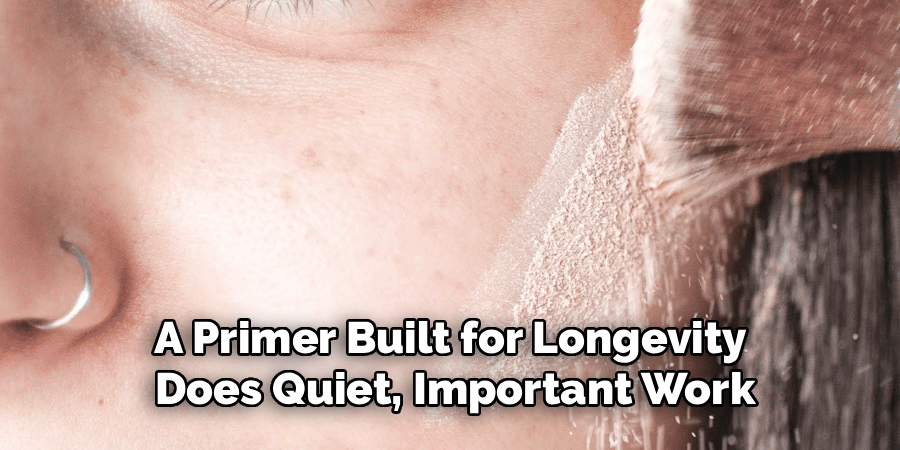
Setting Skincare With a Light Powder First
Here’s a trick people overlook. A whisper of translucent powder over your primer creates a dry base before foundation goes on.
That way your powder foundation isn’t fighting against fresh oils underneath. It’s a small buffer, and it makes a real difference by afternoon.
Matching Your Base to Your Skin Type
One base doesn’t suit everyone. Oily, dry, and combination skin each want slightly different choices.
Oily skin leans on mattifying grip. Dry skin needs hydration underneath so powder doesn’t cling to flakes. Combination skin, naturally, asks you to do a bit of both.
Tools You Need Before You Begin
Your tools shape the finish more than most people realize. The right brush or sponge can stretch your wear time on its own.
A small, clean set does most of the work.
The Fluffy Brush for Buildable Layers
A soft, fluffy brush lays powder down in thin, even veils. That light touch is exactly what long wear needs.
Dense brushes tend to pack on too much at once, which cakes and slides sooner. When in doubt, reach for something soft and buffing.
The Damp Sponge for Pressing It In
A lightly damp sponge presses powder into the skin rather than dragging it across. Pressed powder settles more firmly and lasts longer.
It’s especially handy over spots that see a lot of movement. Around the nose, say, where brushed-on powder tends to lift.
Keeping Your Tools Clean
Clean tools apply powder evenly, plain and simple. Buildup on a brush leads to patchy coverage that fades unevenly.
There’s a skin side to it, too. A grimy brush can nudge sensitive skin toward irritation, which undoes all your careful prep.
Step-by-Step Guide on How to Make Powder Foundation Last All Day
This is the part that matters most, so take it slowly the first time through. Every application after this one gets quicker and more instinctive. None of it is complicated, promise.
Step 1: Cleanse and Prep the Skin
Start with a clean, freshly moisturized face suited to your skin type. This balanced base is the single biggest factor in how long your powder lasts.
Clean, hydrated skin gives powder something stable to grip. Let your moisturizer absorb fully before moving on, or things may pill and break down early.
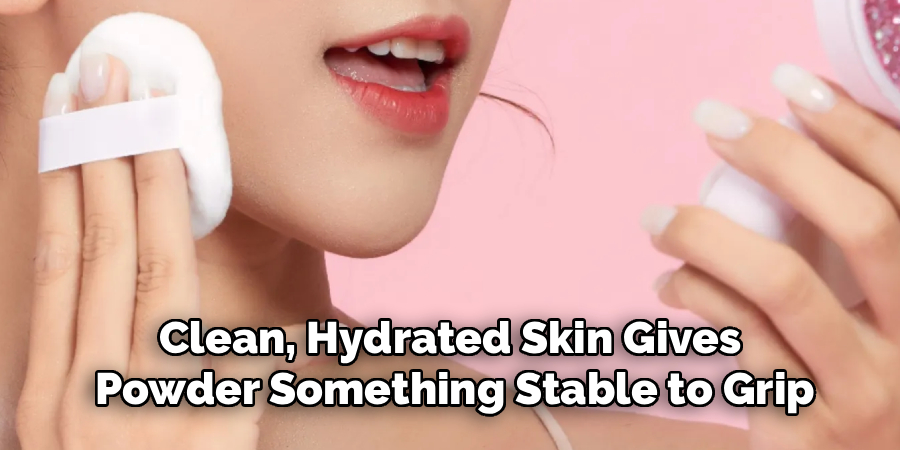
Step 2: Apply a Long-Wear Primer
Smooth on a thin layer of gripping or mattifying primer across the face. The right primer creates a tacky, oil-controlling surface that holds powder for hours instead of an afternoon.
Focus a little extra on the oil-prone T-zone. Keep the layer light, though, so it grips the powder without feeling heavy or sliding around as the day wears on.
Step 3: Set the Base Before Foundation
Dust a light layer of translucent setting powder over the primer, especially on oily areas. This builds a dry, stable surface so your foundation isn’t sitting against fresh oils.
Keep a light hand to keep the finish natural. This step gets skipped constantly, yet that thin buffer dramatically extends how long your powder foundation stays put.
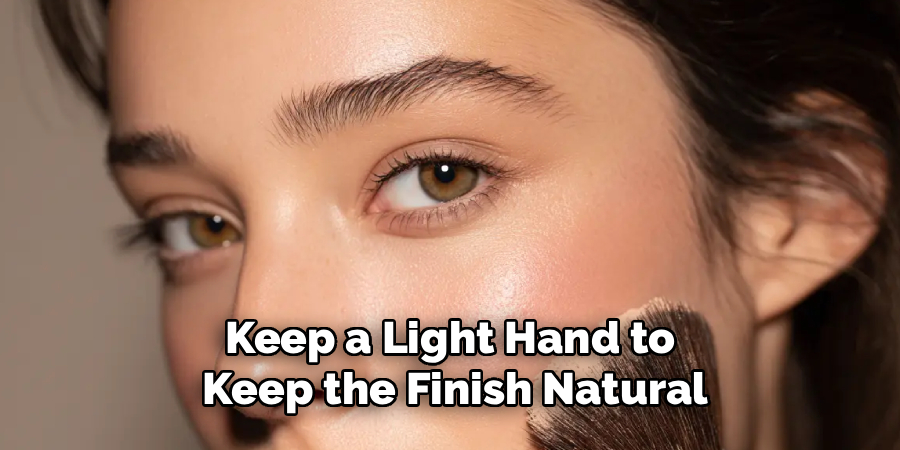
Step 4: Apply Powder Foundation in Thin Layers
Buff the foundation on in thin, buildable layers using a fluffy brush or sponge. Lighter layers wear more evenly and hold up better than one heavy pass.
That single heavy pass is what cakes and slides. So build coverage gradually, only where you need it, pressing rather than dragging as you go.
Step 5: Lock It In With a Setting Spray
A fine mist of long-wear setting spray fuses your layers together and seals the finish. It’s the difference between powder sitting on top of skin and melding into it.
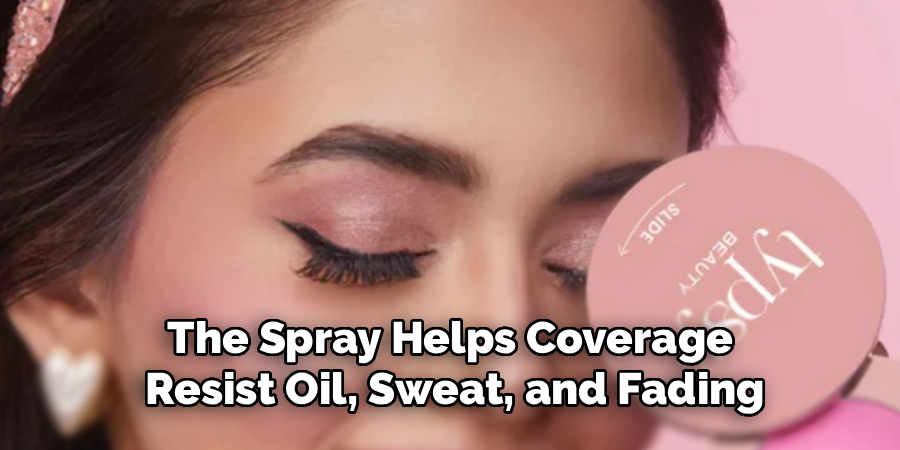
The spray helps coverage resist oil, sweat, and fading over the hours ahead. Let it dry fully before touching your face, so you don’t disturb what you just set.
Step 6: Blot and Touch Up Strategically
As the day goes on, blot away excess oil with blotting paper rather than piling on more powder. Removing shine first is what keeps buildup from forming.
Then, if you need it, add a light dusting only where the coverage looks tired. A gentle blot followed by a whisper of powder refreshes the finish without turning it cakey.
Locking In Coverage That Goes the Distance
Getting the foundation on is half the job. Keeping it fresh is where longevity is truly tested, over the hours that follow.
A few smart habits carry your work through to the evening.
The Role of Setting Spray
That final mist does more than sit pretty. It seals every layer together and adds a shield against the oil, sweat, and friction that wear coverage down.
Hold the bottle at arm’s length and mist evenly. You’re after a light veil, not a soaking, so a couple of gentle passes will do.
Smart Midday Touch-Ups
By afternoon, the instinct is to attack shine with a fresh layer of powder. That almost always looks heavier than you want.
Instead, blot first, then add a whisper of powder only where it’s needed. This keeps the coverage looking natural rather than piled on and obvious.
Controlling Shine Throughout the Day
Managing oil at the source is your strongest tool. Blotting papers and a light touch of powder stop sebum from breaking down the finish.
Layering over shine just traps it underneath. Lift the oil away first, and your coverage stays put far longer.
Common Mistakes to Avoid
Small slip-ups happen to nearly everyone, so don’t be discouraged. Recognizing the usual ones simply helps you sidestep them faster.
Most wear-time problems trace back to one of these three habits.
Skipping Primer or a Setting Base
Applying powder straight onto skincare gives it nothing to grip. Without that primer and base, the finish fades far faster than it should.
It feels like an optional step you can rush past. It’s actually the step that decides whether your morning effort survives to lunch.
Applying Too Much Product at Once
Heavy layers cake, crease, and slide off sooner than thin ones. What felt like thorough coverage ends up looking thick and wearing badly.
A slow, buildable approach solves it almost entirely. Tap off excess before it hits your face, and you’ll rarely overdo it.
Piling On Powder Instead of Blotting
When shine shows up, the temptation is to bury it under more powder. That just traps the oil underneath and builds an uneven layer.
A simple blot fixes the real problem. Remove the shine first, then add a light touch of powder only if you truly need it.
Building a Routine That Keeps Coverage Fresh
Knowing all this helps only if it becomes a habit. A repeatable routine keeps your foundation looking flawless without much thought each morning.
The trick is keeping it simple enough that you’ll actually stick with it.
A Simple Daily Prep Ritual
A quick morning rhythm carries most of the weight. Cleanse, prime, set the base, then apply.
That short sequence gives your foundation the stable footing it needs to last from morning to night. Keep it streamlined, and it becomes second nature within a week or two.
Adjusting for Weather and Activity
Your routine shouldn’t stay rigid year-round. Humid days and busy plans call for extra oil control, plain and simple.
So adapt your setting and touch-ups to the conditions. A hot afternoon on your feet may need more frequent blotting than a quiet day indoors.
Keeping a Touch-Up Kit Handy
A small kit makes midday maintenance effortless. Blotting papers, your compact, and a mini setting spray cover nearly every situation.
Tuck it into your bag and forget about it until you need it. Having the right tools on hand means you can refresh your finish wherever the day takes you.
Conclusion
Learning how to make powder foundation last all day turns out to be simpler than that faded afternoon reflection makes it feel. Most of it comes down to smart prep, thin layers, and thoughtful setting.
There’s a quiet satisfaction in catching your reflection late in the day and seeing the same fresh, even finish you started with. No patchiness, no slipping, just the look you built this morning still holding strong.
The path stays the same each time. Balanced prep, a gripping primer, a set base, thin layers, a sealing spray, then mindful blotting rather than piling on more powder.
So try these steps today and treat each one as a small act of care for the finish you worked to get. Do it consistently, and all-day wear may stop feeling like luck and start feeling like the norm.

About the Author
Jane Hubbard is a passionate beauty expert with a wealth of experience in makeup, hair, and overall beauty techniques. After years of working as a hairdresser specialist, she followed her entrepreneurial spirit and started her own consultancy business.
Jane has always been driven by her desire to help others feel confident in their own skin, and she does this by sharing her knowledge, experiences, and practical beauty tips. Through her consultancy, she empowers individuals to embrace their unique beauty, offering tailored guidance that boosts both self-esteem and personal style.
Professional Focus
Specializes in makeup, hairstyling, and beauty consulting.
Provides personalized beauty advice, tips, and techniques to help individuals feel confident in their appearance.
Dedicated to staying up-to-date with the latest industry trends and developments.
Passionate about creating a comfortable and empowering experience for every client.
Education History
University of Craft and Design – Bachelor of Fine Arts (BFA) in Woodworking and Furniture Design
Woodworking Apprenticeships – Extensive hands-on training with skilled craftsmen to refine carpentry and furniture making techniques
Online Courses & Masterclasses – Continued education in advanced woodworking techniques, design principles, and specialized tools
Expertise:
Makeup artistry, hairstyling, and beauty consulting.
Personalized beauty techniques to enhance confidence and self-expression.
Educating clients on how to maintain their beauty routines at home.