

Eyelash mites sound alarming, and to be fair, they are unpleasant to think about. Still, their presence is not unusual. Tiny Demodex mites live in human hair follicles and oil glands, often without causing any obvious trouble. The problem tends to begin when their numbers increase enough to irritate the eyelid margins. That overgrowth may show up as itching, redness, swelling, or the gritty feeling that something is stuck in your eye when nothing is there.
If that sounds familiar, natural care may help in milder cases. Not always quickly, and not in every situation, but often enough to be worth trying with some caution. The basic idea is simple: reduce the debris and oil the mites feed on, calm the inflamed skin, and avoid making the eye area angrier than it already is. That last part matters. The skin around the eyes is thin, reactive, and easy to injure. In this guide on how to get rid of eyelash mites naturally, we’ll cover some techniques that can be used to address this common problem.
Causes and Risk Factors
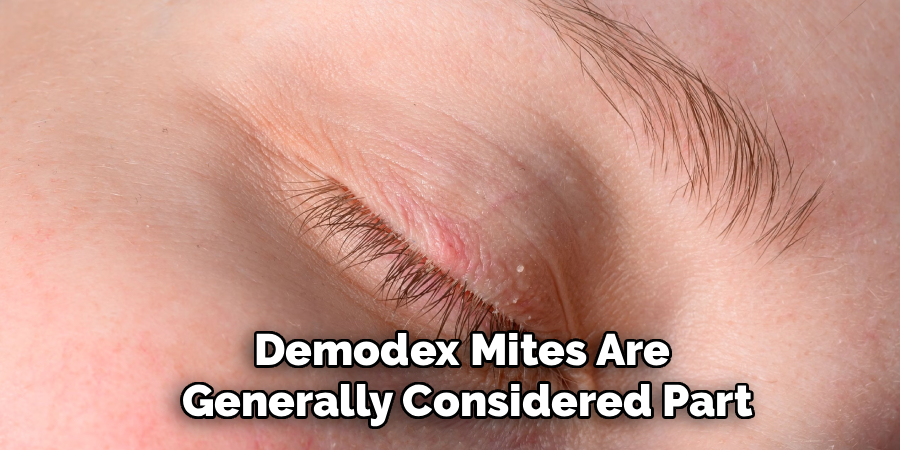
Demodex mites are generally considered part of the normal skin environment. Their existence alone does not mean anything is wrong. What seems to matter more is whether something shifts the balance and gives them a better setting in which to multiply.
One possible factor is a weakened immune response. Older adults may be more prone to symptomatic overgrowth, and people taking medications that suppress immune function might be as well. The connection is not mysterious: if the body is less able to regulate the skin’s microbial balance, mites may become harder to keep in check.
Daily habits can play a role, too. Going to bed with eye makeup, especially mascara or eyeliner, leaves behind oils, pigment, dead skin, and residue right where mites tend to gather. That does not guarantee a flare-up, but it may create a more favorable environment. Skin conditions such as rosacea or dermatitis also appear to be associated with Demodex-related irritation, perhaps because they affect oil production and skin barrier function around the face and eyelids.
Common Symptoms
People often notice the itching first. It tends to collect along the lash line and, in some cases, feels worse in the morning. Redness at the lid margins is common. So is mild swelling. Some people describe the sensation less as an itch and more as irritation—an almost sandy, scratchy discomfort that comes and goes throughout the day.
There may also be crusting or a dandruff-like buildup at the base of the lashes. Eye care professionals sometimes refer to this kind of debris when evaluating blepharitis, although it is not specific to mites alone. That distinction is worth keeping in mind. Not every flaky eyelid problem is caused by Demodex.
If irritation continues, the symptoms can broaden. Your eyes may water more than usual. Bright light may feel harsher. Vision can seem briefly blurry, particularly if debris or inflammation affects the tear film. In more stubborn cases, lashes may become fragile, fall out more easily, or grow in odd directions.
7 Simple Step-By-Step Guidelines on How to Get Rid of Eyelash Mites Naturally
Step 1: Use Tea Tree Oil Carefully and Only in Diluted Form
Tea tree oil is often mentioned in discussions of Demodex because compounds within it—especially terpinen-4-ol—appear to have activity against mites. That said, “natural” does not mean harmless. Undiluted tea tree oil near the eye can sting badly and may injure delicate skin.
If you want to try it, dilution is essential. Mix 2 drops of tea tree oil into about 1/2 teaspoon of a carrier oil, such as almond oil or olive oil, in a clean container. Then dip a sterile cotton swab into the mixture and gently trace it along the base of your closed eyelashes. Do not saturate the swab. It should be damp, not dripping. Leave it on briefly, then rinse the area well with lukewarm water.
Once a day is usually enough for a cautious trial. More is not necessarily better here. If you notice burning, worsening redness, or eye watering that does not settle, stop using it.
Step 2: Clean the Eyelids Gently, but Consistently
This is less glamorous than tea tree oil, but probably more important. Eyelid hygiene removes oil, skin flakes, and crust that can collect around the lashes. It may also make the eye area less hospitable to mites over time.
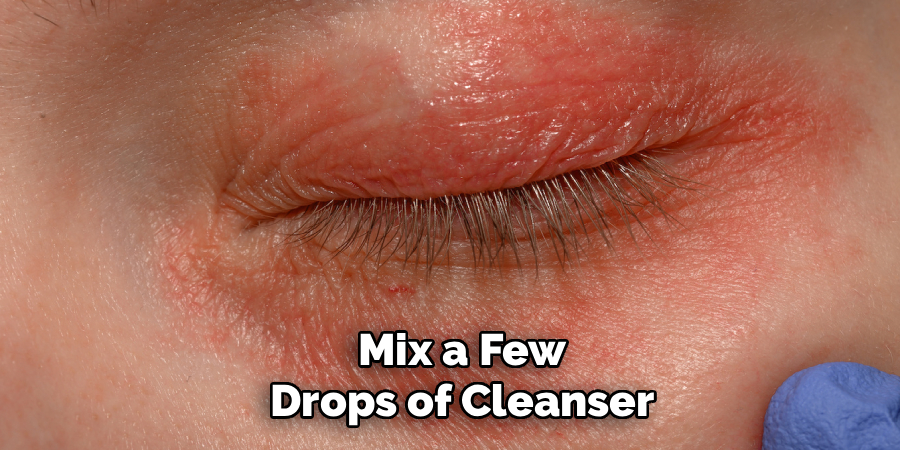
A mild, tear-free baby shampoo is often used for this purpose, though some people prefer commercial eyelid cleansers made specifically for blepharitis. Either way, the goal is not aggressive scrubbing. Quite the opposite. Mix a few drops of cleanser with warm water, then use clean fingertips or a soft cotton pad to massage the closed lids in small, light motions along the lash line.
Rinse thoroughly. Pat dry with a clean towel—one you are not using for the rest of your body or face, if possible. Twice daily is a reasonable routine when symptoms are active.
Step 3: Try Warm Compresses to Loosen Debris
Warm compresses will not “kill” mites outright in most home settings, but they can make the whole situation easier to manage. Heat softens the waxy buildup and hardened oils that collect at the eyelid margins. Once that material loosens, cleansing tends to work better.
Take a clean washcloth, soak it in comfortably warm water, and wring it out so it is damp rather than dripping. Lay it over your closed eyes for 10 to 15 minutes. If the cloth cools too quickly, re-warm it once or twice during the session.
The relief can be immediate. Not dramatic, maybe, but noticeable. Many people find that the itching eases a bit and the lids feel less heavy afterward. Used twice a day, warm compresses may help reduce crusting and improve comfort.
Step 4: Use Aloe Vera for Irritated Skin—With Care
When the eyelids are inflamed, the temptation is to throw every soothing product at them. That usually backfires. Aloe vera is one of the gentler options, provided it is pure and applied carefully.
Fresh aloe gel may help cool irritated skin and reduce some of the visible redness around the lash line. It also has a reputation for supporting minor skin healing, though the eye area is sensitive enough that caution matters more than enthusiasm. If you are using gel straight from the plant, avoid the yellow latex-like sap, which can irritate skin.
Apply a very thin layer with a clean cotton swab to the outer lash line only. Keep it out of the eye itself. Leave it on for about 15 minutes, then rinse with cool water. If it stings, wash it off immediately and do not try again.
Step 5: Use Castor Oil as a Supportive Step, Not a Cure-All
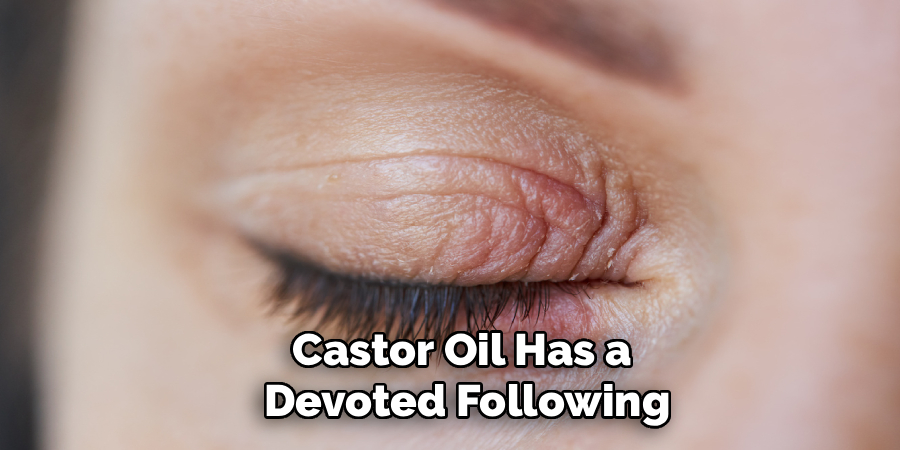
Castor oil has a devoted following, especially in beauty circles, but it is worth being realistic about what it may and may not do. It can moisturize dry lashes and may help protect hairs that have become brittle from ongoing irritation. It is less clear that it reliably eliminates mites on its own.
Still, as a supportive step, it may be useful. If your lashes feel fragile or sparse after repeated inflammation, a small amount of castor oil can act as a conditioning treatment. Use a clean mascara wand or sterile cotton swab, remove the excess, and brush a thin film onto the lash roots before bed.
Thin is the key word. Too much oil can migrate into the eye and cause blur or irritation. Wash it off in the morning with your regular gentle cleanser.
Step 6: Support the Skin from the Inside
Diet alone is unlikely to fix an eyelash mite overgrowth. That would be too simple. Even so, overall skin and immune health may influence how often irritation flares up and how well the eyelids recover.
A diet that includes leafy greens, berries, citrus fruit, nuts, seeds, and omega-3-rich foods such as salmon or walnuts may support the skin barrier and help modulate inflammation. Hydration matters too, though not in the exaggerated way wellness articles sometimes suggest. Drinking enough water will not make mites disappear, but chronically dry, stressed skin rarely behaves well.
If you already know you have rosacea, dermatitis, or another inflammatory skin condition, managing that underlying issue may be just as important as any home remedy applied to the lashes.
Step 7: Wash Bedding and Towels More Often Than Usual
If you are treating the eyelids but reusing the same pillowcase night after night, progress may be slower. Mites do not live indefinitely on fabric, but contaminated linens can still contribute to irritation or reinoculation in the short term.
Wash pillowcases, face towels, and bedsheets in hot water when possible, according to the care instructions on the fabric. Dry them thoroughly, ideally on a warm or hot setting if the material allows. During an active flare, changing pillowcases frequently—some people do it daily—may be helpful.
Use separate towels for the face, and do not share them. This is one of those boring measures that actually makes sense. Following these steps on how to get rid of eyelash mites naturally is crucial in preventing the spread of these mites to other parts of your face.
What to Avoid?
Eye makeup is best avoided while symptoms are active, especially mascara and eyeliner. These products can trap residue near the lash roots, and old makeup may carry bacteria or other irritants. Sharing cosmetics or makeup brushes is also a bad idea for obvious reasons.
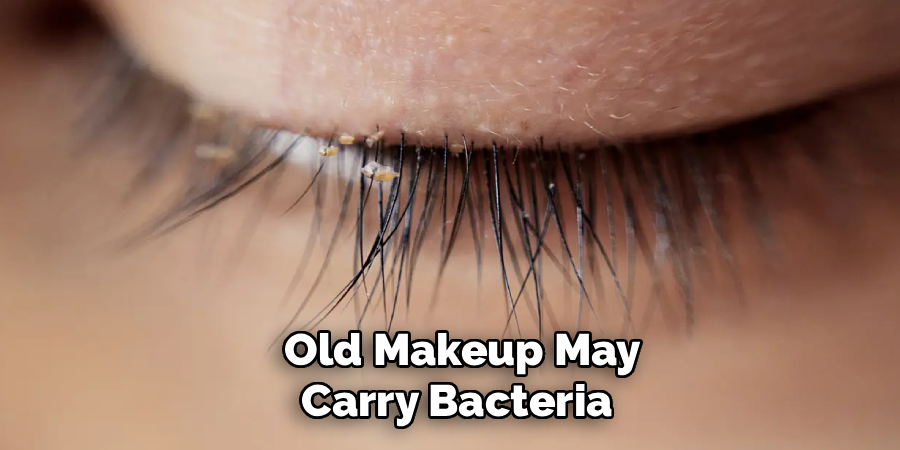
Try not to rub your eyes, even though the urge can be intense. Friction inflames the lids further and may introduce bacteria from your hands. Harsh facial cleansers, exfoliating acids, and undiluted essential oils should also stay far away from the eyelid area.
When to See a Doctor?
Home care has limits. If your symptoms continue after a few weeks of consistent eyelid hygiene, or if they worsen instead of improving, it is sensible to see an eye doctor or dermatologist. Persistent redness, crusting, and lash loss may point to Demodex blepharitis, but they can also overlap with allergies, bacterial blepharitis, eczema, dry eye disease, and other conditions.
Seek prompt medical care if you develop vision changes, sharp eye pain, marked light sensitivity, pus-like discharge, or significant swelling. Those signs go beyond a routine irritation problem. A clinician may prescribe targeted treatment, which can include medicated lid cleansers, anti-parasitic therapies, or treatment for another underlying cause.
Prevention Tips
Once the irritation settles, prevention mostly comes down to routine. Wash your face and eyelids regularly, especially if you wear makeup or sunscreen. Remove eye makeup thoroughly before bed. Replace mascara and eyeliner every three to six months, and sooner if they smell off or seem dried out.
It also helps to pay attention to the broader skin picture. If rosacea or dermatitis tends to flare around your face, treating that condition may lower the chance of repeat eyelid trouble. Stress management is not a magic fix, but chronic stress does seem to aggravate inflammatory skin issues in some people, so it is not irrelevant either.
Frequently Asked Questions
Q1: Can I Use Regular Soap to Wash Away Eyelash Mites?
Probably not a good idea. Regular soaps and many facial cleansers are too harsh for the eyelids and can sting badly if they get into the eyes. A diluted baby shampoo or a cleanser made for eyelid hygiene is usually a safer option. The aim is to remove oil and debris without stripping the skin raw.
Q2: How Long Does It Take to Get Rid of Eyelash Mites Naturally?
It often takes four to six weeks of steady care, sometimes longer. That may seem frustrating, but mites have a life cycle, and symptoms do not always disappear as soon as you begin treatment. Improvement tends to be gradual. If you stop the routine the moment the itching fades, the problem may return.
Q3: Are Eyelash Mites Contagious Between People?
They can be transferred through close contact or shared personal items, at least in theory and likely in practice. Shared mascara, towels, makeup brushes, or pillowcases are obvious risk points. Good hygiene lowers the chance of spreading them, even if it does not eliminate that possibility entirely.
Maintaining Long-Term Eyelid Health
Managing an eyelash mite overgrowth naturally usually comes down to patience, not miracle ingredients. Clean lids. Gentle routines. A bit of consistency. That is less exciting than dramatic before-and-after claims, but it is closer to the truth.
Once your eyes start feeling normal again, keep some of the habits that helped. Continue gentle lid cleansing if you are prone to buildup. Replace old cosmetics. Wash bedding regularly. And if the same symptoms keep returning, do not assume you just need a stronger home remedy. Sometimes, recurring eyelid irritation is your cue to get the diagnosis checked properly. Thanks for reading this guide on how to get rid of eyelash mites naturally.

About the Author
Jane Hubbard is a passionate beauty expert with a wealth of experience in makeup, hair, and overall beauty techniques. After years of working as a hairdresser specialist, she followed her entrepreneurial spirit and started her own consultancy business.
Jane has always been driven by her desire to help others feel confident in their own skin, and she does this by sharing her knowledge, experiences, and practical beauty tips. Through her consultancy, she empowers individuals to embrace their unique beauty, offering tailored guidance that boosts both self-esteem and personal style.
Professional Focus
Specializes in makeup, hairstyling, and beauty consulting.
Provides personalized beauty advice, tips, and techniques to help individuals feel confident in their appearance.
Dedicated to staying up-to-date with the latest industry trends and developments.
Passionate about creating a comfortable and empowering experience for every client.
Education History
University of Craft and Design – Bachelor of Fine Arts (BFA) in Woodworking and Furniture Design
Woodworking Apprenticeships – Extensive hands-on training with skilled craftsmen to refine carpentry and furniture making techniques
Online Courses & Masterclasses – Continued education in advanced woodworking techniques, design principles, and specialized tools
Expertise:
Makeup artistry, hairstyling, and beauty consulting.
Personalized beauty techniques to enhance confidence and self-expression.
Educating clients on how to maintain their beauty routines at home.