

Perfume stains can be removed using common household items—rubbing alcohol, dish soap, white vinegar, and baking soda. Act fast, use cold water, and always check that the stain is gone before you dry. For set-in stains, an enzyme-based remover and repeat treatments usually do the trick.
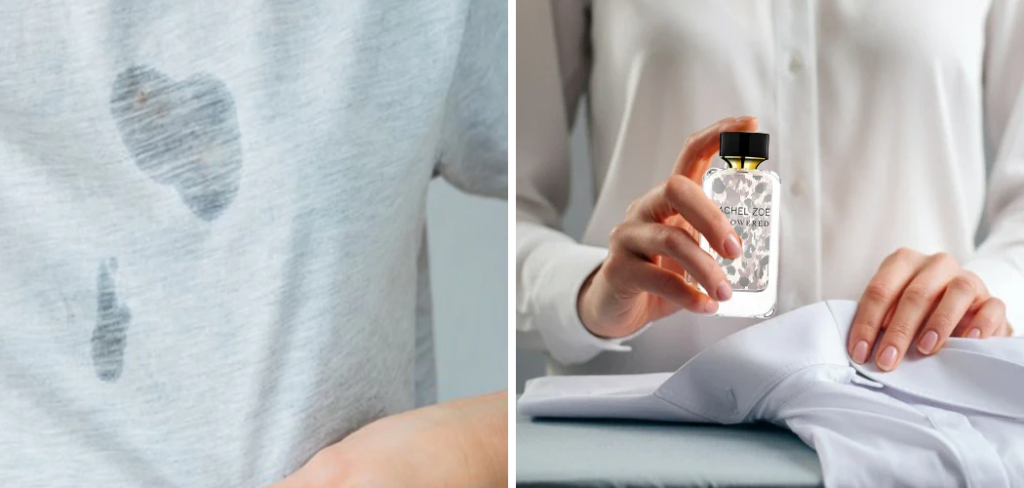
Perfume stains are one of those quiet wardrobe disasters. One careless spritz too close to your blouse, and you’re left staring at a faint, yellowish patch that stubbornly survives every wash cycle. The frustrating part? Regular laundering often isn’t enough—and in some cases, it makes things worse.
Here’s the thing: perfume stains behave differently from most fabric stains. They’re a cocktail of alcohol, oils, and chemical fixatives, and each component responds to different treatments. Knowing what you’re dealing with makes the removal process far more predictable. This guide walks you through eight steps on how to remove perfume stains from fabric that work on most fabrics and stain ages, from fresh spills to those that have already made their way through the dryer.
What You’ll Need Before You Start
Before you begin the process of removing perfume stains from fabric, make sure you have the following items:
- Clean white cloths or paper towels
- Rubbing alcohol
- Dishwashing liquid or laundry detergent
- White vinegar
- Baking soda
- Enzyme-based stain remover (optional)
- Stain pretreatment spray (optional)
- Washing machine and dryer
8 Steps on How to Remove Perfume Stains From Fabric
Step 1: Act Quickly and Blot—Don’t Rub
Speed matters here. The moment you spot the stain, grab a clean white cloth and blot the area firmly. Rubbing is the instinctive move, but it pushes the perfume deeper into the fabric fibers, which only creates a bigger problem. Blotting lifts the liquid up and out.
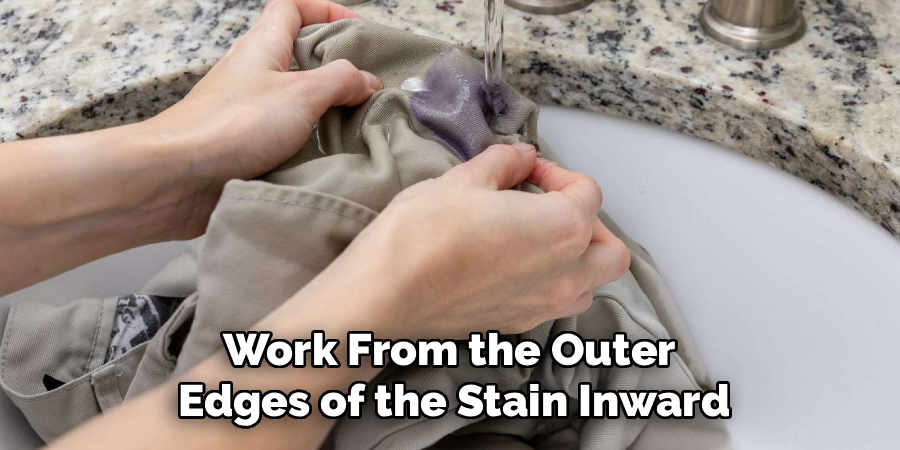
Work from the outer edges of the stain inward. This stops it from spreading sideways while you work.
Step 2: Rinse with Cold Water
Hold the fabric under cold running water, directing the flow through the back of the stained area. The idea is to push the stain out through the front of the fabric, not drive it further in. Hot or even warm water at this stage may cause the oils and pigments to bond with the fibers, so cold only, at least until the stain is treated.
Step 3: Apply Rubbing Alcohol
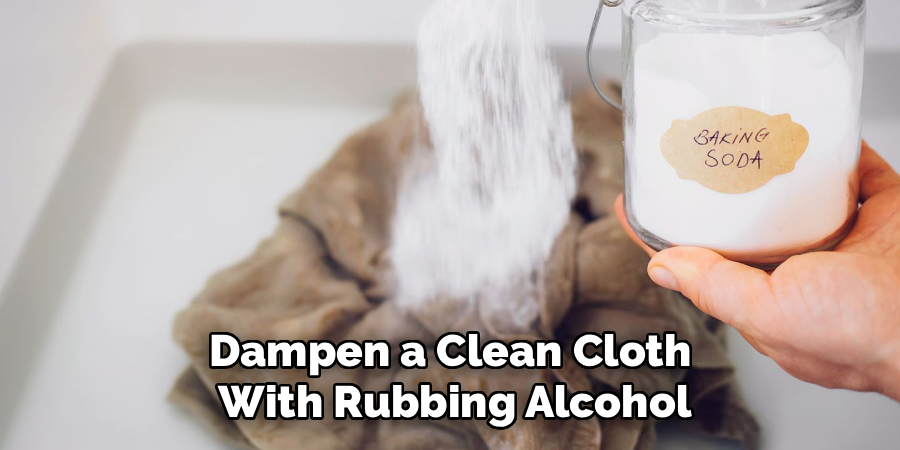
Since most perfumes are alcohol-based, isopropyl alcohol works as a solvent that targets the stain at a chemical level. Dampen a clean cloth with rubbing alcohol and dab it gently onto the stain. Let it sit for two to three minutes, then blot it away.
This step tends to work well on synthetic fabrics like polyester and nylon. That said, test a small, hidden part of the garment first—some dyes and finishes react poorly to alcohol. Silk wearers should skip this step entirely and move straight to Step 4.
Step 4: Work In Dish Soap or Laundry Detergent
Apply a small amount of dish soap or liquid laundry detergent directly to the stain. Using your fingertips or the soft toothbrush, work it into the fabric using gentle circular motions. Dish soap, in particular, is formulated to cut through grease and oil—exactly the kind of residue perfume leaves behind.
Leave the soap on for at least five minutes. For older stains, closer to ten minutes may be necessary before rinsing.
Step 5: Try White Vinegar for Stubborn Marks
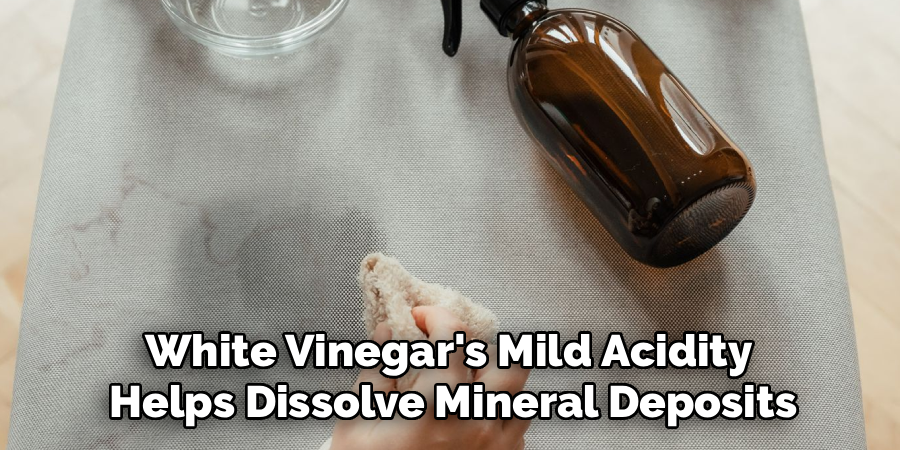
If the stain persists after the soap treatment, white vinegar is worth trying next. Mix equal parts vinegar and cold water, apply it to the stain with a clean cloth, and let it soak for around five minutes before blotting away.
White vinegar’s mild acidity helps dissolve mineral deposits and dye residues that soap alone may miss. An added benefit: it neutralizes the perfume scent itself, which can otherwise linger in the fabric.
Step 6: Sprinkle on Baking Soda
Once you’ve treated the stain with detergent or vinegar, apply a light layer of baking soda over the area and press it gently into the fabric. Leave it for 15 to 20 minutes. Baking soda draws out residual oils and absorbs odors—useful when dealing with particularly strong fragrances.
Brush or shake off the baking soda before moving to the next step.
Step 7: Wash the Garment as Normal
Wash the garment according to its care label, using a good-quality laundry detergent at the recommended temperature. If the stain was particularly stubborn, adding a splash of white vinegar to the rinse cycle can help clear any remaining residue.
For silk, wool, or lace, hand washing with a gentle detergent in lukewarm water is the safer approach. Avoid wringing or twisting—these fabrics lose their shape quickly under pressure.
Step 8: Inspect Before You Dry
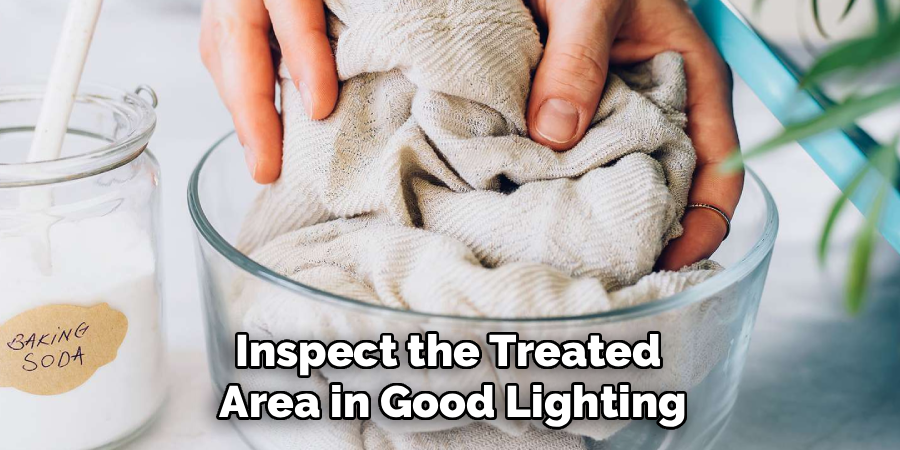
This step tends to get skipped, and it’s the one that causes the most regret. Before the garment goes anywhere near a dryer, inspect the treated area in good lighting. If there’s any trace of the stain left, repeat the pre-treatment process.
Dryer heat permanently bonds residual stain to fabric fibers. Once that happens, the stain is essentially there to stay. Air drying is always the gentler option and gives you a chance to catch anything you might have missed.
Following these steps on how to remove perfume stains from fabric will help keep your clothes looking and smelling fresh.
Common Mistakes That Make Stains Worse
When dealing with stains, avoiding certain common mistakes can make a big difference in your results. One frequent error is rubbing the stain aggressively, which can push the substance deeper into the fabric fibers and spread it further. Another mistake is applying hot water to protein-based stains, such as blood or sweat, as heat can cause the stain to set permanently.
Additionally, neglecting to test cleaning solutions on a hidden area of the fabric can result in discoloration or damage. Using improper cleaning products, like bleach on delicate or colored fabrics, can also worsen the problem. Lastly, letting the stain sit too long without treatment allows it to bond with the material, making it much harder to remove. Taking the right approach early on is key to successfully tackling tough stains.
How Much Does Stain Removal Cost?
For most perfume stains, the answer is almost nothing—assuming you have the basics at home already. Rubbing alcohol runs between $2 and $5 a bottle and goes a long way. White vinegar and baking soda are typically under $3 each at any grocery store. Dish soap is a pantry staple for most households.
If you prefer a commercial enzyme-based stain remover, options like Zout, Carbona Stain Devils, or OxiClean Laundry Stain Remover generally range from $5 to $15. These are worth keeping on hand for set-in stains that household staples alone can’t shift.
Professional dry cleaning is an option for heavily stained or particularly delicate garments, usually costing $10 to $30 per item. For most perfume stains, though, it shouldn’t be necessary if you treat the fabric promptly.
Frequently Asked Questions
Can Old or Dried Perfume Stains Still Be Removed?
Yes, though they take more effort than fresh stains. Start by soaking the stained area in a mixture of white vinegar and cold water for 15 to 20 minutes to loosen the residue. Follow with an enzyme-based stain remover applied according to the product instructions. Allow adequate soaking time before washing as normal. You may need to repeat the process once or twice for stains that have been sitting for a while.
Is It Safe to Remove Perfume Stains from Silk or Delicate Fabrics?
Yes, but the approach needs to be gentler. Skip rubbing alcohol and any vigorous scrubbing. Instead, dilute a small amount of mild dish soap in cold water and apply it with soft dabbing motions using a clean cloth. Rinse carefully and air dry flat to help the garment keep its shape. If you’re uncertain, a professional dry cleaner who specializes in delicate textiles is the most reliable option.
Why Do Some Perfume Stains Turn Yellow Over Time?
The yellowing comes from a chemical reaction between the alcohol, oils, and fixatives in the fragrance and the fabric fibers themselves. Heat exposure and repeated washing can deepen the discoloration—which is one more reason to treat these stains before they go through a wash cycle. Significantly yellowed stains may respond to an oxygen-based bleach treatment, though you should always check the care label first to confirm the fabric can handle it.
Does the Type of Perfume Affect How Difficult the Stain Is to Remove?
It can. Oil-based fragrances and parfums tend to leave heavier, more stubborn residue than lighter eau de toilette formulas. Darker, heavily pigmented fragrances may also leave a visible color stain in addition to the oily residue. The same removal steps apply, but expect to spend more time on pre-treatment and potentially repeat the process.
Keep Your Wardrobe Looking Its Best
Perfume stains are fixable—most of the time, completely. The process isn’t complicated, but the order of steps matters, and the temptation to skip the final inspection before drying is real. Resist it.
Keep a basic stain-removal kit somewhere accessible—rubbing alcohol, white vinegar, dish soap, baking soda—and you’ll be prepared not just for perfume stains but for a long list of other common fabric mishaps. A small amount of preparation now saves a lot of frustration later. Thanks for reading this guide on how to remove perfume stains from fabric.

About the Author
Jane Hubbard is a passionate beauty expert with a wealth of experience in makeup, hair, and overall beauty techniques. After years of working as a hairdresser specialist, she followed her entrepreneurial spirit and started her own consultancy business.
Jane has always been driven by her desire to help others feel confident in their own skin, and she does this by sharing her knowledge, experiences, and practical beauty tips. Through her consultancy, she empowers individuals to embrace their unique beauty, offering tailored guidance that boosts both self-esteem and personal style.
Professional Focus
Specializes in makeup, hairstyling, and beauty consulting.
Provides personalized beauty advice, tips, and techniques to help individuals feel confident in their appearance.
Dedicated to staying up-to-date with the latest industry trends and developments.
Passionate about creating a comfortable and empowering experience for every client.
Education History
University of Craft and Design – Bachelor of Fine Arts (BFA) in Woodworking and Furniture Design
Woodworking Apprenticeships – Extensive hands-on training with skilled craftsmen to refine carpentry and furniture making techniques
Online Courses & Masterclasses – Continued education in advanced woodworking techniques, design principles, and specialized tools
Expertise:
Makeup artistry, hairstyling, and beauty consulting.
Personalized beauty techniques to enhance confidence and self-expression.
Educating clients on how to maintain their beauty routines at home.