

Picking the wrong foundation can leave you looking washed out, orange, or masked, and that is frustrating when you just want smooth, natural skin. The good news is that matching your face to the right e.l.f. shade is far simpler than it looks once you understand a few basics. Many people grab a random bottle, cross their fingers, and hope for the best, but you deserve better than guesswork.
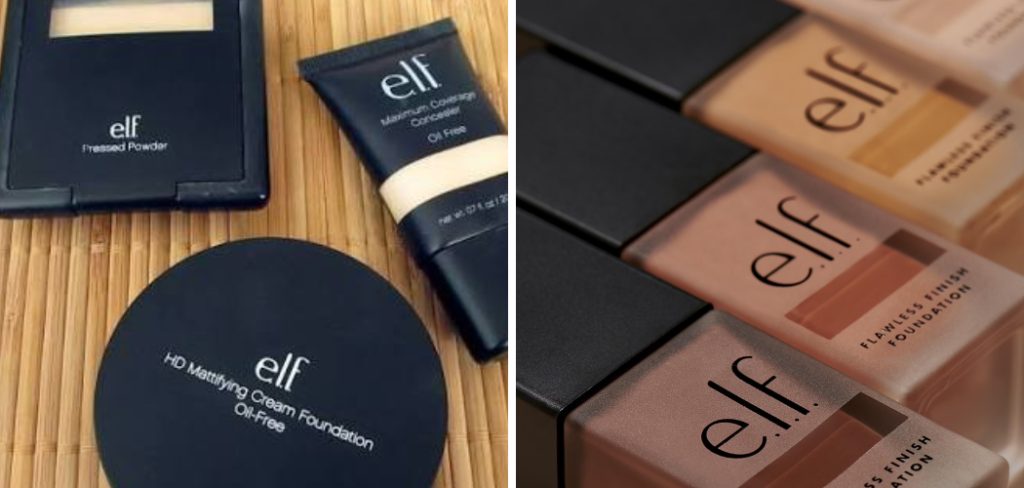
Learning how to know my foundation shade elf comes down to understanding your skin’s depth, undertone, and how products behave once they settle. e.l.f. offers an affordable, wide range of shades, so there is almost certainly a match waiting for you. In this beginner-friendly guide, we will walk through clear, practical steps that anyone can follow, no matter your skill level. You will learn how to read your undertone, test shades properly, and avoid the common mistakes that trip up so many shoppers. By the end, you will feel confident choosing a color that blends seamlessly into your skin and looks like you, only better.
Why Finding Your e.l.f. Foundation Shade Matters
The right shade does more than cover blemishes, it makes your whole face look balanced and healthy. When your foundation matches perfectly, it disappears into your skin, giving you a natural finish that photographs beautifully and lasts all day. A mismatch, on the other hand, creates that dreaded line along your jaw or a chalky, ashy cast that no amount of blending can fix.
Getting your match right also saves money and reduces waste, since you stop buying bottles you never finish. e.l.f. products are budget-friendly, but nobody enjoys a drawer full of near-misses. Beyond the practical benefits, wearing the correct shade boosts your confidence. You feel put-together, comfortable, and ready to face your day. Mastering this skill empowers you to shop smarter, both online and in stores.
Step-by-Step Guide To How to Know My Foundation Shade Elf
Step 1: Identify Your Skin Depth
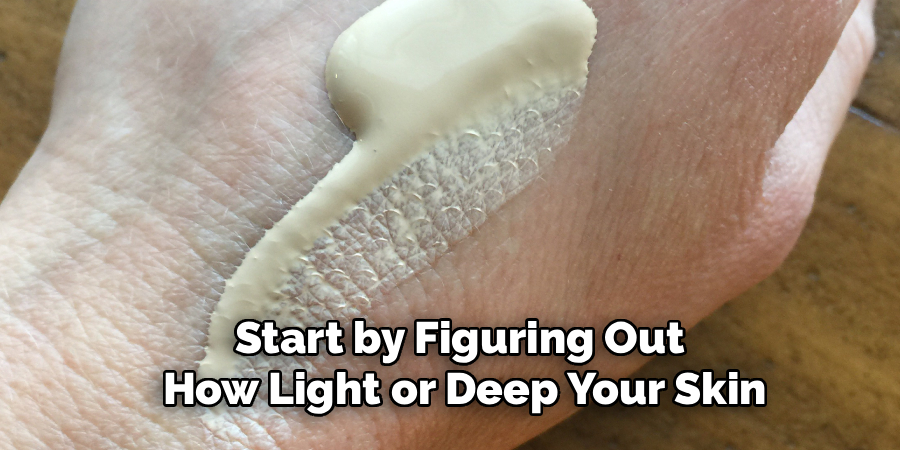
Start by figuring out how light or deep your skin is overall. Stand in natural daylight near a window and look at your bare, clean face in a mirror. Skin depth usually falls into ranges like fair, light, medium, tan, and deep. Compare your face to the e.l.f. shade chart, which groups colors along this same scale. Do not rely on how tanned you look in summer, since your depth shifts with sun exposure. Instead, choose a range that reflects your skin most of the year. Knowing your depth narrows dozens of options down to just a handful, making the rest of the process far easier.
Step 2: Determine Your Undertone
Undertone is the subtle hue beneath your skin’s surface, and it stays the same even when your depth changes. There are three main undertones to consider, warm, cool, and neutral. Warm skin leans golden, peachy, or yellow, while cool skin has pink, red, or blue hints. Neutral sits somewhere in between. A quick trick is to check the veins on your inner wrist in natural light. Green-looking veins usually signal warm undertones, blue or purple veins point to cool, and a mix suggests neutral. Undertone matters just as much as depth, because a shade with the wrong undertone will clash no matter how well the lightness matches.
Step 3: Use The e.l.f. Shade Finder Tool
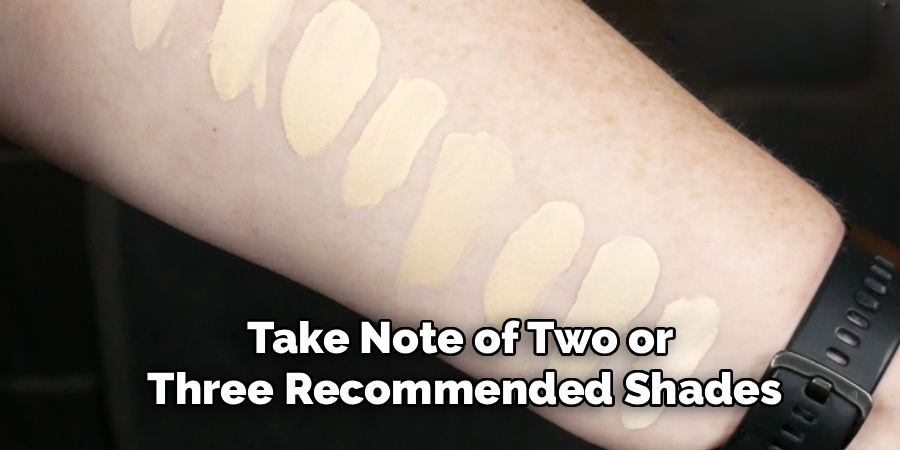
e.l.f. offers an online shade finder that guides you through simple questions about your skin, and it is one of the easiest ways to figure out how to know my foundation shade elf without leaving home. You answer a few prompts about your depth, undertone, and current products you already love, then the tool suggests matches from their range. Treat these results as a strong starting point rather than a final answer. The tool works best when you pair it with your own observations from the earlier steps. Take note of two or three recommended shades so you have backups ready in case your first pick needs adjusting.
Step 4: Match Against Products You Already Own
If you already have a foundation that matches you well, use it as a reference. Check the shade name and undertone description on your current bottle, then look for the e.l.f. equivalent using comparison charts many beauty fans share online. Brands often label shades differently, so a “natural beige” in one line may match a “warm light” in another. This shortcut works wonders because you skip much of the guessing. Bring your trusted product with you when shopping, or keep photos of the label handy. Cross-referencing what already works for you is one of the most reliable ways to land a great match quickly.
Step 5: Test Shades On Your Jawline
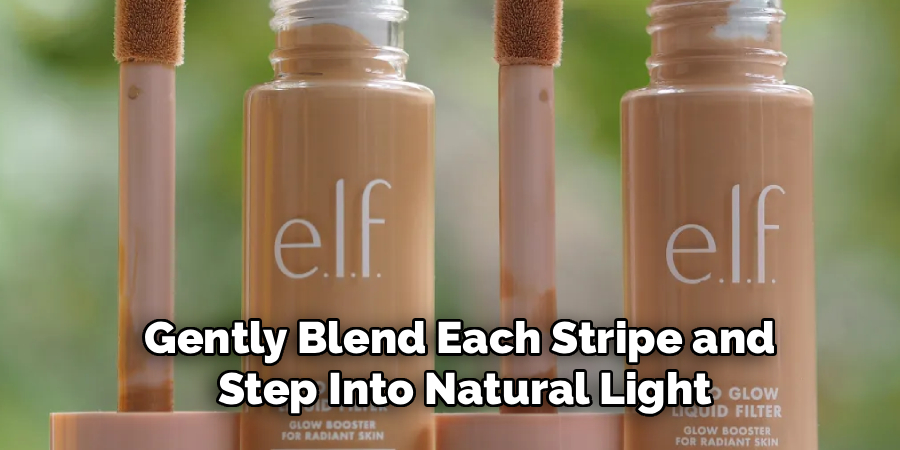
Never test foundation on your hand or wrist, because that skin rarely matches your face. Instead, swipe a small stripe of two or three likely shades along your jawline, where your face meets your neck. This spot reveals whether a color blends seamlessly or stands out. Gently blend each stripe and step into natural light to judge the results. The shade that vanishes into your skin, with no obvious line, is your winner. Learning how to know my foundation shade elf really clicks at this stage, since seeing colors on your actual skin removes almost all the guesswork that catches beginners off guard.
Step 6: Let It Oxidize Before Deciding
Foundation often changes color slightly after it sits on your skin, a process called oxidation. Your skin’s natural oils react with the formula, and many shades turn a touch darker or warmer within fifteen to thirty minutes. This is why a color that looks perfect the second you apply it can surprise you later. After swatching along your jaw, resist the urge to decide right away. Wait, go about a quick task, then check the swatches again in good lighting. Choosing based on the oxidized result, rather than the fresh swipe, saves you from ending up with a shade that drifts too dark or orange as the day goes on.
Step 7: Adjust For Season And Lighting
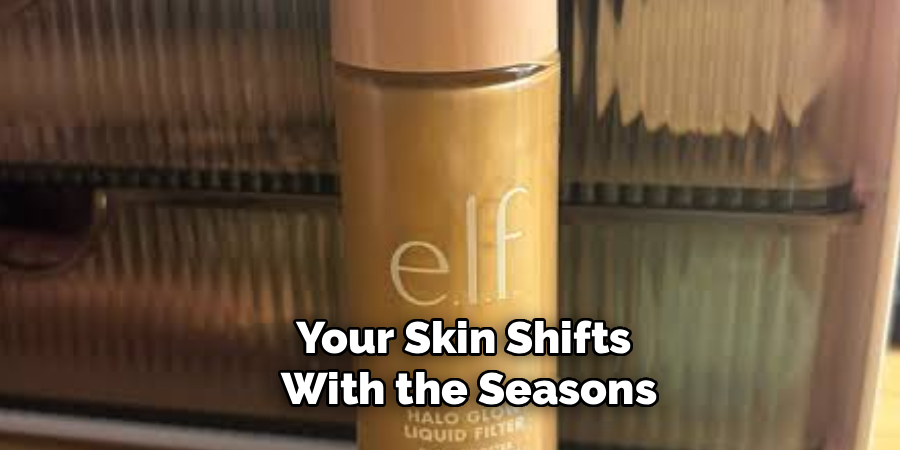
Your skin shifts with the seasons, growing lighter in winter and deeper in summer, so many people keep two shades on hand. If you tan easily, consider buying one match for your lighter months and one for your darker months, then mixing them during transitions. Lighting also affects how your foundation reads, since harsh store bulbs distort colors badly. Always confirm your choice in natural daylight before committing. When mixing two shades, blend a small amount on the back of your hand first to find the perfect middle ground. This flexible approach keeps your face looking natural and even all year, no matter how your skin changes.
Frequently Asked Questions
How Do I Find My Undertone Quickly?
Look at the veins on your inner wrist in natural light. Green-tinted veins usually mean you have warm undertones, while blue or purple veins suggest cool undertones. If you cannot tell or see a mix of both, you likely have a neutral undertone. Another quick test is checking whether gold or silver jewelry flatters you more, since gold tends to suit warm skin and silver suits cool skin.
Does e.l.f. Foundation Run Light Or Dark?
Many e.l.f. foundations tend to oxidize slightly and can appear a touch darker or warmer after wearing for a while. Because of this, some shoppers choose one shade lighter than they first expect, especially with formulas like the Camo range. The safest approach is to swatch, let the color settle for fifteen to thirty minutes, then judge the true result before you commit to buying a full bottle.
Can I Use The Online Shade Finder Alone?
The online shade finder is a helpful starting point, but it works best alongside your own testing. It cannot see your skin in real lighting or account for oxidation, so treat its suggestions as strong candidates rather than final answers. Note the top two or three matches it gives you, then confirm your choice by swatching along your jawline in natural daylight before making a final decision.
What If I’m Between Two Shades?
Being between two shades is common, and it gives you a handy option. You can buy both and mix them to create your ideal match, adjusting the ratio as your skin changes through the seasons. If you prefer just one, lean toward the lighter shade, since foundation often deepens as it oxidizes. Mixing also helps you extend the life of each bottle while keeping your face perfectly even.
How Often Should I Recheck My Shade?
Recheck your shade whenever the seasons change, since your skin naturally lightens in winter and deepens in summer. It is also smart to reassess if you move to a new climate, spend more time outdoors, or notice your usual match suddenly looking off. Many people keep two shades year-round and blend them during transitional months, giving them a flexible, natural finish no matter how their skin shifts.
Conclusion
Finding your perfect match does not have to feel like a gamble. Once you understand your skin’s depth and undertone, everything else falls into place. Start by identifying your range, pin down your undertone, and lean on tools like the e.l.f. shade finder for solid starting suggestions. From there, cross-reference products you already love, swatch along your jawline, and always let the color oxidize before you decide. Adjusting for season and lighting keeps your finish looking flawless all year long.
Now that you understand how to know my foundation shade elf, you have the confidence to shop smarter and skip the endless trial and error. Put these friendly, expert-backed steps into action the next time you browse, whether online or in the aisle. Your skin deserves a shade that truly disappears into a natural, healthy glow, so grab your mirror, head toward some daylight, and find your ideal match today. You have got this, and your best foundation is waiting.

About the Author
Jane Hubbard is a passionate beauty expert with a wealth of experience in makeup, hair, and overall beauty techniques. After years of working as a hairdresser specialist, she followed her entrepreneurial spirit and started her own consultancy business.
Jane has always been driven by her desire to help others feel confident in their own skin, and she does this by sharing her knowledge, experiences, and practical beauty tips. Through her consultancy, she empowers individuals to embrace their unique beauty, offering tailored guidance that boosts both self-esteem and personal style.
Professional Focus
Specializes in makeup, hairstyling, and beauty consulting.
Provides personalized beauty advice, tips, and techniques to help individuals feel confident in their appearance.
Dedicated to staying up-to-date with the latest industry trends and developments.
Passionate about creating a comfortable and empowering experience for every client.
Education History
University of Craft and Design – Bachelor of Fine Arts (BFA) in Woodworking and Furniture Design
Woodworking Apprenticeships – Extensive hands-on training with skilled craftsmen to refine carpentry and furniture making techniques
Online Courses & Masterclasses – Continued education in advanced woodworking techniques, design principles, and specialized tools
Expertise:
Makeup artistry, hairstyling, and beauty consulting.
Personalized beauty techniques to enhance confidence and self-expression.
Educating clients on how to maintain their beauty routines at home.