

You can hide blackheads on your nose without makeup by cleansing thoroughly, exfoliating gently, using pore strips or clay masks, applying a lightweight moisturizer, and finishing with a mattifying primer or sunscreen. These steps minimize the look of blackheads while improving your skin’s texture over time—no foundation required.
Blackheads on the nose are stubborn. They cluster around the nostrils, catch the light in the worst possible way, and seem to come back within days of any attempt to clear them. Reaching for concealer feels like the obvious fix—but heavy coverage has a habit of settling into pores and making everything look worse, not better.
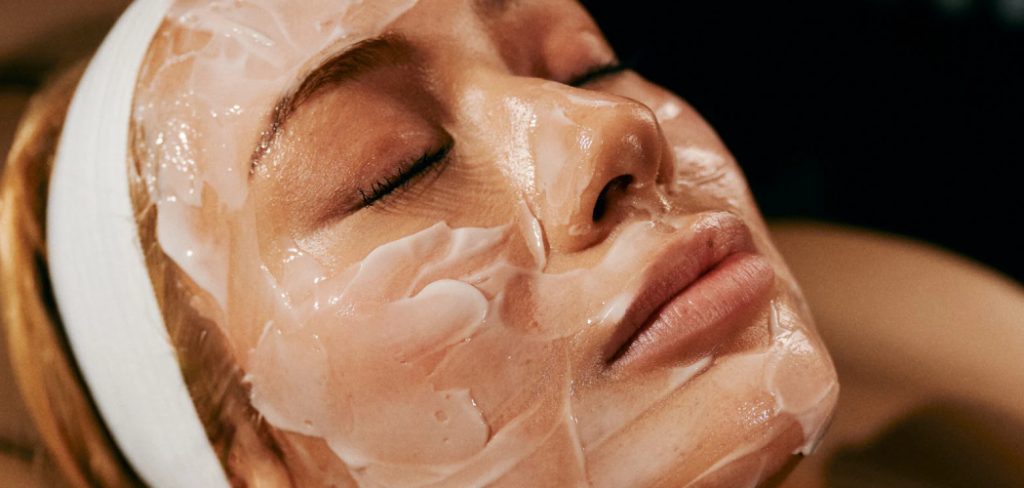
Here’s what most people don’t realize: you don’t need to cover blackheads. You need to reduce them. With the right routine, you can smooth your skin’s surface, refine your pores, and make those dark spots far less visible—no foundation involved. This guide on how to hide blackheads on nose without makeup walks you through eight practical steps to do exactly that, plus the common mistakes that tend to set people back and when it’s worth consulting a professional.
What Actually Causes Blackheads on the Nose?
Blackheads—medically called open comedones—form when a pore gets clogged with a mix of sebum, dead skin cells, and environmental debris. Unlike whiteheads, the top of the pore stays open. When the trapped material meets air, it oxidizes and darkens, which is what gives blackheads that distinctive gray-black color.
The nose sits at the center of the T-zone, where oil glands tend to be largest and most active. That combination of higher oil production and larger pores makes the nose a prime spot for blackhead buildup. Hiding them without makeup, then, is less about covering them up and more about reducing the factors that make them visible—mainly texture, oil, and uneven light reflection.
8 Steps on How to Hide Blackheads on Nose Without Makeup
Step 1: Start With a Deep but Gentle Cleanse
Everything starts here. Washing your face twice daily removes the surface oil, sunscreen residue, and daily grime that feed blackheads over time. Look for a gentle, water-soluble cleanser that contains salicylic acid—a beta-hydroxy acid that works by dissolving oil inside the pore rather than just cleaning the surface.
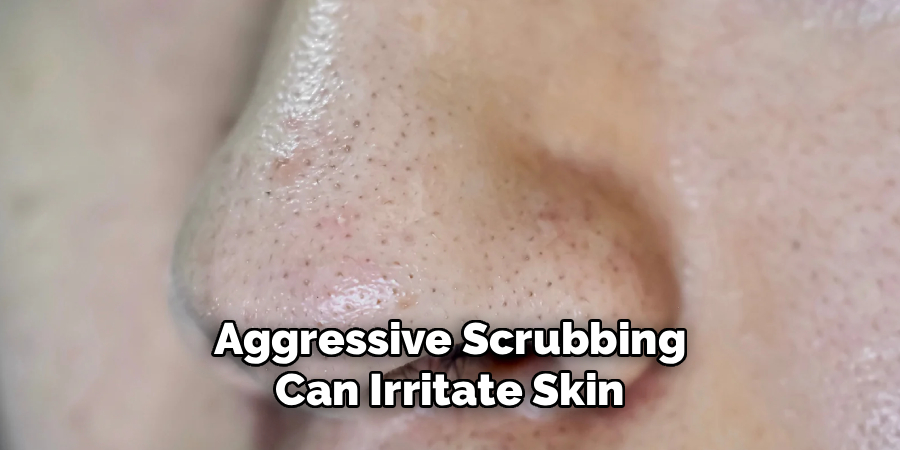
Massage it onto damp skin in small circular motions, paying extra attention to your nose. Then rinse with lukewarm water. Very hot water and aggressive scrubbing can irritate skin and may actually trigger more oil production in response, so gentler tends to be better here.
Step 2: Exfoliate Two to Three Times a Week
Dead skin cells are a primary driver of clogged pores. Regular exfoliation clears that buildup and slows the rate at which new blackheads form. You have two main options: chemical or physical.
Chemical exfoliants—salicylic acid (BHA) or glycolic acid (AHA)—work by loosening the bonds between dead cells so they shed naturally. For most people with blackhead-prone skin, these tend to outperform physical scrubs. If you prefer a scrub, choose one with fine, rounded particles and use minimal pressure. Rough, jagged-grain scrubs can cause microtears in the skin, which create more problems than they solve.
Over-exfoliating is a real risk worth flagging—stripping your skin barrier can increase oiliness, not reduce it. Two to three times a week is usually enough.
Step 3: Use a Pore Strip for a Quick Fix
When you want faster results before an event or a meeting, pore strips can pull out the debris sitting near the surface of your pores. They’re not a long-term solution, but they do work for a temporary improvement.
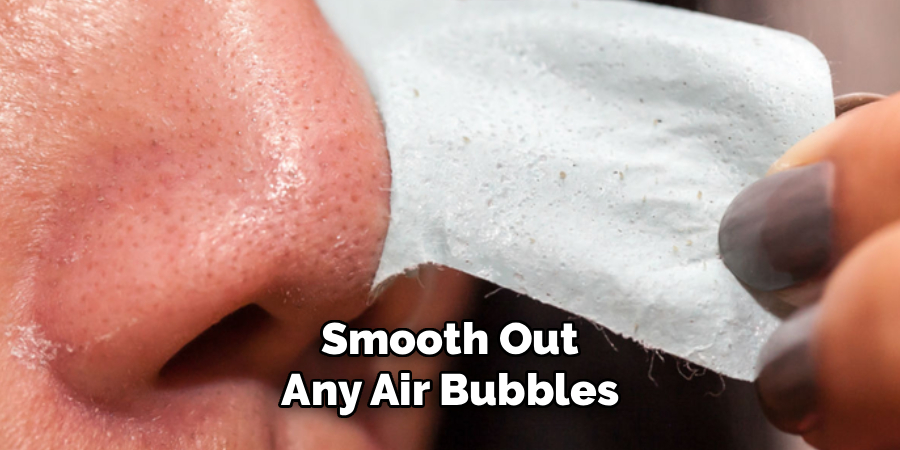
Wet your nose first to soften the skin. Press the strip down firmly, smooth out any air bubbles, and leave it on for the time indicated on the packaging—usually around 10 to 15 minutes. Peel it off slowly from the edges once it feels stiff. Follow up with a soothing toner to close the pores back down. Think of this step as an occasional boost rather than a cornerstone of your routine.
Step 4: Apply a Clay or Charcoal Mask Once or Twice a Week
Clay masks work by absorbing excess oil and drawing impurities out of the pores. Used regularly, they leave the nose looking cleaner and pores appearing visually tighter. Kaolin and bentonite clays tend to work well for oily, blackhead-prone skin.
Apply a thin layer over your nose and T-zone, and remove it before it hardens completely—letting clay dry fully can pull moisture from the skin. Rinse with warm water and apply moisturizer afterward. Over time, consistent masking may help regulate oil production and soften the appearance of existing blackheads.
Step 5: Tone to Refine the Look of Pores
A toner applied after cleansing or masking can help balance your skin’s pH and tighten the visible appearance of pores. Tighter-looking pores reflect light more evenly, which makes blackheads less obvious at a glance.
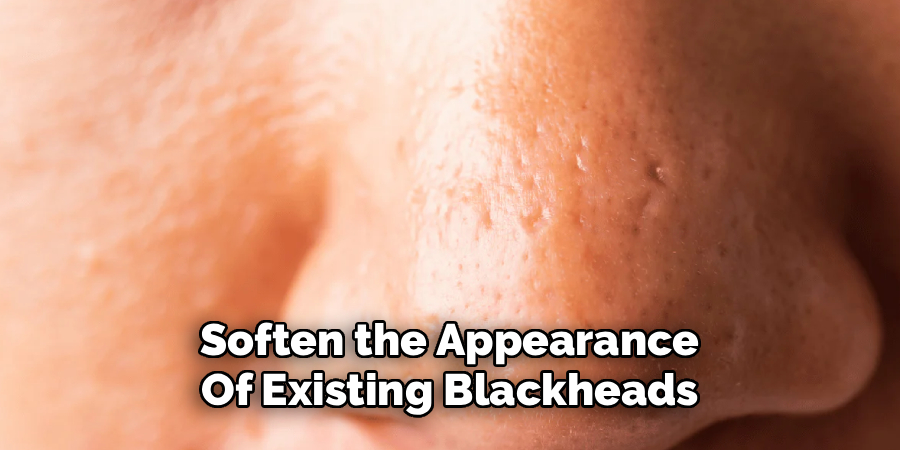
Choose an alcohol-free formula with ingredients like niacinamide, witch hazel, or salicylic acid. Niacinamide, in particular, has a reasonable body of evidence behind it for minimizing pore appearance and controlling oil. Apply with a cotton pad or pat gently into the skin with your fingertips, focusing on the nose.
Step 6: Moisturize—even if Your Skin is Oily
This one surprises people. Skipping moisturizer to “dry out” oily skin tends to backfire. When skin becomes dehydrated, it compensates by producing more sebum, which means more material to clog pores.
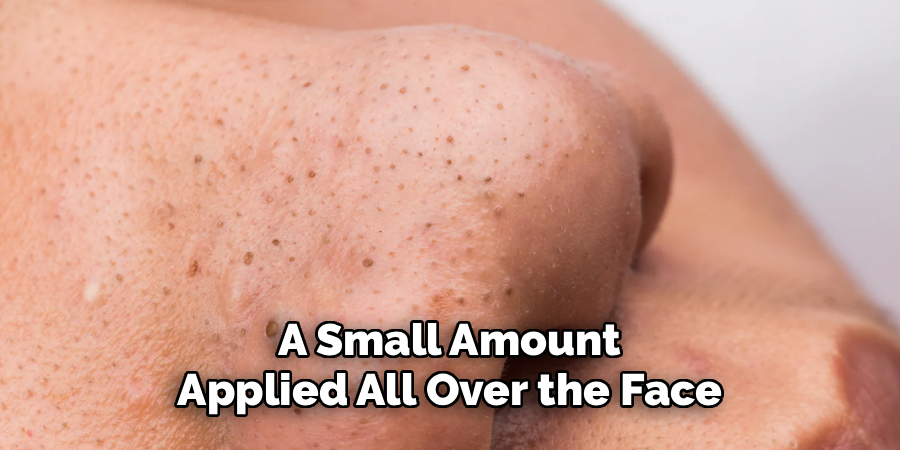
A lightweight, oil-free, non-comedogenic moisturizer keeps skin balanced without adding to congestion. Gel-based formulas work well for oily and combination skin types. A small amount applied all over the face—including the nose—plumps the skin slightly, which reduces the contrast between pores and the surrounding surface.
Step 7: Try a Clear Mattifying Primer
A clear, silicone-based primer sits somewhere between skincare and makeup—it has no pigment or coverage, but it smooths the skin’s surface and fills in the fine texture around pores. The result is a soft-focus effect that diffuses light and makes blackheads noticeably less visible.
Choose a non-comedogenic formula designed for oily skin, and apply a pea-sized amount to your nose with your fingertips. Remove it thoroughly at the end of the day so your pores aren’t sitting under a seal overnight.
Step 8: Wear Sunscreen Every Morning
UV exposure thickens the outer layer of skin over time and can make pores appear larger and darker—which only draws more attention to blackheads. A daily broad-spectrum SPF 30 or higher keeps skin smooth and pores looking more refined.
For blackhead-prone skin, a lightweight gel or fluid formula labeled non-comedogenic will give you protection without adding congestion. Apply it as the last step in your morning routine, including on overcast days. Beyond its effect on blackheads, consistent sunscreen use protects against premature aging and uneven tone. Healthy, even-textured skin naturally downplays any surface irregularities.
Following these steps on how to hide blackheads on nose without makeup will help improve the appearance of your skin and prevent future breakouts.
Common Mistakes That Make Blackheads Worse
A few habits—all well-intentioned—tend to undermine even a solid routine. Squeezing or picking at blackheads pushes bacteria deeper into the skin and raises the risk of scarring. Over-exfoliating strips the skin barrier and signals more oil production.
Skipping moisturizer, as covered above, has a similar effect. And relying on pore strips or other intensive treatments daily can gradually damage the skin’s surface. Gentle and consistent tends to outperform aggressive every time.
When to See a Dermatologist?
Some blackheads won’t respond to over-the-counter care, regardless of how consistent you are. If your blackheads are persistent, numerous, or affecting your confidence, a board-certified dermatologist may be worth consulting.
Professional options include safe in-office extractions (without the scarring risk of at-home squeezing), prescription retinoids that speed up cell turnover, and treatments like chemical peels or microdermabrasion that can meaningfully improve skin texture. A dermatologist can also identify whether something specific—hormonal shifts, a comedogenic product in your current routine—is driving the problem. If home care isn’t working after several consistent weeks, professional input can save a lot of time and guesswork.
Frequently Asked Questions
Can I Permanently Get Rid of Blackheads on My Nose?
Blackheads can’t be permanently eliminated. Pores will always produce oil and shed skin cells—the two ingredients that create them. That said, a consistent routine with salicylic acid, regular exfoliation, and professional treatments where necessary can keep them well under control. Think of blackhead care as ongoing maintenance rather than a one-time fix.
Are Pore Strips Bad for Your Skin?
Pore strips aren’t inherently harmful, but overuse may irritate your skin and weaken the skin barrier over time. They remove debris from the surface of pores and provide a quick improvement, but they don’t address the underlying causes of blackheads. Used occasionally—alongside daily cleansing and moisturizing—they’re a reasonable tool.
How Long Does It Take to See Results From a Skincare Routine?
Most people notice smoother skin and fewer blackheads within four to six weeks of consistent care. Skin renews itself on a roughly 28-day cycle, so visible changes take time. Avoid switching products too frequently during this period, as that can cause irritation and make it hard to assess what’s actually working.
What Ingredients Should I Look for to Reduce Blackheads?
Salicylic acid is the most well-supported ingredient for blackheads—it’s oil-soluble, meaning it penetrates the pore and breaks down debris from the inside. Niacinamide helps control oil and minimize the visible appearance of pores. Retinoids (available over-the-counter in lower concentrations or by prescription) speed up cell turnover and may help keep pores clearer over time.
Clearer Skin Starts With Consistency
Covering blackheads rarely works as well as reducing them. By cleansing deeply, exfoliating with care, masking regularly, and finishing with sunscreen, you can refine your skin’s texture and make blackheads far less noticeable over time—without a drop of foundation. Add a clear primer when you want extra polish, and steer clear of the habits that tend to set progress back.
Give your routine four to six weeks before expecting significant results—skin turnover takes time. If blackheads persist despite consistent care, professional treatment is a practical next step. Start with one or two of these steps on how to hide blackheads on nose without makeup today, build from there, and let your skin do the work.

About the Author
Jane Hubbard is a passionate beauty expert with a wealth of experience in makeup, hair, and overall beauty techniques. After years of working as a hairdresser specialist, she followed her entrepreneurial spirit and started her own consultancy business.
Jane has always been driven by her desire to help others feel confident in their own skin, and she does this by sharing her knowledge, experiences, and practical beauty tips. Through her consultancy, she empowers individuals to embrace their unique beauty, offering tailored guidance that boosts both self-esteem and personal style.
Professional Focus
Specializes in makeup, hairstyling, and beauty consulting.
Provides personalized beauty advice, tips, and techniques to help individuals feel confident in their appearance.
Dedicated to staying up-to-date with the latest industry trends and developments.
Passionate about creating a comfortable and empowering experience for every client.
Education History
University of Craft and Design – Bachelor of Fine Arts (BFA) in Woodworking and Furniture Design
Woodworking Apprenticeships – Extensive hands-on training with skilled craftsmen to refine carpentry and furniture making techniques
Online Courses & Masterclasses – Continued education in advanced woodworking techniques, design principles, and specialized tools
Expertise:
Makeup artistry, hairstyling, and beauty consulting.
Personalized beauty techniques to enhance confidence and self-expression.
Educating clients on how to maintain their beauty routines at home.