

Are you an eco-friendly nail polish lover? Do you have a collection of used and empty nail polish bottles lying around? Don’t worry, you don’t have to throw them away! In this guide, we will teach you how to recycle nail polish bottles.
Recycling nail polish bottles is an essential step toward reducing waste and being more environmentally conscious. These small glass containers can often be overlooked when it comes to recycling, but with a little effort, they can be appropriately disposed of or repurposed. Handling them correctly is important since nail polish is considered hazardous waste due to its chemical content.
Recycling your nail polish bottles responsibly can help minimize environmental impact and contribute to a cleaner, greener planet.
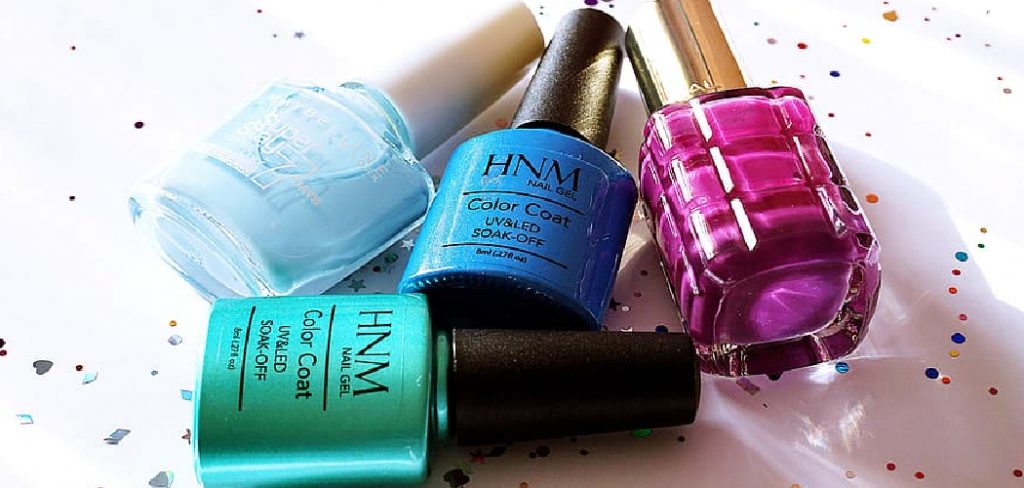
What are the Benefits of Recycling Nail Polish Bottles?
Recycling nail polish bottles has several benefits, including:
- Reducing Landfill Waste: By recycling your empty nail polish bottles, you prevent them from ending up in landfills where they can take years to decompose.
- Conserving Resources: Recycling allows the materials from old nail polish bottles to be reused, reducing the need for new resources and energy-intensive production processes.
- Preventing Pollution: When disposed of improperly, nail polish bottles can release harmful chemicals into the environment. Proper recycling prevents this pollution and protects our planet’s ecosystems.
Once you begin recycling your nail polish bottles, you’ll also notice another benefit – a cleaner and more organized space!
What Will You Need?
Before you start recycling your nail polish bottles, gather the necessary materials:
- Empty Nail Polish Bottles: You’ll need empty nail polish bottles to recycle. Rinse them out with warm water and dish soap to remove any remaining polish.
- Nail Polish Remover: This will come in handy if there is still a tiny amount of nail polish left in the bottle.
- Cotton Pads or Cotton Balls: You’ll use these to clean the inside of the bottle and remove any leftover residue.
- Rubbing Alcohol: This will help disinfect and sanitize the bottle before recycling or repurposing it.
Once you have all your materials, it’s time to get started with the recycling process.
10 Easy Steps on How to Recycle Nail Polish Bottles
Step 1. Remove Any Leftover Nail Polish:
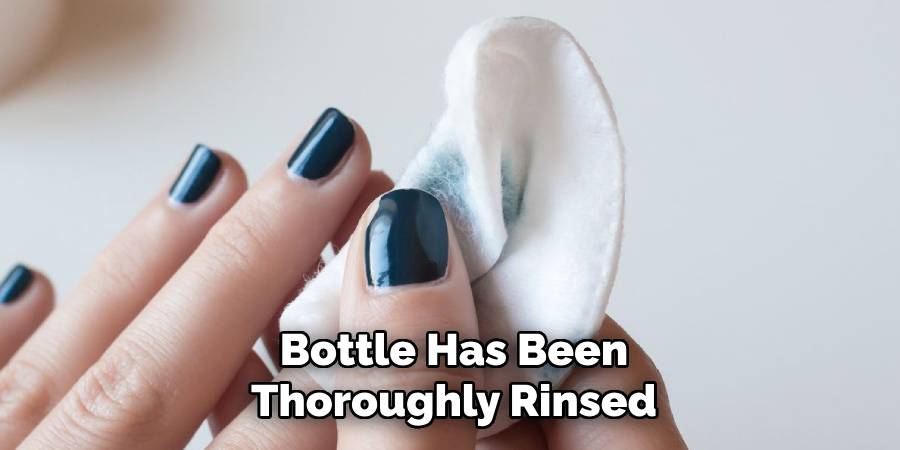
Start by pouring a small amount of nail polish remover into the bottle. Swirl it around carefully to loosen any remaining polish stuck to the sides. You can also use a cotton pad or cotton ball soaked in nail polish remover to remove the residue from the bottle’s opening and neck. Repeat this step if the polish is stubborn until the bottle is completely clean.
Make sure to responsibly dispose of the removed nail polish and the used cotton, as nail polish is classified as hazardous waste. Taking the time to thoroughly remove all polish ensures the bottle is ready for proper recycling or repurposing.
Step 2. Rinse the Bottle Thoroughly:
After removing all the nail polish, rinse the bottle with warm water to remove any remaining residue. For a more thorough cleaning, fill the bottle with water and add a small dish soap.
Shake it well, pour out the soapy water, and rinse again until all the soap is gone. Before proceeding to the next step, ensure the bottle is completely clean and free of any chemicals. This step is crucial for recycling, as contamination can hinder recycling.
Step 3. Dry the Bottle Completely:
Once the bottle has been thoroughly rinsed, allow it to dry completely. Turn the bottle upside down and place it on a clean, absorbent cloth or paper towel to drain any excess water. Ensure the inside of the bottle is free from moisture by letting it air dry for several hours or overnight if needed. A completely dry bottle is essential for proper recycling or repurposing, as leftover moisture can interfere with the next stages of the process.
Step 4. Remove the Label and Cap:
Carefully remove the label from the bottle by peeling it off or using warm water to loosen the adhesive. If any sticky residue remains, use a small amount of rubbing alcohol or a natural adhesive remover.
Dispose of the label and any leftover adhesive responsibly. Similarly, remove the cap from the bottle, as it is often made of a different type of plastic and may need to be recycled separately. Properly sorting these components ensures that they can be processed effectively during recycling.
Step 5. Sort and Deposit the Materials:
Once the bottle, cap, and label have been appropriately separated and cleaned, sort them into their respective recycling categories.
Consult your local recycling guidelines to determine the correct bins for each material. If your area requires bottles and caps to be dropped off at a specific recycling facility, ensure you transport them accordingly. Proper sorting and depositing are crucial in ensuring the materials are recycled efficiently and sustainably.
Step 6. Monitor Your Recycling Habits:
Recycling doesn’t end with just one bottle—it’s a continuous effort. Take time to evaluate your recycling habits regularly. Ensure you thoroughly clean and sort items before recycling them, and stay updated on any changes to your local recycling policies. By being consistent and diligent, you contribute more effectively to reducing waste and conserving resources, providing a sustainable future for the environment.
Step 7. Educate Others About Recycling:
Sharing your knowledge about proper recycling practices can amplify positive environmental impact. Talk to friends, family, and coworkers about the importance of recycling and how to do it effectively. Encourage them to adopt better habits and provide tips or resources to help them get started. Hosting community workshops or participating in local environmental initiatives can also spread awareness and foster a collective effort toward sustainability.
Step 8. Reduce and Reuse:
One of the most effective ways to minimize waste is to prioritize reducing and reusing items before recycling. Opt for durable, reusable products, such as cloth shopping bags, stainless steel water bottles, and glass food containers.
Extending the life of the items you own and avoiding single-use products will lessen the demand for new resources and reduce the burden on recycling systems. Small changes in daily habits, like repairing broken items instead of discarding them or donating items you no longer need, can make a big difference in promoting sustainability.
Step 9. Support Sustainable Brands:
Choose to support companies and brands that prioritize sustainability and ethical practices. Look for certifications such as Fair Trade, Organic, or B-Corp to ensure that your products have a lower environmental impact and are responsibly sourced.
Investing in businesses committed to reducing waste, conserving energy, and using sustainable materials can help drive demand for eco-friendly practices across industries. Your purchasing power can play a significant role in encouraging companies to adopt more sustainable and transparent operations.
Step 10. Conserve Water:
Water is a precious resource, and conserving it is essential for sustainability. Simple actions like turning off the tap while brushing your teeth, fixing leaks promptly, and using water-efficient appliances can make a significant difference. Collect rainwater for outdoor use or opt for drought-resistant plants in your garden to reduce water consumption. By being mindful of your water usage, you can help preserve this vital resource for future generations and protect ecosystems that rely on it.
By following these steps and trying to educate ourselves and those around us continuously, we can all contribute to creating a healthier, more sustainable planet.
5 Things You Should Avoid
- Throwing Them in Regular Recycling Bins: Nail polish bottles are often made of materials that require unique recycling processes. Placing them in regular recycling bins can contaminate other recyclables.
- Leaving Residual Nail Polish Inside: Emptying and cleaning the bottles before recycling is important. Leftover nail polish is considered hazardous waste and can interfere with recycling efforts.
- Removing the Brush and Cap Incorrectly: Some recycling centers require the brush and cap to be separated from the glass bottle. Be sure to check local recycling guidelines to ensure proper handling.
- Ignoring Local Hazardous Waste Guidelines: Nail polish and its bottles may fall under hazardous waste categories in certain areas. Failing to follow disposal regulations can harm the environment.
- Mixing Bottles with Other Materials: Combining nail polish bottles with other substances like plastic or metal without proper separation can complicate the recycling process, leading to unnecessary waste.
5 Different Use-It-Again Options
- Reuse as a Paint Brush Cleaner: Empty nail polish bottles can be repurposed as containers for cleaning paintbrushes. The small size and narrow opening make it perfect for this task.
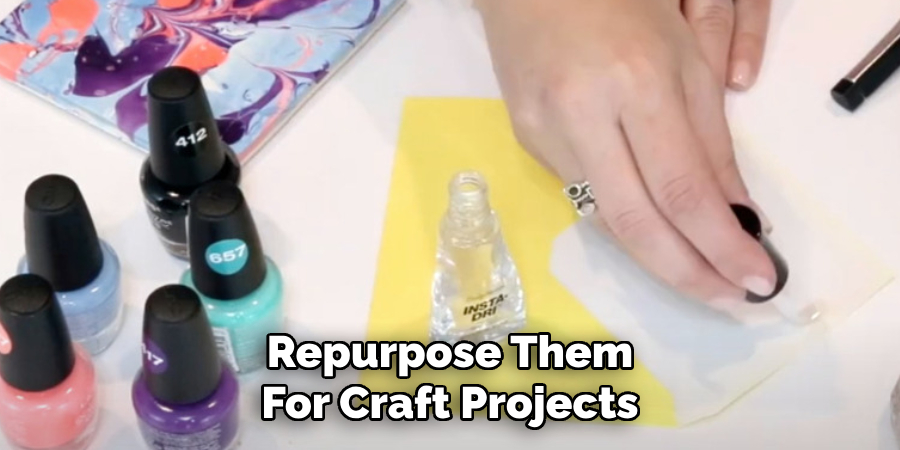
- Crafting with Broken Nail Polish Bottles: If you accidentally break a nail polish bottle, don’t throw it away! The colorful glass pieces can be used in crafting projects such as mosaics or jewelry.
- Store Small Items: Use cleaned and dried nail polish bottles to store small items like buttons, beads, or thumbtacks. They are the perfect size to keep these items organized and easily accessible.
- Create DIY Nail Polish Remover Pads: Fill an empty nail polish bottle with a mixture of nail polish remover and cotton balls. When you need to remove nail polish, simply shake the bottle and apply the soaked cotton ball for a mess-free experience.
- Donate to Organizations in Need: Some organizations accept donations of unused or gently used beauty products, including nail polish. Consider donating your unwanted bottles to shelters, women’s centers, or other community programs that can benefit from them.
Conclusion
How to recycle nail polish bottles is not only a creative way to reduce waste but also an opportunity to give these items a second life.
Whether you repurpose them for craft projects, storage solutions, or even functional DIY tools, there are countless ways to use empty or broken bottles. Additionally, donating unused nail polish to needy organizations can have a positive impact.
By taking these small but meaningful steps, you contribute to a more sustainable lifestyle while helping to reduce the environmental impact of discarded beauty products. Remember, every effort counts!

About the Author
Jane Hubbard is a passionate beauty expert with a wealth of experience in makeup, hair, and overall beauty techniques. After years of working as a hairdresser specialist, she followed her entrepreneurial spirit and started her own consultancy business.
Jane has always been driven by her desire to help others feel confident in their own skin, and she does this by sharing her knowledge, experiences, and practical beauty tips. Through her consultancy, she empowers individuals to embrace their unique beauty, offering tailored guidance that boosts both self-esteem and personal style.
Professional Focus
Specializes in makeup, hairstyling, and beauty consulting.
Provides personalized beauty advice, tips, and techniques to help individuals feel confident in their appearance.
Dedicated to staying up-to-date with the latest industry trends and developments.
Passionate about creating a comfortable and empowering experience for every client.
Education History
University of Craft and Design – Bachelor of Fine Arts (BFA) in Woodworking and Furniture Design
Woodworking Apprenticeships – Extensive hands-on training with skilled craftsmen to refine carpentry and furniture making techniques
Online Courses & Masterclasses – Continued education in advanced woodworking techniques, design principles, and specialized tools
Expertise:
Makeup artistry, hairstyling, and beauty consulting.
Personalized beauty techniques to enhance confidence and self-expression.
Educating clients on how to maintain their beauty routines at home.