

Dry, cracked lips are uncomfortable and can ruin the look of even the most beautiful makeup application. While balms and glosses have their place, lip oils have emerged as a powerhouse treatment that combines deep hydration with a high-shine finish. These products are not just about aesthetics; they penetrate deeper than traditional waxes to nourish the skin barrier. If you are struggling with flakiness or irritation, learning the proper technique is essential to getting the most out of this product.
In this guide, we will walk you through exactly how to apply lip oil for dry lips to ensure maximum absorption and lasting relief. Whether you are prepping for a night out or just want to heal your pout overnight, the right application method makes all the difference. By following these simple steps, you can transform rough texture into a smooth, glossy smile that feels as good as it looks.
Why Lip Oil Is Essential for Dry Lips
Lip oils are distinct from traditional lip balms or glosses because of their formulation. While balms often sit on top of the skin to create a seal, oils are designed to sink into the delicate skin of the lips, providing essential fatty acids and vitamins directly where they are needed most. This deep penetration helps to heal cracks and soothe inflammation rather than just masking the problem.
Furthermore, lip oils often contain ingredients like jojoba, hazelnut, or rosehip oil, which mimic the skin’s natural sebum. This makes them incredibly effective at restoring moisture balance without feeling heavy or sticky. For anyone suffering from chronic dryness, incorporating an oil into your routine offers a dual benefit: immediate cosmetic improvement with a glossy sheen, and long-term health benefits that improve the texture of your lips over time.
8 Step-by-Step Guide: How to Apply Lip Oil for Dry Lips
Step 1: Exfoliate Your Lips Gently
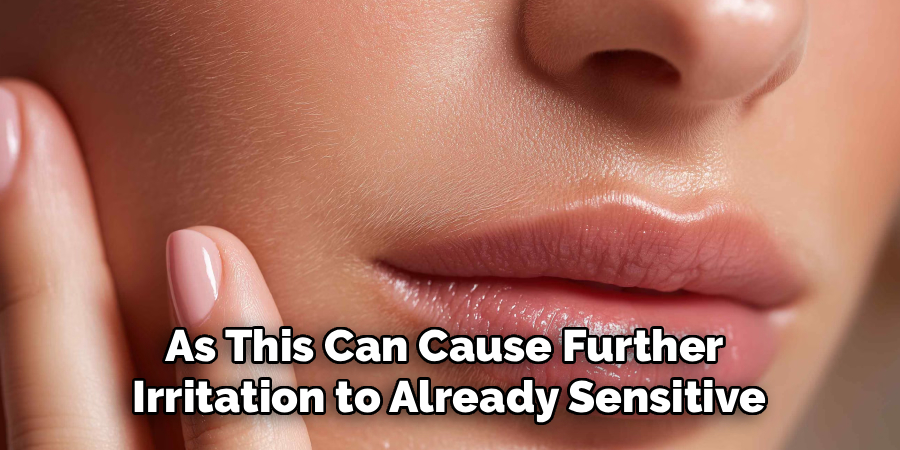
Before adding any moisture, you must remove the barrier of dead skin cells that prevents products from absorbing properly. Dry lips often have flaky patches that can make application uneven and ineffective. You can use a store-bought lip scrub or make a simple one at home using sugar and honey. Gently massage the scrub in circular motions for about thirty seconds. This process not only smoothes the surface but also stimulates blood flow, giving your lips a natural plumpness. Rinse with lukewarm water and pat dry with a soft towel. Do not scrub too hard, as this can cause further irritation to already sensitive skin.
Step 2: Hydrate with Water or a Mist
Oils are excellent at sealing in moisture, but they do not create moisture on their own. To maximize the effectiveness of your treatment, your lips should be slightly damp before you apply the oil. You can simply splash a little water on your mouth or use a hydrating facial mist containing ingredients like glycerin or hyaluronic acid. This step adds a layer of hydration that the oil will later lock in. Think of this like skincare for your face; you always apply serums to damp skin for better absorption. This simple addition to the routine ensures that your lips stay hydrated from the inside out.
Step 3: Apply a Thin Base Layer
Now that your canvas is prepped, take the applicator and glide a thin layer of product across your bottom lip. Press your lips together to distribute the product to the top lip. This initial layer acts as a primer, allowing the nourishing ingredients to start penetrating the skin immediately. Start from the center of your lips and work your way outwards towards the corners. You do not need to use a large amount of product at this stage; a light coating is sufficient to begin the moisturization process. This ensures that you do not end up with a sticky mess, but rather a comfortable, hydrating base.
Step 4: Mastering How to Apply Lip Oil for Dry Lips
For the most effective treatment, you need to focus on technique during the main application. Dip the wand back into the tube and apply a generous amount to the center of your bottom lip. Use the tip of the applicator to push the oil towards the edges of your lips, ensuring you cover every dry patch. This method prevents product buildup in the corners of your mouth. When learning how to apply lip oil for dry lips, precision matters. Ensure you trace your cupid’s bow carefully to define the shape of your mouth while delivering intense hydration to the areas that are most prone to cracking.
Step 5: Massage the Oil In
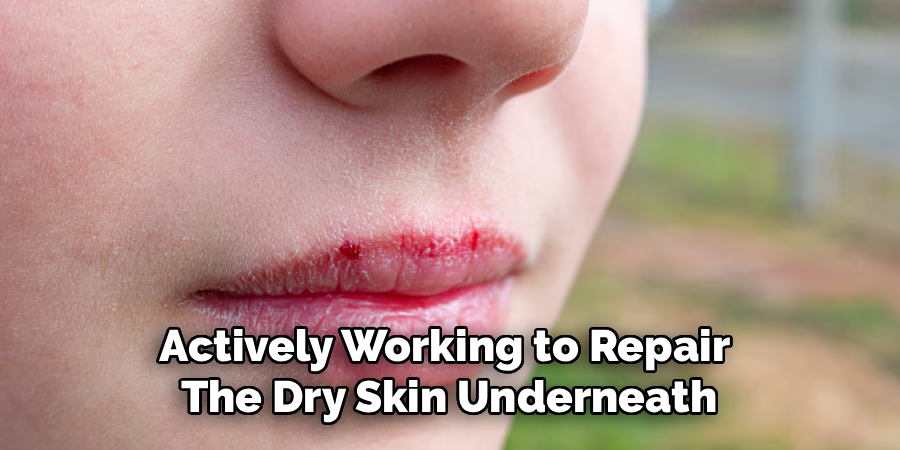
Unlike gloss, which is meant to sit on top of the lips, oil benefits from a little massage. Using a clean finger or the flat side of the applicator, gently press the oil into your lips using small tapping motions. This action generates a tiny amount of heat, which helps the botanical oils penetrate deeper into the epidermis. Spend about fifteen to twenty seconds doing this. It might feel indulgent, but this extra effort significantly boosts absorption. It ensures that the vitamins and nutrients are not just sitting on the surface but are actively working to repair the dry skin underneath.
Step 6: Layer for Overnight Repair
If you are applying your lip oil before bed, you should add a second, thicker layer to act as an overnight mask. Sleep is when your body enters repair mode, and your skin loses the most moisture. By applying a generous coat, you create an occlusive barrier that prevents transepidermal water loss throughout the night. This is particularly crucial for chronic dryness. You can even layer a thick balm over the oil if your lips are severely cracked. This “slugging” technique for lips locks everything in tight, ensuring you wake up with soft, rejuvenated lips instead of a tight, painful mouth.
Step 7: Reapply Strategically Throughout the Day
Lip oil is not a one-and-done product, especially when you are battling harsh weather or air conditioning. To maintain hydration levels, you need to reapply every few hours. However, you do not need to repeat the full exfoliation process every time. Simply wipe off any food residue or old product gently with a tissue, and apply a fresh coat. Keeping a tube in your bag or at your desk ensures you can top up immediately when you feel tightness returning. Consistency is key to healing dry lips, so make reapplication a habit rather than an afterthought.
Step 8: Clean Up the Edges
Because oils are more fluid than waxes, they can sometimes bleed outside the lip line, especially if you have applied a generous amount. To keep your look polished, take a cotton swab or a clean tissue and trace the perimeter of your mouth. This cleans up any excess oil that may have migrated onto the surrounding skin, which could otherwise cause breakouts or ruin your foundation. This step ensures that your hydration treatment looks intentional and neat. It defines your lip shape and highlights the glossy finish without looking messy or greasy.
Frequently Asked Questions
What Ingredients Should I Look For In A Lip Oil?
When choosing a lip oil, prioritize natural, nourishing ingredients that repair the skin barrier. Look for Jojoba oil, which mimics natural sebum, Vitamin E for its antioxidant properties, and Hyaluronic Acid for deep hydration. Avoid mineral oils or synthetic fragrances if you have sensitive skin, as these can sometimes cause irritation.

Can I Wear Lip Oil Over Lipstick?
Absolutely, layering is a great technique. You can apply a thin layer of lip oil over matte liquid lipsticks or lip liners to add a high-shine finish and prevent the color from drying out your lips. Just be aware that the oil may break down the lipstick slightly faster than usual.
How Often Should I Exfoliate My Lips?
You should aim to exfoliate your lips one to two times per week. Over-exfoliating can damage the delicate skin and actually lead to more dryness and sensitivity. Always follow up immediately with a hydrating lip oil to protect the fresh skin and seal in moisture.
Is Lip Oil Better Than Lip Balm?
Lip oil and lip balm serve different purposes but work best together. Lip oils penetrate deeper to nourish and heal the skin, while balms typically sit on the surface to create a protective seal. For severely dry lips, using an oil first for nutrients followed by a balm is the most effective strategy.
Can Lip Oil Cause Acne Around The Mouth?
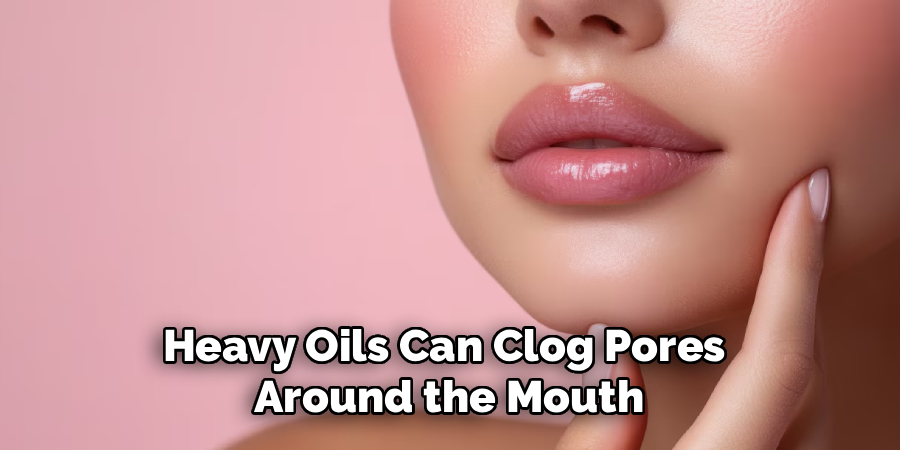
If applied carelessly, heavy oils can clog pores around the mouth. To prevent this, be precise with your application and avoid smearing the product onto the surrounding skin. If you are prone to acne, look for non-comedogenic oils like squalane or rosehip seed oil to minimize the risk of breakouts.
Conclusion
Caring for your lips is an essential part of any beauty and self-care routine. By switching from standard balms to nutrient-rich oils, you can heal damage and achieve a stunning, healthy glow. We hope this guide on how to apply lip oil for dry lips has empowered you to take better care of your pout. Remember that preparation is just as important as the product itself; taking the time to exfoliate and hydrate will yield the best results. With consistent care and the right technique, you can say goodbye to chapped, painful lips forever.

About the Author
Jane Hubbard is a passionate beauty expert with a wealth of experience in makeup, hair, and overall beauty techniques. After years of working as a hairdresser specialist, she followed her entrepreneurial spirit and started her own consultancy business.
Jane has always been driven by her desire to help others feel confident in their own skin, and she does this by sharing her knowledge, experiences, and practical beauty tips. Through her consultancy, she empowers individuals to embrace their unique beauty, offering tailored guidance that boosts both self-esteem and personal style.
Professional Focus
Specializes in makeup, hairstyling, and beauty consulting.
Provides personalized beauty advice, tips, and techniques to help individuals feel confident in their appearance.
Dedicated to staying up-to-date with the latest industry trends and developments.
Passionate about creating a comfortable and empowering experience for every client.
Education History
University of Craft and Design – Bachelor of Fine Arts (BFA) in Woodworking and Furniture Design
Woodworking Apprenticeships – Extensive hands-on training with skilled craftsmen to refine carpentry and furniture making techniques
Online Courses & Masterclasses – Continued education in advanced woodworking techniques, design principles, and specialized tools
Expertise:
Makeup artistry, hairstyling, and beauty consulting.
Personalized beauty techniques to enhance confidence and self-expression.
Educating clients on how to maintain their beauty routines at home.